Current News

transform.NRW

November 13-14, 2025, Bonn

transform.NRW
Symposium

Creating sustainability
through art, culture, and design.

How can art, culture, design and science together shape transformative relations for a socio-ecologically sustainable transition?

The transform.NRW symposium on November 13 and 14, 2025 at the Bundeskunsthalle in Bonn brings together actors from art, culture, design, science, business, politics, municipalities and civil society to exchange and develop diverse perspectives on shaping a socio-ecological transformation.

The aim is to open space for interdisciplinary discussion and networking to foster new alliances. At the center is the strengthening of a collective sustainability literacy. For the first time, good practices, methods and tools from the transform.NRW collection will be made accessible to a broad audience.

After the first two years of the project, we will use the symposium to come together, consolidate insights, refine questions, and to open and expand our network and set the course for the second half of the project.


Impulse from:
Jacob Sylvester BilabelGavin Evans

Jacob Sylvester Bilabel

Green Culture Anlaufstelle, Project Lead

Since 2023, Jacob Sylvester Bilabel has been in charge of setting up the federal government's central Green Culture contact point in Germany. In summer 2020, he launched the Action Network Sustainability in Culture and Media, funded by the Federal Government Commissioner for Culture and the Media. The network has since grown to include over 50 of the most important cultural institutions in Germany, Austria and Switzerland. As part of a consortium, he also developed the nationally standardised, culture-specific climate assessment standards KBK & KBK+ as well as the free, usable tool of the German Conference of Ministers of Culture. In 2009, Bilabel founded the pan-European Green Music Initiative as a cross-industry think tank. The non-profit initiative now brings together more than 350 festivals and 500 venues across Europe, reaching more than 3 million young Europeans.
Daniela JacobPhoto: Gute Unternehmensfotos

Daniela Jacob

Helmholtz-Zentrum Hereon, Climate Service Center Germany (GERICS) - Director GERICS

Daniela Jacob is Director of the Climate Service Centre Germany (GERICS), Chair of the Climate Council of the Free and Hanseatic City of Hamburg and of the German Committee for Sustainability Research in Future Earth (DKN) and a member of the Earth League. She is an honorary professor at the Leuphana University of Lüneburg and a Fellow of the International Science Council (ISC). She was coordinating lead author of the IPCC Special Report on the Impacts of Global Warming of 1.5°C and lead author of the IPCC Fifth Assessment Report (Working Group II). Expertise includes regional climate modelling, climate services, adaptation to climate change, sustainability.
Lars JessenPhoto: Jasper Ehrich

Lars Jessen

Co-founder PlanetNarratives; producer, director, screenwriter; expert in narrative climate communication)

Lars Jessen is a producer, director and author. He has made award-winning cinema and television films such as ‘Dorfpunks’, ‘Fraktus’ and ‘Mittagsstunde’ and has directed over 100 episodes of popular series such as ‘Tatort’, “Polizeiruf” and ‘Mord mit Aussicht’. He has been honoured for his work with the Grimme Prize, the Golden Camera and the German Television Prize, among others. As co-founder of PlanetNarratives, he develops transformative narrative formats - most recently realised in the improv comedy ‘Micha denkt groß’ together with Jan Georg Schütte.
Nicole Zabel-WasmuthPhoto: Jasper Ehrich

Nicole Zabel-Wasmuth

Co-founder of PlanetNarratives; media lawyer, script consultant, climate story consultant, expert in climate communication

Nicole Zabel-Wasmuth holds a doctorate in law and specialises in copyright, film and media law. After working at the FFA, Freshfields and most recently for 6 years at UFA Fiction, she now focusses on narrative climate communication. As a climate story consultant and co-founder of PlanetNarratives, she combines media science, psychology and storytelling-based expertise to support filmmakers in transformative storytelling, among other things.
Xiaomeng ShenPhoto: UNU-EHS

Xiaomeng Shen

Vice-Rector of the United Nations University in Europe (UNU-VIE)

Director of the United Nations University Institute for Environment and Human Security (UNU-EHS)
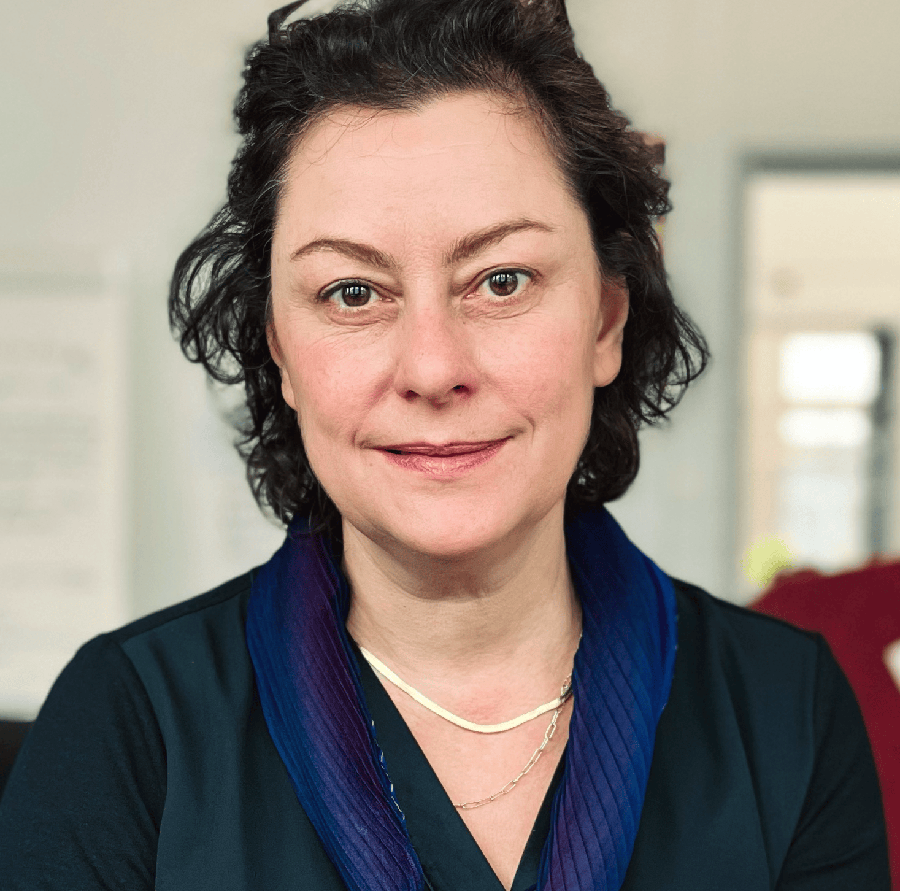
Prof. Dr. Shen Xiaomeng has been United Nations University (UNU) Vice-Rector in Europe and Director of UNU Institute for Environment and Human Security (UNU-EHS) since 2020. She facilitates collaboration with UN stakeholders, shapes policy, and leads academic programs. Prof. Shen is the chief academic and administrative officer of UNU-EHS and oversees its direction, organization and programmes. Her recent research interests include human-nature relationship, indigenous knowledge and a policy shift from GDP growth to wellbeing.
Bianca HerloPhoto: B. Herlo 2025, HSLU DFK

Bianca Herlo

Lucerne University, Design Film Art, Head of the ‘Transformation Design’ Competence Centre

Bianca Herlo is Professor of Eco-Social Design and researches issues of social and digital participation, gender equality, digital justice and the potential of design for socio-ecological transformation. She is Chair of the German Society for Design Theory and Research (DGTF) and a founding member of the international Social Design Network. Since 2022, she has co-hosted the podcast Purple Code. Intersectional feminist perspectives on digital societies.

Salons, panels and labs incl.:

Stephan SchallerPhoto: co-do! lab GmbH

Stephan Schaller

Impact Booster, Mover and Creative Challenger, co-do! lab GmbH
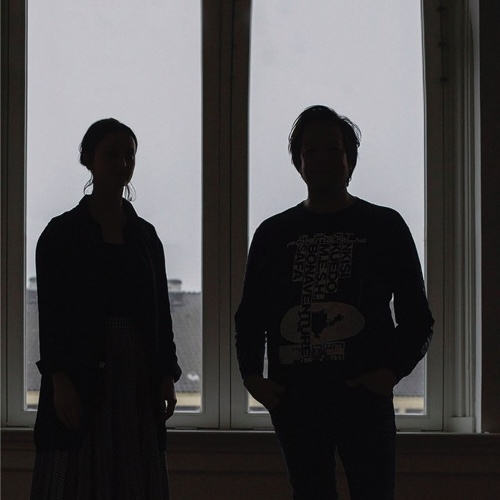
Stephan is an economist with over 20 years of experience in socio-ecological strategy and change processes. He works with companies, scientists, NGOs, and civil society groups to accelerate the transformation towards sustainability. In addition to rational facts, strategies, and key figures, he consciously focuses on the emotional connection with people, stories, and nature, as well as practical and self-effective action.
MetahavenPhoto: Metahaven

Metahaven

Artist collective founded by Vinca Kruk and Daniel van der Velden
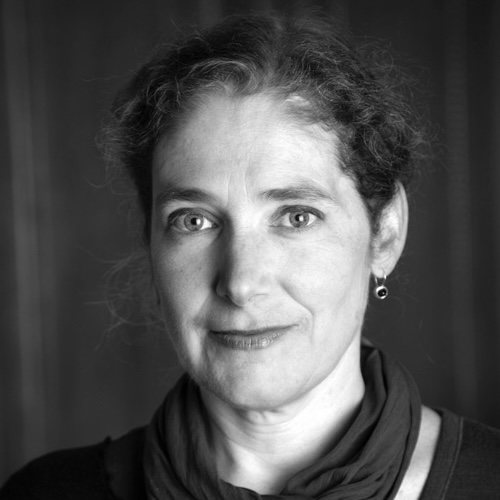
Have we yet failed to address the climate crisis through experimental art and design practices? Is the climate crisis an event that merely requires better communication to make us see its urgencies, or does it already do its own communication? Can design act as a bridging node between the different parties involved in shaping the future of the physical planet? Do we see a polycrisis of multiple competing urgencies, or do we see yet-unexplored dimensions of the design question? This talk looks at Geo-Design, “designing with the Earth,” and asks how curiosity and imagination may be preserved in the process of designing for an uncertain future.
Uta AtzpodienPhoto: Ralf Silberkuhl

Uta Atzpodien

Dramaturge, curator, author, and transformation manager for sustainable culture, board member at )) freies netz werk )) KULTUR, the cultural venue INSEL e.V., and the und.Institut für Kunst, Kultur und Zukunftsfähigkeit e.V.
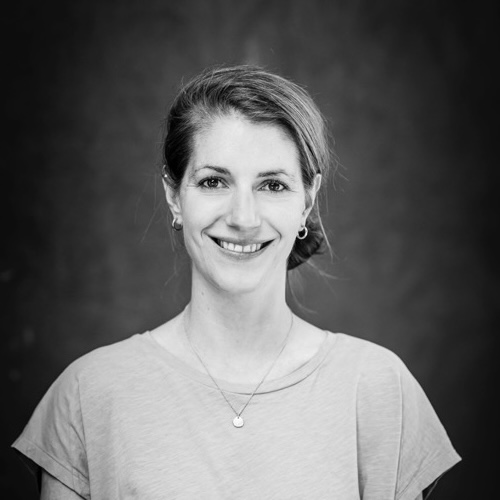
Dr. Uta Atzpodien is a dramaturge, curator, author, and transformation manager for sustainable culture. With transdisciplinary artistic impulses and moderation, she is committed to socially sustainable change and creative urban development. Since 2020, in addition to her freelance work, she has also been working as a project manager for Kulturpolitische Gesellschaft e.V., currently for KuDiNa³ – Sustainable Cooperation for Attitude, Confidence, and Change. She lives in Wuppertal, works nationwide from here, and is on the board of )) freies netz werk )) KULTUR, the cultural venue INSEL e.V., and the und.Institut für Kunst, Kultur und Zukunftsfähigkeit e.V.
Verena HermelingmeierPhoto: Martin Scherag

Verena Hermelingmeier

Junior Professor for Sustainability and Transformation in Business and Society, Alanus University of Arts and Social Science
Verena Hermelingmeier has been working in the fields of transformation research and transformative practice for over 10 years. Using various real-world laboratories in Wuppertal, Cologne, and Bonn, she has spent the last few years working on the collaborative design of places as hubs for local value creation, encounters, and the common good. She helped establish the WandelWerk in Cologne and is currently leading the development of the Maarwerk in Bonn-Beuel as a contact point for regenerative economics.
Manuel BickelPhoto: Wuppertal Institute

Manuel Bickel

Co-Head of Research Unit Production and Consumption Systems, Wuppertal Institute
Dr. Manuel Bickel studied environmental protection engineering (Dipl.-Ing.), worked at the engineering and consulting firm Fichtner from 2011 to 2018, and began his doctoral studies at Leuphana University Lüneburg in 2020 on the topic of “Viable Communication Systems” in the context of the energy transition. Since 2018, he has been conducting research at the Wuppertal Institute on the design of sustainable product-service systems, focusing on sustainability assessment, resource efficiency, ecodesign, circular systems, digitalization, and industry.
Ingrid Misterek-PlaggePhoto: Valentina Vlasic

Ingrid Misterek-Plagge

Managing Director of Kulturraum Niederrhein e.V. and Head of the Cultural Office of the Regional Cultural Program NRW for the Lower Rhine region
Dr. Ingrid Misterek-Plagge studied art history, journalism, and European ethnology at the University of Münster and in Florence before working as an art and museum consultant at the NRW KULTURsekretariat Wuppertal, where she implemented the international exchange project TRANSFER with the new federal states, Belgium, Italy, and Poland. Based in the Lower Rhine region, she now coordinates the biennial exhibition series of the Rhine-Meuse Museum Network on relevant contemporary topics, as well as the BORDERLAND RESIDENCIES program, which brings together art residencies between Liège and Kranenburg to explore the border region as a hub for European transformation issues.
Jola WelfensPhoto: Kate White

Jola Welfens

Freelance author, formerly Wuppertal Institute for Climate, Environment, and Energy
Dr. Jola Welfens is an economist and sustainability researcher. She worked for more than 30 years at the Wuppertal Institute, where her research focused on concepts of well-being, sustainable production and consumption systems, and educational approaches that foster transformative competencies. She advocates for a new understanding of prosperity that combines material needs with ecological responsibility and social participation – as a foundation for socio-ecological transformation.
Fernanda Gräfin Wolff MetternichPhoto: Dominik Butzmann

Fernanda Gräfin Wolff Metternich

Head of Organisational Development and Partnerships, Stiftung Gesunde Erde - Gesunde Menschen gGmbH (Healthy Earth - Healthy People Foundation)
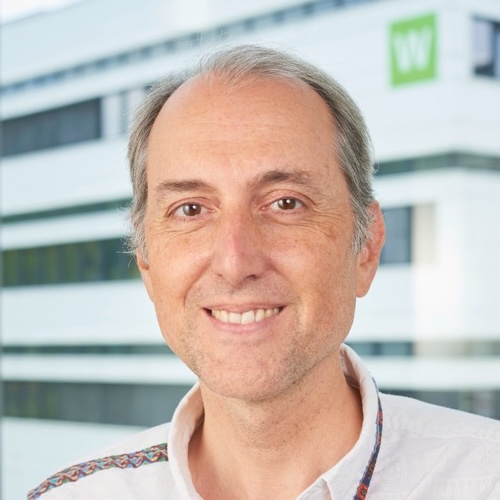
As Head of Corporate Development and Partnerships, Fernanda Wolff Metternich incorporates aspects of impact-oriented work (according to Phineo) into all areas of work. She works closely with the management team on the strategic direction of Gesunde Erde – Gesunde Menschen. She is also responsible for networking and partnerships with organizations from civil society, business, and funding partners.
Matei ChihaiaPhoto: -

Matei Chihaia

Professor of Spanish and French Literature and Member of the Center for Narrative Research at the University of Wuppertal
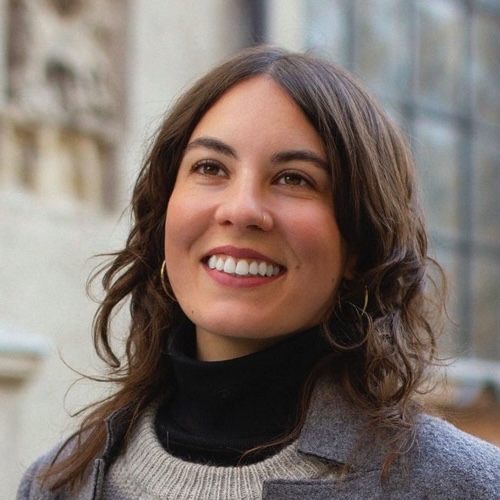
Matei Chihaia is a professor of Spanish and French literature at the University of Wuppertal. His research interests include models of historical change such as the epochal threshold and the “journey to decarbonization.” He co-edits the e-journal DIEGESIS. Journal for Interdisciplinary Narrative Research and is chair of the examination board for the binational master's program in Applied German-French Studies: Culture, Economy, and Sustainability.
Bianca OrboiPhoto: Karoline Hinnenthal

Bianca Orboi

Research Assistant in the field of Sustainability and Transformation in Business and Society at Alanus University of Arts and Social Science
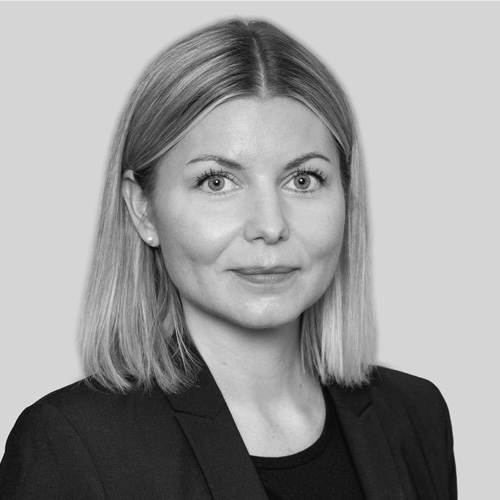
Bianca Orboi works at the intersection of science, art and economics. As a research assistant at the Chair for Sustainability and Transformation in Economy and Society, she researches and teaches on post-growth approaches, decolonial feminist perspectives, and community economies. In her work, she combines interdisciplinary collaboration, participatory processes, and creative methods to strengthen alternative, community-oriented paths of transformation and critically question dominant narratives of sustainability.
Vita E. M. ZimmermannPhoto: Wuppertal Institute

Vita E. M. Zimmermann

Senior Researcher in the Research Unit “Production and Consumption Systems” within the “Sustainable Production and Consumption” division at the Wuppertal Institute for Climate, Environment and Energy
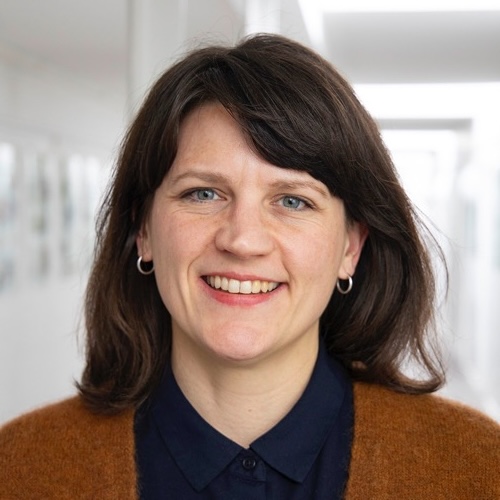
The economist Vita E. M. Zimmermann conducts research at the intersection of consumer behavior, marketing, and consumer policy. A central aspect of her work is the differentiated examination of the role of consumers in the sustainability transformation between protection needs and (shared) responsibility—for example, in the area of conflict between individual decisions and structural consumption conditions.
Jari OrtwigPhoto: Torsten Schäfer

Jari Ortwig

Head of Studies, Academy for Cultural Education of the Federal Government and the State of North Rhine-Westphalia
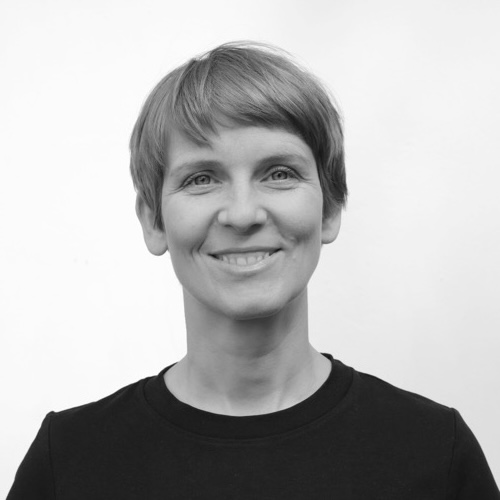
Jari Ortwig is Director of Studies at the Academy of Cultural Education of the Federal Government and the State of North Rhine-Westphalia. Here, she is responsible for designing an interdisciplinary continuing education and training program for professionals working with children and young people at the intersection of the arts, new media, systemic and socio-political approaches, and education for sustainable development (ESD). She deals with the question of the extent to which cultural education (e.g., through experiences of resonance and self-efficacy) can contribute to quality assurance in artistic practice, personal growth, and social transformation processes.
Franziska HartmannPhoto: Jan Hartmann

Franziska Hartmann

Freelance integrative designer and co-initiator of #Weben für Morgen (Weaving for Tomorrow)
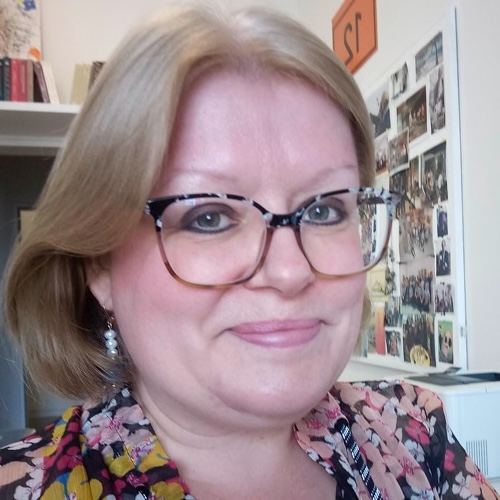
Franziska Hartmann works as a freelance designer, using artistic research methods and tools to create sensitive experiential spaces. Through her work, she aims to challenge old ways of seeing and expand cognitive understanding to include the level of tactile-sensory experience. With #Weben für Morgen (Weaving for Tomorrow), we want to raise awareness of the issue of sustainability with artists from different disciplines and ask questions in a sensual, playful way in order to translate them into concrete demands and bring them into political contexts.
Henriette PleigerPhoto: Henriette Pleiger

Henriette Pleiger

Exhibition curator at the Bundeskunsthalle Bonn
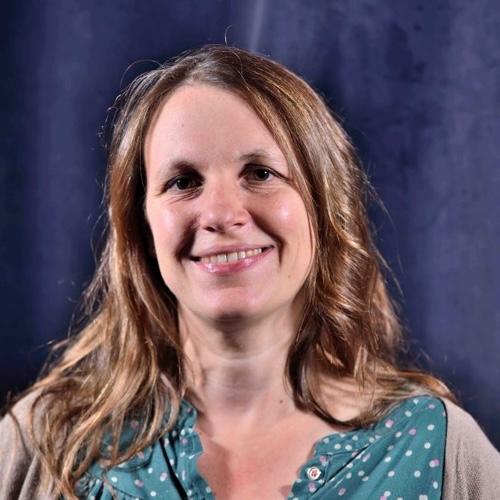
Dr. Henriette Pleiger has been working as an exhibition curator at the Kunst- und Ausstellungshalle der Bundesrepublik Deutschland (Bundeskunsthalle) in Bonn since 2002. In this position she has curated and organized several large thematic exhibitions which often combined art, cultural history, and science. The topics of her exhibitions included weather and climate, capitalism, and land degradation. In 2024 she published her PhD thesis: Pleiger, H. (2024). Interdisciplinary Exhibitions and the Production of Knowledge: Perspectives from Curatorial Practice. Bielefeld: transcript.
Harriet OelersPhoto: Kurt Rade

Harriet Oelers

Development at Konzerthaus Dortmund and Transformation Manager for Sustainable Culture / IHK
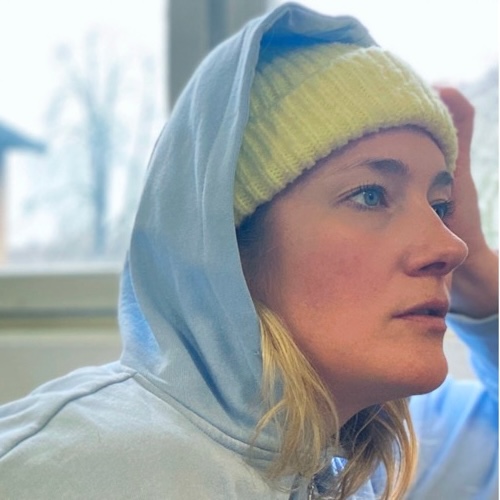
Dr. Harriet Oelers studied musicology, cultural management, and art history. Since 2020, she has been working in the development department at the Dortmund Concert Hall. In addition to fundraising for foundations, she is responsible for sustainability issues and has, among other things, supported the concert hall's Ökoprofit process and co-founded the Green Culture Dortmund initiative.
Katharina MaderthanerPhoto: MK.M

Katharina Maderthaner

Visual artist and professor of artistic fundamentals in the Industrial Design program at the University of Wuppertal
Prof. Katharina Maderthaner lives and works in Düsseldorf. Her sculptures, installations, and drawings take up everyday phenomena—from hardware stores and allotment gardens to so-called hobby art—and translate them into condensed, independent works. The familiar appears strange or alienated, the “real” is questioned playfully and with a wink. At the same time, her works stand seriously and autonomously, with an unsettling self-evidence. Her works have been shown in numerous solo and group exhibitions in Germany and abroad. Since 2022, she has been Professor of Artistic Fundamentals at the University of Wuppertal.
Nina HenselNina Hensel

Nina Hensel

Founding member of Performing for Future – Network for Sustainability in the Performing Arts, Climate Protection Manager and Freelance Theater Educator
As a founding member of Performing for Future and transformation manager for sustainable culture, Nina Hensel is committed to social and ecological transformation in art and culture. She is climate protection manager for five cultural institutions in Schleswig-Holstein and a freelance theater educator. As part of Performing for Future's Arts in Action AG, she designs and organizes large-scale artistic-activist campaigns throughout Germany, such as the Theater Relay Race for the Climate and 7,000 Seedlings – Scenes for Tomorrow.
Tanja SamrotzkiThomas Rafalzyk

Tanja Samrotzki

Freelance journalist and moderator
Tanja Samrotzki is a freelance journalist and moderator. As parliamentary correspondent for several German broadcasting stations, she reported on political events in Bonn and Berlin for about 20 years. Her deep knowledge of political subjects, stakeholders and structures informs her lively moderation of various formats: from conferences to debates – about any subject worth discussing.
Christina DathLara Ingenbleek

Christina Dath

Deputy Managing Director, NRW KULTURsekretariat
Christina Dath is a cultural manager specializing in networks, change, and interface management. As administrative director of the NRW KULTURsekretariat, she helps establish framework conditions for cooperation. She is the initiator and project manager of the öKoKom program, which strengthens sustainability development in cultural administrations. The resulting project initiative, Circular.Culture, works on establishing a materials management system for North Rhine-Westphalia.
Havîn Al-SîndyHavîn Al-Sîndy

Havîn Al-Sîndy

Artist and professor at the Braunschweig University of Art

Prof. Havîn Al-Sîndy lives and works as a visual artist in Kurdistan and Germany. She studied art, biology, and chemistry and is currently a professor at the Braunschweig University of Art. Her artistic practice ranges from performance art to sculpture, painting, and moving images. At its core is the tension between visibility and invisibility. Her working method is process-oriented, collaborative, and intergenerational, particularly in her exchanges with young people, aiming to make suppressed perspectives audible and visible—not as representation, but as part of a shared practice.
Eva EilingWuppertal Institute / W. Sondermann

Eva Eiling

Researcher in the Sustainable Production and Consumption Division, Innovation Labs Research Unit, Wuppertal Institute, transform.NRW
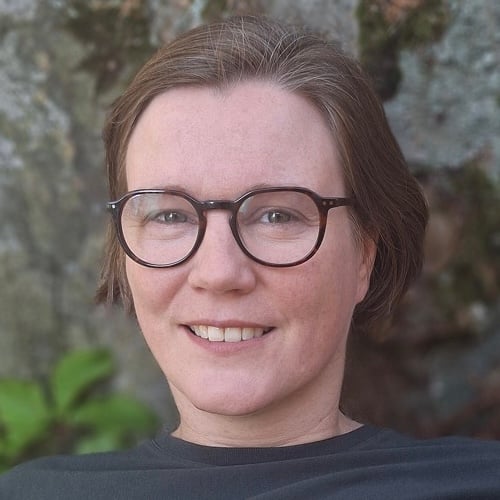
Eva Eiling is a researcher at the Wuppertal Institute for Climate, Environment, and Energy in the research division Sustainable Production and Consumption in the Innovation Labs research unit. Her research focuses on the intersection of art, culture, design, and sustainability, on real-world laboratory research, and on transformation design. In the transform.NRW project, she contributes content across all areas.
Julia LohmannJulia Lohmann

Julia Lohmann

Associate Professor in Contemporary Design, Head of Contemporary Design Major, Department of Design, Aalto University, Finland
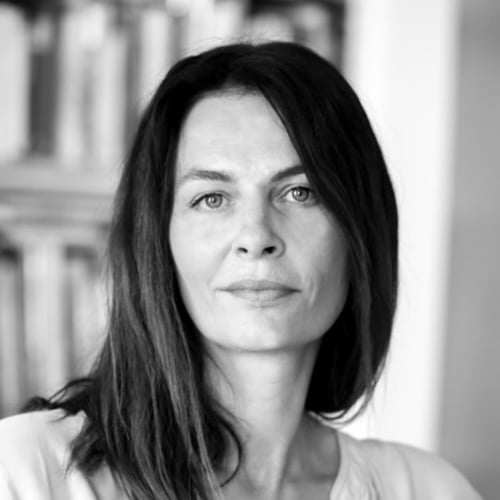
Julia Lohmann is a designer, researcher and educator who explores the ethical and material dimensions of our relationship with nature. She is an Associate Professor of Contemporary Design at Aalto University, Finland, and Honorary Royal Designer for Industry in Regenerative Design. In 2013, she founded the Department of Seaweed, a community exploring the sustainable development of seaweed as a design material with a regenerative eco-systemic impact. Lohmann promotes an empathic, more-than-human-centric mindset and uses design to connect knowing, caring, and acting across disciplines. Julia holds a PhD from the Royal College of Art and contributes to research consortia linking design, biomaterials, science, and ecology. Her work has been recognized internationally.
Martina FinederDavid Meran

Martina Fineder

Professor of Design Theory and Design Research at the University of Wuppertal, Co-Project Leader of transform.NRW
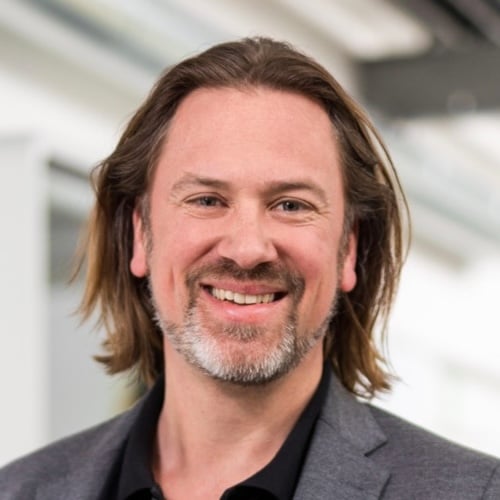
Prof. Dr. Martina Fineder is a design and cultural scientist focusing on socially and ecologically motivated design and consumption practices and transformation research. She is interested in commons logic, interpersonal design, and enjoys creating experimental laboratory exhibitions for inter- and transdisciplinary research projects. She is currently part of the management team of transform.NRW.
Jochen StiebelNeue Effizienz gemeinnützige GmbH

Jochen Stiebel

General Manager, Neue Effizienz gemeinnützige GmbH
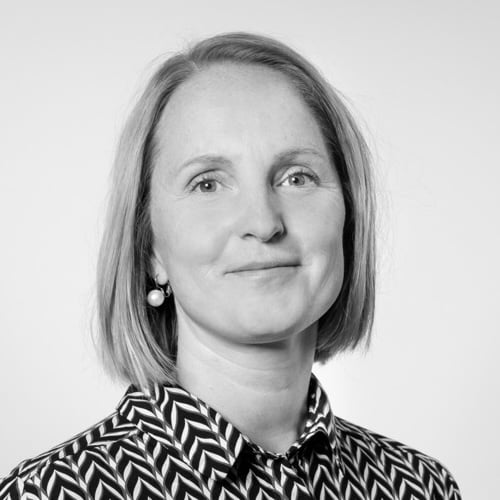
Jochen Stiebel sees himself as a catalyst and deliberately seeks connections between disciplines that have rarely collaborated before or have failed in previous attempts. He is particularly interested in how art, culture, and design can open up new pathways toward sustainability – for example, in scenography. These fields have the potential to spark innovation and create profound experiences that enable completely new forms of engagement.
Franziska StelzerWuppertal Institute

Franziska Stelzer

Senior Researcher, Division Sustainable Production and Consumption, Research Unit Innovation Labs, Wuppertal Institute for Climate, Environment and Energy
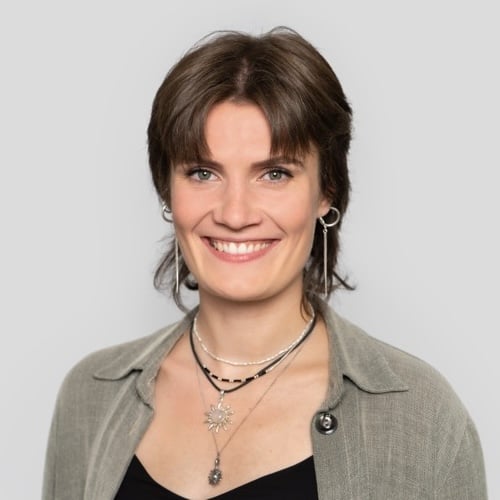
Dr. Franziska Stelzer’s work focuses on transformative and transdisciplinary research in sustainability-oriented real-world laboratories.
Anica Luggen-HölscherLaura Schenk / Wuppertal Institute

Anica Luggen-Hölscher

Researcher for sustainable production and consumption in the innovation labs research unit at the Wuppertal Institute, transform.NRW

Anica Luggen-Hölscher is a researcher at the Wuppertal Institute for Climate, Environment, and Energy in the research division Sustainable Production and Consumption in the Innovation Labs research unit. Her focus is on socio-ecological transformation, health and climate change, as well as real-world laboratory research. In the transform.NRW project, she is involved in cross-sectoral content work.
YAYAPhoto: Yuliana Mosheeva

YAYA

Represented by artist Gîn Bali

Crew, community, association – YAYA is committed to inclusive cultural spaces, especially for FLINTA and BI-POC individuals. They organize concerts, workshops, panels, and safer spaces for exchange, visibility, and empowerment. Gîn Bali represents the Yaya Crew at the transform.NRW symposium. Gîn Bali is a Kurdish-German guitarist, music educator, event organizer, DJ, community organizer, and producer. In addition to international performances, she promotes diversity in the music scene as a moderator on panels and in workshops on guitar, songwriting, and DJing. She also develops awareness concepts for various cultural institutions and gives workshops, training courses, and consultations in this area to promote inclusive and safe spaces in the cultural landscape.
Katja KremserPhoto: Katja Kremser

Katja Kremser

Research assistant in the field of design theory and design research, University of Wuppertal, transform.NRW
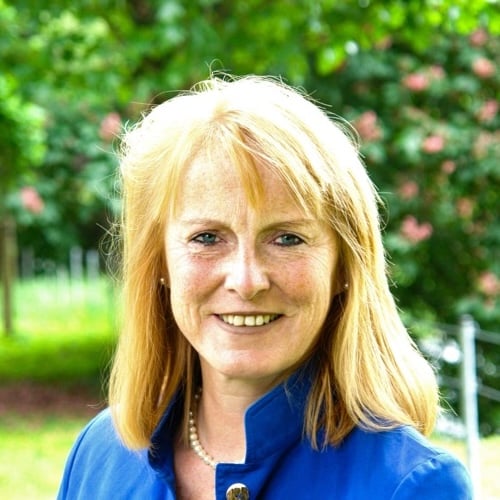
Katja Kremser works as a research assistant at the Chair of Design Theory and Design Research at the University of Wuppertal. In the transform.NRW project, she is involved in both coordination and content across different areas and, as a strategic designer, deals with questions of the impact of design in the context of sustainability transformation.
Monika Lichtinghagen-WirthsPhoto: Bergisch Waste Management Association

Monika Lichtinghagen-Wirths

Managing Director, Bergisch Waste Management Association; Project Manager at :metabolon
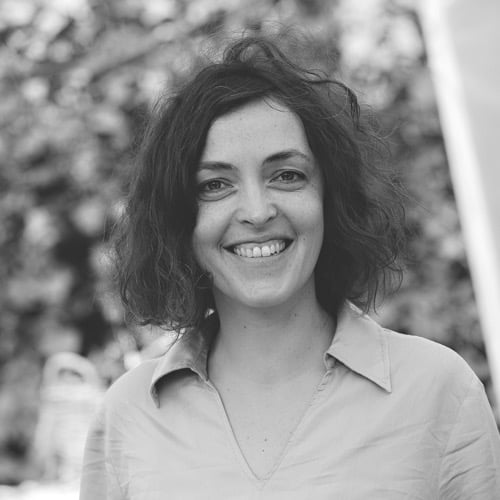
Monika Lichtinghagen-Wirths has been managing director of the Bergisch Waste Management Association for 23 years. Her goal: to shape and implement circular thinking, resource conservation, and innovation in society and the economy. Together with the Technical University of Cologne, she heads the :metabolon research community and the :bergische Rohstoffschmiede (Bergisch Raw Materials Forge), projects that stand for value creation and innovation on a supraregional level.
Eva RudolfPhoto: Marc Wessendarp

Eva Rudolf

Social designer, storyteller, creative mind at co-do! lab GmbH
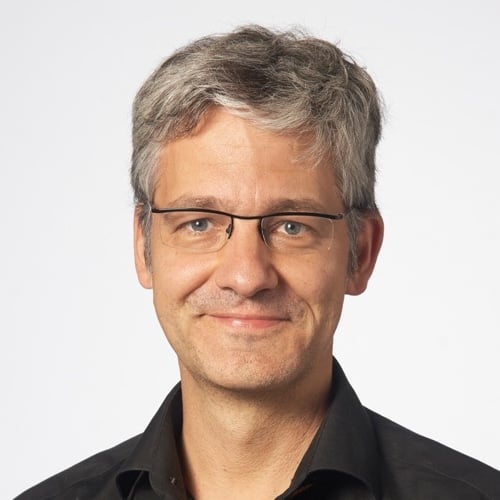
Eva is a designer with 20 years of interdisciplinary experience in culture, medicine, science and sustainability. She uses design and design-based methods (storytelling, human- and planet-centred design, etc.) as tools for change and scaling. At co-do lab, she develops experience-based, interactive learning formats to make the future tangible. Her work emphasises holistic and strategic perspectives, which she also applies as a senior designer at CSCP.
Christoph RodatzPhoto: Sigurd Steinprinz

Christoph Rodatz

Assistant Professor of Media Aesthetics and Public Interest Design, University of Wuppertal
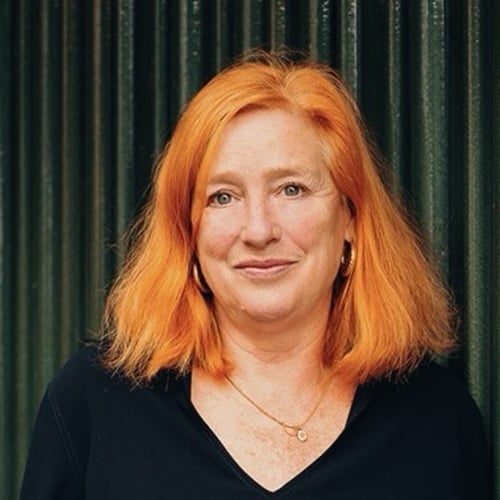
Since 2016, Christoph Rodatz has focused on public interest design—both as a practitioner and as a lecturer in the master's program of the same name. Public interest design is dedicated to the idea of actively shaping society through design, taking responsibility for the community, and strengthening interest in the common good. The focus is on the question: How can we use design to participate in the transformation of our society—and allow as many people as possible to participate in it?
Ruth GilbergerPhoto: Montag Stiftung

Ruth Gilberger

Chairwoman, Montag Stiftung Kunst und Gesellschaft
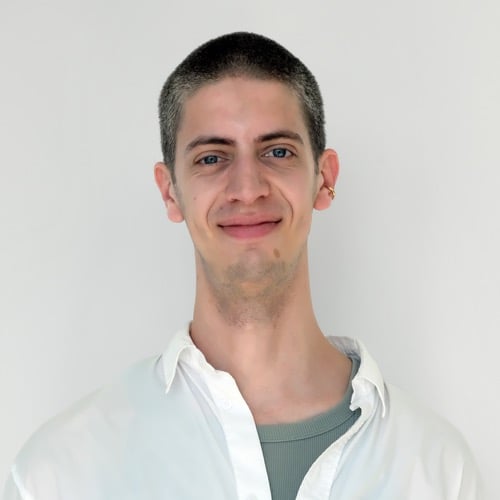
In accordance with the mission statement of the Montag Foundations group, “Acting and creating with social responsibility,” Ruth Gilberger is responsible for implementing projects that enable everyone to participate in art and culture. She is convinced that joint and collaborative artistic projects can provide impetus for the equitable development of our society. This requires interdisciplinary collaboration with partners from the fields of art, culture, design, and science.
Felix FastenrathPhoto: Florian Poulheim

Felix Fastenrath

Research assistant in the field of design theory and design research, University of Wuppertal, transform.NRW
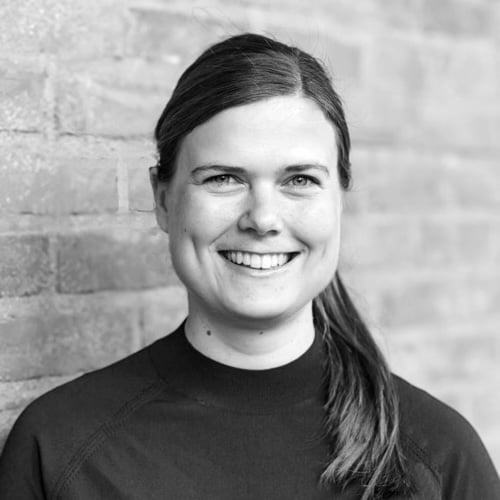
Felix Fastenrath studied design and sociology and is currently pursuing his doctorate at the Chair of Design Theory and Design Research at the University of Wuppertal on the topics of socio-ecological design, just transitions, and sustainable everyday and consumption practices. He is involved in a wide range of areas within the transform.NRW project.
Helga KühnhenrichPhoto: blende11

Helga Kühnhenrich

Head of Division, Construction Research and Innovation, Federal Institute for Research on Building, Urban Affairs and Spatial Development
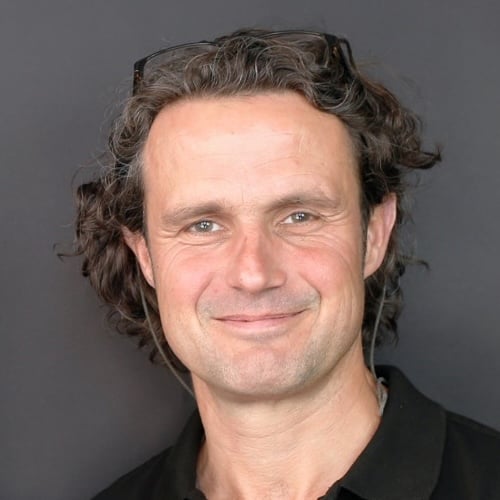
Architect Helga Kühnhenrich has headed the Research and Innovation in Construction department at the BBSR for 10 years. Together with her team, she implements the federal program Zukunft Bau (Future of Construction) and deals with fundamental issues relating to the transformation of the construction industry. She attaches great importance to promoting interaction between research, practice, and society in order to enable new alliances and spaces for experimentation in practice.
Andreas KalweitPhoto: Dr. Petra Gersch

Andreas Kalweit

Professor of Manufacturing and Materials Science, University of Wuppertal
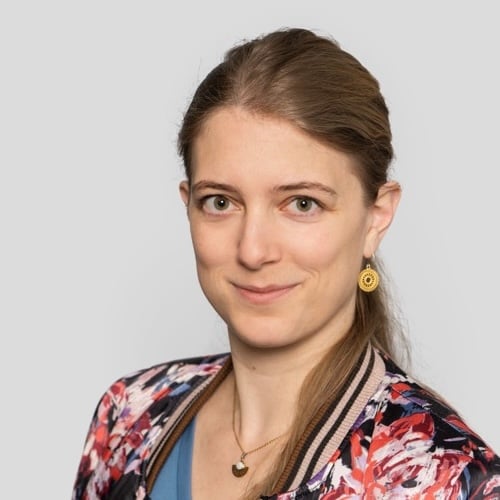
Designer, engineer, and professor Andreas Kalweit combines craftsmanship, technology, and design in his work. After completing a vocational training program, he studied mechanical engineering and industrial design and worked for many years as a design engineer, designer, and entrepreneur. As the owner of a design agency, he oversaw numerous industrial projects for international companies. He is also the owner of a long-established family-run manufacturing business and, together with his wife, initiated and oversaw the transformation and innovation processes for a sustainable and resilient corporate structure.
Kim HuberPhoto: Laura Schenk / Wuppertal Institute

Kim Huber

Researcher for sustainable production and consumption, Wuppertal Institute, transform.NRW
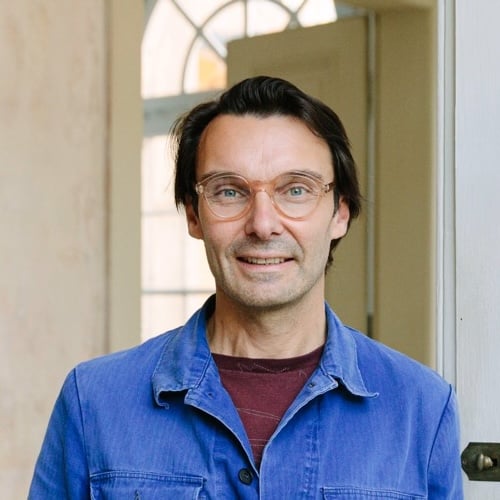
Kim Huber is a researcher at the Wuppertal Institute for Climate, Environment, and Energy in the Sustainable Production and Consumption Department in the Innovation Labs research area. Her focus is on transition design, empathy, and embodiment in the context of sustainability communication, as well as on real-world laboratory research. In the transform.NRW project, she is involved in both coordination and content across all areas.
Thomas A. GeislerPhoto: SKD / Oliver Killig

Thomas A. Geisler

Director of the Museum of Decorative Arts / Design Campus, Dresden State Art Collections
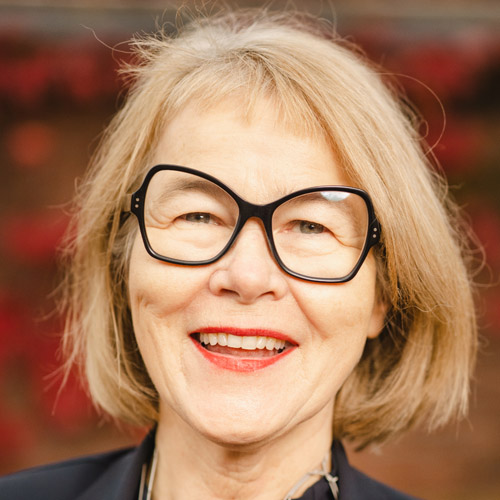
Thomas A. Geisler has been involved in teaching and research on design theory and history at institutions including the University of Applied Arts in Vienna, where he laid the foundations for the Victor J. Papanek Foundation. He is co-founder of Vienna Design Week, curated contributions to the Vienna Biennale and London Design Biennale, and was artistic director of the Ljubljana Design Biennale BIO26: Common Knowledge in 2019. After positions at the MAK Vienna and Werkraum Bregenzerwald, he took over as director of the Kunstgewerbemuseum Dresden. There, in 2020, he established the DESIGN CAMPUS as a research and development platform for the museum in Pillnitz Castle, focusing on transformative and sustainable design.
Bettina MilzPhoto: Thomas Rabsch

Bettina Milz

Director of the Pina Bausch Center under Construction
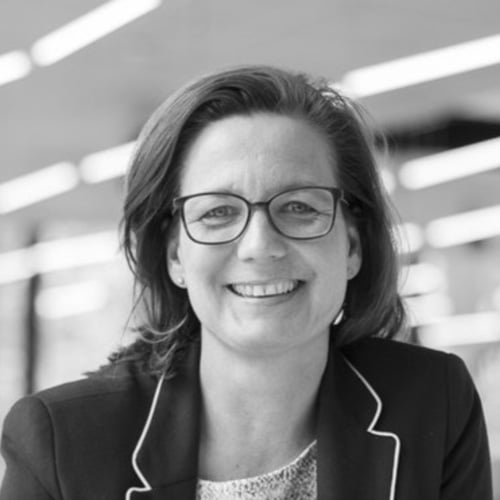
Bettina Milz studied Applied Theater Studies in Giessen and subsequently worked as a dramaturge, curator, lecturer, and author. From 1988 to 2022, she supervised numerous projects in the field of dance and theater, including the founding phase of the Institute for Theater, Film, and Media Studies at Goethe University Frankfurt, dramaturgy at Theater Erlangen, and management of the TanzRegion 97 project. She was also Managing Director of the Young Opera at the Stuttgart State Opera. Before her current position as Director of the emerging Pina Bausch Center in Wuppertal, she headed the Department of Theater and Dance at the Ministry of Culture and Science of the State of North Rhine-Westphalia.
Angela KesselringPhoto: Michaela Garito

Angela Kesselring

Co-Founder & Managing Director, FUTURES BEING MADE GmbH
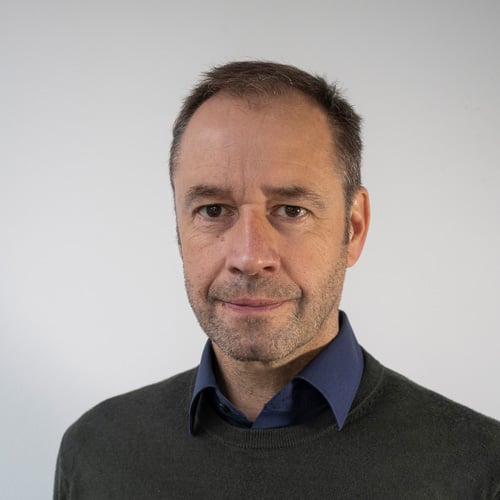
Angela Kesselring is co-founder and managing director of FUTURES BEING MADE. Her focus is on strategic stakeholder communication and social impact strategies for companies, cities, and institutions. In her work, she brings together science, politics, and civil society to jointly develop effective responses to the climate and transformation issues of our time.
Lars-Christian UhligPhoto: Lars-Christian Uhlig

Lars-Christian Uhlig

Head of Division IP 7 – Project Development and Management Urban Programmes, Federal Institute for Research on Building, Urban Affairs and Spatial Development
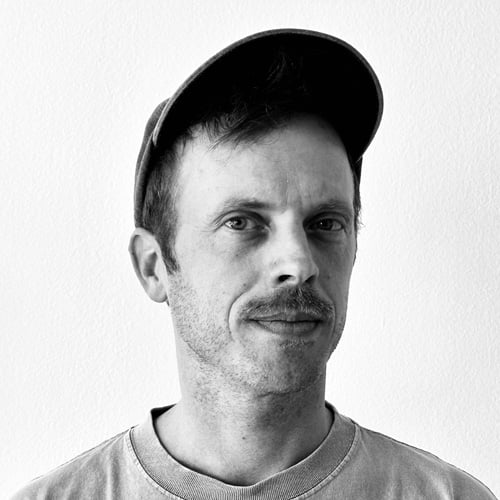
Lars-Christian Uhlig, a trained architect, heads the Federal Competence Center for International Building Exhibitions and is responsible for urban development funding programs that are characterized by their exemplary nature, special significance, and high quality standards. In addition to financial support, the center also provides expert advice and assistance from a competent and motivated team to stimulate innovation in local communities and urban development practices in Germany.
Moritz AhlertPhoto: Moritz Ahlert

Moritz Ahlert

Postdoctoral Researcher, Institute of Architecture, TU Berlin & Kiosk of Solidarity
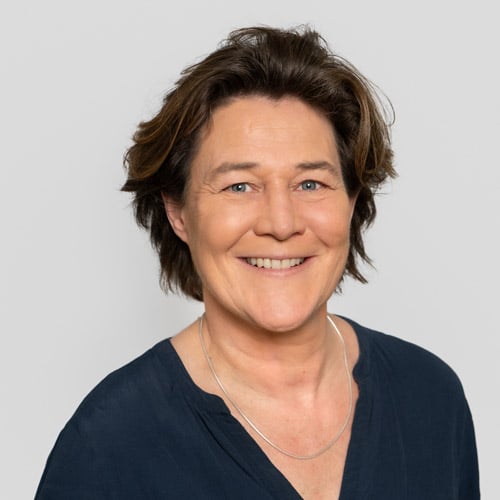
Dr. Moritz Ahlert is an architect and researcher at the Institute of Architecture at TU Berlin. His research combines urban development, mapping, and urban interventions as tools for co-creative design. In the Transforming Solidarities project, he initiated the Kiosk of Solidarity with ConstructLab and curated Spaces of Solidarity (DAZ) – as contributions to a socially and ecologically transformative urban practice.
Carolin BaedekerPhoto: Wuppertal Institute / Laura Schenk

Carolin Baedeker

Deputy Head of Department and Co-Head of the Innovation Laboratories Research Unit at the Wuppertal Institute and Project Lead at transform.NRW
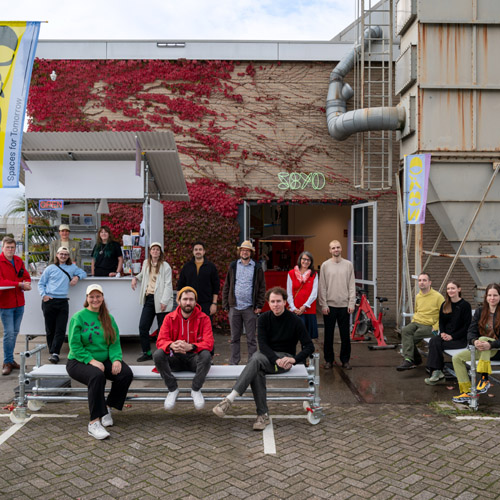
Dr. Carolin Baedeker studied geography at the University of Cologne. From 1998 to 2000, she worked as a freelancer at the Wuppertal Institute for Climate, Environment and Energy GmbH and has been a research associate there since 2000. In 2006, Dr. Baedeker became Deputy Head of the Sustainable Production and Consumption Department at the Wuppertal Institute. Since 2019, she has been Co-Head of the Innovation Labs research area. Her work focuses on real-world laboratory research, user-integrated sustainability innovations (living labs), socio-ecological transformation, product-service development, the sharing economy, cooperation and networks, education for sustainability, transformative learning, climate change and health, and the interconnection between art, culture, and sustainability.
Sustainability by DesignPhoto: Marius Land

Sustainability by Design

Folkwang University of the Arts, funding project: Sustainability by Design (SBYD)
SBYD researches climate-neutral and resource-efficient ways of living and producing, and transfers knowledge from sustainability research into society and the economy through design. The ability of design to make theories and abstract concepts tangible—and to transfer them into everyday life—is used to explore, discuss, and test these theories and ideas in practice. SBYD involves various target groups and cooperation partners in a range of formats, including workshops, international symposia, exhibitions, an “Artist/Designer in Residence” program, and support for entrepreneurial projects.
Reckless SleepersPhoto: Maya Nydal Eriksen

Reckless Sleepers

Performance collective (Choreographer: Leen Dewilde, Dancers: Annika Kompart, Fiammetta Ruggiero, Barbara Kaufmann, Alexa Moya Panksep, Leen Dewilde)
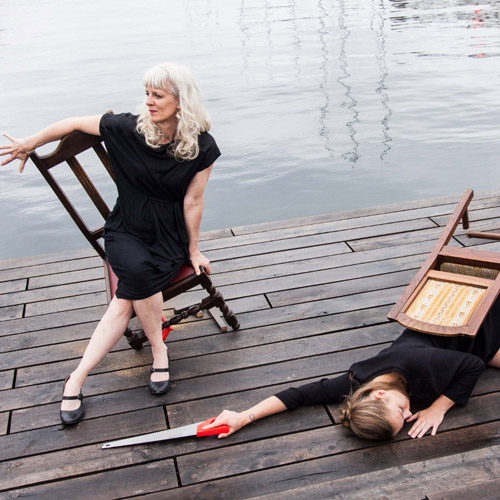
Reckless Sleepers, UK/Belgium fuses theatre, dance, and visual art into bold, concept-driven performances. Their 14 European artists craft playful yet profound works, using objects, structures, and architectural scenography. Prioritising residencies over touring, adapting pieces like A String Section, into larger-scale performances with local dancers, which they will perform this time at the Bundeskunsthalle.
Bernd DraserPhoto: ecosign / Charlotte Wulff

Bernd Draser

Program director and Senior Consultant Sustainability at ecosign Institute for Sustainable Future
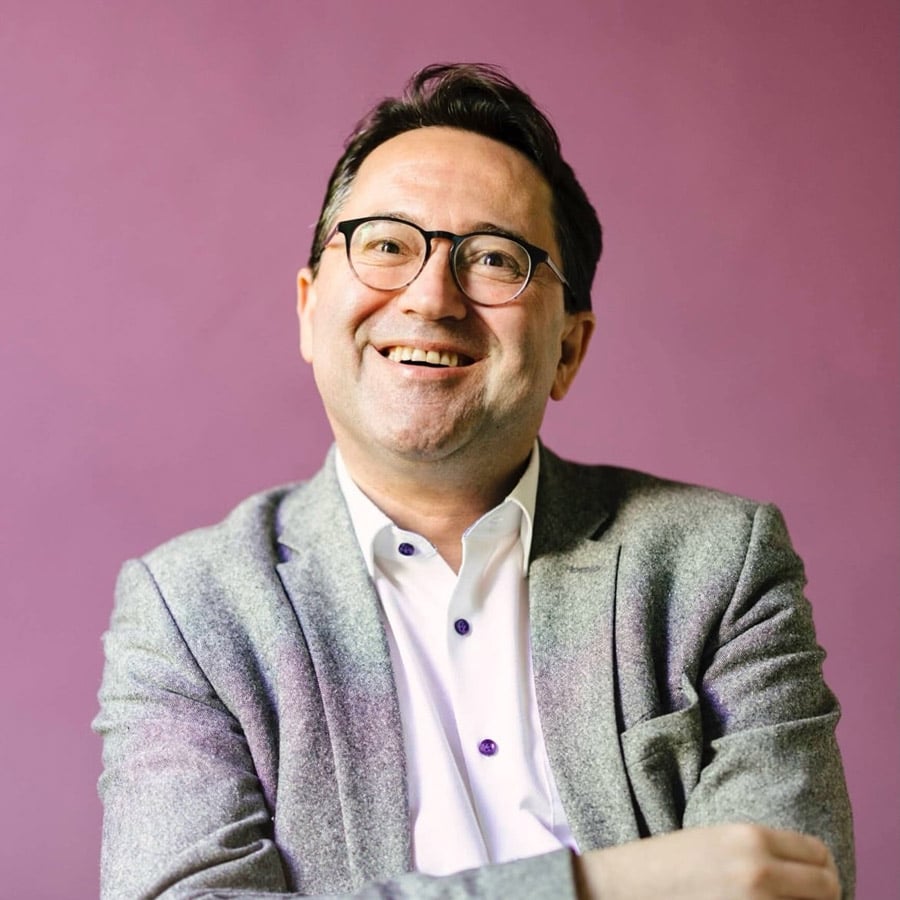
Cultural scientist Bernd Draser has been teaching at ecosign in Cologne since 2004. As a senior consultant, he supports organizations in implementing their sustainability strategies. As a university lecturer, he heads the “Sustainable Design” and “Sustainable Design Management” degree programs (B.A. and M.A.). He has given numerous lectures and published extensively on the subject. In 2022, his book “Sustainable Design: Origins, Future, Perspectives” (together with Elmar Sander) was published.
Bettina PaustPhoto: Kulturbüro Wuppertal

Bettina Paust

Head of the Cultural Office of the city of Wuppertal, art historian, and cultural manager
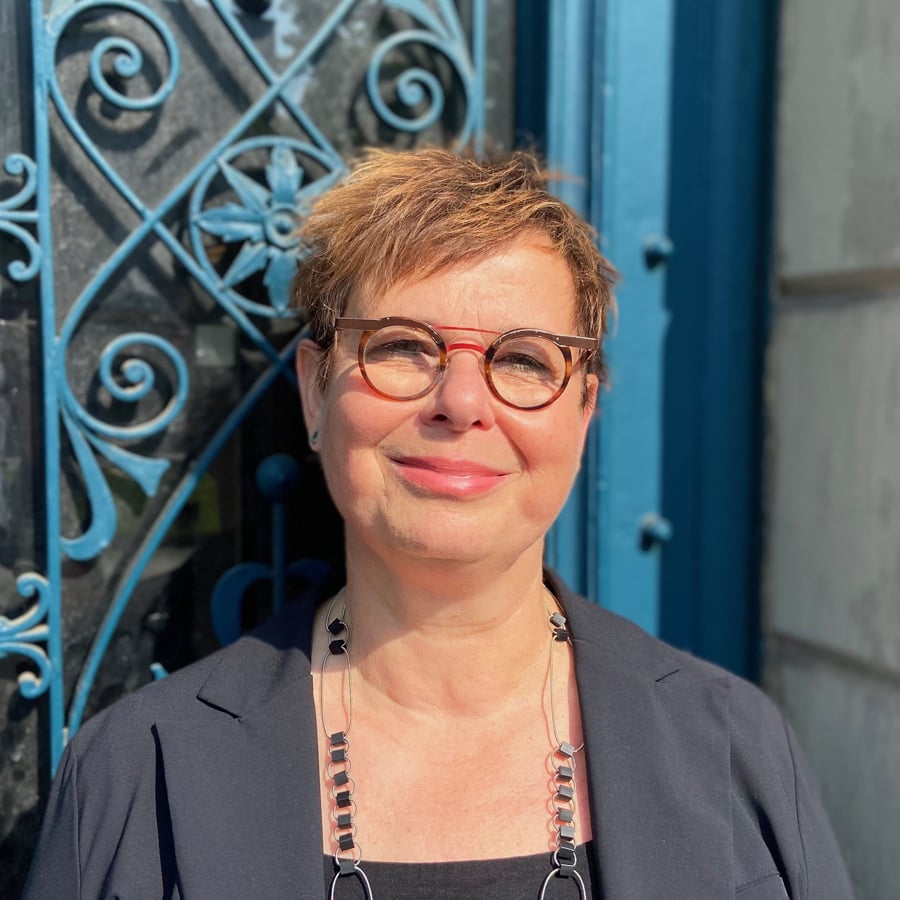
As a former museum director and art historian, Dr. Bettina Paust's work focuses on exhibitions and publications on artistic positions that deal with sustainability issues, especially in the performing arts. Her work currently focuses on working and networking strategies between administration, politics, and artists for the implementation and feasibility of sustainability goals, especially in the independent scene.
Dunja KarabaicPhoto: Simon-Veith

Dunja Karabaic

Member of the executive board of ökoRAUSCH Think Tank e.V.
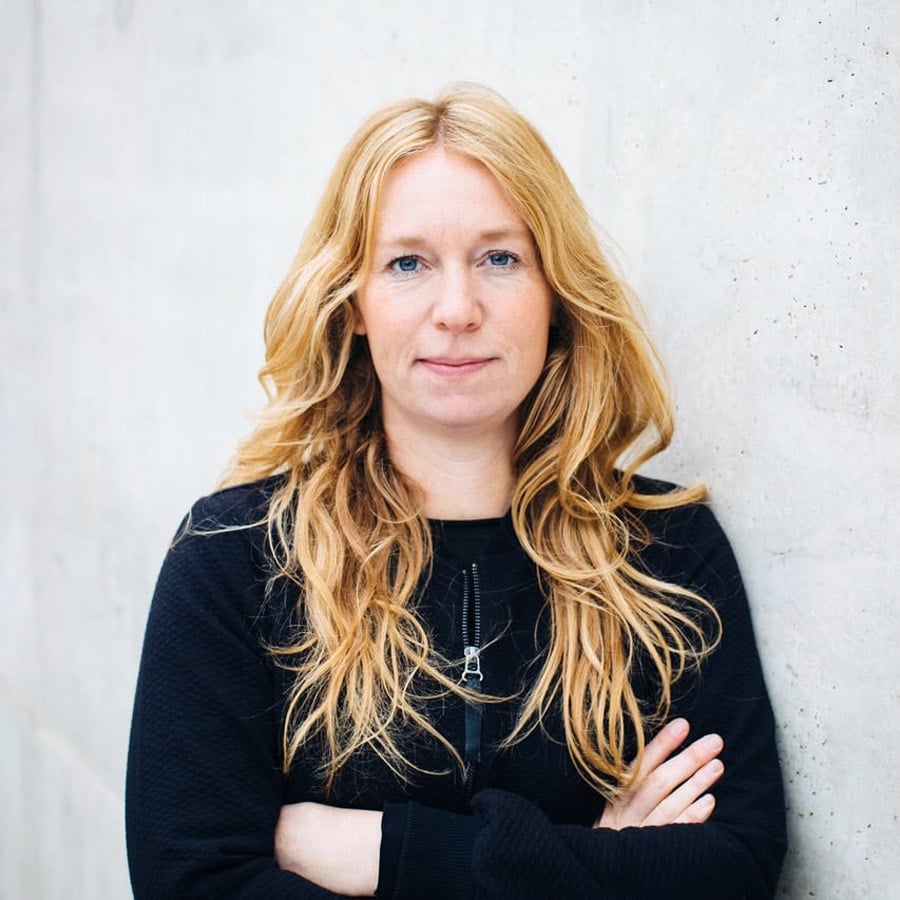
Since the founding of the ökoRAUSCH Festival for Design & Sustainability in 2008, Dunja has been one of the First Movers in the sustainability scene. As a graduate of the Hamburg University of Fine Arts, she develops projects and formats as a project designer and cultural manager that always focus on the creative side of sustainability. Dunja is also active as a curator, speaker, and presenter, true to the motto “Doing is like wanting, only more extreme.”
Ines RainerPhoto: BoziicaBabic

Ines Rainer

Project manager at creative.nrw
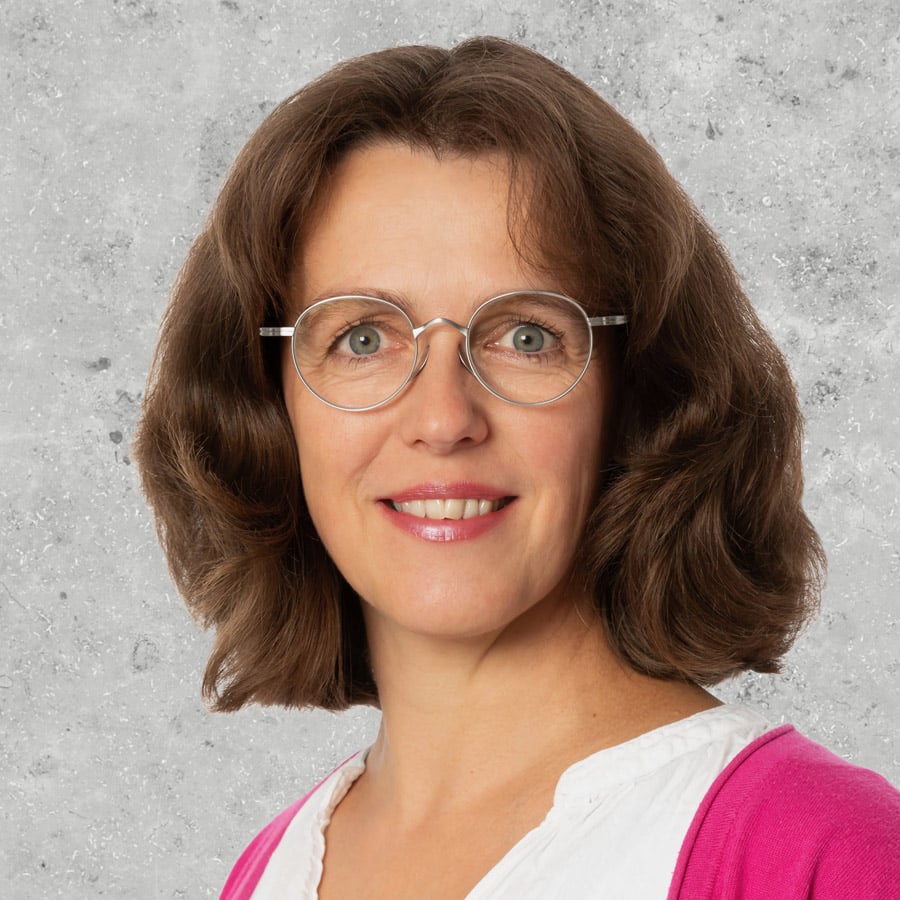
Ines Rainer worked for several years as an editor at a television production company and has produced various formats for WDR. In 2012, she co-founded the non-profit Foodsharing, where she was active on the board until she co-initiated the start-up The Good Food in 2014. She has been supporting the creative.nrw team since 2017 and has been project manager since August 2022. Her work focuses on strengthening and networking players in the creative industries in NRW, thereby unlocking cross-sector potential for sustainable transformation.
Geske HoutrouwPhoto: HWK Düsseldorf

Geske Houtrouw

Consultant for Transformation and Sustainability at the Düsseldorf Chamber of Crafts
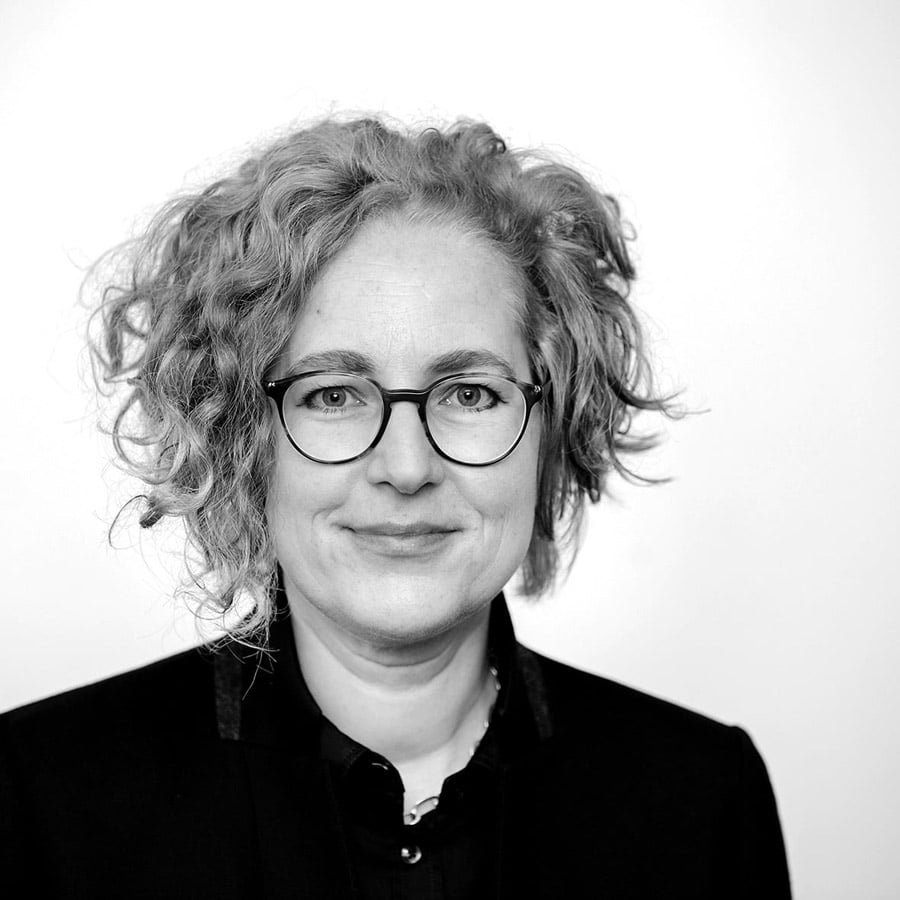
Building on her expertise in architecture, communication, and sustainability management, she raises awareness of sustainability in the skilled trades and establishes networks to put transformation into practice. With their creative and technical expertise, skilled trades make an important contribution to living and experiencing sustainability in everyday life—both in the circular economy and in the practical and creative development of new solutions.
Erica von MoellerPhoto: Sebastian Jarych

Erica von Moeller

Professor of Audiovisual Media Design at the University of Wuppertal, director, author, and project lead at transform.NRW
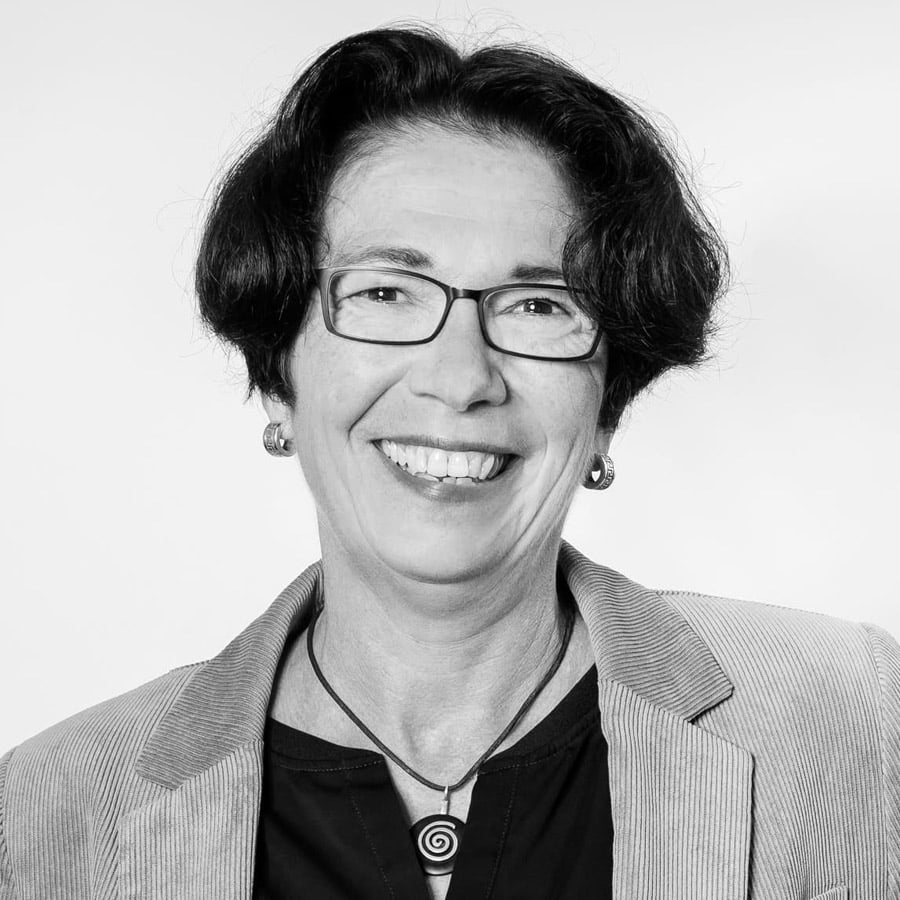
Director, author, and professor Erica von Moeller studied both fine arts and film. Since 2001, she has been making films in various genres, such as the feature film “Leben mit Hannah” (Living with Hannah, 2006), the feature film “Fräulein Stinnes fährt um die Welt” (Miss Stinnes Travels Around the World, 2009), the historical television film “Sternstunde ihres Lebens” (The Moment of Their Lives, 2014), and the transmedia narrative “2052 – Geschichten von Morgen” (2020–25). As a media artist, she develops exhibition projects at the intersection of moving images, space, and sound. Since the summer of 2011, she has been teaching at the University of Wuppertal as a professor of audiovisual media.
Christa LiedtkePhoto: Wuppertal Institut / W. Sondermann

Christa Liedtke

Head of the Sustainable Production and Consumption Department at the Wuppertal Institute, adjunct professor of Sustainability in Design at the University of Wuppertal, and project lead at transform.NRW
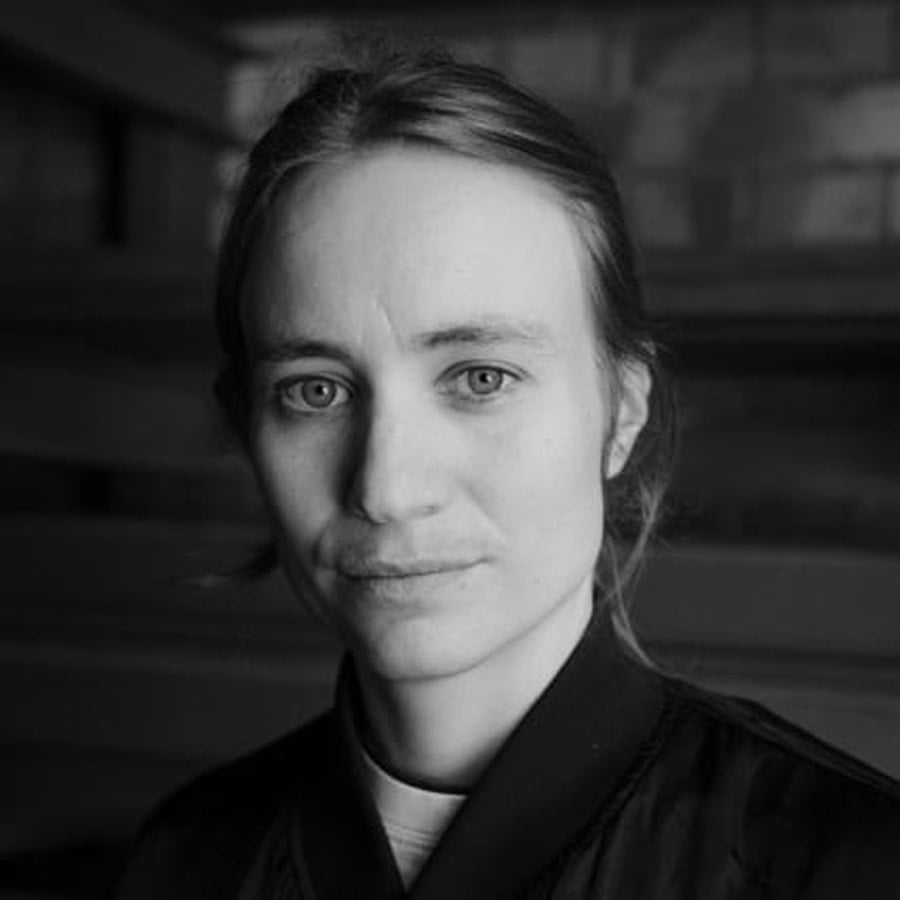
Prof. Dr. Christa Liedtke is head of the Sustainable Production and Consumption Department at the Wuppertal Institute. Since 2022, she has been an adjunct professor for sustainability in design in the department of Industrial Design at the University of Wuppertal. Her work focuses on research strategies in the field of sustainable production and consumption, evaluation of resource efficiency and sustainability of and in value chains, user-integrated product-service development, and sustainable and circular design.
Malene SaalmannPhoto: Fiona Körner

Malene Saalmann

Research assistant at the Department of Sustainable Product Design and Development at Kassel Art Academy
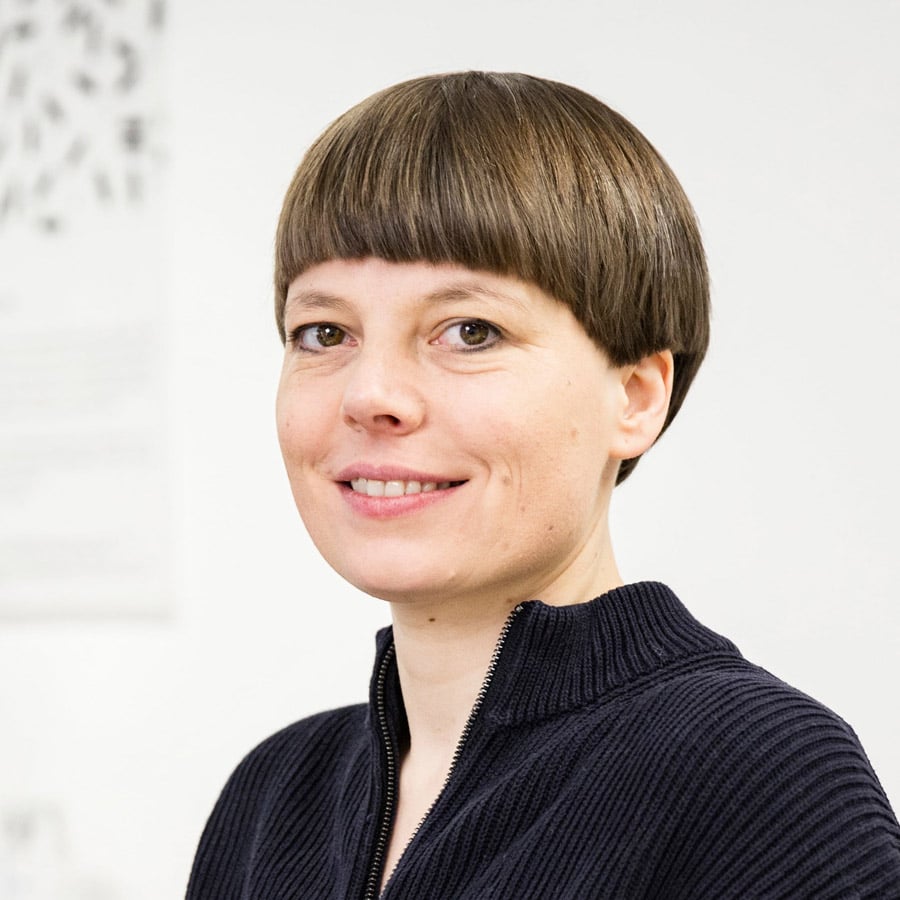
Malene Saalmann works at the Laboratory for Sustainability Issues at the University of Kassel (SDG+ Lab) on the topic of transformations in work and business. In addition, she has been pursuing a doctorate since April 2025 on the topic of strategic design methods and sustainable consumption practices in the field. As a system designer by training, she uses product development to explore the relationship between people and objects with a focus on consumer behavior and the design process.
Mareike GastPhoto: Matthias Ritzmann

Mareike Gast

Professor of Industrial Design with a focus on Materials, Technology, Sustainability at the Burg Giebichenstein University of Art and Design
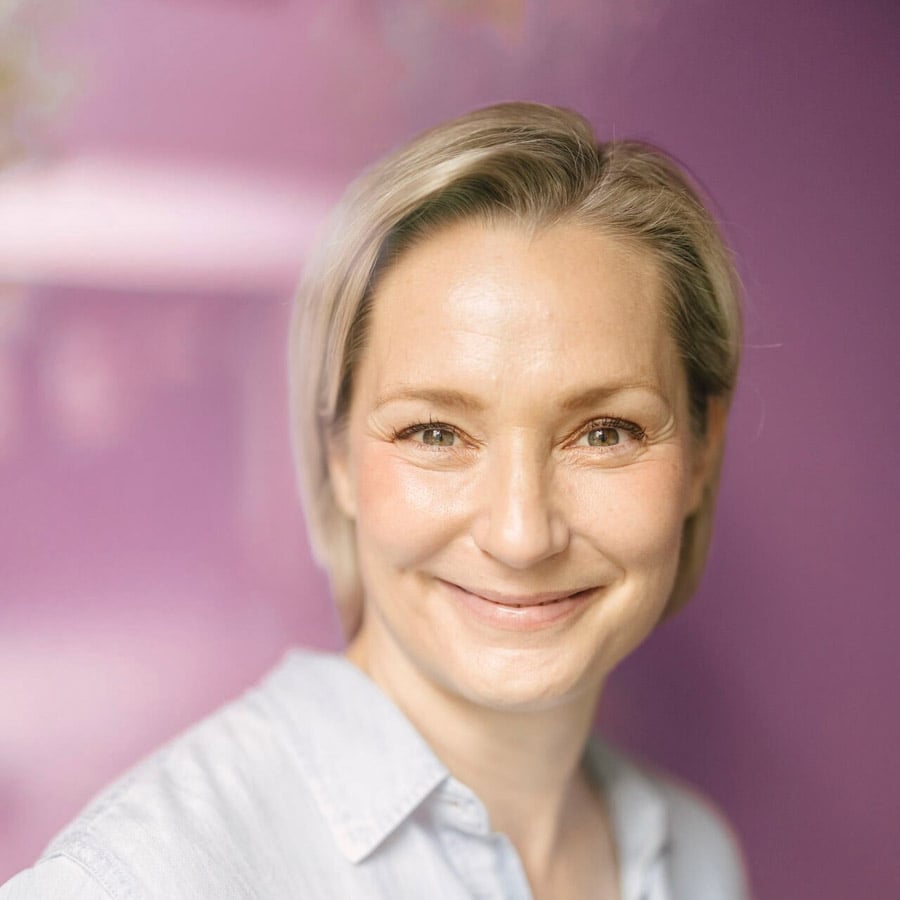
Mareike Gast has been Professor of Industrial Design with a focus on materials, technology, and sustainability at Burg Giebichenstein University of Art and Design Halle since 2016. Her teaching and research focus on the development of (more sustainable) material interactions and transformation processes, as well as on exploring the potential and risks of biotechnology. She is project manager of BurgLabs, a platform for creative and interdisciplinary research in the fields of sustainability, biotechnology, and robotics.
Janine SteegerPhoto: ecosign / Charlotte Wulff

Janine Steeger

Director ecosign Academy for Sustainable Design
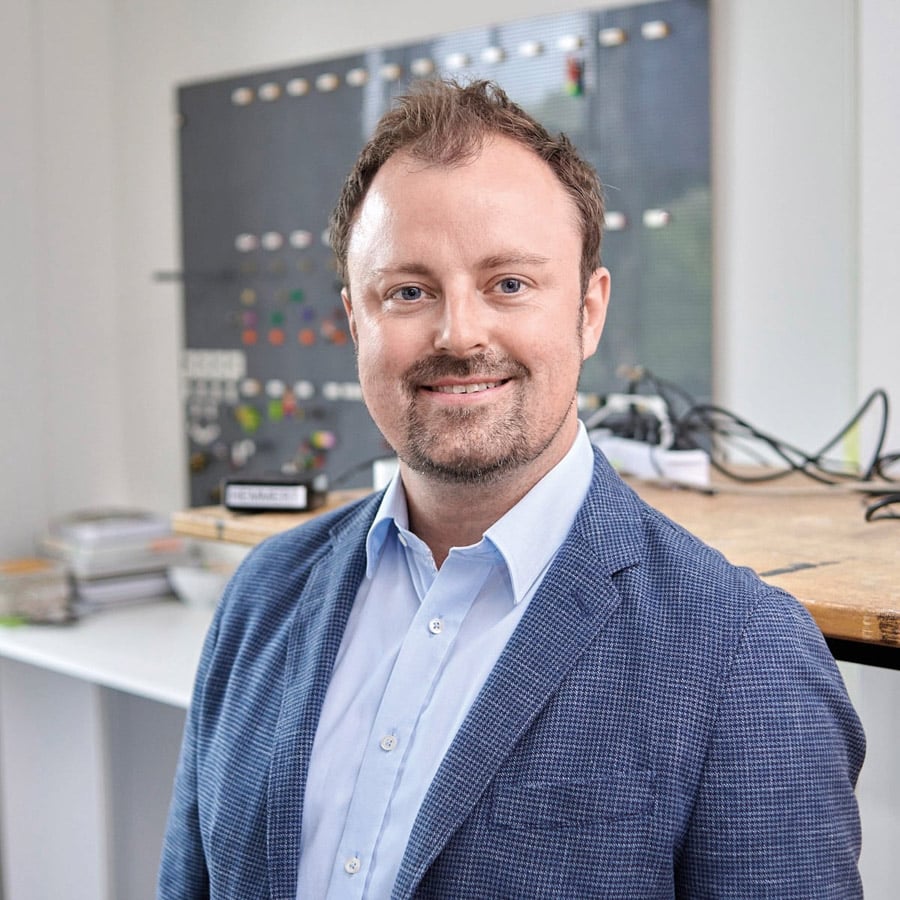
Janine Steeger is a journalist with 20 years of television experience in front of and behind the camera. Since 2015, she has specialized as a presenter and speaker on all topics related to sustainability. As the new director of ecosign, she has made it her mission to raise awareness of the academy for sustainable design. Janine is an initiator, co-founder, advisory board member, and author. In all of her work she is driven by the question of how we can enable as many people as possible around the world to live a good life.
Fabian HemmertPhoto: Uwe Schinkel

Fabian Hemmert

Professor of Interface and User Experience Design, Dean of the School of Art and Design at the University of Wuppertal
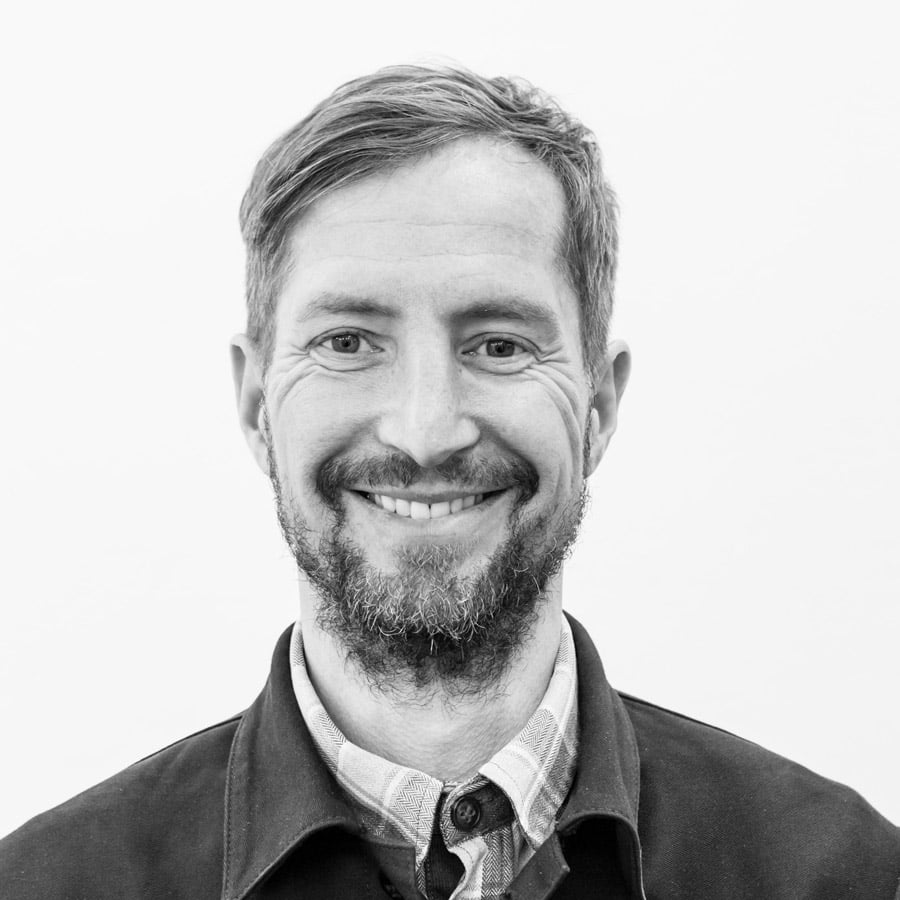
Design, art, and culture can be understood as the opposite of anesthesia: while anesthesia numbs the senses, design opens them up. It helps us to feel things that we could not feel before—be it the drama of climate change, the fragility of ecosystems or opportunities for solidarity. Art can irritate, move, and open up new perspectives. Culture creates the space for resonance in which these experiences are shared and interpreted.
Tilo SchulzPhoto: Tilo Schulz / Maximilian Geuter

Tilo Schulz

Artist, author, curator

Tilo Schulz has been represented in national and international exhibitions since the 1990s. Since 2021, Schulz has been accompanying Pradtke GmbH in Bochum in its transformation process, overseeing the renovation of the workspaces and providing essential impetus for a new corporate culture. Since 2022, Tilo Schulz has been part of Werkstatt Morsbroich in Leverkusen, which aims to rethink the museum and baroque ensemble from an artistic perspective and to establish it sustainably in the urban community.

Program

Thursday, November 13, 2025

When?What?Who, how & with whom?Room
12:00 – 13:00ARRIVALCheck in at the deskFoyer
13:00 – 13:15WELCOMEWelcome address by Eva Kraus, Director of Bundeskunsthalle, and the transform.NRW teamForum
13:15 – 13:35LECTURE: Prosperity in Times of TransitionIntroduction by Christa Liedtke (Wuppertal Institute)Forum
13:35 – 14:00INTRODUCTION: transform.NRW – Shaping Sustainability through Art, Culture and DesignNetwork and platform release with Martina Fineder (BUW), Carolin Baedeker (WI), Andreas Pawlik and Bernhard Poppe (dform, Vienna)Forum
14:00 – 15:00AGORA Part I: Daring Transformative RelationsKeynotes by Jacob Bilabel, Bianca Herlo, Daniela Jacob, Xiaomeng Shen, Nicole Zabel-Wasmuth, Lars JessenForum
15:00 – 16:30AGORA Part II: Salons

Salon 1: Societal and Cultural Relations

Salon 2: Human–Environment Relations

Salon 3: Economic and Institutional Relations
Open discussion forums with keynote speakers, actors from art, culture, design and sustainability sciences, and symposium participantsSalon 1: conference room

Salon 2: forum

Salon 3: lounge
16:30 – 17:00Coffee, Meet & GreetCanteen & staircase hall
17:00 – 17:30AGORA Part III: Results and OutlookModerated by Bernd Draser and Janine Steeger (ecosign)Forum
17:30 – 18:30ARENA for Good PracticesShort presentations from the transform.NRW network, curated with Ines Rainer (creative.nrw) Forum

18:30 – 19:30FILM LECTURE: Designing with the EarthFilmmakers and designers Metahaven on questions of geo-design (Amsterdam and Design Academy Eindhoven)Forum
19:30 – 20:30DANCE PERFORMANCEReckless Sleepers, curated with Bettina Milz (Pina Bausch Center)Foyer
20:15 – 21:00Dinner & NetworkingRestaurant
ab 21:00Interactive NETWORKING EVENTwith DJ Gîn Bali member of YAYA – crew, community, association for more inclusive cultural spacesRestaurant
ganztägigtransform.NRW PLATFORMUser test station by dform, ViennaFoyer
ganztägigINTERVIEW BOXtransform.NRW film team interviews symposium participantsSalon

Friday, November 14, 2025

When?What?Who, how & with whom?Room
09:30 – 10:00ARRIVALCheck in at the deskFoyer
10:00 – 10:15WELCOMEWelcome by the transform.NRW teamForum
10:15 – 10:30IMPULSE: On the Role of Art, Culture and Design for the Sustainability TransformationInput by Manfred Fischedick, President of the Wuppertal InstituteForum
10:30 – 11:00FILM PRESENTATION Good PracticesWith director Erica von Moeller (University of Wuppertal)Forum
11:00 – 12:00LABS & PANELSPanel: Narratives and Stories of Success – Imaginative and narrative practices for change

Lab: How to transform – Methods, tools and literacy for socio-ecological transformation
Panel: forum

Lab: lounge
11:00 – 12:00EXHIBITION TOURSCurator-led tours through the current exhibitions at the Bundeskunsthalle WEtransFORM – The Future of Building and Expedition Ocean.Foyer
12:00 – 13:00Lunch & NetworkingCanteen & restaurant
13:00 – 14:00ARENA for Good PracticesShort presentations from the transform.NRW network, curated with Ines Rainer (creative.nrw) Forum
14:00 – 15:00LABS & PANELS3. Networks of Transformation – Allies, collectives, accomplices

Labs and Workshops of Transformation – Formats for collaborative research, learning and experimentation
Lab: lounge

Panel: forum
14:00 – 15:00EXHIBITION TOURSCurator-led tours through the current exhibitions at the Bundeskunsthalle WEtransFORM – The Future of Building and Expedition Ocean.Foyer
15:00 – 15:15Coffee, Meet & GreetCanteen & staircase hall
15:15 – 16:15LABS & PANELS5. Places of Transformation
Museums, theaters, kiosks and other cultural venues

6. Demanding, Promoting, Changing
Funding instruments and policies for art, culture, design and sustainability

Panel: lounge

Panel: conference room
16:15 – 16:45DANCE PERFORMANCE: Tree TreeKenji Shinohe, curated with Bettina Milz (Pina Bausch Center)Forum
16:45 – 17:00CLOSING & OUTLOOKFarewell by the transform.NRW teamForum
laufendEXHIBITION TOURSDialogical and guided visits to current exhibitions at Bundeskunsthalle: WEtransFORM and Expedition World OceansFoyer

About the Program:

Thursday, 13.11.25

Agora

The Agora is one of the core program elements of the transform.NRW symposium. On the first day, participants come together to explore — from their respective perspectives and disciplines — which new relations a sustainable transition requires at a societal level: socially, culturally, ecologically, and economically.

Following the sequence How it is — How it should be — What we must dare, we will take up questions posed by the status quo, sketch desirable futures and target images, and discuss concrete strategies and steps to achieve them. The breadth and complexity of these questions will first be opened up in five impulses from different disciplines in the plenary before being deepened in three salons along the following focal points.

Moderation: Bernd Draser and Janine Steeger (both ecosign)

Salon 1: Daring new socio‑cultural relations

This salon places the shaping of our society at the center. Together with representatives from art, design, and academia, we ask how guiding principles and attitudes for a transformation towards sustainability can emerge in ways that are societally relevant and broadly accepted. We discuss which conceptions and ideals underlie our designs — and how these align with actual developments.

Speaking about socio‑cultural relations always addresses our social coexistence. Central is the question of how we can and want to shape our living together. Beyond the material‑structural, how can we also co‑shape social conditions and relationships? How do we shape socio‑political relations so that socio‑ecological developments truly have impact — enabling more participation, justice, and appreciation?

Equally central are the stories we share: Which collective narratives, images, and objects shape our understanding of change? Do they open unifying visions of the future — or prove to be divisive and exclusive? Do they lead us towards a shared sustainability literacy?

From these considerations follows nothing less than the need to keep our understanding of democracy in negotiation — which can only succeed alongside the design of diverse democratic innovations, from symbolic to infrastructural.

Discussants include: Bianca Herlo (Lucerne University of Applied Sciences and Arts and DGTF), Lars Jessen (Planet Narratives), Havin al‑Sindy (artist and HBK Braunschweig), Bettina Milz (Pina Bausch Center), Moritz Ahlert (Kiosk of Solidarity), Ruth Gilberger (Montag Foundation for Art and Society), Ingrid Misterek‑Plagge (Kulturraum Niederrhein), Franziska Stelzer (Wuppertal Institute), Thomas Geisler (Museum of Applied Arts, Staatliche Kunstsammlungen Dresden)

Moderation: Christoph Rodatz and Martina Fineder (both BUW)

Salon 2: Daring new human‑environment relations

This salon reflects on the position of humans in relation to nature. What meanings do we attribute to nature — and to ourselves? Is nature capital that can be substituted by other forms of capital? Or is it non‑negotiable, beyond economic or cultural calculus?

Do we understand ourselves as part of nature, as its designers, or as its conquerors? As affected by natural events, or as their causes?

What do we actually mean when we say “nature” — a divine order, a mere resource, or an active system that interacts with humans? Between these notions, diverse hybrid concepts arise without clear boundaries, in which life, legal, and economic worlds also materialize under the influence of power and majority structures.

The central question is: Do changing conceptions of nature — in interplay with ethics, culture, design, and economy — open up new pathways for sustainability transformations between planetary boundaries and human well‑being?

Discussants include: Daniela Jacob (GERICS), Xiaomeng Shen (United Nations University), Julia Lohmann (Aalto University), Emily Volk (Healthy Planet — Healthy People), Katharina Maderthaner (artist and BUW), Mareike Gast (Burg Giebichenstein University of Art and Design Halle), Manuel Bickel (Wuppertal Institute)

Moderation: Carolin Baedeker (WI) and Uta Atzpodien (independent dramaturg, Wuppertal)

Salon 3: Daring new economic and institutional relations

This salon focuses on the shaping of economic and institutional orders. The term “Capitalocene” makes it clear that economic logics — from growth and efficiency to competition and capital flows — have become shaping forces of our present. They shape not only markets, but also everyday practices, consumption patterns, and cultural role models of success — fundamentally shaping how we understand prosperity, progress, and quality of life.

Precisely because these logics are deeply inscribed in societal structures, the question arises how they can be transformed. How can economic relations be designed so that they no longer rely on wear‑and‑tear and exploitation, but on care, cooperation, and long‑term value preservation? Which institutional innovations are needed to reimagine the economy as a designable, culturally embedded system — one that recognizes ecological limits and strengthens social justice?

Such changes do not arise from a single strategy but from the interplay of different approaches. Some experiment within existing markets and corporate forms to rebalance resource use and value creation; others design alternative models beyond classic market logics. Crucial is that these experiments are publicly negotiated: Which practices show transformative impact? Which narratives, images, and design forms can make economic innovation visible as a cultural movement — and become new institutional frameworks in which sustainable economic activity becomes self‑evident?

Discussants include: Nicole Zabel‑Wasmuth (Planet Narratives), Jacob Sylvester Bilabel (Green Culture Contact Point), Ines Rainer (creative.nrw), Anke Bernotat (Folkwang University of the Arts), Jola Welfens (economist and transformation researcher), Christiane Bucher (Academy of Crafts Schloss Raesfeld), Barbara Hemkes (Federal Institute for Vocational Education and Training), Stephan Rammler (futures and transformation researcher)

Moderation: Christa Liedtke (WI) and Sven Sappelt (Bundeskunsthalle)

Arena for Good Examples

Short pitches present projects that offer their answers to the question of how life within planetary boundaries can be shaped. With the kind support of NRW.Bank, one example chosen by the audience will be awarded prize money. In cooperation with creative.nrw.

Film lecture: Designing with the Earth

The Amsterdam design collective Metahaven explores the intersections between people, design, and our planet through a combination of film, design, and artistic research. In a film lecture developed specifically for the symposium, they reflect on questions of geo‑design.

Dance performance: A String Section

The British‑Belgian collective combines theater, dance, and visual art into conceptual, playful performances. For the symposium, they adapt A String Section — a piece that explores cycles and interactions between bodies, material, utility, and harm — with local dancers at the Bundeskunsthalle. Curated with Bettina Milz (Pina Bausch Center).

Interactive networking event

Crew, community, association — YAYA advocates for more inclusive cultural spaces, especially for FLINTA and BIPOC persons. They organize concerts, workshops, panels, and safer spaces for exchange, visibility, and empowerment — and Gîn Bali, a member of the crew, will shape the setting for Thursday evening.

Friday, 14.11.25

Panel: Narratives and stories of success

How do we tell change? This panel focuses on imaginative and narrative practices that make socio‑ecological transformation sensually tangible and imaginable. Experts from film, art, design, and academia discuss narrative forms with which culturally sensitive futures can be designed. We will also ask about the interplay between specific media conditions and the design impact of narratives between utopia and dystopia. Visual inputs on cinematic storytelling and other artistic‑design narrative formats combine theoretical reflection with practical examples — opening a shared space for discussion.

Participants: Matei Chihaia (BUW), Fabian Hemmert (BUW), Lars Jessen (Planet Narratives), Bettina Milz (Pina Bausch Center), Henriette Pleiger (Bundeskunsthalle), Nicole Zabel‑Wasmuth (Planet Narratives)

Moderation: Dunja Karabaic (ökoRAUSCH) and Erica von Moeller (BUW)

Lab: How to transform … the economy

In an open world‑café format, eight examples from business and industry invite participants to explore how artistic‑design approaches can practically advance sustainability strategies and how their impulses can be translated into broader economic and societal contexts. Co‑developing this how is part of the symposium’s overarching goal: building a collective sustainability literacy.

Discussion with: Angela Kesselring (Futures Being Made), Carsten Baumgarth (Berlin School of Economics and Law), Christa Liedtke (Wuppertal Institute)

With examples from: Max Godelmann (Godelmann GmbH & Co. KG), Verena Hermelingmeier and Bianca Orboi (Maarwerk project and Alanus University), Andreas Kalweit (Niederrheinische Formenfabrik Janssen GmbH), Helga Kühnhenrich (Zukunft Bau, BBSR), Monika Lichtinghagen‑Wirths (:metabolon, Bergischer Abfallwirtschaftsverband), Malene Saalmann (Kunsthochschule Kassel), Tilo Schulz and Pradtke GmbH, Jochen Stiebel (Neue Effizienz gGmbH)

Lab: Networks, accomplices, and other allies

How do art, culture, design, academia, politics, and business connect to form networks that enable and support sustainable societal developments? In the open format of a marketplace of opportunities, representatives of different networks meet — from municipal to nationwide levels. Change is not understood as a linear process, but as the result of diverse relations. Questions of responsibility and commitment, complicity and competition, autocracy and democracy arise. Which “network forms” are sustainable in the long term? Where are opportunities and challenges? With these questions, participants seek resilient structures for future alliances.

Participants: Jacob Sylvester Bilabel (Green Culture Contact Point), Christina Dath (NRW KULTURsekretariat), Nina Hensel (Performing for Future), Bianca Herlo (DGTF), Geske Houtrouw (Chamber of Crafts Düsseldorf), Kim Huber (transform.NRW), Hanna Imorde (Green Culture Collective Cologne), Selina Kahle (2N2K), Margarethe Kreuser (2N2K), Franziska Hartmann (#Weaving for Tomorrow), Harriet Oelers (Green Culture Dortmund), Ines Rainer (creative.nrw), Eva Rudolf (co‑do! lab), Vera Schöpfer (NRW KULTURsekretariat), Miriam Szwast (Green Culture Collective Cologne)

Moderation: Carolin Baedeker (Wuppertal Institute) and Uta Atzpodien (independent dramaturg)

Panel: Laboratories and workshops of transformation

This panel offers insights into cross‑disciplinary laboratories and workshops at the intersection of design, art, academia, and society. It presents materials and technology labs, real‑world labs, and SDG labs that open up new, experimental forms of learning, researching, and designing. They share the goal of testing pathways to sustainable transformation with society. Which impulses or benchmarks for ways of living, consumption and production cultures, or mobility emerge in these labs that would (still) not be possible outside of them? How can their insights reach the wider world — and which new relations must be dared so that they can unfold their impact there?

With presentations by: Mareike Gast (Burg Giebichenstein University of Art and Design Halle), Daniel Lang (Karlsruhe Institute of Technology), Malene Saalmann (Kunsthochschule Kassel), Judith Schanz and Daniel Wilkens for Sustainability by Design (Folkwang University of the Arts, Essen)

Moderation: Martina Fineder and Felix Fastenrath (both BUW)

Panel: Sites of transformation — museums, theaters, kiosks …

How can cultural venues contribute to socio‑ecological transformation? Institutional and alternative venues as well as mobile infrastructures are considered in terms of their resonance — the effect that arises through relationship. Together, we examine what characterizes these places, who uses them and becomes visible within them — and who remains outside. Central is a reciprocal, dialogical, and systemic way of thinking and acting.

With contributions by: Moritz Ahlert (Kiosk of Solidarity), Thomas Geisler (Staatliche Kunstsammlungen Dresden), Stefan Hilterhaus (PACT Zollverein), Miriam Szwast (Museum Ludwig)

Moderation: Martina Fineder (BUW) and Eva Kraus (Bundeskunsthalle)

Panel: Demand, support, change

This panel addresses how funding instruments in the fields of art, culture, design, and sustainability can be further developed through dialogue. Funders and recipients are understood as part of a shared cultural ecosystem that reflects economic and political relations. Demands are seen as stimuli; funding is viewed as a model‑based, open‑ended process. This creates space for partnership‑based project development, in which resilient funding landscapes can be conceived.

Moderation: Carolin Baedeker (Wuppertal Institute) and Christa Liedtke (wpn2030)

Participants: Jacob Sylvester Bilabel (Green Culture Contact Point), Nils Hilkenbach (German Federal Cultural Foundation), Ruth Gilberger (Montag Foundation for Art and Society), Hildegard Harwix (District Government of Düsseldorf), Dorothea Morgenweg (Ministry for the Environment, Nature Conservation and Transport of the State of NRW), Jari Ortwig (Academy for Cultural Education), Ines Rainer (creative.nrw), Jochen Stiebel (Neue Effizienz), Lars‑Christian Uhlig (Federal Institute for Research on Building, Urban Affairs and Spatial Development)

Dance performance: Tree Tree

Tree Tree tells the story of a single pine that withstood the severe earthquake and tsunami of 2011 in Japan — becoming a symbol of hope in the face of catastrophe. The Japanese dancer and choreographer Kenji Shinohe adapts his piece — already performed on international stages — for the Bundeskunsthalle. Curated with Bettina Milz (Pina Bausch Center).

Venue:
Logo Bundeskunsthalle Bonn

In 2025, the Bundeskunsthalle is ringing in the year of ecological transformation. In this context, an international exhibition project on sustainable architecture and urban development is also taking place in Europe, in which transform.NRW is involved as a partner:

WEtransFORM. Zur Zukunft des Bauens
June 6, 2025 to January 25, 2026, Bundeskunsthalle, Bonn