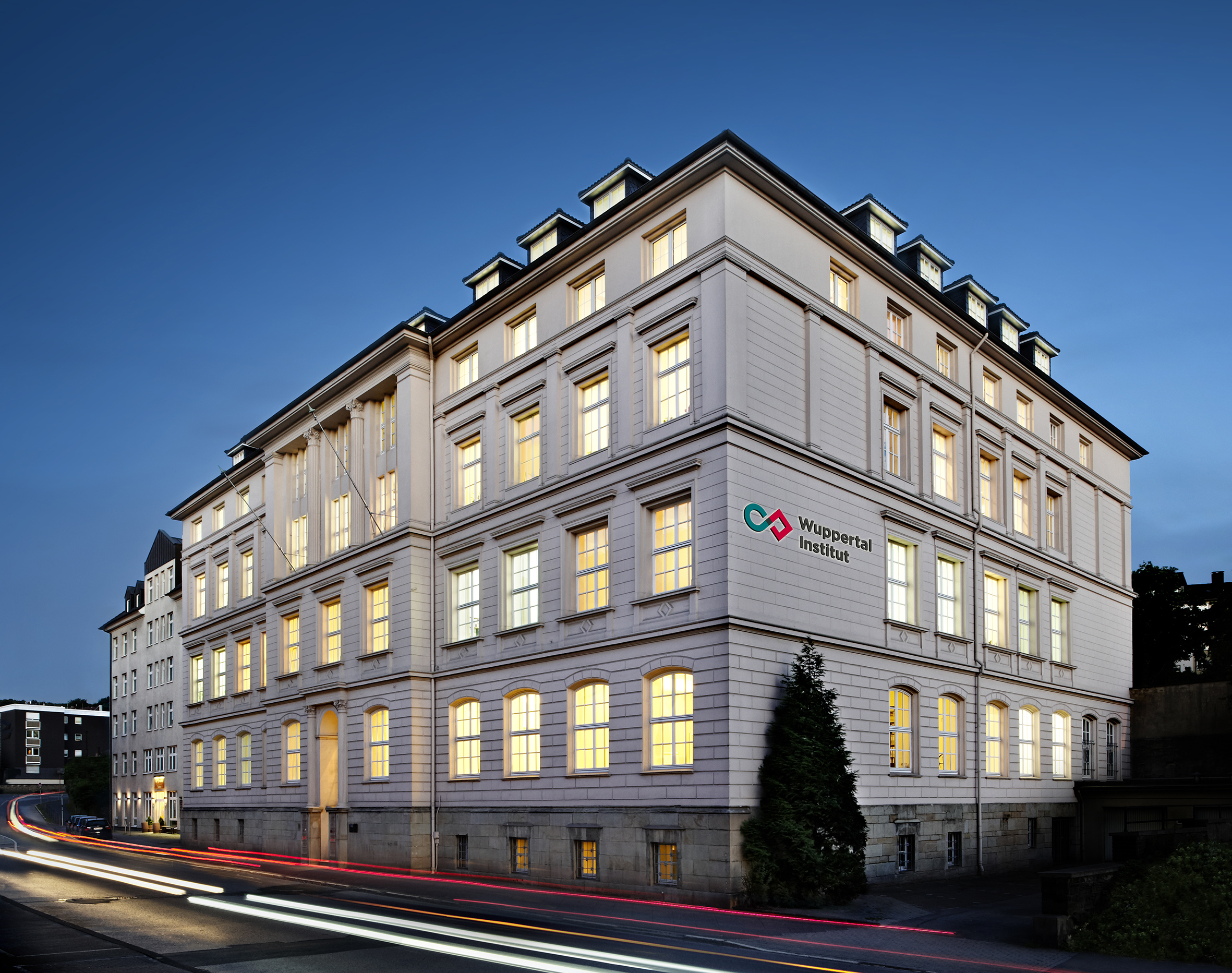

The Wuppertal Institute for Climate, Environment, and Energy is an action-oriented research institute with roots in North Rhine-Westphalia and a global perspective. It pursues the vision of a just transition toward a sustainable world in which resources are used responsibly. Together with stakeholders from various research fields and subject areas, the institute develops science-based solutions to ecological, social, political, and economic challenges.
info@wupperinst.org
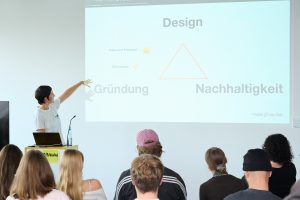
In addition to covering a broad spectrum of scientific disciplines, the Department of Sustainable Production and Consumption has also been working for several years on projects at the intersection of art, culture, design, and sustainability. Led by the Wuppertal Institute and the Faculty of Design and Art at the University of Wuppertal, the transform.NRW collaborative project is working with 16 partner organizations from North Rhine-Westphalia to explore the potential of art and design for socio-ecological change. The project is funded by the Ministry of Culture and Science of the State of North Rhine-Westphalia.
The Wuppertal Institute defines sustainability as societal development within planetary boundaries while simultaneously meeting basic human needs. Only within this safe space for action can social and intergenerational justice be achieved. The Institute’s work is guided by the United Nations’ 17 Sustainable Development Goals (SDGs) and consistently takes into account the interrelationships among them.
The institute emphasizes that sustainable development cannot be achieved through technical innovations alone; social innovations are just as crucial. Another focus is exnovation—the phasing out of unsustainable practices and technologies—to make room for new approaches and promote dynamic development.
Sustainable transformation requires far-reaching changes, but sometimes the key also lies in recognizing, preserving, and strengthening what is worth preserving. In this way, the Wuppertal Institute combines scientific analysis with practical implementation and an understanding of social, economic, and environmental interrelationships to shape a just and sustainable future.