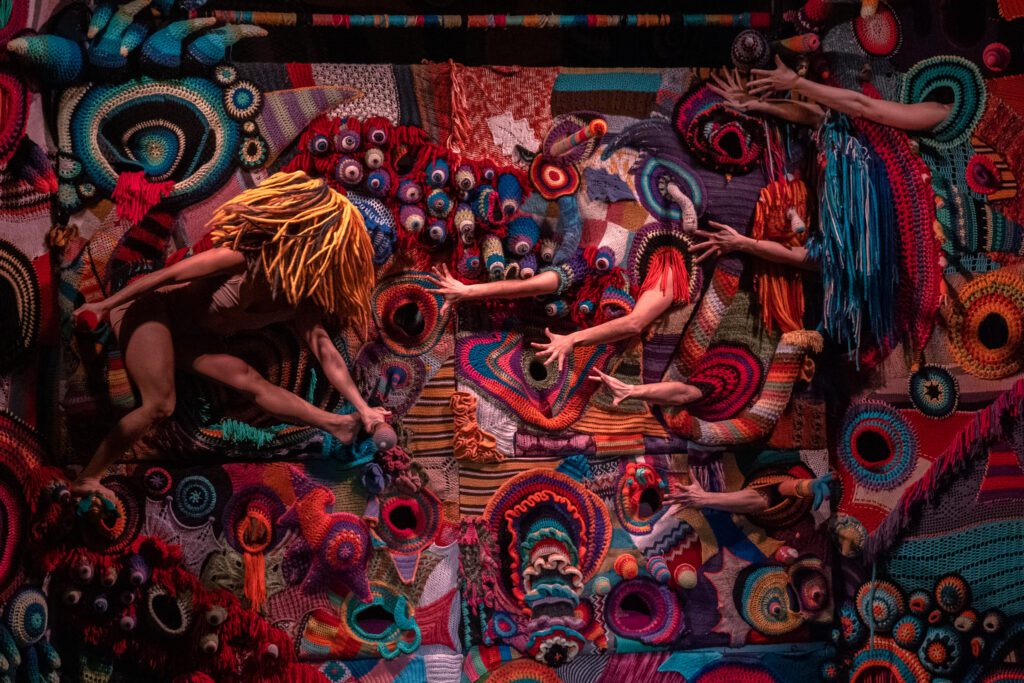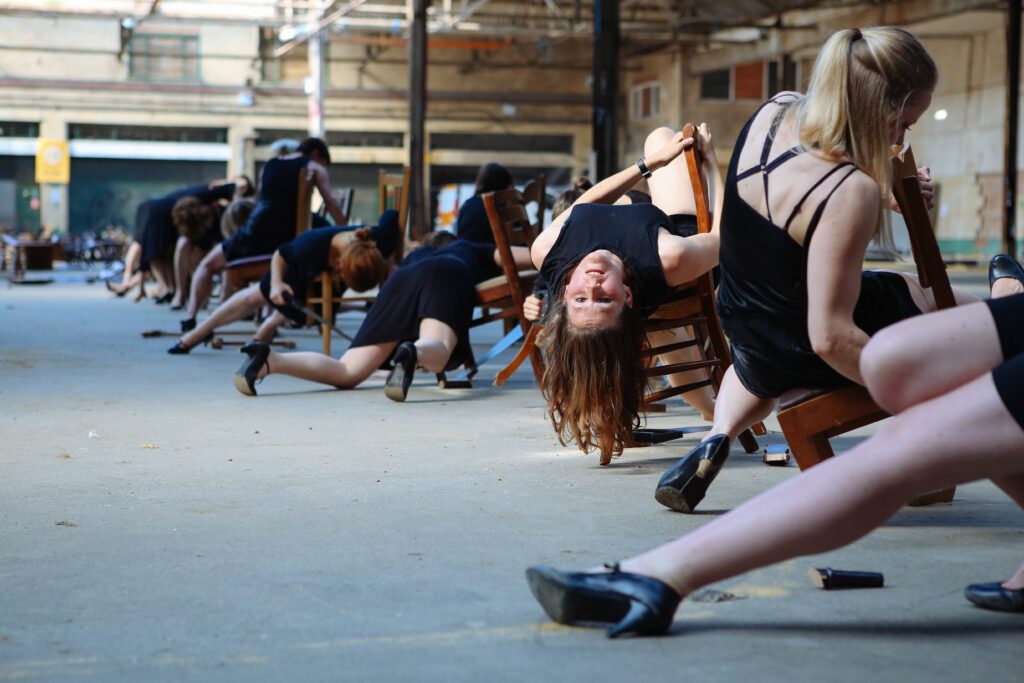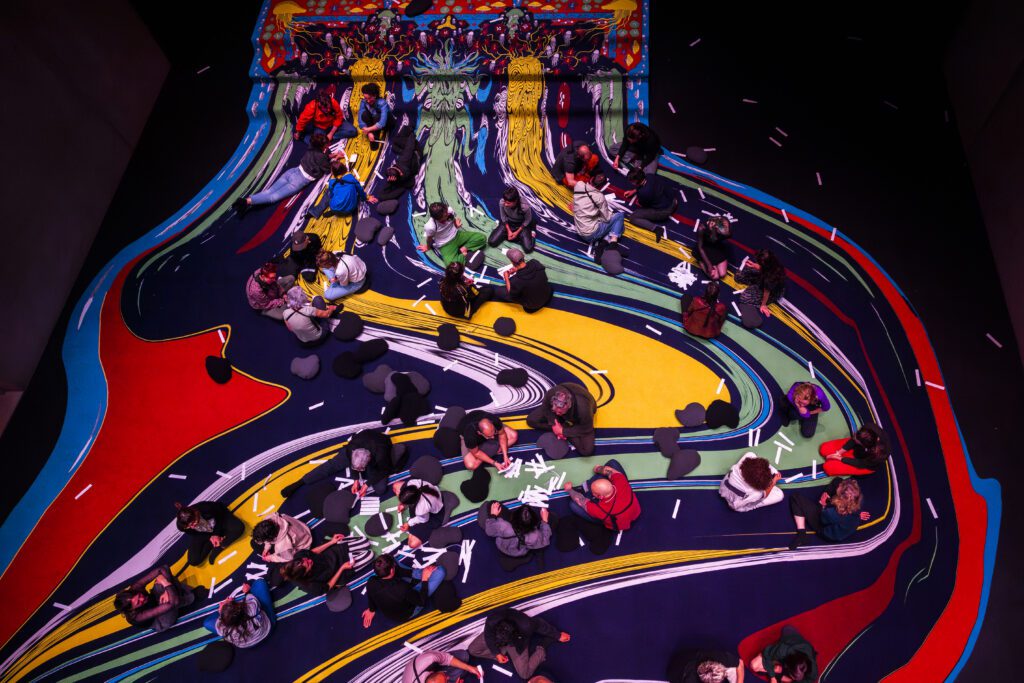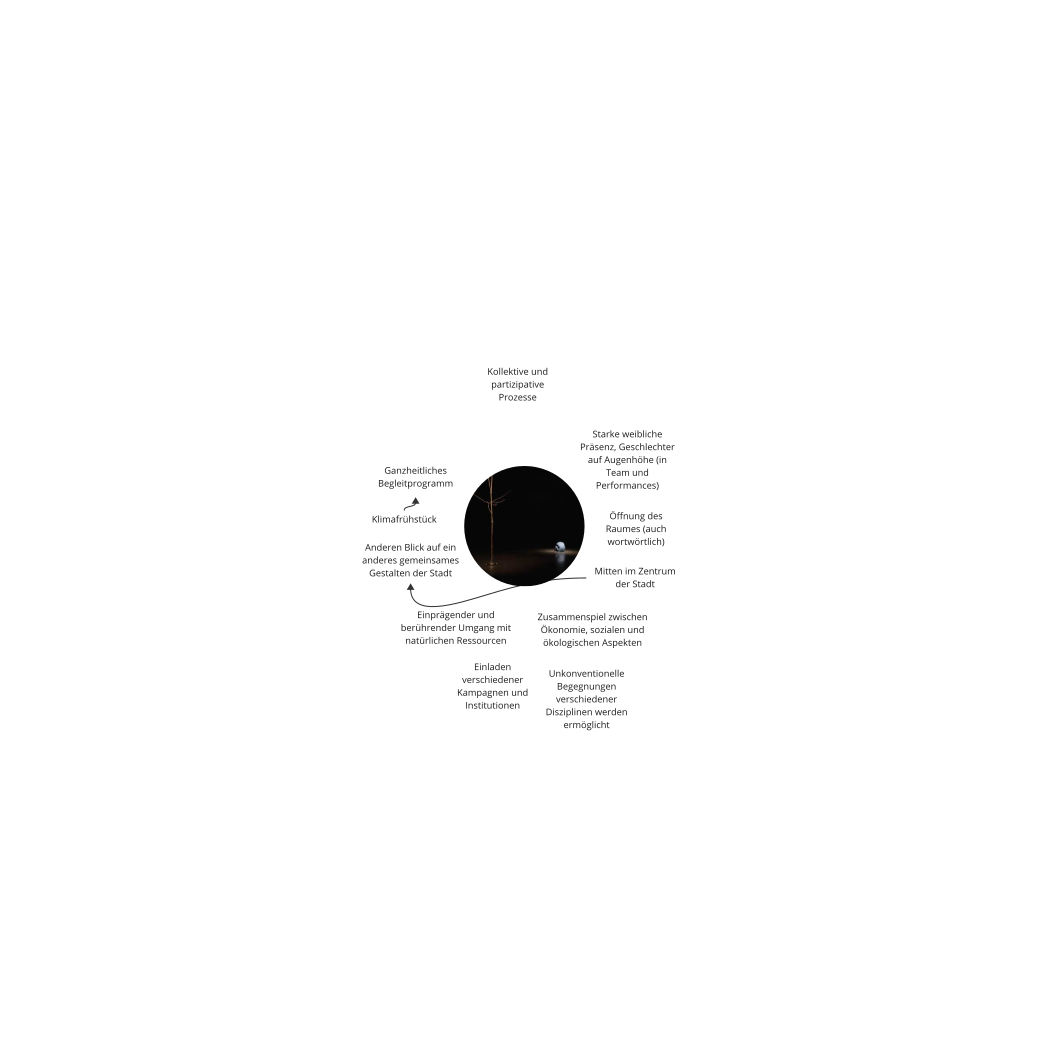
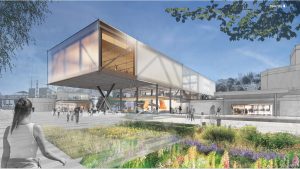
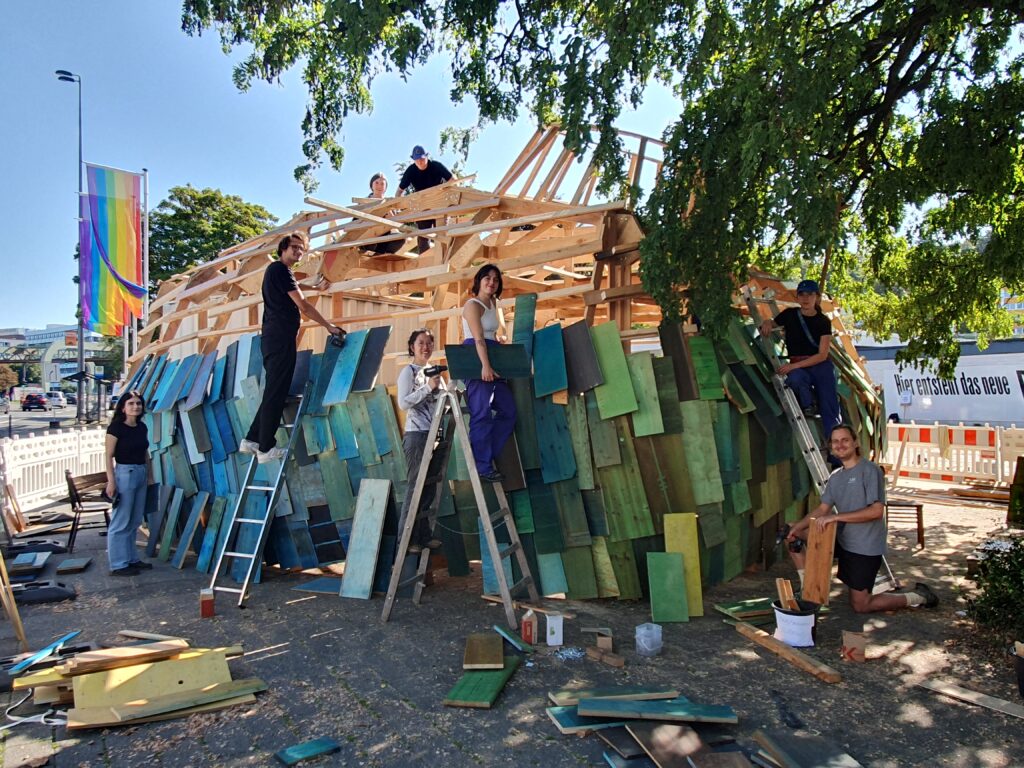
Fragile is an international dance and performance festival that took place in 2023 and 2024 at the Pina Bausch Center in Wuppertal. The festival focuses on the connection between art and sustainability: It views the stage as a testing ground for exploring new forms of solidarity, international collaboration, and ecological responsibility. In addition to the artistic presentations, the festival prioritizes climate-neutral organization and offers a supporting program featuring workshops on topics such as the dynamic negotiation of visions for the future or addressing vacant spaces in the urban landscape.
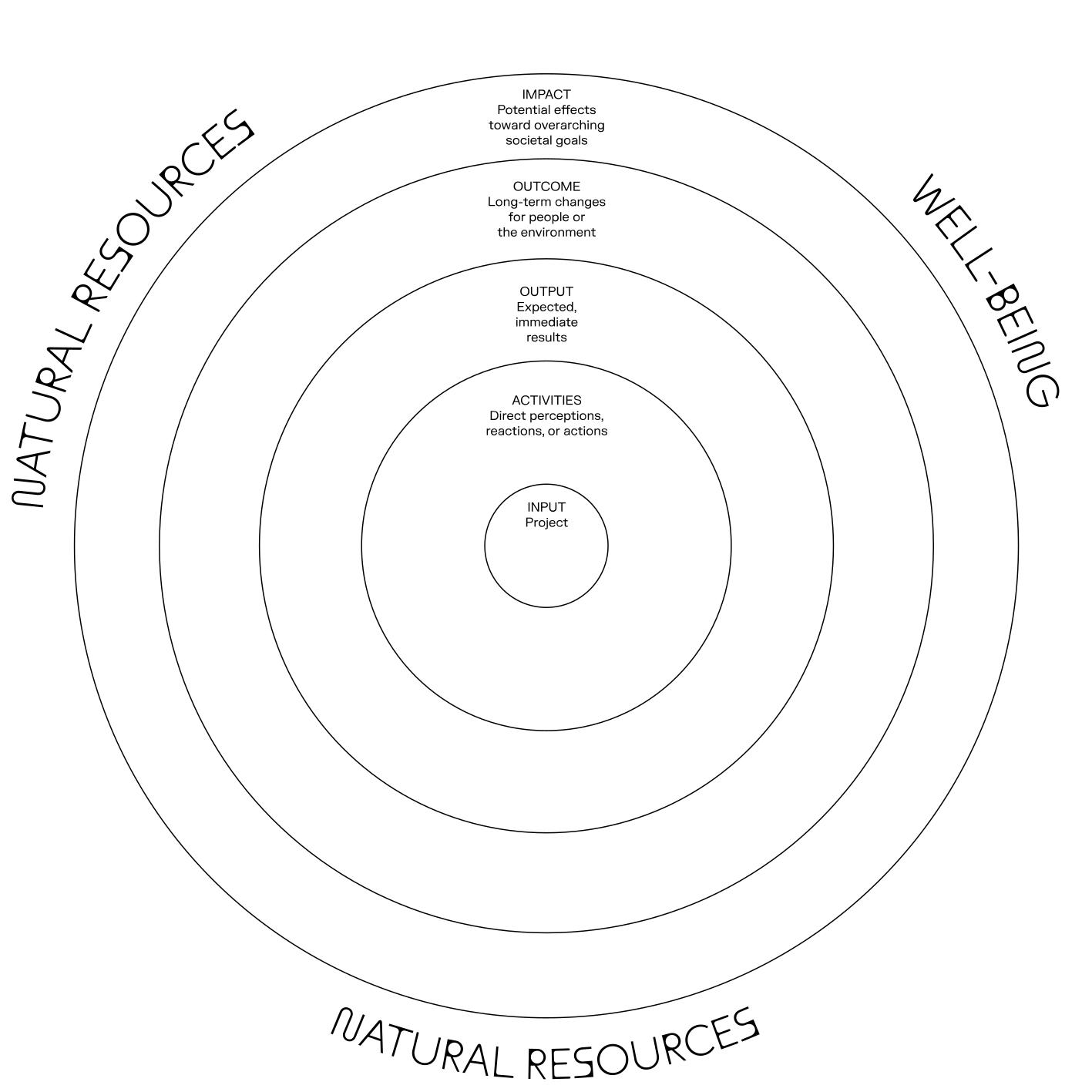
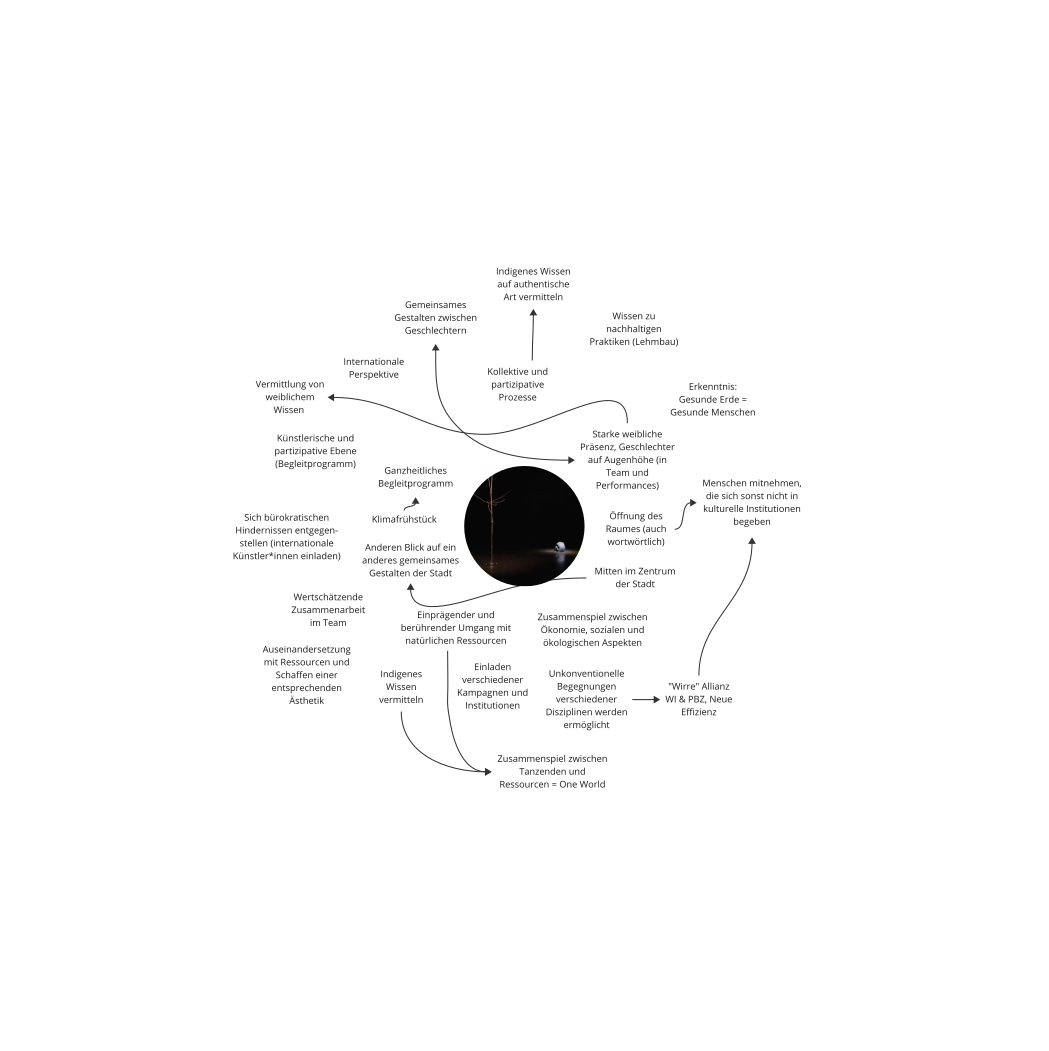
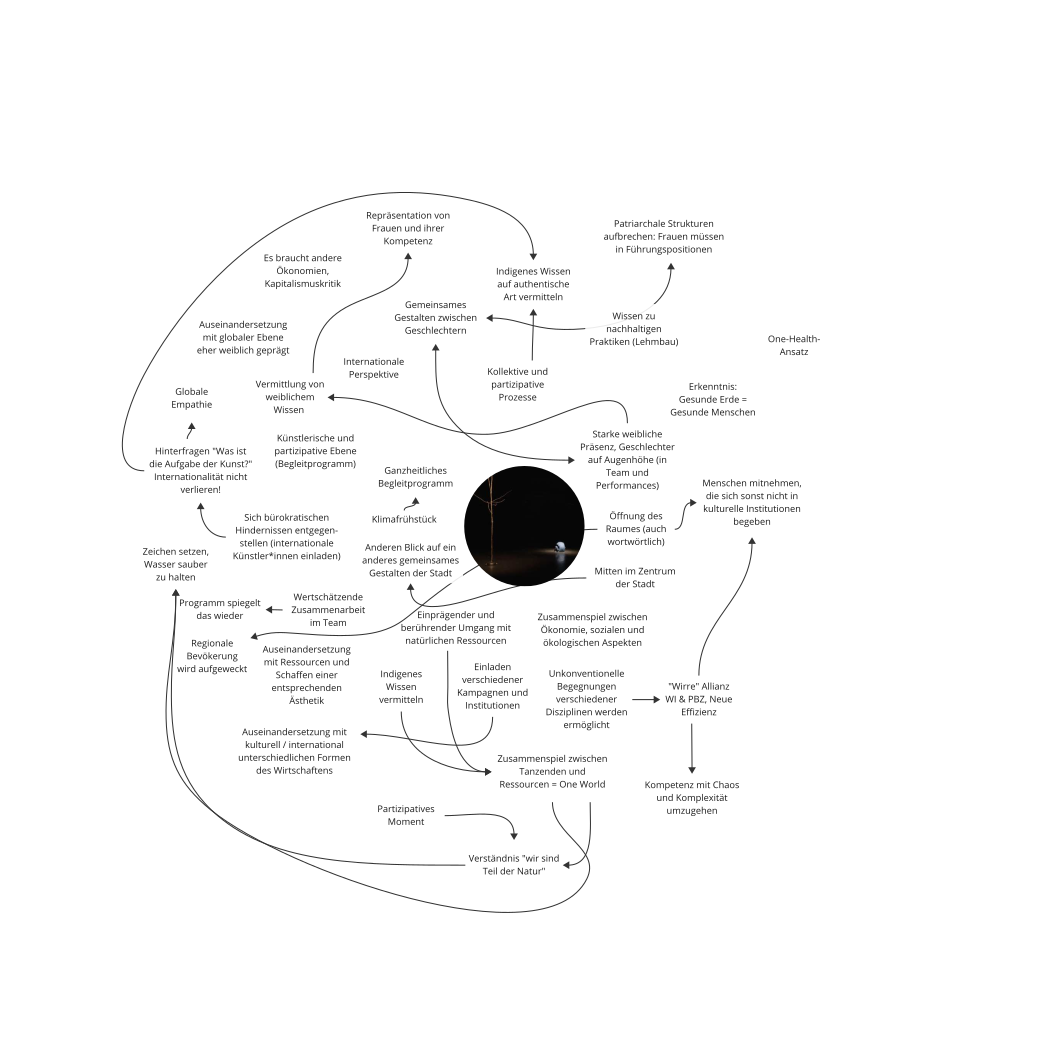
On October 29, 2024, *Fragile* was analyzed using the Map/ing Sustainability method by an interdisciplinary group consisting of geographers, directors, dramaturgs, designers, curators, sustainability managers, and environmental and energy experts. The festival’s curator also took part in the discussion. Several participants had previously attended at least one of the performances; the focus was on the second edition of Fragile in 2024.


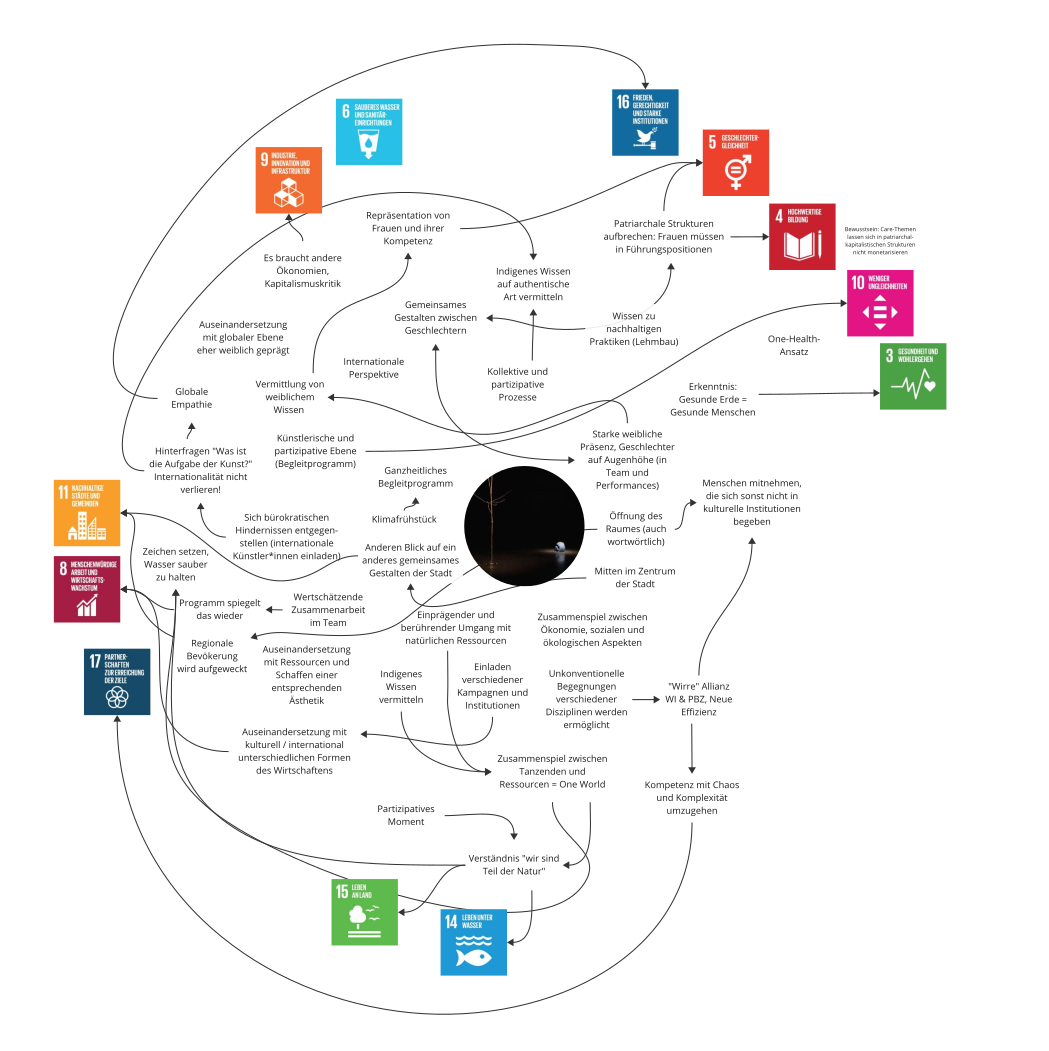
The contribution to well-being is evident in the high proportion of women among the dancers and in the festival’s organizing team, as well as in the inclusion of female and international perspectives—many of which draw on indigenous knowledge. These perspectives are explored in the dance performances and thus made accessible to a broad audience (SDG 4).
Care issues—which society predominantly attributes to women—are often considered politically marginal due to their complexity and, from a capitalist perspective, their limited economic value. Empowering women in visible and decision-making positions was discussed as a key strategy for bringing these issues more strongly into societal deliberations (SDG 5).
The inclusion of international and indigenous perspectives—as seen, for example, in the play *AMAZONIA 2040*—promotes mutual understanding and global empathy and has been recognized as an important contribution to social cohesion and peace, even in the context of environmental considerations—such as inviting only local artists to avoid travel-related emissions (SDGs 10, 16).
Finally, engaging with female and indigenous knowledge systems was credited with promoting health and well-being in line with the guiding principle “Healthy Earth, Healthy People” (SDG 3).
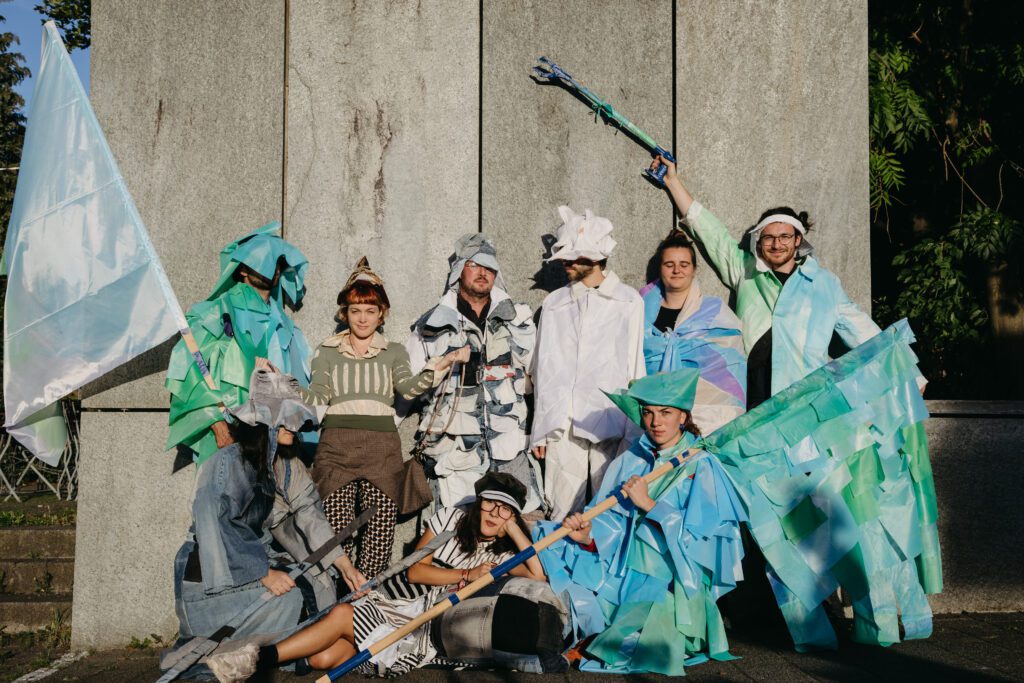
The group discussed traditionally “feminine” behaviors and indigenous knowledge systems as a source for alternative approaches to the dominant, patriarchal logics of the economy. In this way, the festival contributes to a dialogue about culturally diverse forms of coexistence and economic activity, which could provide food for thought regarding concrete alternatives (SDG 8).
The festival’s central venue in the heart of the city was seen as a major catalyst for the urban community: it would not only literally open up a space but also invite people who otherwise rarely attend cultural events (SDG 11). In particular, the contrast between the festival’s impact within the city’s local context and the inclusion of international artists was also discussed: especially in the realm of culture, it was argued, it is not productive to focus solely on the local—here, global empathy was once again cited. At the same time, the festival, held in the heart of the city, sent a message about accessibility via public transportation and about a vibrant and strong urban community.
Another strength of the festival that was highlighted was its strong emphasis on networking: On the one hand, this links the social and ecological dimensions of sustainability. On the other hand, the festival’s organization and program created spaces that emerged from unconventional alliances—such as those between the Pina Bausch Center, the Wuppertal Institute, and Neue Effizienz—thereby facilitating interdisciplinary encounters. These unusual alliances fostered the ability to deal with complexity (SDG 17). On a more limiting note, it was mentioned that there are also stakeholders who, unfortunately, could not yet be included, such as the skilled trades.
Through the interplay between dancers and the embodiment of natural systems such as forests, soils, and rivers, the dance performances bring the use of Natural Resources to life and help the audience recognize their own place as part of nature—in the spirit of a “One World” philosophy that emphasizes the interconnectedness of humans and the environment. This is further enhanced by the intense and immersive aesthetics of the performances as well as by participatory elements. For the local population, this makes it tangible that their own actions are directly and indirectly intertwined with issues of resource consumption and that there is room for agency within these actions (SDGs 14, 15).