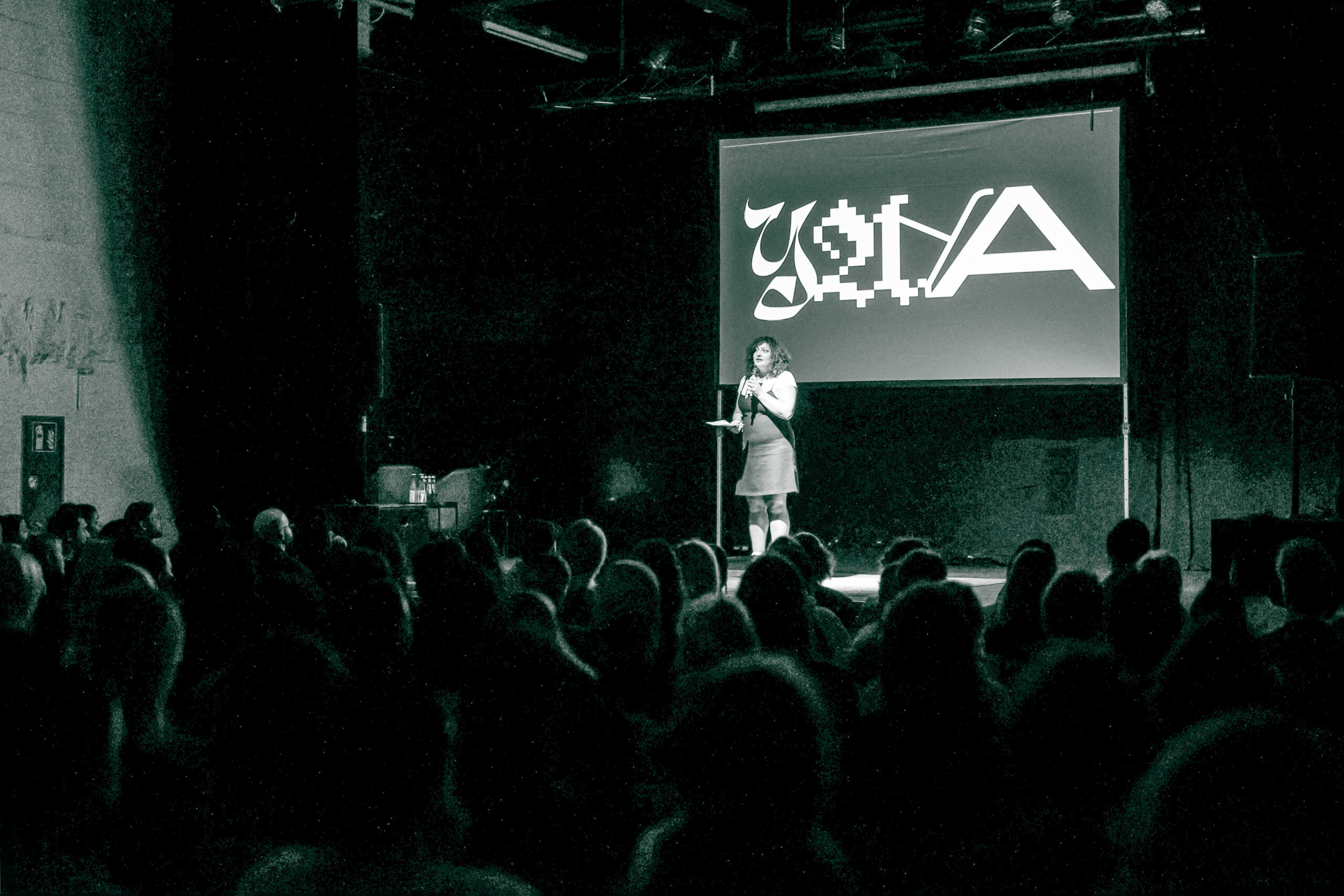

YAYA is a network and nonprofit organization that promotes diversity, gender equality, and anti-racism in the arts and culture scene. Through inclusive events, YAYA creates safe feminist, queer, and anti-racist spaces that provide underrepresented and marginalized groups with visibility, participation, and empowerment. According to the founders’ vision, YAYA artistic practice, community building, and collective engagement with intersectional issues.
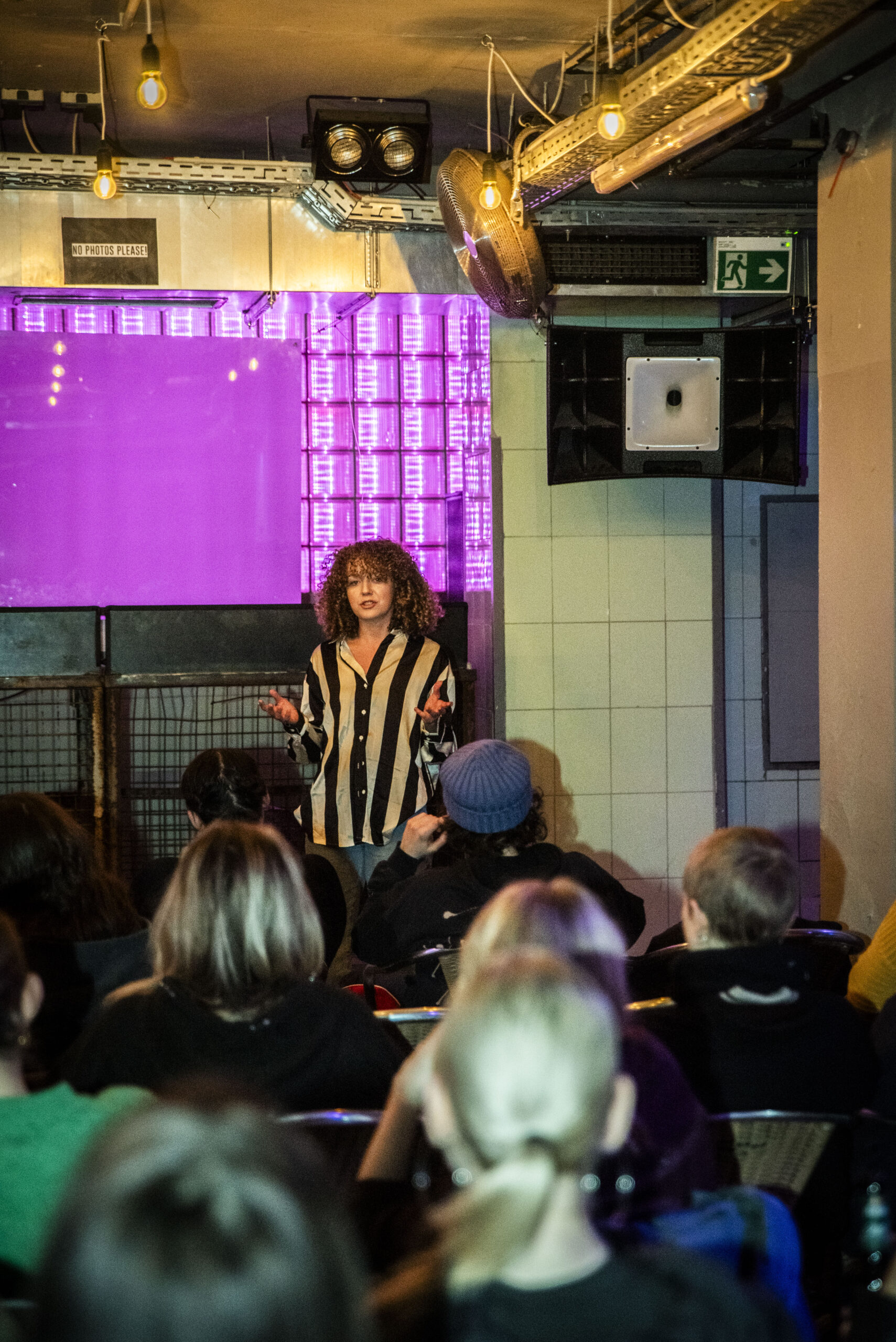
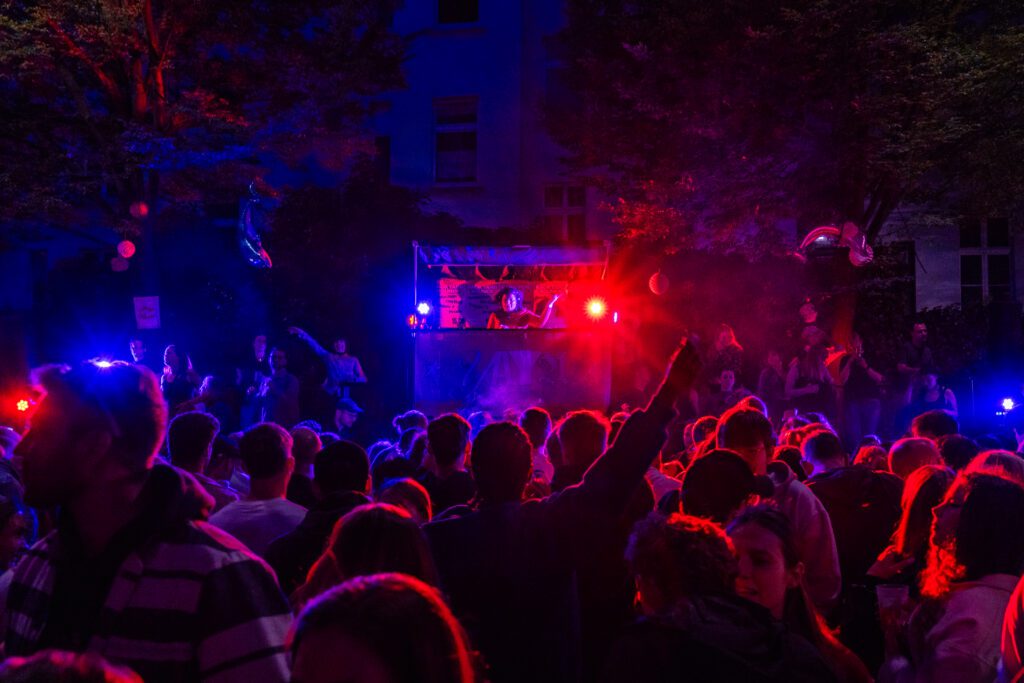
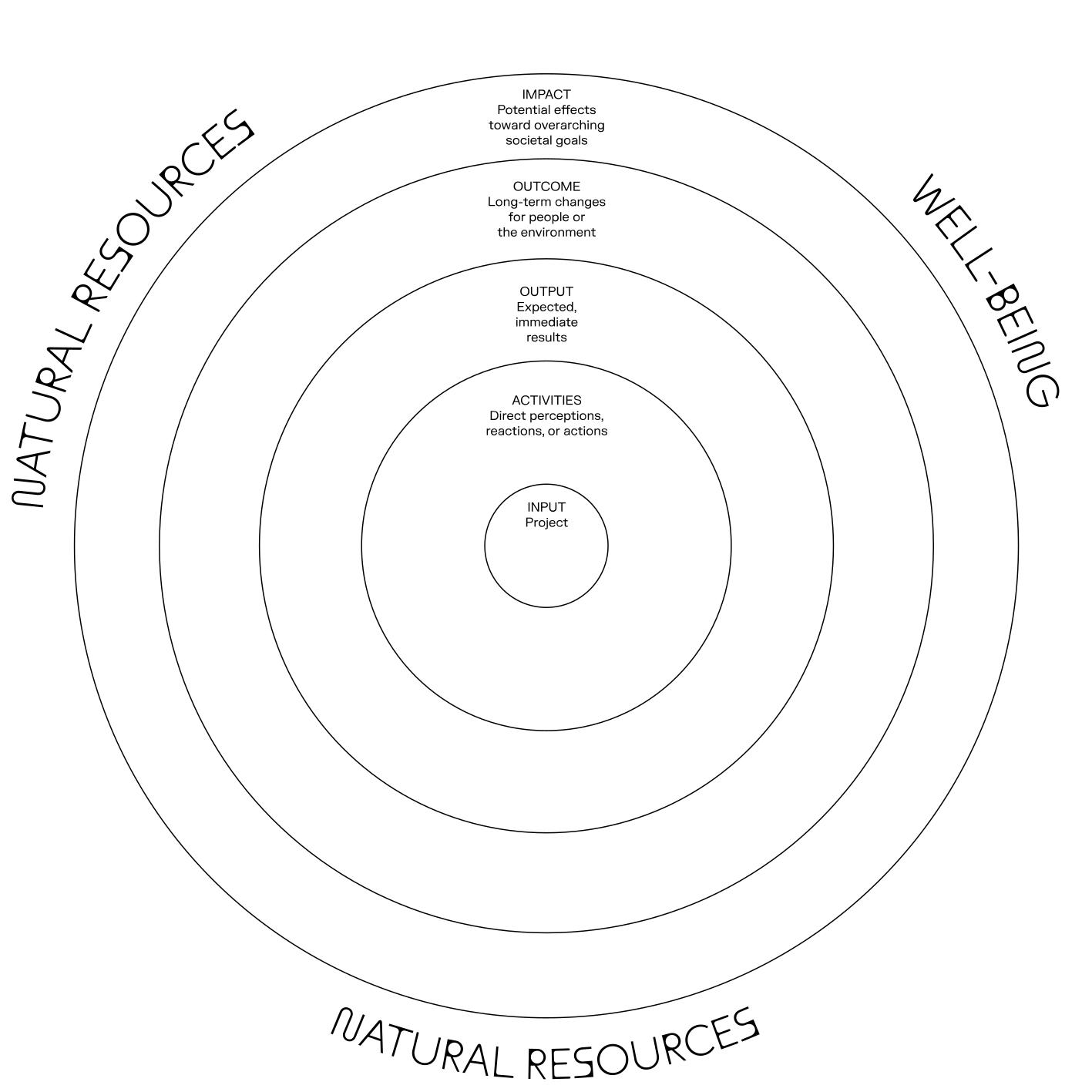
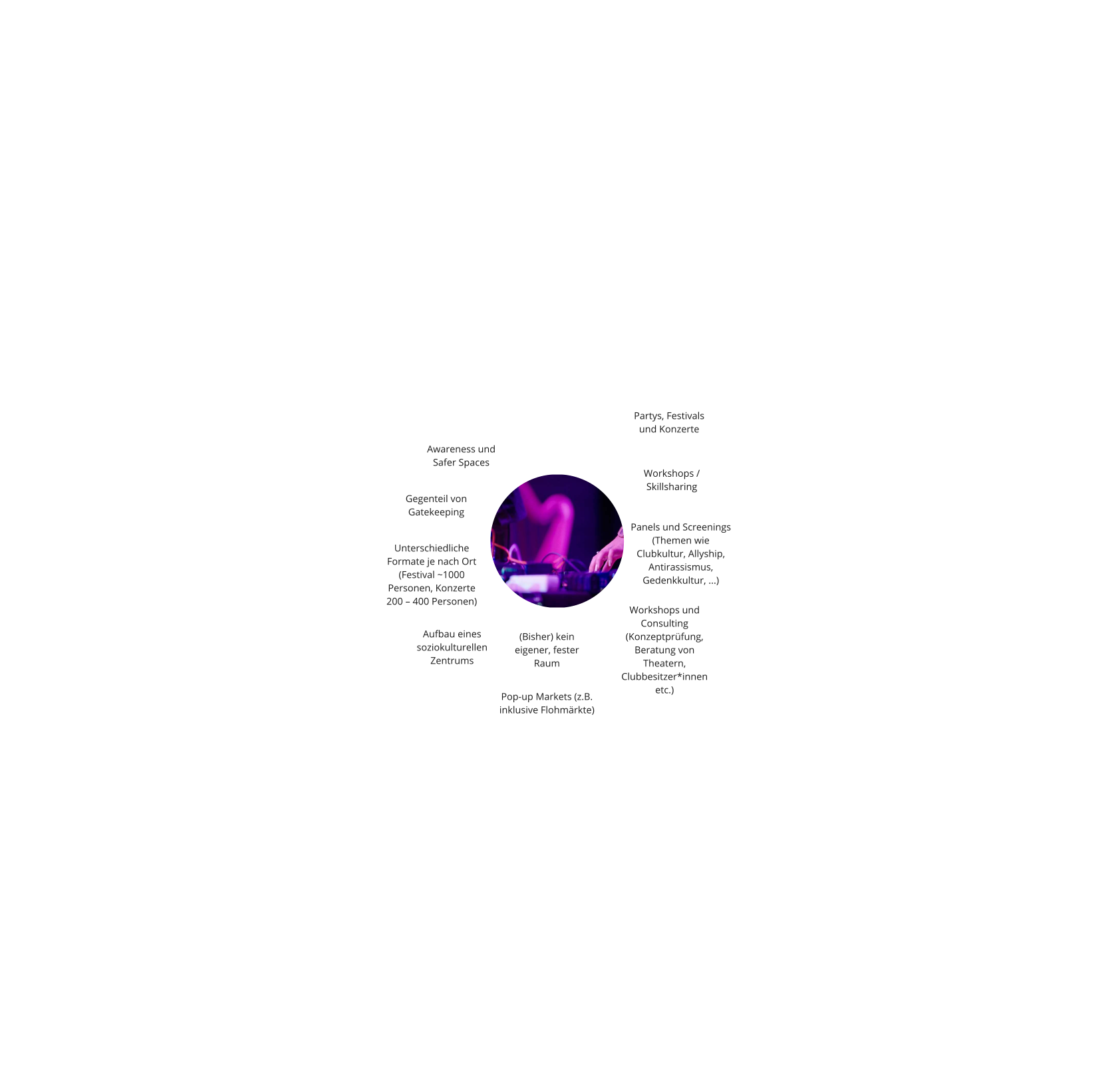
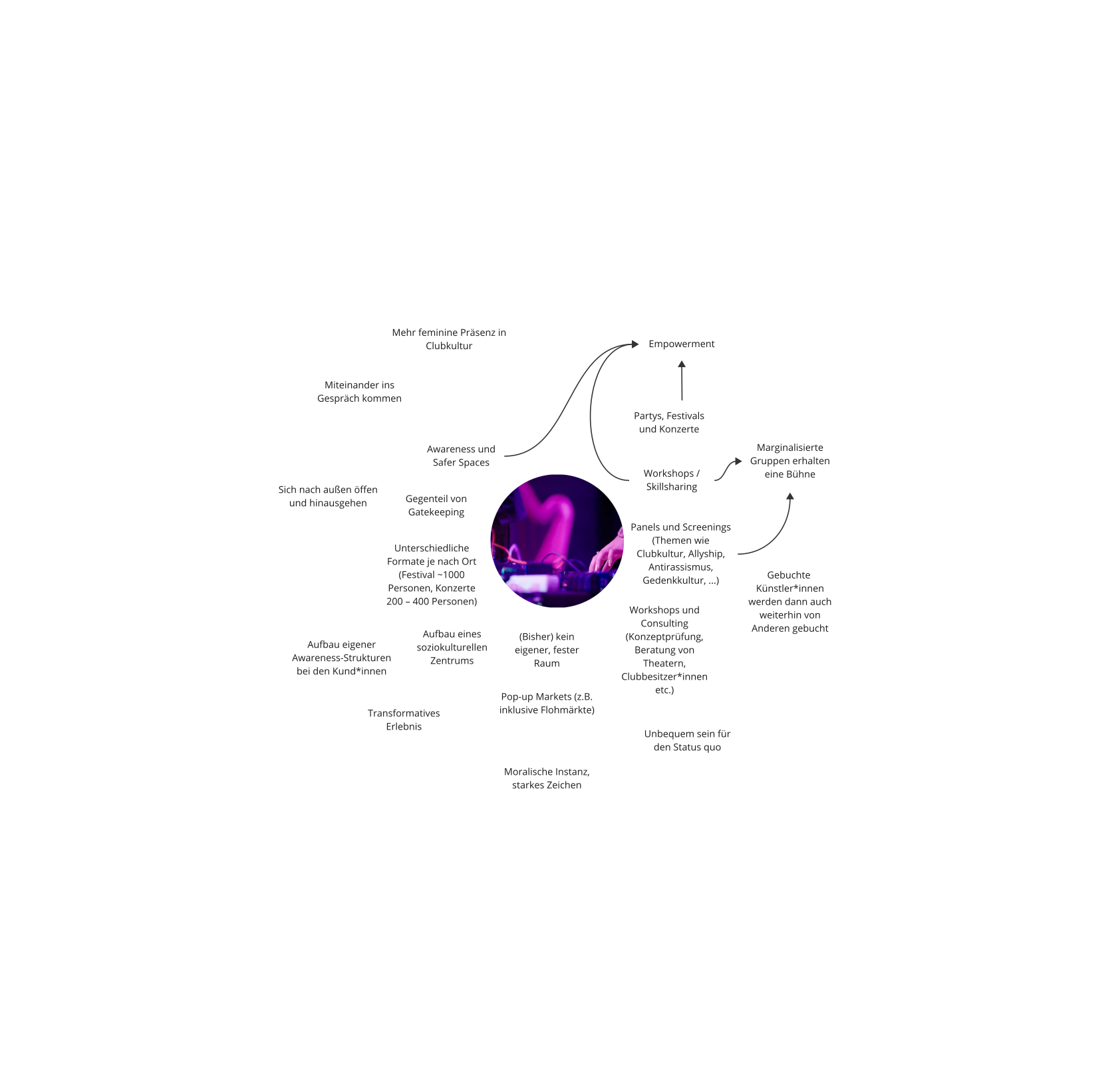
On May 23, 2024, a group of designers analyzed YAYA’s potential impact using the Map/ing Sustainability method. Co-initiators of YAYA presented the project in person and participated in the discussion. Some participants had already attended events organized by the network, so the discussion incorporated both the perspectives of the collective’s members and experiences from the viewpoint of the audience and external observers. The discussion focused on the network’s work and its diverse formats, such as parties, workshops, film screenings, pop-up markets, and skill-sharing events in Wuppertal and the surrounding area.


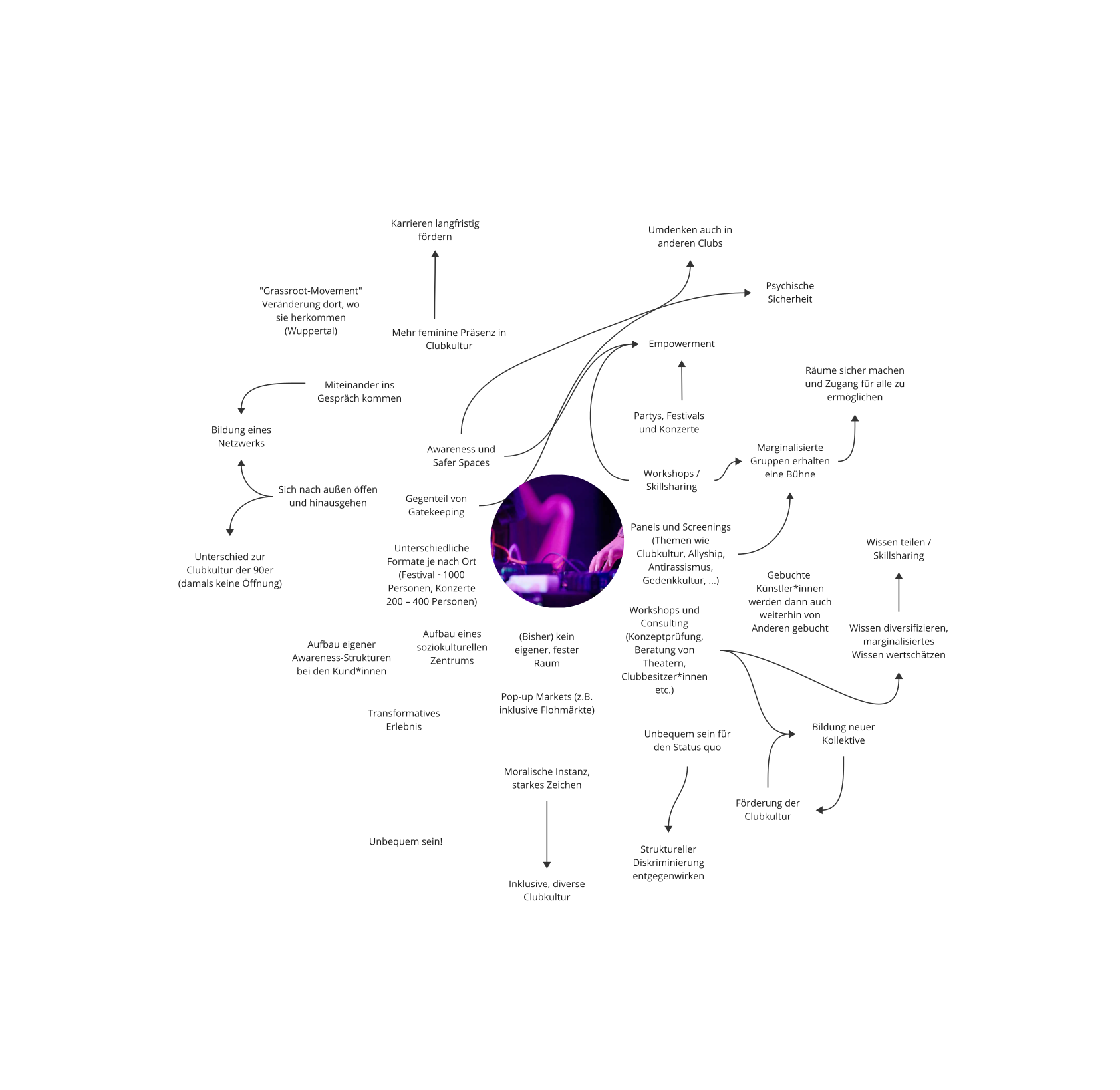
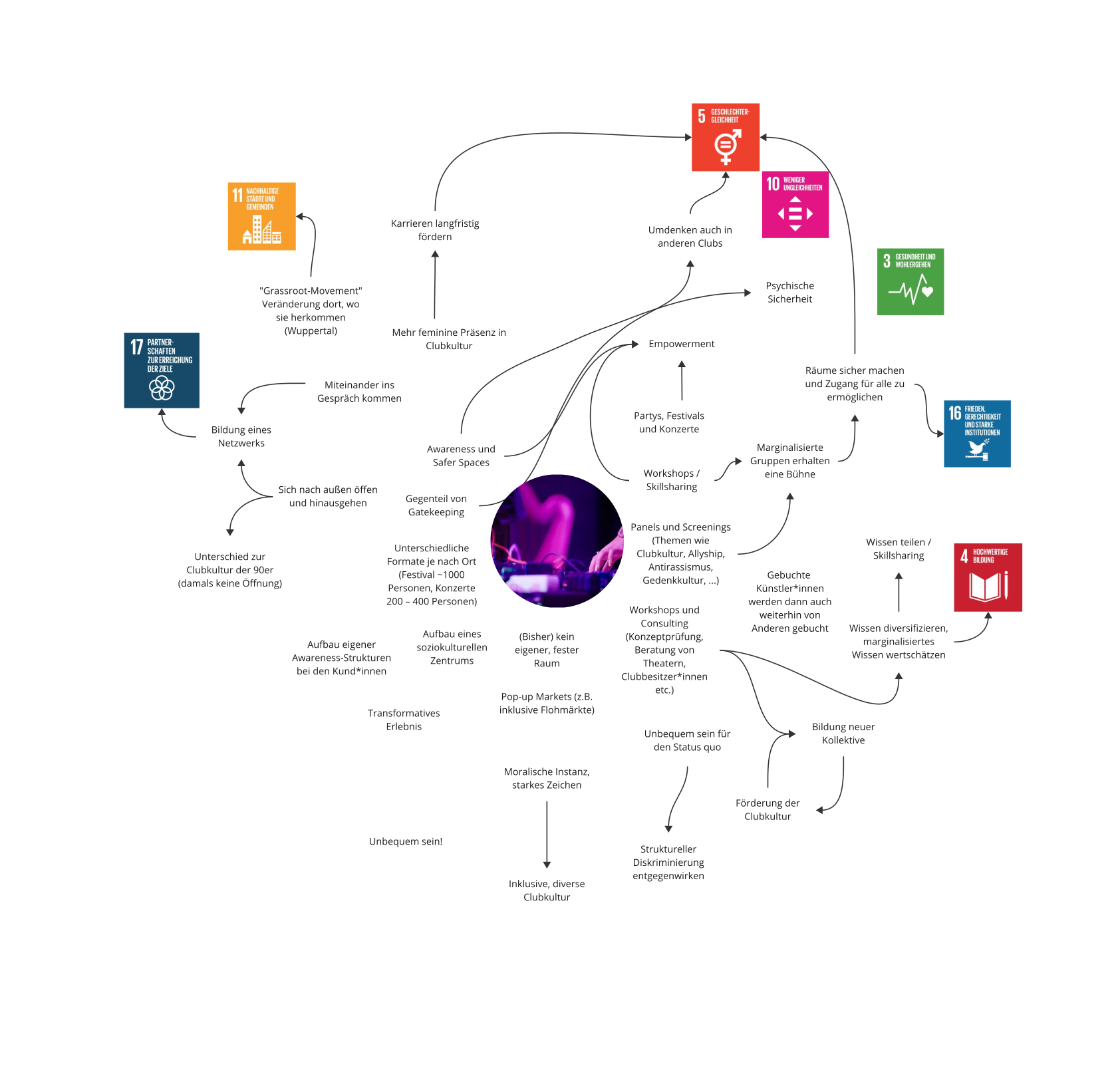
The participants affirmed the description provided by YAYA’s founders that, through consistent awareness-raising efforts, the collective creates safer spaces that enhance well-being (SDG 3) and promote safety in social spaces. At the same time, they reinforced the view that these safe spaces make an important contribution to reducing inequalities (SDG 10) by enabling marginalized groups to participate in cultural life and gain recognition. One participant aptly described YAYA as “the antithesis of gatekeeping.”
In addition, the group took up YAYA’s approach and linked it to observations about its impact on the club and cultural scene. According to their assessment, the collective could serve as an inspiration for party culture and spark a shift in thinking at other clubs. This is evident, for example, in the emergence of new collectives that feel collectively empowered to approach larger institutions—a development the discussion group described as an expression of sustainable empowerment processes. The participants shared the view that YAYA, through formats such as parties, festivals, and workshops, creates spaces for learning and interaction where education can be experienced beyond formal structures (SDG 4). In doing so, the network helps to diversify knowledge and bring marginalized perspectives to light. Particularly in the area of “skill sharing,” it becomes clear how new creative spaces are emerging for artists—outside of institutionalized cultural forms. During the discussion, this openness was described as a potential catalyst for gender equality (SDG 5) and social participation in a broader sense. In the course of the impact analysis, it was also emphasized that YAYA could stimulate social reflection beyond the individual events. This self-conception—art not only as a cultural practice but also as a social impetus to question one’s own behavior and social responsibility—was understood by the group as a central element of transformative potential, aimed at mindfulness, a sense of responsibility, and inclusive coexistence (SDG 16).

The participants in the discussion reaffirmed the collective’s intention to go beyond simply organizing events and to bring about structural change in the cultural sector. They drew on YAYA’sself-description and emphasized that the network and association structure facilitates exchange among different actors and elevates marginalized knowledge. This could give rise to new structures in the cultural sector that break down hierarchies and promote diversity-conscious working practices—in line with YAYA’sgoal of driving sustainable change as an active part of the cultural scene.By establishing and strengthening awareness-building structures—for example, through training, counseling, or participation in its own and external events— YAYA exemplifies how community-driven systems can emerge that foster solidarity and resilience in urban societies (SDG 17). The discussion group saw the targeted use of inner-city spaces—for example, through concerts, pop-up markets, or workshops in Wuppertal—as closely linked to this. This practice can strengthen social inclusion, foster new partnerships, and expand local networks (SDG 11). In this way, appreciation for community-organized culture becomes visible, and momentum is created for the sustainable transformation of urban spaces.
The environmental aspect played a relatively minor role in the discussion, but was recognized as a potential area for expansion. According to the network, YAYA primarily focuses on social sustainability but also integrates environmentally conscious practices, such as DIY approaches, resource-efficient work methods, and initiatives related to upcycling or sustainable art production. Individual workshops—for example, in the areas of crafts, event technology, or artistic production—could, in the discussion group’s assessment, contribute in the long term to raising awareness of resource conservation and bring environmental issues more into focus. However, the potential impact in this area depends heavily on the specific context and the concrete content of the events.