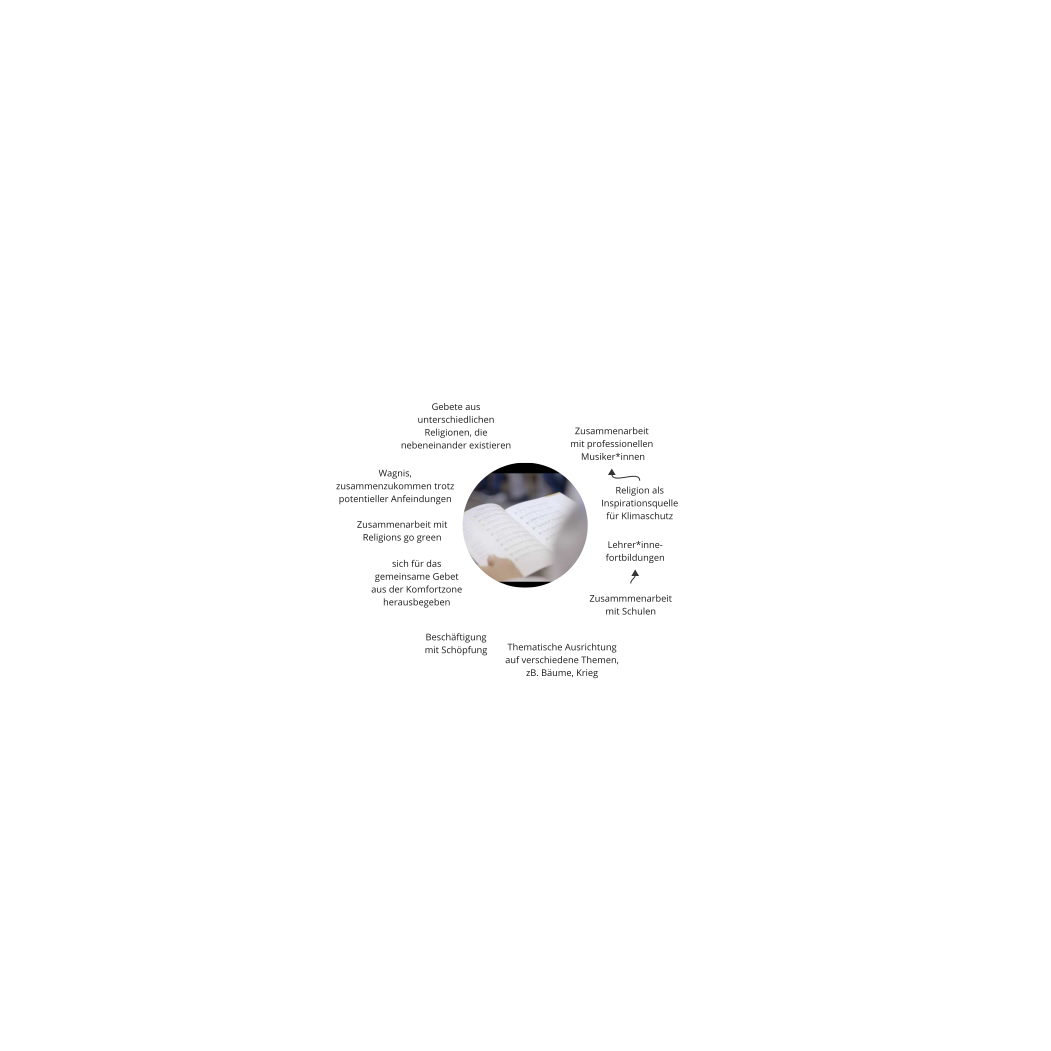
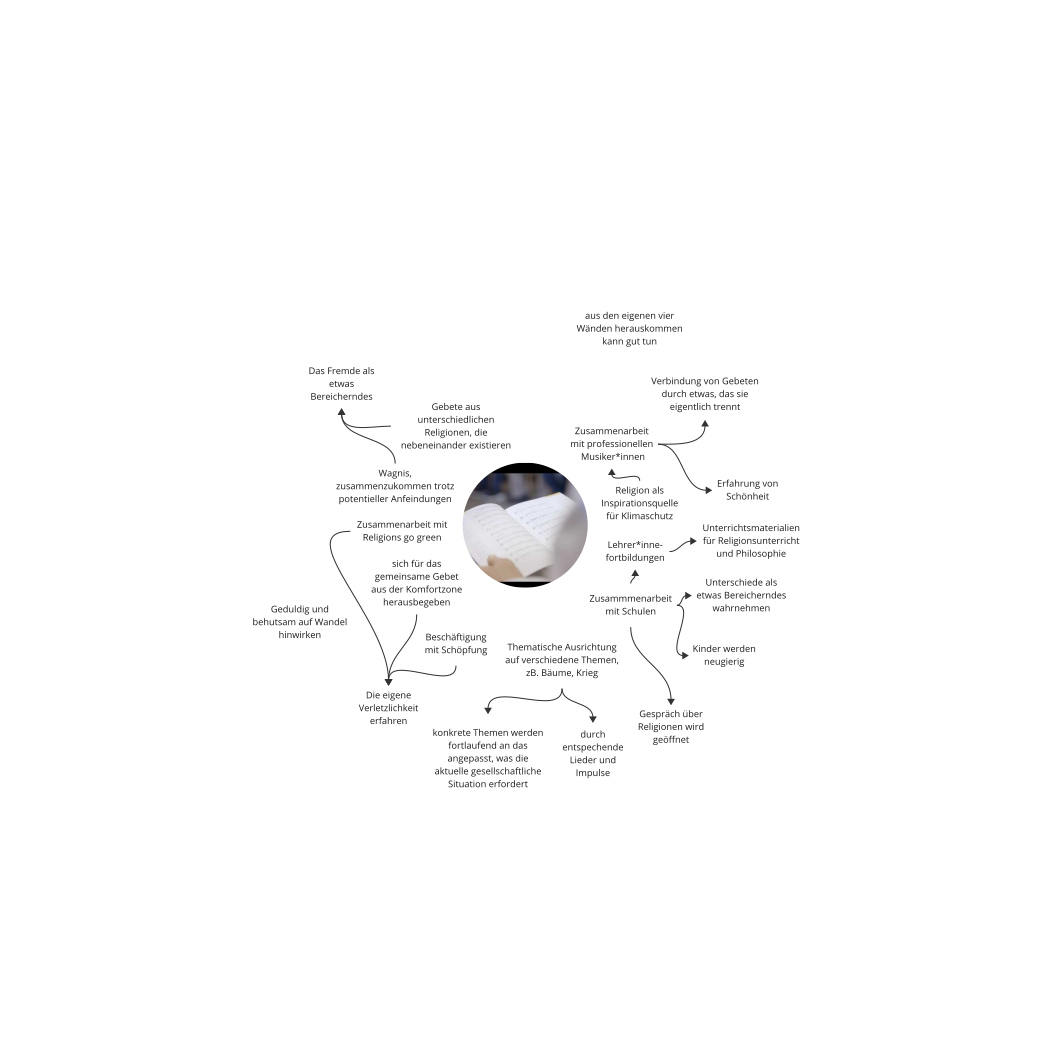
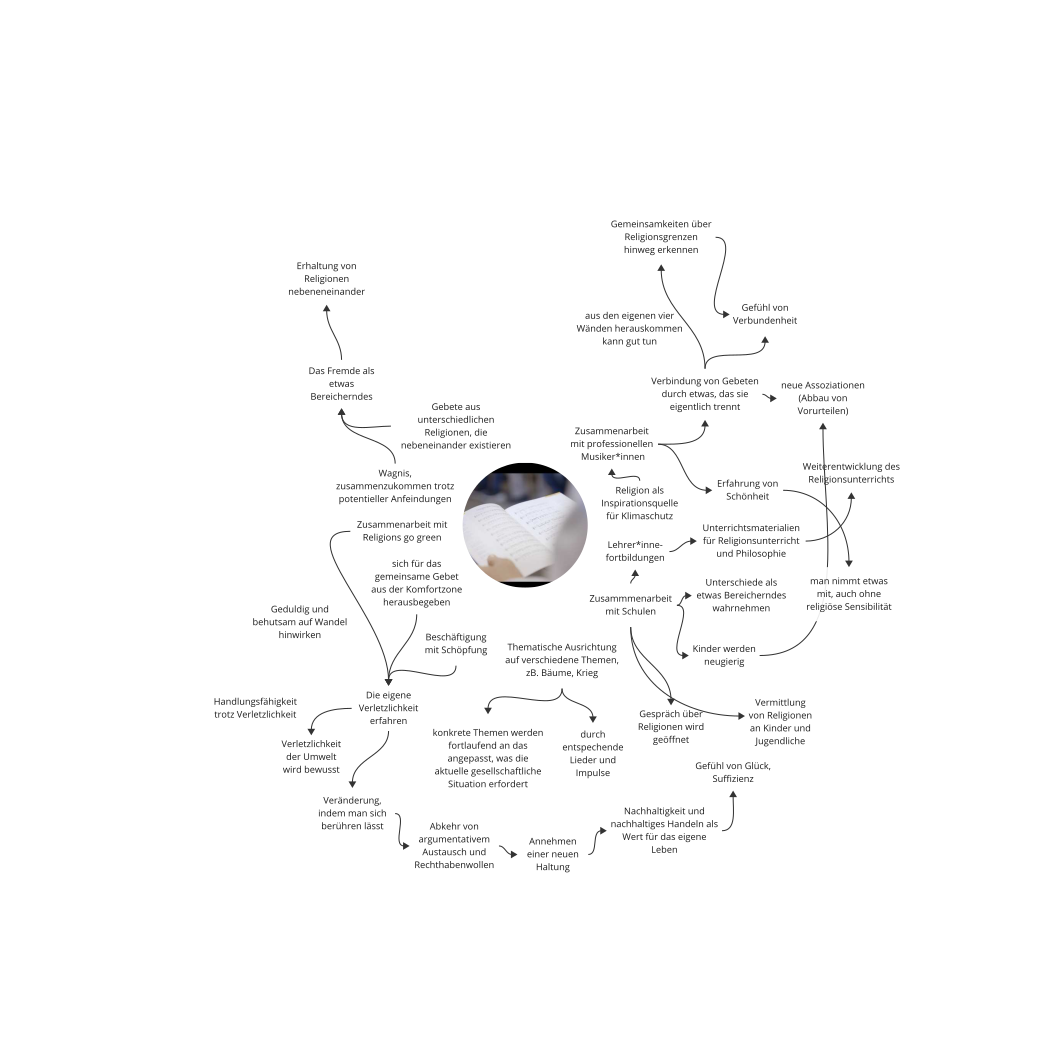

The Klimagebet is an interfaith format that connects ecological issues with spiritual and communal experiences. At its heart is communal prayer by people of different religions, who contribute elements drawn from their respective traditions. By combining liturgical elements, music, and thematic reflections—for example, systematically integrated around climate protection, biodiversity, or peace—a space is created where global challenges can be emotionally experienced and collectively reflected upon. According to the initiators’ vision, Klimagebet is a project that aims to open up new perspectives on global ecological responsibilities through interfaith dialogue.
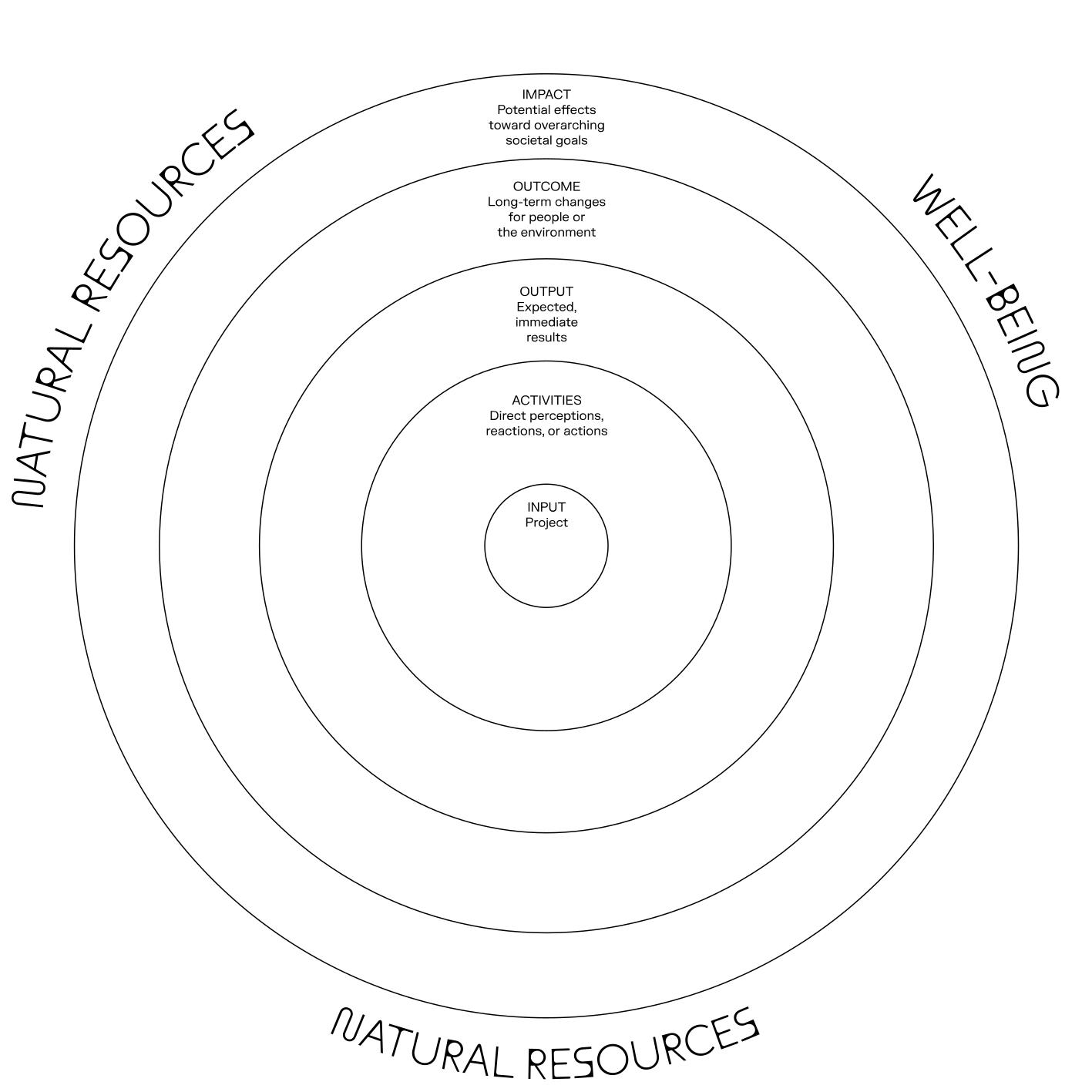
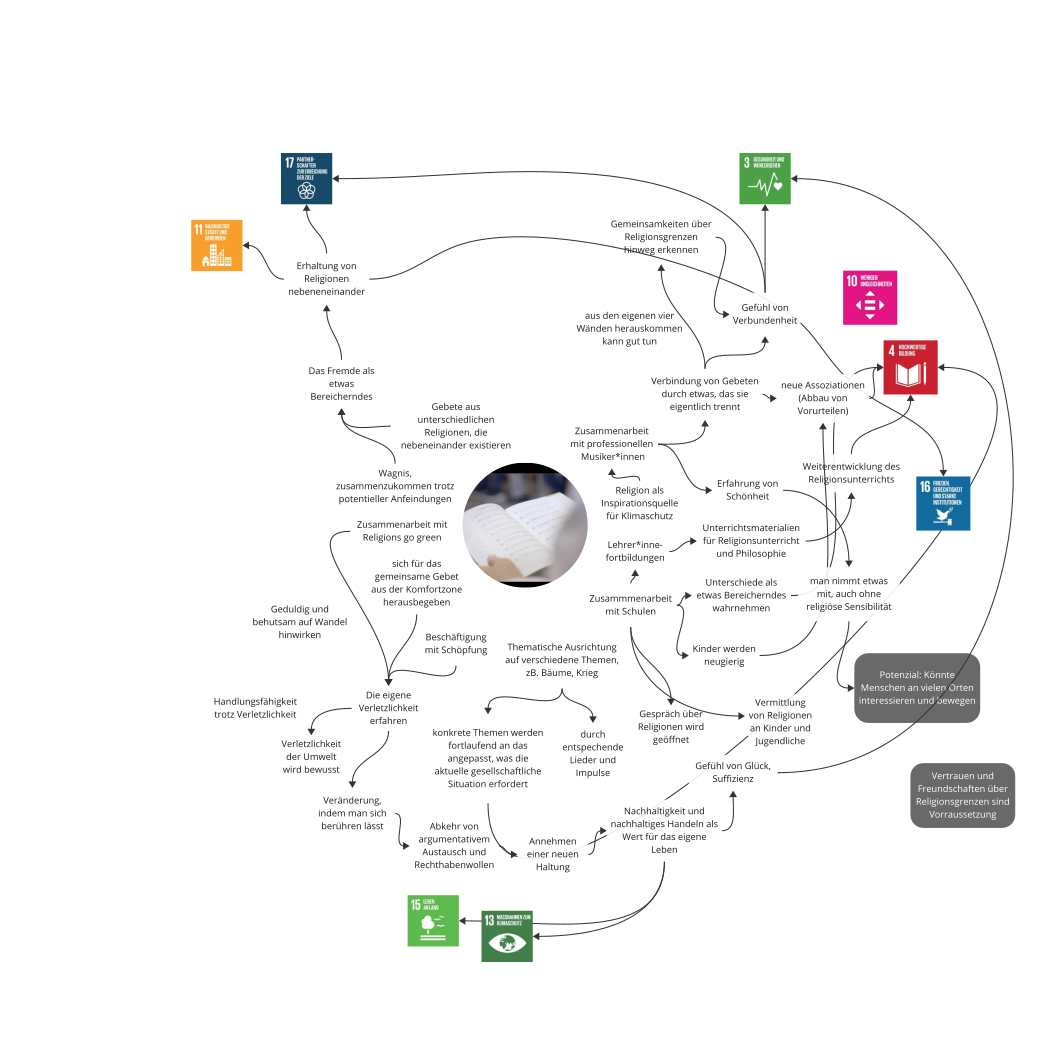
On March 5, 2026, an interdisciplinary group consisting of theologians, designers, sociologists, and individuals from the fields of film, crafts, and management analyzed the potential impact of the Klimagebetusing the Map/ing Sustainability method. Klaus von Stosch, the initiator of the Klimagebet, presented the project and participated in the discussion. In addition, a film portrait of the project was shown.


During the discussion, it became clear that the Klimagebet can unfold its potential for well-being, particularly through emotional, communal, and educational experiences. The participants emphasized that the shared experience of multireligious practice helps to break down reservations and perceive the unfamiliar as enriching. By reducing prejudices, encounters between different religious groups become possible. Furthermore, the discussion addressed the project’s potential to promote democracy and social equity: The project creates spaces where differences can be accommodated and respectfully negotiated (SDG 10). Beyond the religious context, a new culture of listening could provide impetus for peaceful and inclusive social coexistence (SDG 16).
The theme-based exploration—through the combination of ritual, music, and conversation—was seen as a form of holistic education that goes beyond cognitive entry points. Particularly in the school context, the project—by offering professional development opportunities and teaching materials for religious and philosophy classes—could help impart knowledge, make religions accessible across different traditions, spark curiosity, and initiate processes of reflection. In this way, it could also provide impetus for the further development of current concepts for religious education (SDG 4). Participants in the discussion described the project as both meaningful and emotionally moving, which could lead to positive effects on individual well-being as well as a sense of connectedness (SDG 3).
At the level of Provisioning Systems, the importance of collaboration and sustainable networks was particularly emphasized. The participants emphasized that collaboration between different religious communities, institutional actors, and professional artists is a key prerequisite for implementing the project and is based on long-term trust-building (SDG 17). In this context, the resulting “community of relationships” was described as particularly valuable, as it enables concrete joint action.
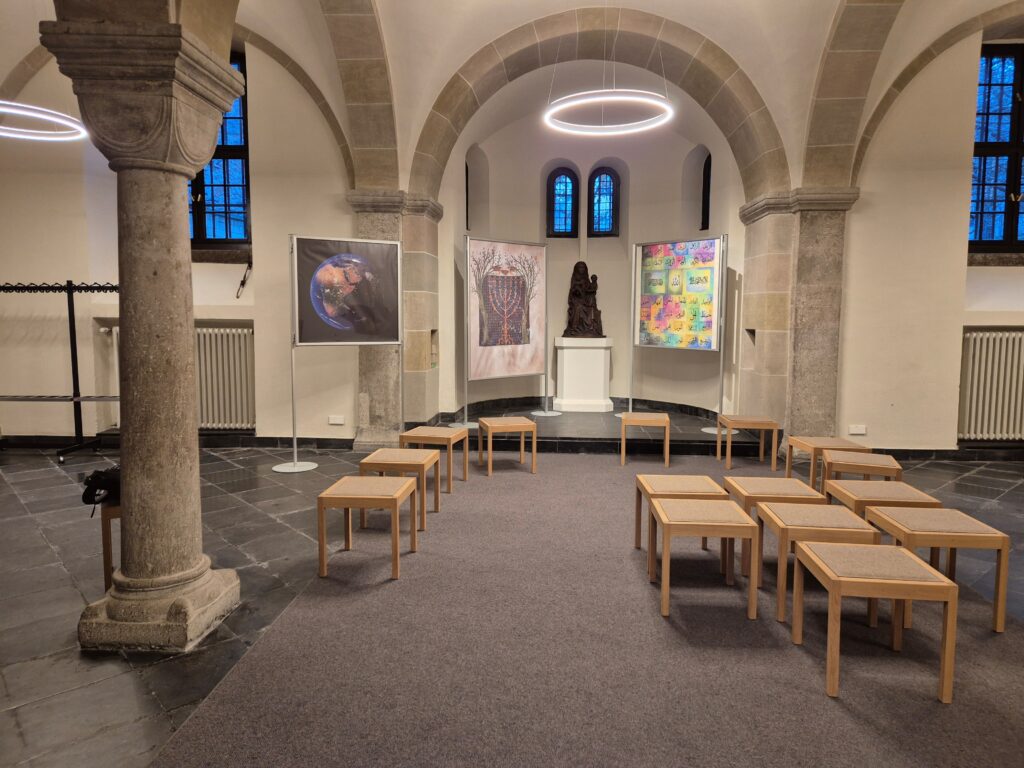
At the same time, the Klimagebet was understood in the course of the discussion as a contribution to social infrastructure in urban spaces. By holding the event in publicly accessible and sometimes unexpected locations—such as Bonn’s Marktplatz—new spaces for interaction could emerge where people from diverse backgrounds come together. This could strengthen social cohesion in cities and contribute to the development of inclusive communities (SDG 11).
The project focuses on climate change and biodiversity, which were described during the discussions as closely linked to spiritual and emotional experiences. Participants emphasized that integrating topics such as climate protection and biodiversity into liturgical practice opens up a new entry point for approaching ecological issues, while also providing new entry points for exploring religious themes. Engaging with nature and creation can raise awareness of biodiversity and ecological interconnections (SDG 15), foster a stronger sense of responsibility toward natural resources, and thus increase motivation for sustainable action (SDG 13).