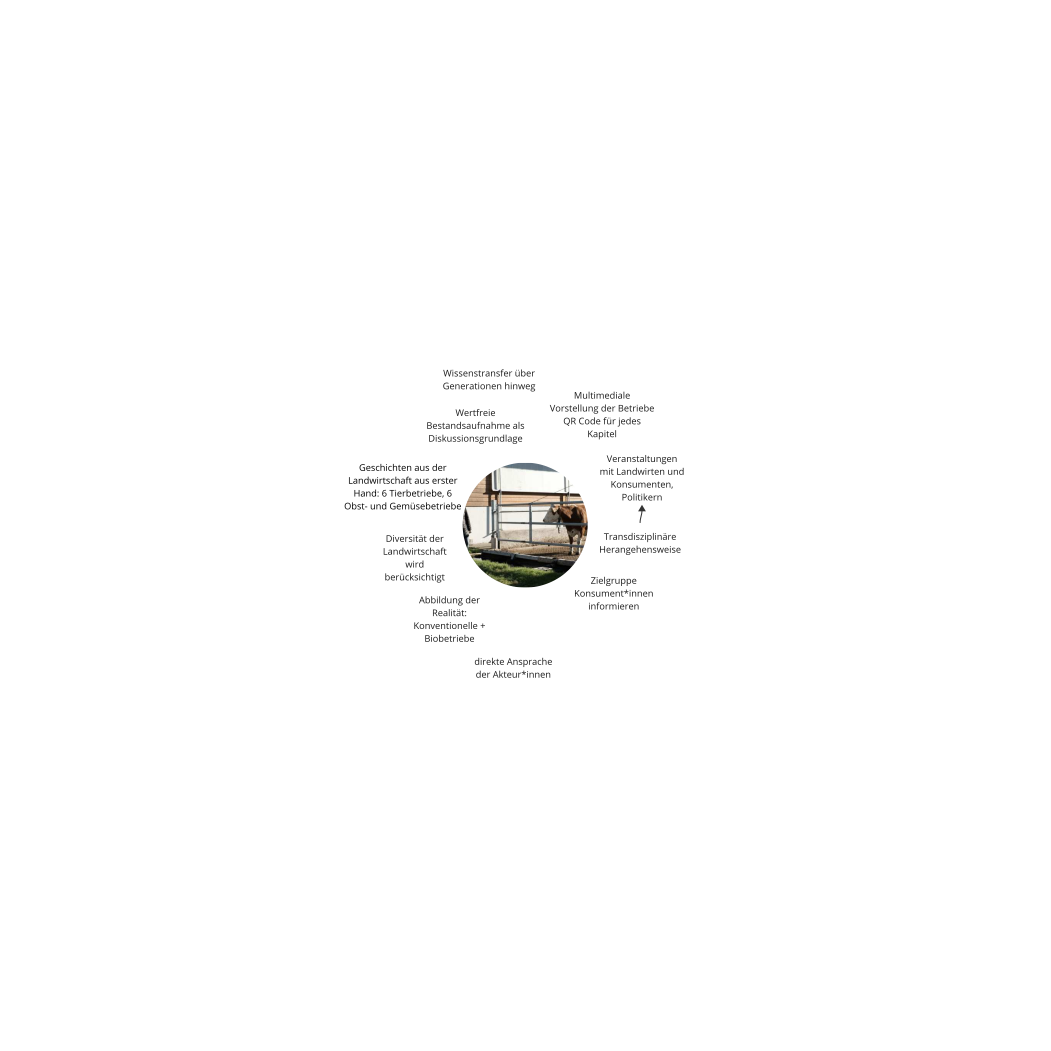
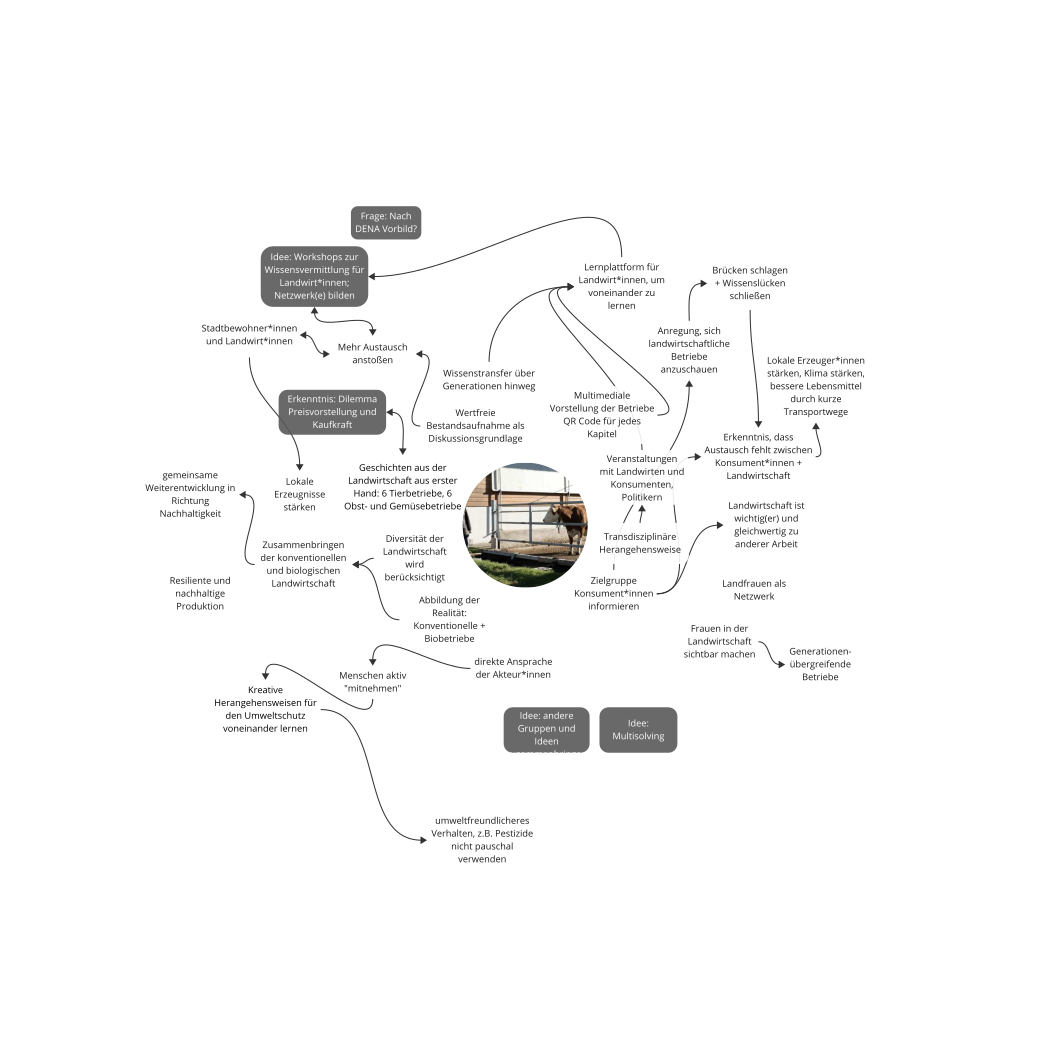

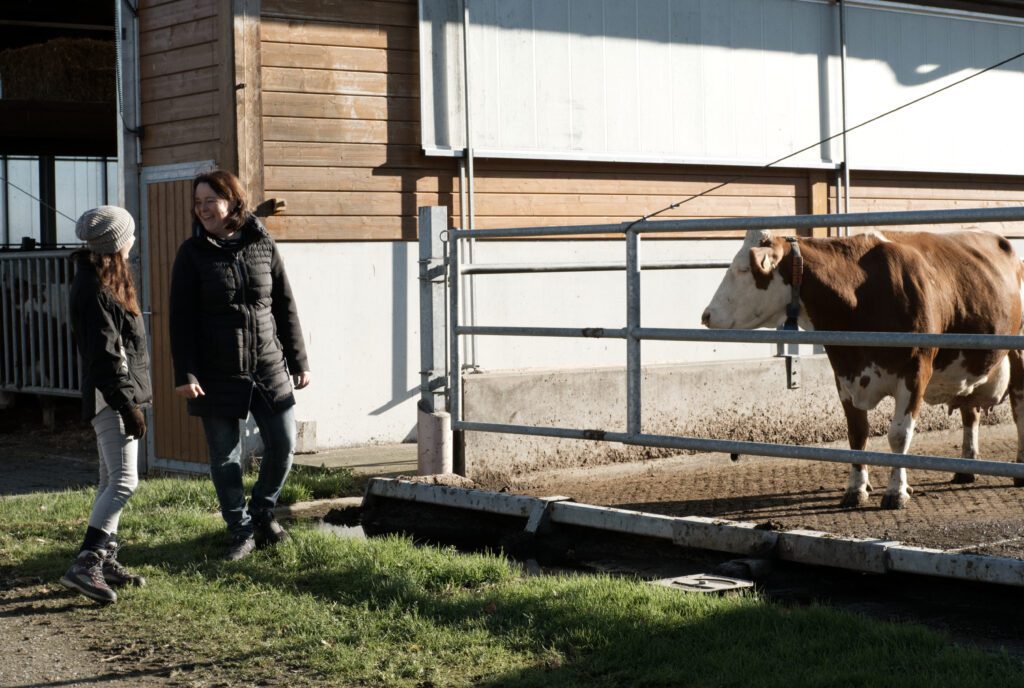
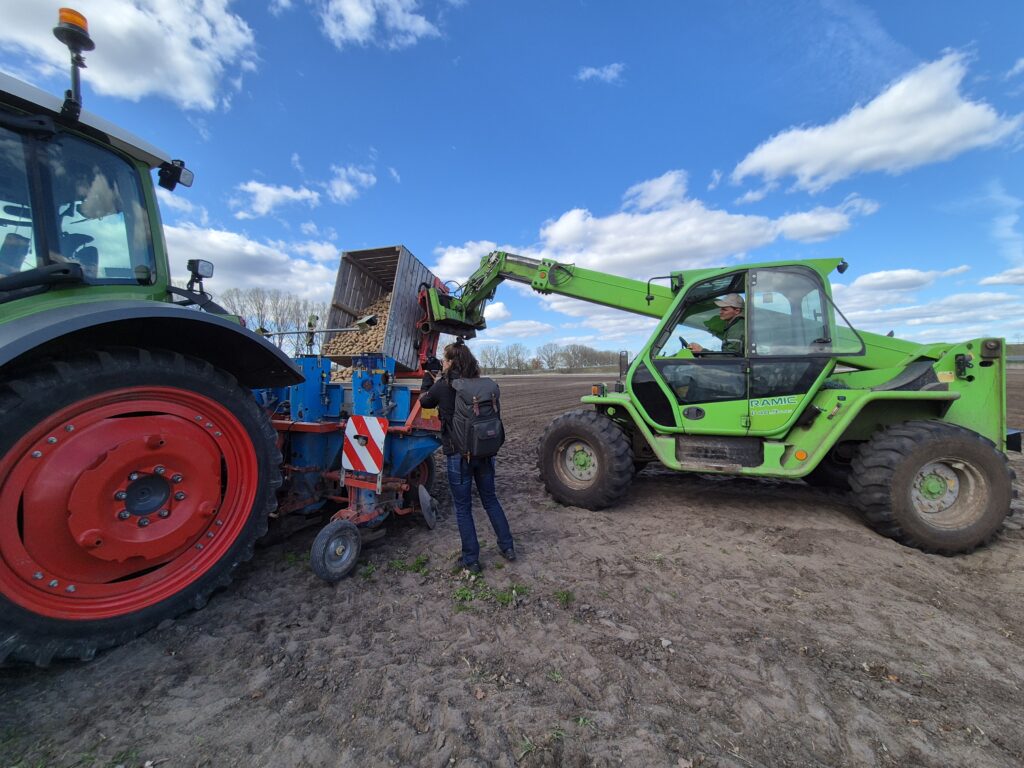
The Project Erde, Arbeit, Leidenschaft by authors Pia Münster and Kim Münster offers insight into the realities of life on family-run farms in Germany. At its core, it is a book project that also provides digital access to short films about the featured farms via QR codes. Through the personal stories of farmers, the book explores various farm models and the diversity of farming practices. The project focuses on key challenges facing modern agriculture, including climate change, generational transition, sustainable production methods, and digitalization—all of which are in tension with societal expectations, political mandates, and economic pressures. In addition, events such as readings bring together stakeholders from agriculture, politics, academia, and civil society to engage in a dialogue about the future of agriculture.
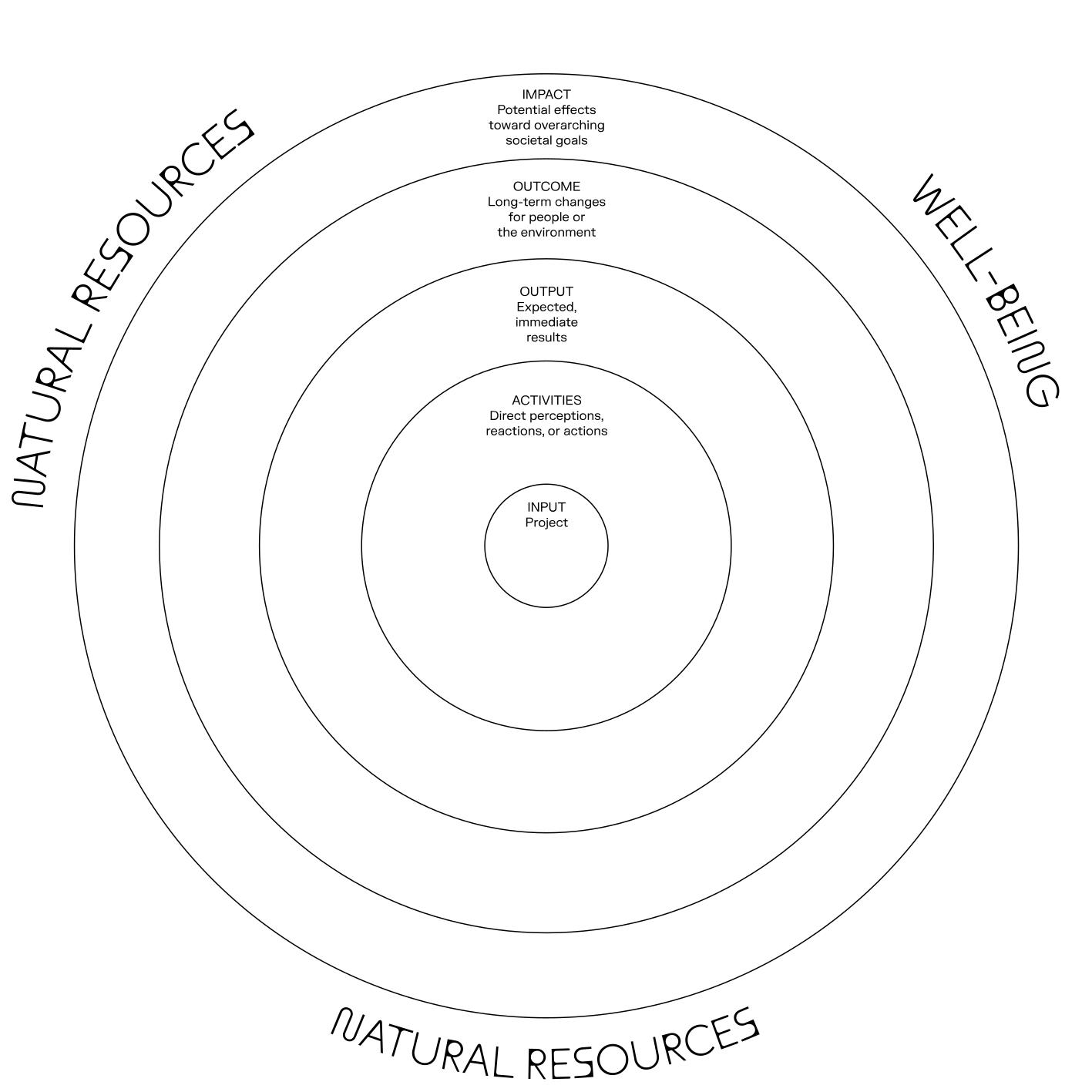
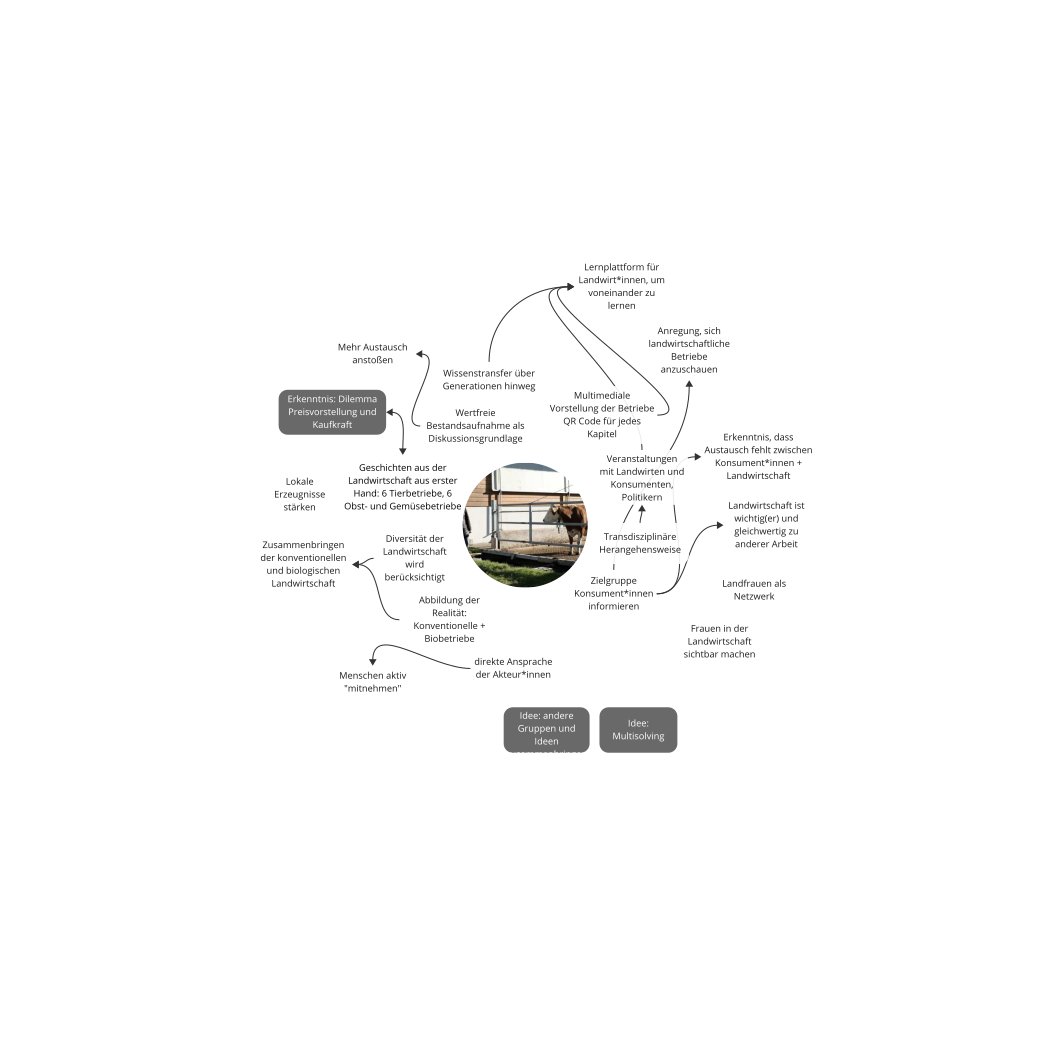
On March 12, 2026, the potential impacts of the Erde, Arbeit, Leidenschaft were analyzed using the Map/ing Sustainability method by an interdisciplinary group of artists, agricultural biologists, designers from various disciplines (including strategic design and digital product design), and individuals from the fields of film, sustainable education, and the arts and crafts. The authors presented the book and participated in the discussion.


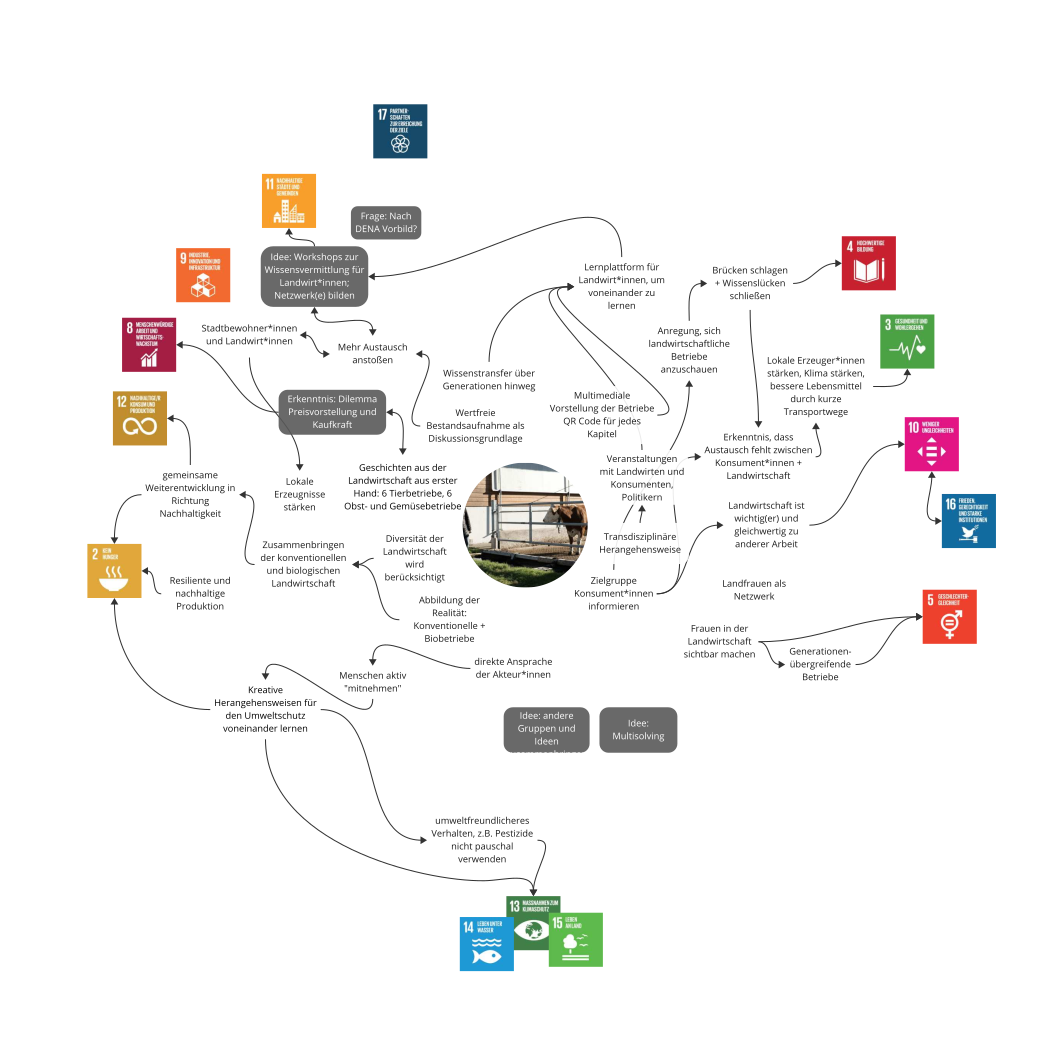
Participants in the impact analysis described the book and the accompanying formats as an important contribution to bridging the gap between agriculture and society. Particular emphasis was placed on the potential to foster understanding of the realities of life and work on farms and to bridge existing knowledge gaps between producers and consumers. The supplementary video clips make agricultural work tangible through personal insights into the farms and help viewers understand the associated decision-making processes. This could help bridge the social divide and more fully engage diverse population groups in the discourse on agriculture (SDG 10).
Furthermore, the project was seen as having significant educational potential. Participants emphasized that it particularly appeals to people without an agricultural background and that combining technical information with personal stories facilitates a low-threshold transfer of knowledge (SDG 4). The goal here is not to evaluate specific positions, but rather to highlight different perspectives and create a basis for discussion.
Another aspect of the project’s impact highlighted was the increased visibility of women in agriculture. The participants agreed with the authors that women farmers had long been invisible and that the project helps highlight their central role within agriculture and could thereby reduce gender-based inequalities (SDG 5).
At the level of Provisioning Systems, participants described the project as a contribution to the discussion on resilient and sustainable production systems. Particular emphasis was placed on the fact that the project highlights structural uncertainties and the significant pressure on farms to adapt. Discussions regarding future viability, investment security, and farm succession were identified as key prerequisites for long-term food security (SDG 2).
In addition, the participants discussed the economic challenges of sustainable agriculture. By highlighting specific farms, it became clear that more sustainable production methods are often associated with higher costs, while at the same time many consumers’ willingness to pay remains limited. Readers and viewers can be encouraged by the project to reflect on their own role in this system (SDG 8).
In the context of innovation and sustainable development, particular emphasis was placed on the diversity of agricultural approaches featured in the book. Participants appreciated that the project did not pit “conventional” against “organic,” but rather highlighted different forms of sustainable practice. Examples of integrated or partially organic farming methods were described as creative and practical solutions that demonstrate how farms can be made more sustainable step by step (SDG 9).
At the same time, the project could build bridges between urban consumption and rural production. Events promote dialogue among the agricultural sector, policymakers, the food industry, and consumers on an equal footing, thereby highlighting shared responsibilities for sustainable consumption and production (SDG 12).
In addition, collaboration among various societal actors was highlighted as a key mechanism driving the project. In particular, the connection between art, science, politics, and civil society, as well as the transdisciplinary event formats, were seen as conducive to jointly shaping the future of agriculture (SDG 17).
With regard to Natural Resources, the participants described the project as a contribution to the collaborative shaping of transformation processes toward agriculture that is more climate- and environmentally friendly. It makes historical developments and the structural conditions of agricultural operations easier to understand and stimulates discussions about future forms of sustainable agriculture (SDG 13).
At the same time, resource-efficient farming practices would be highlighted. The presentation of different farming models and reduced pesticide use would illustrate concrete approaches to protecting Natural Resources and promoting biodiversity and soil quality. This could open up new perspectives on sustainable agriculture and encourage mutual learning (SDGs 14, 15).