Symposium
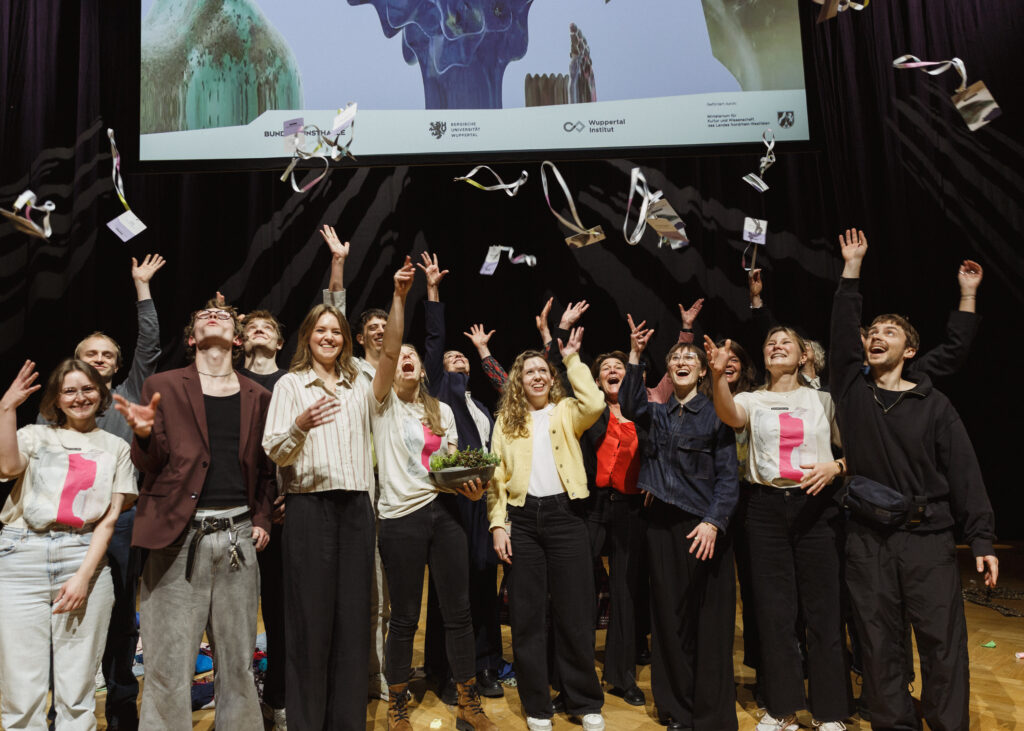
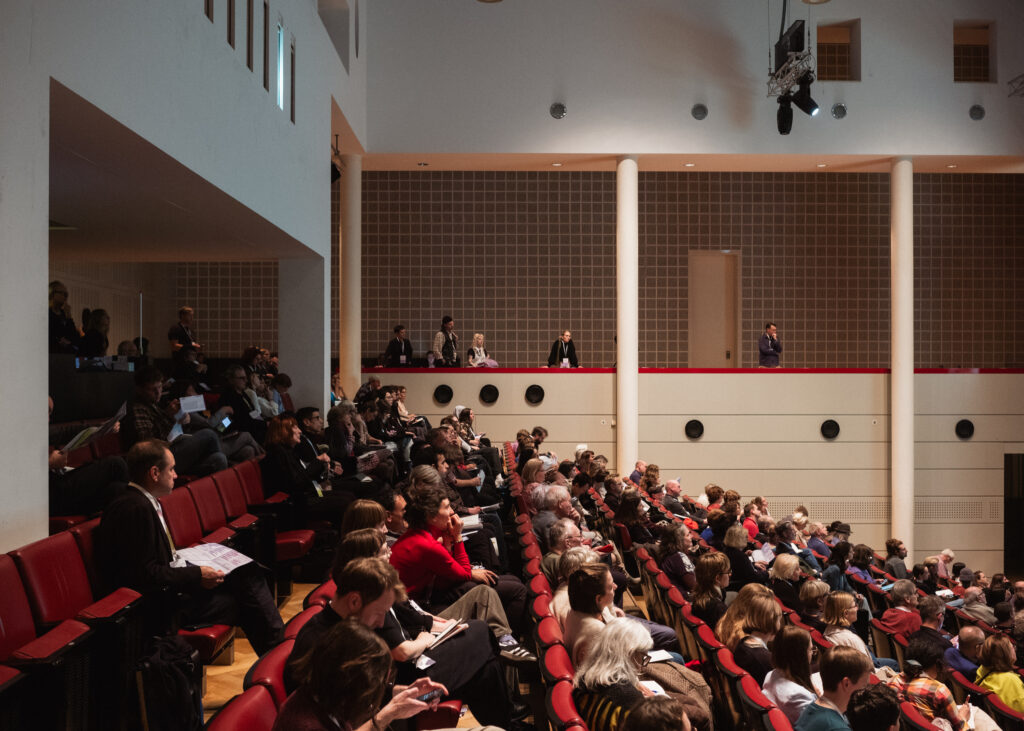
On November 13 and 14, 2025, the transform.NRW Symposium brought together around 400 stakeholders from the arts, culture, design, academia, business, politics, and civil society at the Bundeskunsthalle in Bonn. The goal was to exchange perspectives on socio-ecological transformation, foster new alliances, and strengthen a shared understanding of sustainable design. Various approaches and aspects of sustainable design were explored through panels, salons, labs, guided tours, and performances.
Program
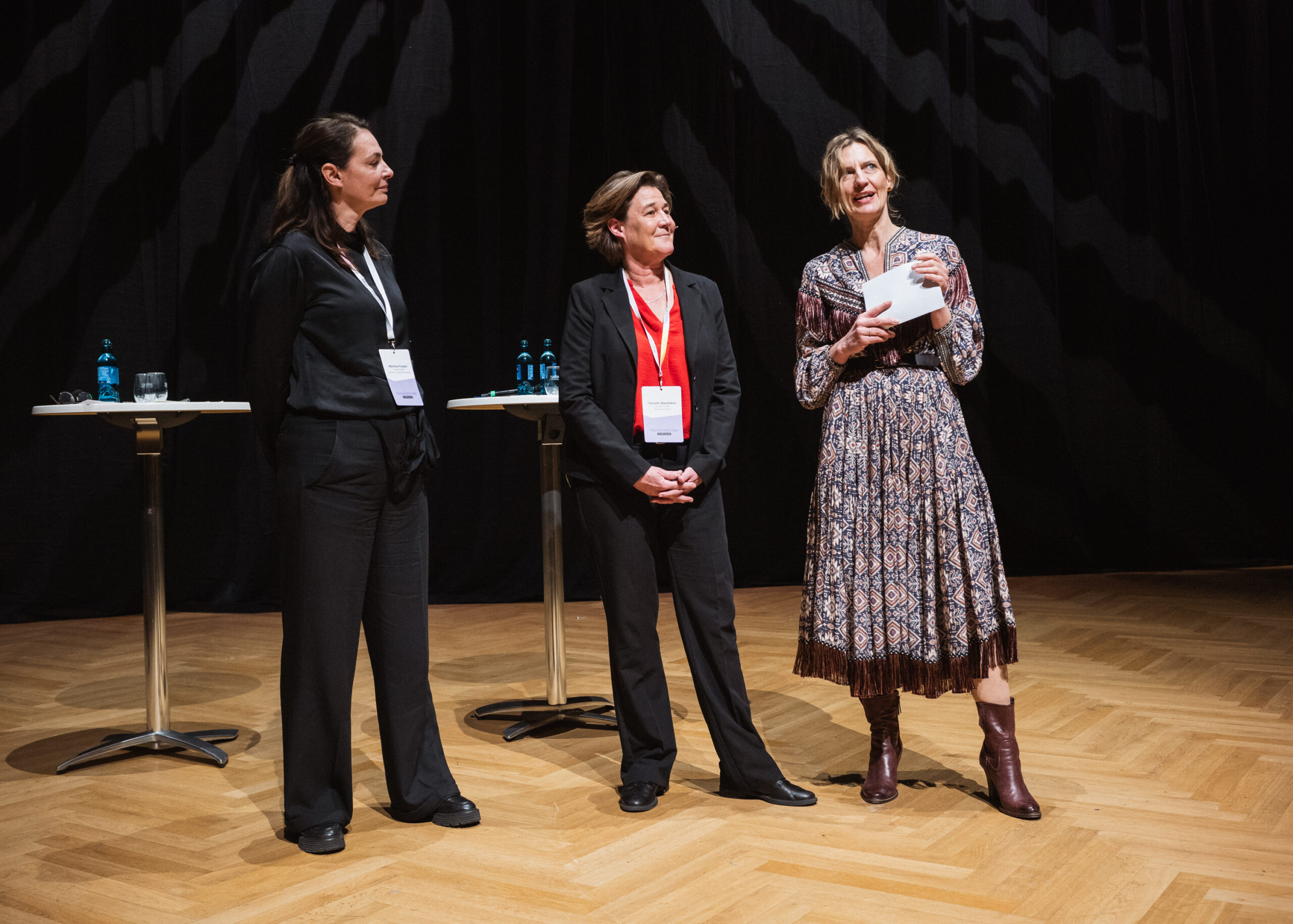
Following opening remarks by Eva Kraus, Director of the Bundeskunsthalle, Carolin Baedeker and Martina Fineder, speaking on behalf of the project management team, introduced the program’s focus: how art and design, together with the sustainability sciences, can make processes of social transformation visible, tangible, and shapeable.
A key focus of the opening was the pre-launch of the transformative platform, which, starting in the fall of 2026, will serve as an open digital infrastructure to make best practices, methods, and tools for sustainable design publicly available.
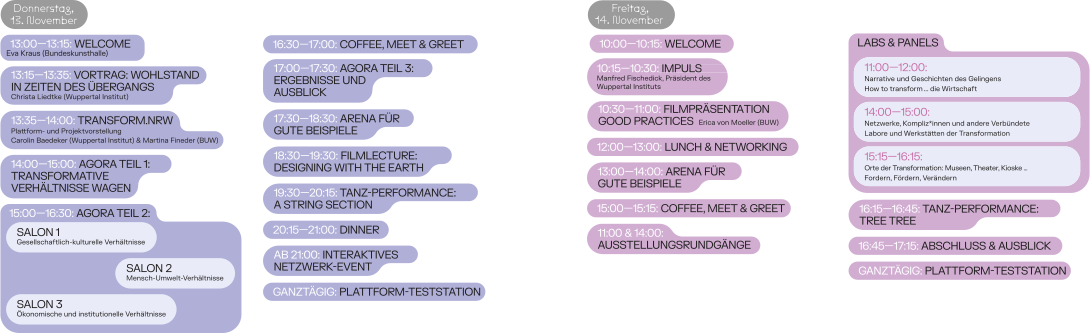
Christa Liedtke opened the Agora on the first day of the symposium—as a shared space for dialogue—with a presentation on prosperity in times of transition: Following thematic keynote presentations, three breakout sessions examined social, ecological, and economic conditions, ultimately leading to a discussion of vision statements and transformation strategies centered on the guiding question, “What must we dare to do?” The respective findings were then brought together in the Agora through a discussion among all participants, moderated by Bernd Draser and Janine Steeger (ecosign).
The second day of the symposium was opened by Manfred Fischedick with a presentation on key challenges in global sustainability policy, serving as a transition to the following program items: Erica von Moeller presented initial insights into the audiovisual cataloging of the Good Practice Collection and then discussed narrative forms of social transformation during the panel discussion “How Do We Tell Stories of Change?” Workshops, panels, and guided tours took place in parallel, including “How to Transform … the Economy and Networks,” “Comrades and Other Allies, ” as well as panels on transformation labs and Sites of Transformation.
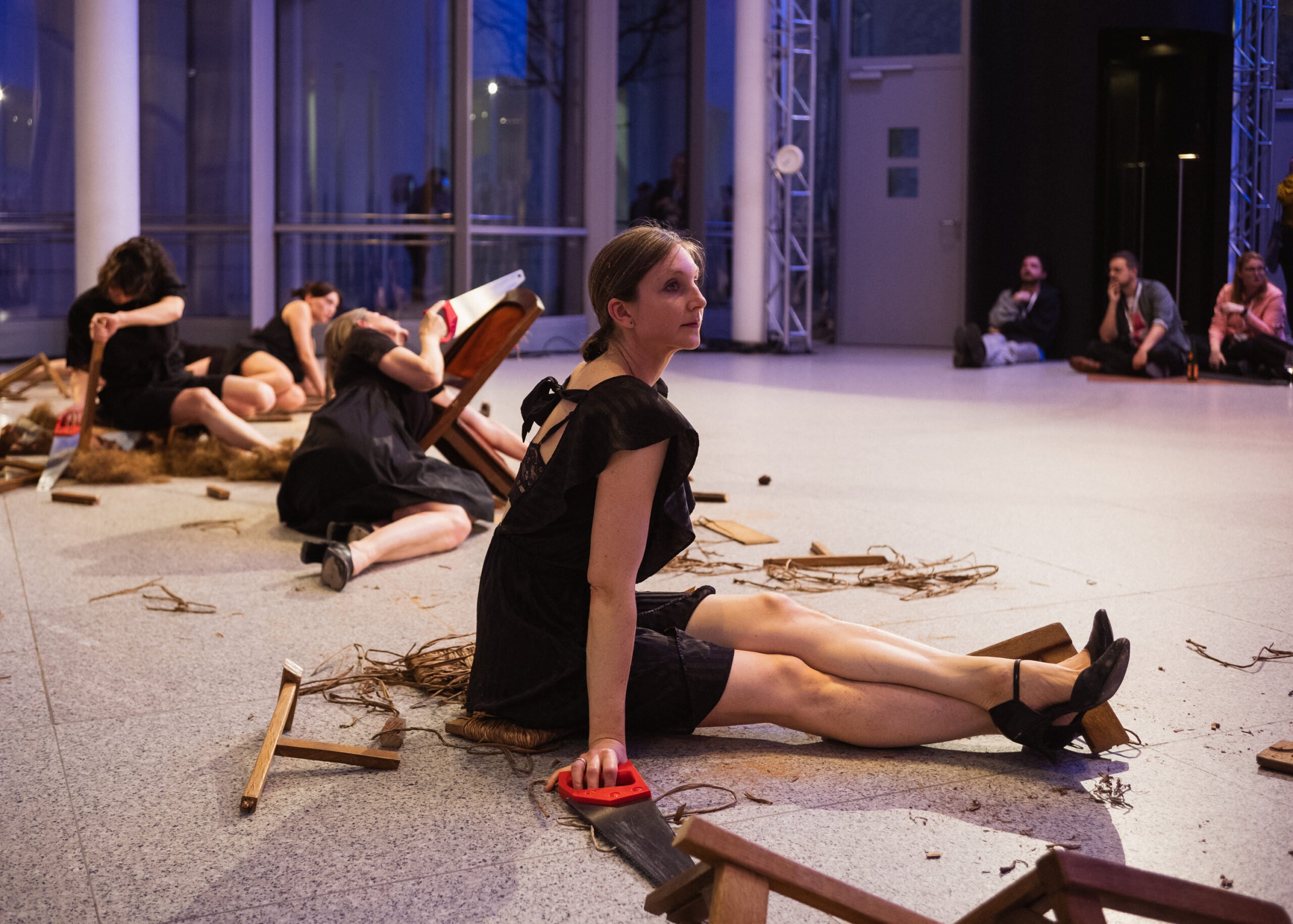
The program of discussions was complemented by a lecture-performance by Metahaven, dance performances by Reckless Sleepers and Kenji Shinohe, and a networking event with musical accompaniment by Gîn Bali (YAYA).
In cooperation with creative.nrw, a total of nine projects aimed at a more socially just and environmentally responsible future were presented over the two days, two of which won awards funded by NRW.Bank. The audience voted for “Colors of Love ” and “Das Rezyklat.”

What have we learned?
Sustainable transformation begins with the question of how we want to live in the future. It is not technology that defines society’s future, but rather society’s ideas about what constitutes well-being. Political decisions, economic priorities, and technological developments follow from this—not the other way around.
Sustainable futures emerge where different forms of knowledge, perspectives, and experiences come together. Art, culture, and design create scenarios, images, objects, and spaces through which social realities are reflected upon, certainties are challenged, and possible futures are brought to life. They are part of the social processes that make change conceivable, negotiable, and shapeable in the first place.
The symposium made it clear just how important open spaces for democratic negotiation are for future societal processes. Different perspectives and interests were not pitted against one another, but were productively brought into dialogue with one another. Differences, in particular, proved to be a prerequisite for change: diversity fosters the capacity to learn, resonance, and resilience—whereas monocultures of thought, on the other hand, run the risk of suffocating under their own closed-mindedness.
Perhaps one thing in particular became clear over the course of those two days: futures emerge where people are willing to think, tell stories, and act differently together. In the unique atmosphere of the Bundeskunsthalle, a shared space for experience emerged amid panels, salons, labs, exhibitions, and performances—a space where change was not merely discussed but was already being put into practice.
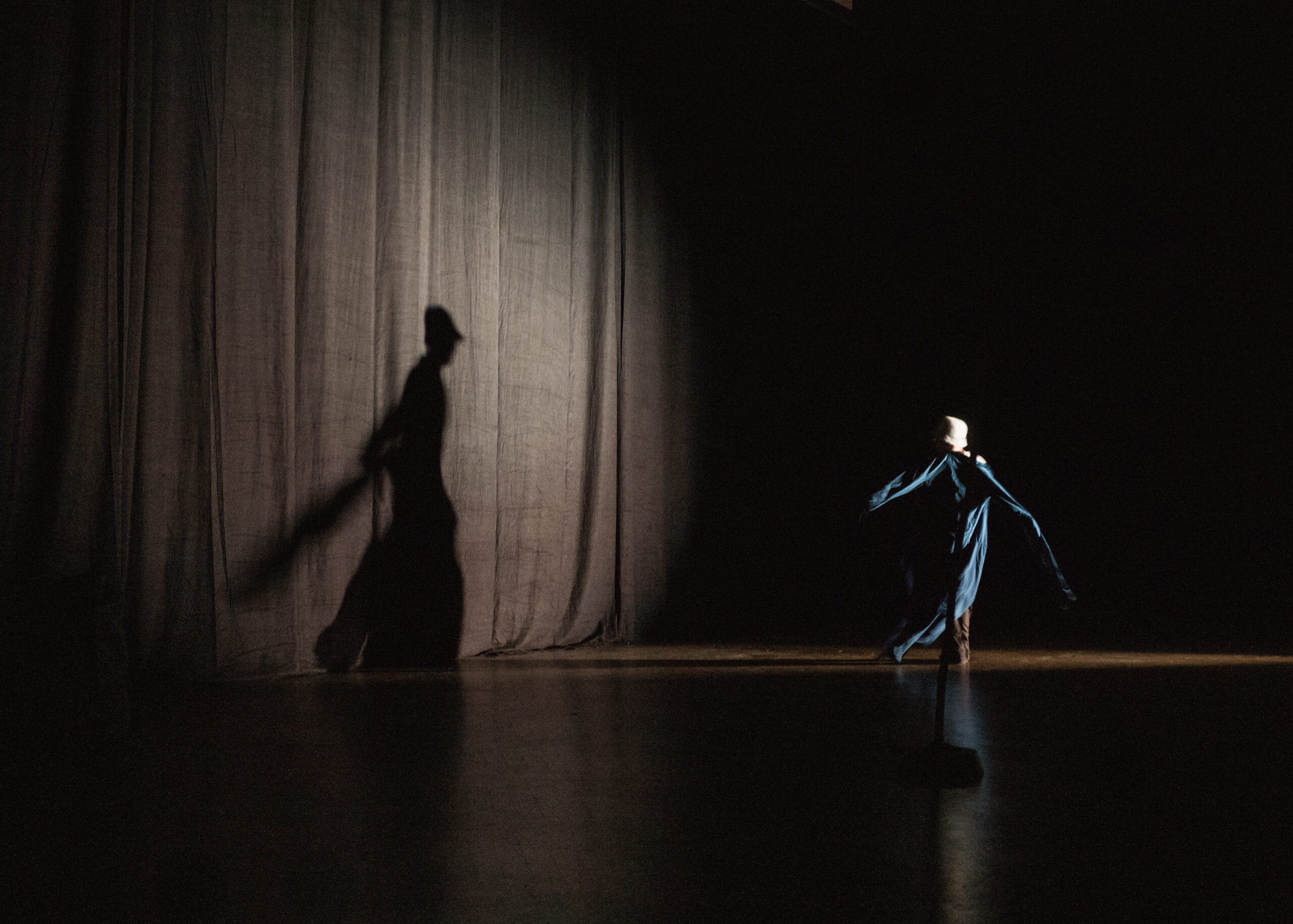
The event concluded on a fitting note: Kenji Shinohe’s solo performance *Tree Tree*, set against the backdrop of the 2011 nuclear disaster in Japan, tells the story of a single pine tree’s resilience as a poetic expression of both ecological vulnerability and unyielding resilience.