Symposium – November 14, 25
Table of Contents
- 1. IMPULS: On the Importance of Art, Culture, and Design for the Transition to Sustainability
- 2. LABS & PANELS
- 2.1. Panel: Narratives and Stories of Success
- 2.2. Lab: How to Transform … the Economy
- 2.3. Lab: Networks, Comrades, and Other Allies
- 2.4. Panel: Laboratories and Workshops of Transformation
- 2.5. Panel: Sites of Transformation – Museums, Theaters, Kiosks, and Other Cultural Venues
- 2.6. Panel: Challenging, Supporting, Changing (In cooperation with the Sustainability 2030 Science Platform)
IMPULS: On the Importance of Art, Culture, and Design for the Transition to Sustainability
During the conference, Manfred Fischedick, President of the Wuppertal Institute for Climate, Environment, and Energy and a professor at the University of Wuppertal, outlined the key challenges facing global sustainability policy. In doing so, he set the stage for the subsequent labs and panel discussions.
His analysis is based on the 17 United Nations Sustainable Development Goals adopted in 2015, which outline a comprehensive roadmap for sustainability by 2030. However, the midterm review reveals significant shortcomings: the international community is on track for only one-sixth of the goals, while the indicators for another one-sixth are actually moving in the wrong direction; for about two-thirds of the goals, there has been little progress.
“We have a huge gap in action—even though the visible damage is steadily increasing.”
This assessment aligns with findings regarding planetary boundaries. Ecological thresholds have now been exceeded in seven out of nine areas, most recently including ocean acidification. At the same time, global resource consumption, waste volumes, and geopolitical tensions over critical raw materials are on the rise. These ecological crises overlap with social inequalities and opportunities for action. For example, the wealthiest 10 percent of the world’s population account for about 60 percent of greenhouse gas emissions while also holding the majority of global wealth—a dual imbalance of responsibility and influence.
“We need to be much more bold in taking action and join forces to step up our implementation efforts.”
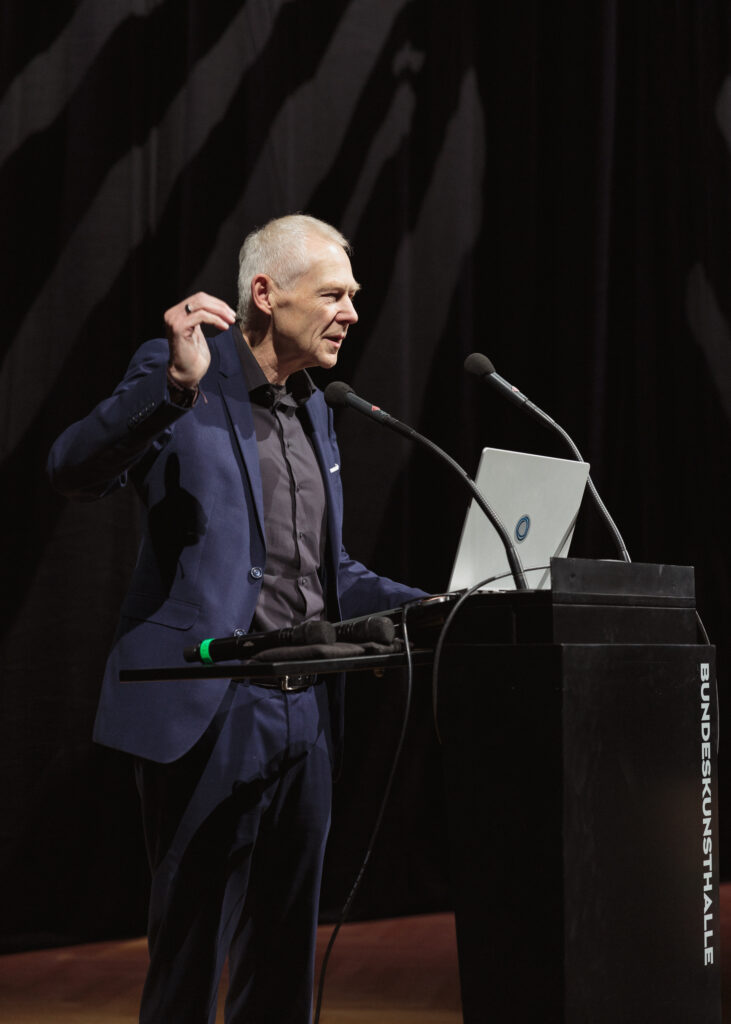
This is particularly true in light of international climate policy and the insufficient momentum to date surrounding the 2015 Paris Agreement. To meet the 1.5-degree target—which more than 190 countries consider desirable—the world must become greenhouse gas neutral by 2050. In fact, however—setting aside extreme events such as the COVID-19 pandemic—global emissions continue to rise. In 2024, the 1.5-degree threshold was exceeded for the first time in a single year. The national emission reduction roadmaps currently required under the Paris Agreement point to a warming trajectory of approximately 2.6 to 2.8 degrees Celsius by the end of the century.
Against this backdrop, a fundamental change of course is necessary. Together with the Club of Rome, Manfred Fischedick describes this necessary shift in direction as a “Giant Leap”—a major leap rather than gradual, small adjustments. Such a major leap is still necessary for Germany as well, even though Germany has already reduced its emissions by 48 percent since 1990. At least a doubling of annual reduction efforts is necessary to achieve the goal of climate neutrality by 2045, as stipulated in the national Climate Protection Act.
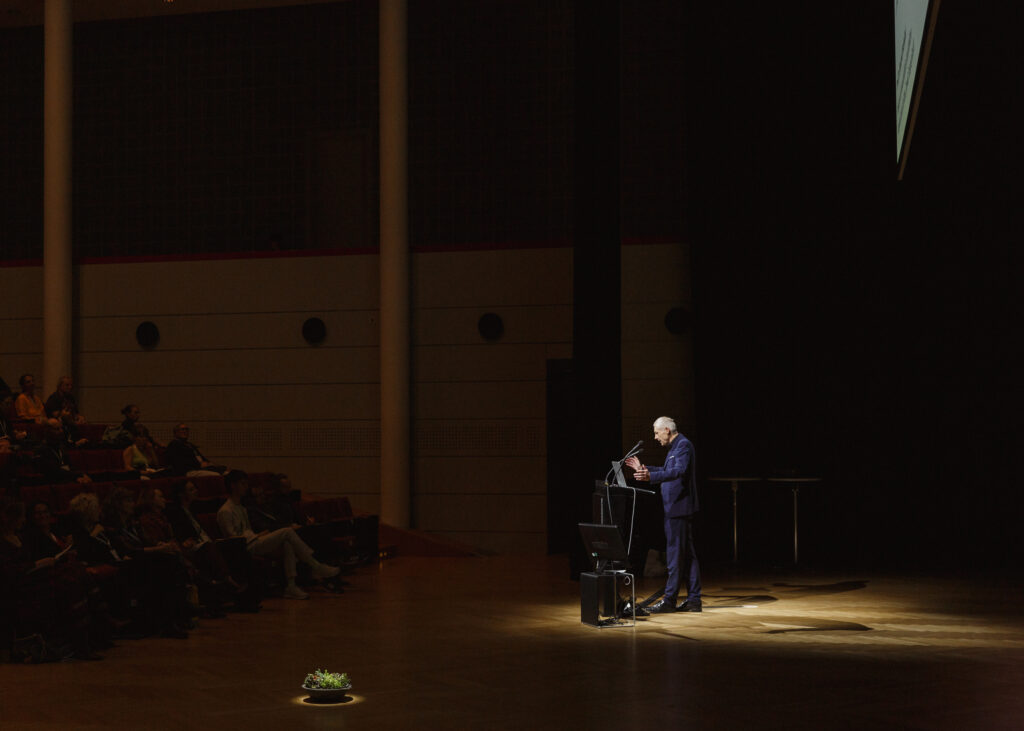
He identifies short-term political thinking, social conflicts, disinformation, and the complexity of multiple crises as key obstacles. Nevertheless, he remains optimistic, as he believes that transformation is possible, though it requires courage, continuity, and new alliances between academia, politics, and business. Increased engagement with the arts and culture plays a central role in this process. Crucial to this is the development of a culture of empowerment that structurally facilitates sustainable action for as many people as possible and strengthens social participation. In this context, climate and resource protection are not a luxury but, especially in today’s world, are associated with tangible added value, as most of these measures simultaneously lead to a reduction in vulnerability to geopolitical crises and dependencies.
“Greater collaboration between science, art, design, and culture unleashes the urgently needed creative energy needed to explore new approaches to solving problems.”
LABS & PANELS
Panel: Narratives and Stories of Success
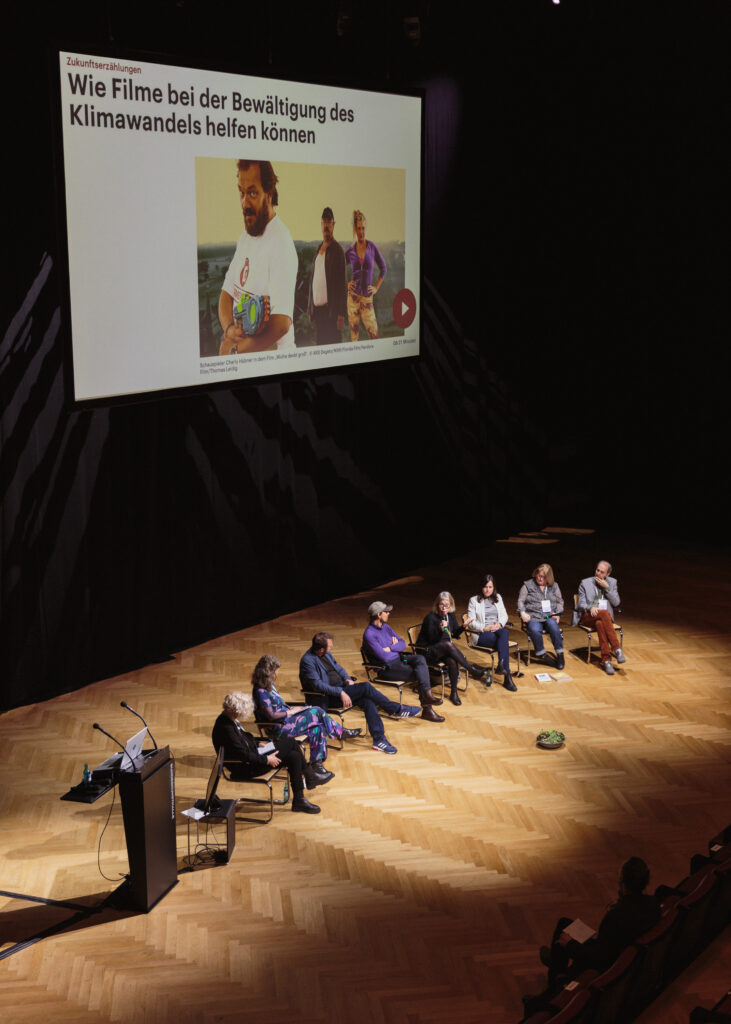
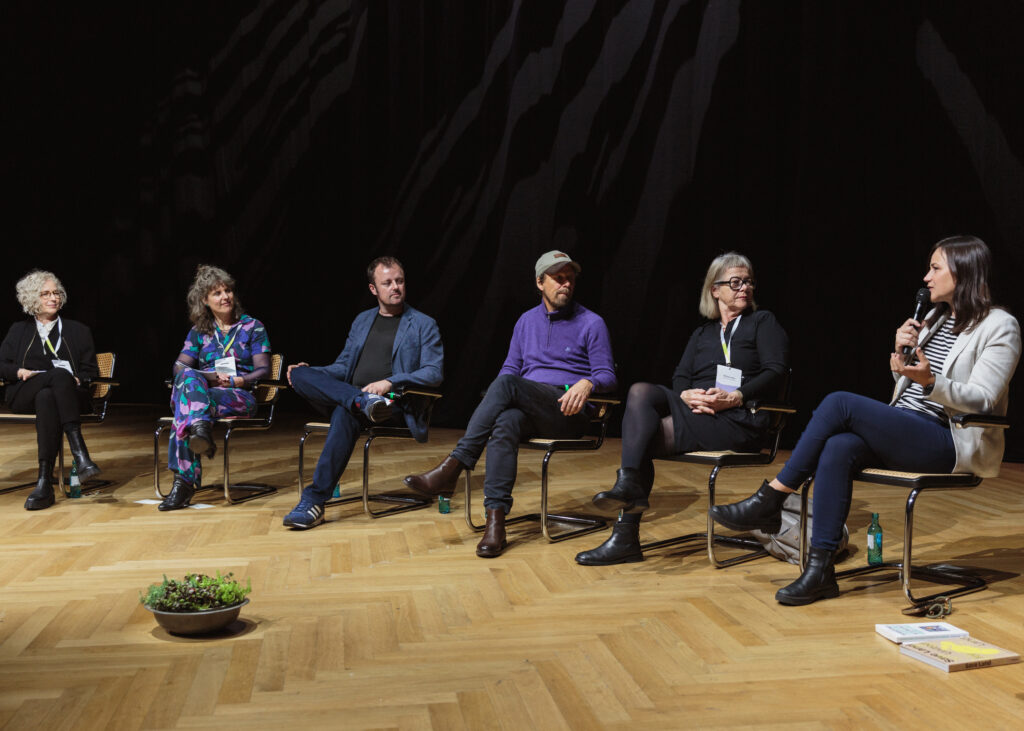
Participants: Fabian Hemmert (BUW), Lars Jessen (Planet Narratives), Bettina Milz (Pina Bausch Center), Bettina Paust (Cultural Office of the City of Wuppertal), Henriette Pleiger (Bundeskunsthalle), Nicole Zabel-Wasmuth (Planet Narratives). The panel was moderated by Dunja Karabaic (ökoRAUSCH) and Erica von Moeller (BUW).
How do we tell stories of change? The panel “Narratives and Stories of Success,” featuring experts from film, art, design, academia, and curatorial practice, addressed this central question. At the heart of the discussion was the conviction that socio-ecological transformation cannot be conveyed through facts alone, but rather through stories, images, and emotions that make the future tangibly experiential.
At the outset, the moderators emphasized that the goal was to “actually use imaginative and narrative formats and practices as drivers of change.” Narratives are not merely byproducts of political processes, but can themselves guide action. The discussion spanned the spectrum from utopia to dystopia, from process to a fully formed vision of the future.
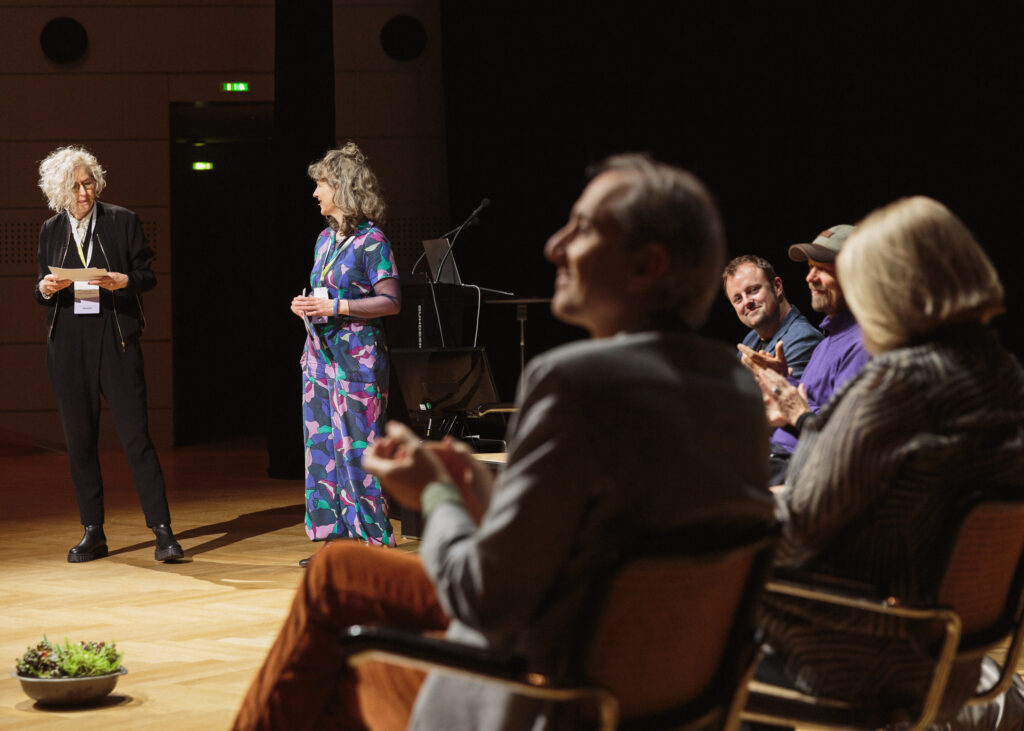
Reference was made to studies from the film industry that show that neither pure dystopia nor naive utopia can sustainably motivate audiences. Stories that highlight existing solutions and embed them in realistic visions of the future are more effective. Transformation must be portrayed as a process involving uncertainties, contradictions, and a loss of control. Others argued that we should not only show the “showroom” of the finished world, but also the chaos of the transition. After all, transformation is also a kind of loss of control.
Processuality also plays a central role in art and theater practice. Projects in public spaces were described in which supposed trash became a resource and new alliances emerged. Art opens up spaces of possibility and allows us to tolerate contradictions rather than hastily resolving them. It was emphasized that, from a curatorial perspective, the power of interdisciplinary exhibitions lies in making scholarly topics such as climate change or capitalism emotionally accessible, thereby creating new spaces for understanding.
A central theme was the issue of language and accessibility. It was emphasized that abstract concepts should be presented in an understandable way and linked more closely to people’s everyday realities. This would also allow us to highlight that “transformation” stands for change for the better and thus help develop an inclusive language. After all, the goal is to move from an individual focus to a collective perspective.
In closing, the panelists outlined what we need to dare to do in the future: more humor, more interdisciplinary collaboration, more international perspectives, and above all, the courage to “stop explaining and start telling stories.” For it is only through stories that touch people’s hearts that change becomes imaginable—and thus possible.
Lab: How to Transform … the Economy
With examples from: Max Godelmann (Godelmann GmbH & Co. KG), Verena Hermelingmeier and Bianca Orboi (Maarwerk Project and Alanus University), Andreas Kalweit (Niederrheinische Formenfabrik Janssen GmbH), Helga Kühnhenrich (Zukunft Bau, BBSR), Monika Lichtinghagen-Wirths (:metabolon, Bergischer Abfallwirtschaftsverband), Malene Saalmann (University of Kassel; SDG+ Lab), Tilo Schulz and Pradtke GmbH, Jochen Stiebel (Neue Effizienz gGmbH). Discussion with Angela Kesselring (Futures Being Made), Carsten Baumgarth (Berlin School of Economics and Law), Christa Liedtke (Wuppertal Institute). Methodological support provided by Katja Kremser and Martina Fineder (University of Wuppertal) as well as the transform.NRW team.
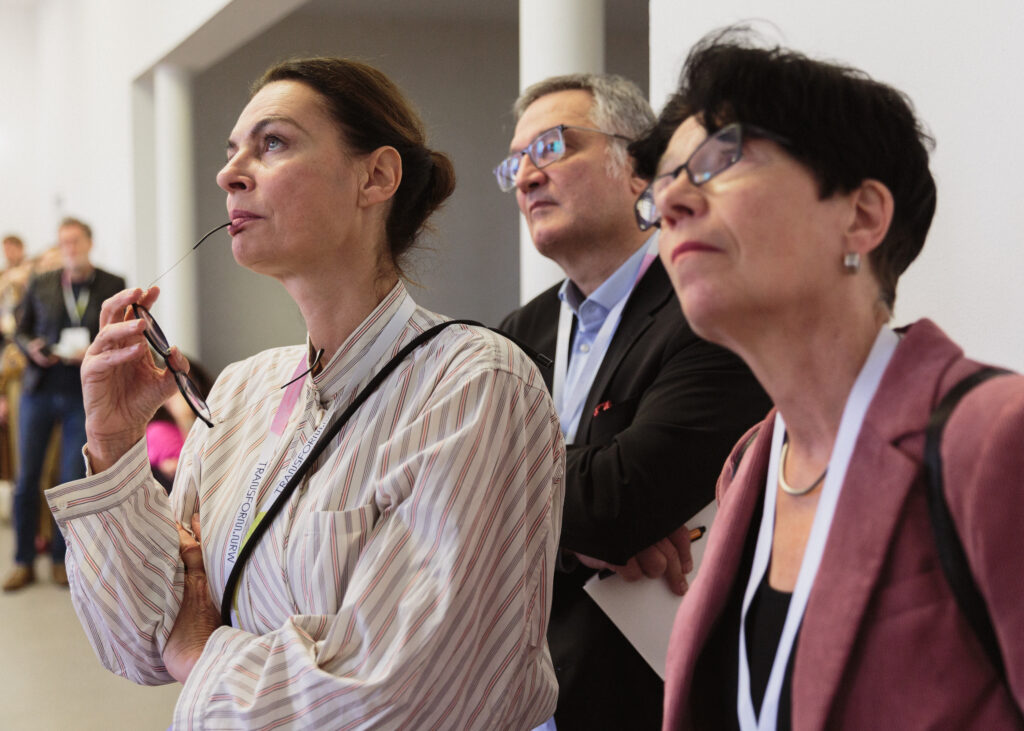
How does economic transformation work in practice—and what role do creative and artistic impulses play in this process? In an open World Café format, eight real-world examples from business, research, and design invited participants to explore this question in concrete terms. The focus was not only on the “what,” but above all on the “how ”: How can sustainability strategies be practically embedded in an economic context? And how can their effects be translated into broader societal contexts?
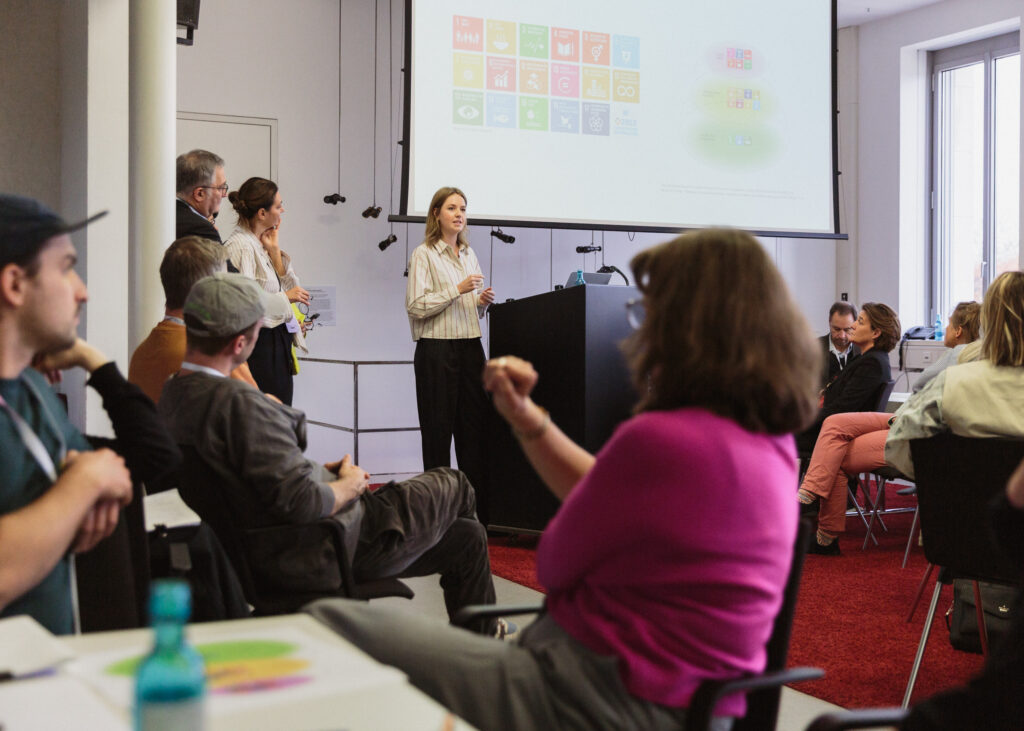
The eight stations, with their respective examples, covered a broad spectrum—from raw material processing to office design, from landfill repurposing to the construction transition. Helga Kühnhenrich presented the Zukunft Bau pop-up campus. This campus brings together research, teaching, and urban life in one central location. Verena Hermelingmeier and Bianca Orboi presented the Maarwerk project: a family-run commercial space in Beuel-Ost that is to be gradually transformed into a real-world laboratory for regenerative, local economic activity. Andreas Kalweit described how he is transitioning the long-established Niederrheinische Formenfabrik Janssen GmbH into the digital age in a socially just and environmentally responsible manner. Malene Saalmann presented the FatTex research project, an initiative that reimagines the process chain for local sheep’s wool—from wool washing to recyclable textile products. Monika Lichtinghagen-Wirths described the transformation of the Leppe landfill into the innovation hub :metabolon. Max Godelmann introduced the GDM Klimastein, a climate-positive concrete block through which his family business aims to become Europe’s greenest concrete block plant. Jochen Stiebel presented Circular.Office, which develops circular product prototypes and new business models for sustainable office design. Finally, Tilo Schulz reported on his project at Pradtke GmbH in Bochum, where he is using workspace design to foster a sustainable corporate culture.
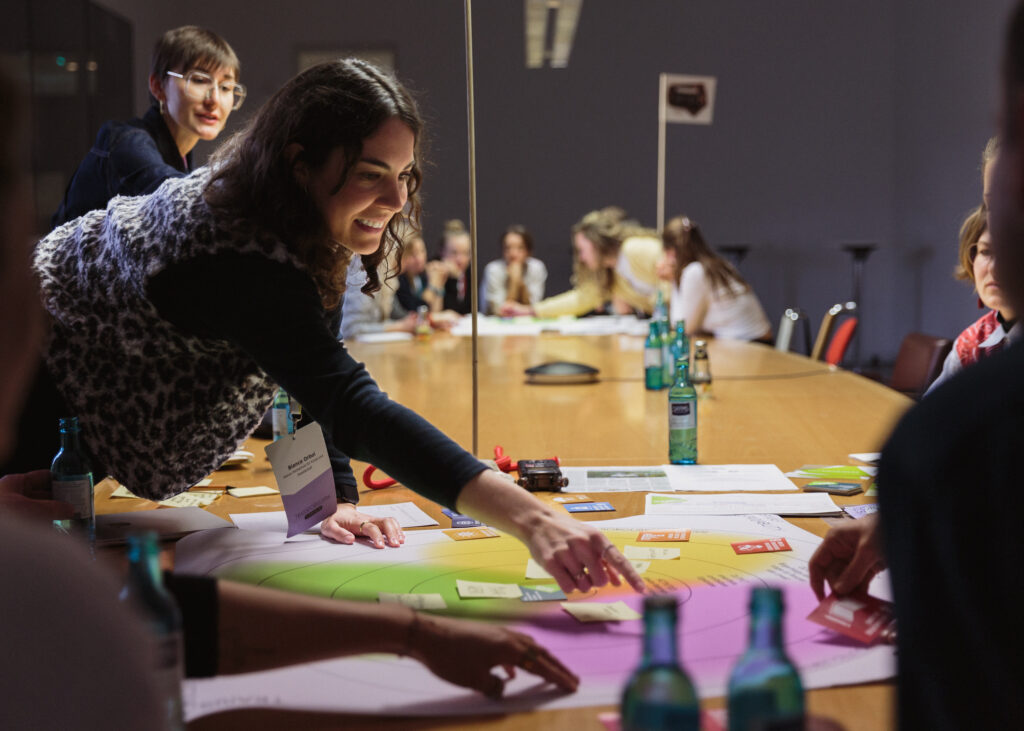
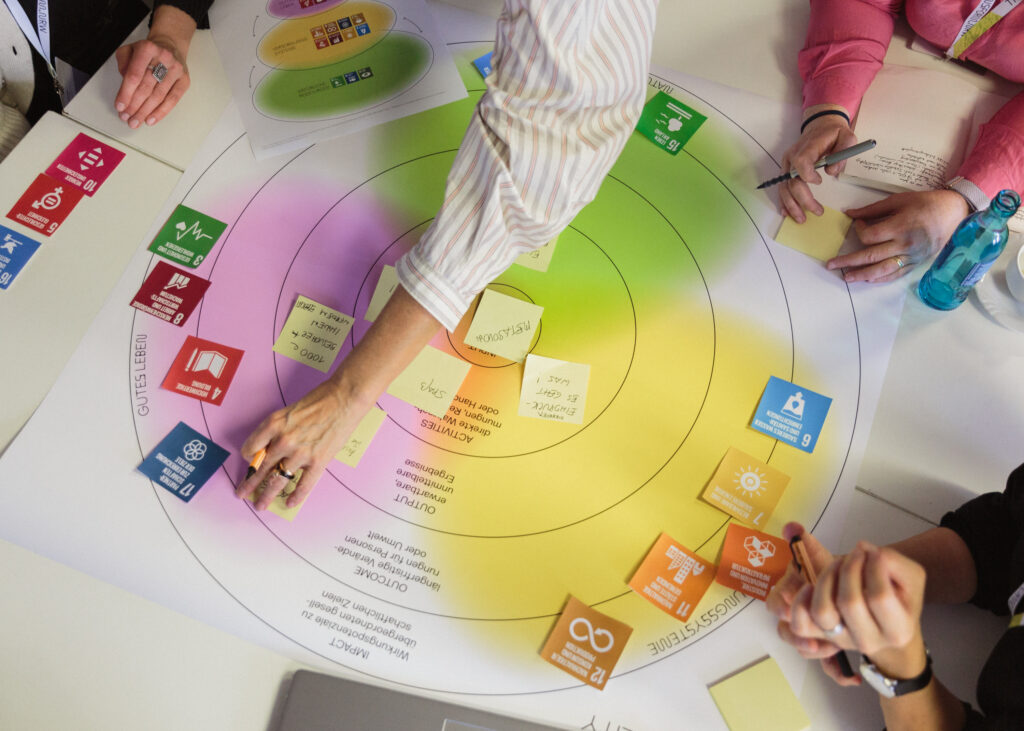
At each station, participants worked together using the Map/ing Sustainability method. This is an impact analysis approach that makes the positive impact potential of projects and initiatives visible and open to discussion in line with the UN Sustainable Development Goals (SDGs). The starting point is the specific activities of a project.From there, chains of social impact are gradually built up: from immediate outputs through medium-term outcomes to far-reaching social impacts. The method highlights how ecological, social, and economic dimensions are interdependent and reinforce one another. At the same time, it creates a shared framework for understanding.Through dialogue among practitioners from the business sector, researchers, and other participants, a shared understanding emerges of where and how a project intervenes in comprehensive transformation processes. This revealed just how complex and multifaceted even seemingly clearly defined projects can be: A water-retaining concrete block, for example, simultaneously affects the areas of health, urban life, and natural resources. Jointly exploring these interconnections served as both the goal and the method—as a practical contribution to the development of a collective sustainable design literacy.
Lab: Networks, Comrades, and Other Allies
Contributors: Jacob Sylvester Bilabel (Green Culture Contact Point), Christina Dath (NRW KULTUR Secretariat), Nina Hensel (Performing for Future), Bianca Herlo (DGTF), Geske Houtrouw (Düsseldorf Chamber of Crafts), Kim Huber (transform.NRW), Selina Kahle (2N2K), Margarethe Kreuser (2N2K), Franziska Hartmann (#Weben für morgen), Harriet Oelers (Green Culture Dortmund), Ines Rainer (creative.nrw), Eva Rudolf (co-do! lab), Christina Dath (NRW KULTUR Secretariat). The lab was moderated by Carolin Baedeker (WI) and Uta Atzpodien (freelance dramaturg).
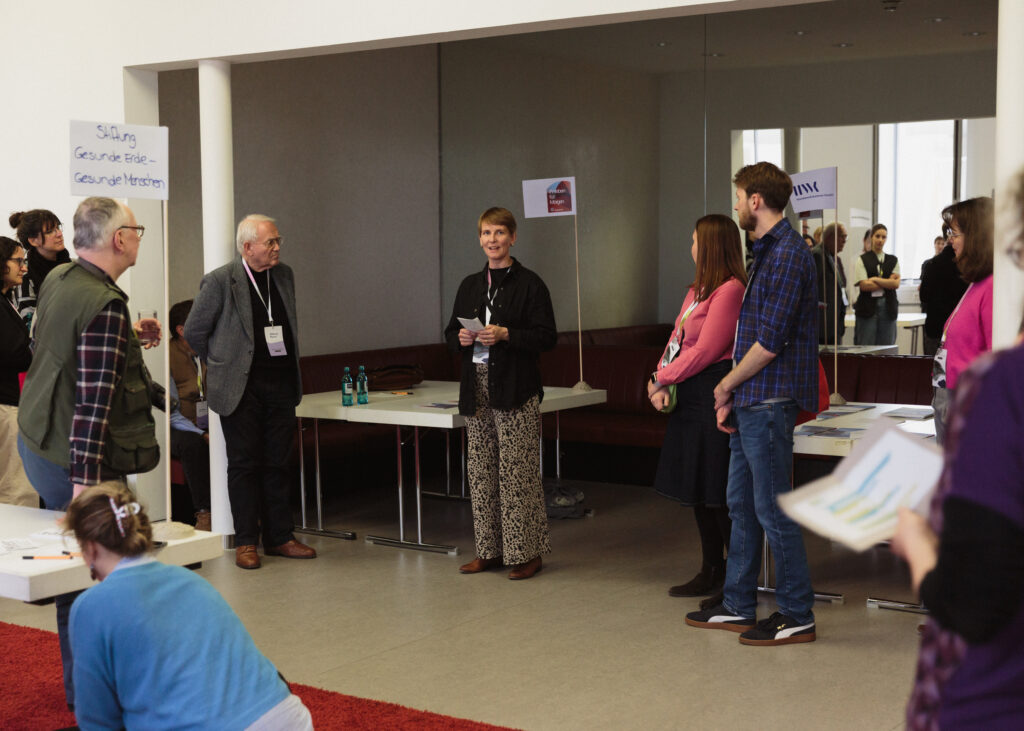
How do actors from the fields of art, culture, design, science, politics, and business come together to form networks that enable and support sustainable social development? This central question was the focus of the panel “Networks, Collaborators, and Other Allies,” which was designed as an open-format event in the spirit of a “market of possibilities.”
Representatives from twelve networks in the fields of art, culture, design, and sustainability—ranging from the local to the national level—as well as other symposium participants came together to exchange experiences and perspectives and explore new alliances. Where different disciplines intersect, dialogues emerge, but so do frictions and resonances. Design and change are not linear processes, but rather the result of complex relationships and dynamic negotiations. The discussions in this lab centered on the question of which “network forms” can be sustainable in the long term.
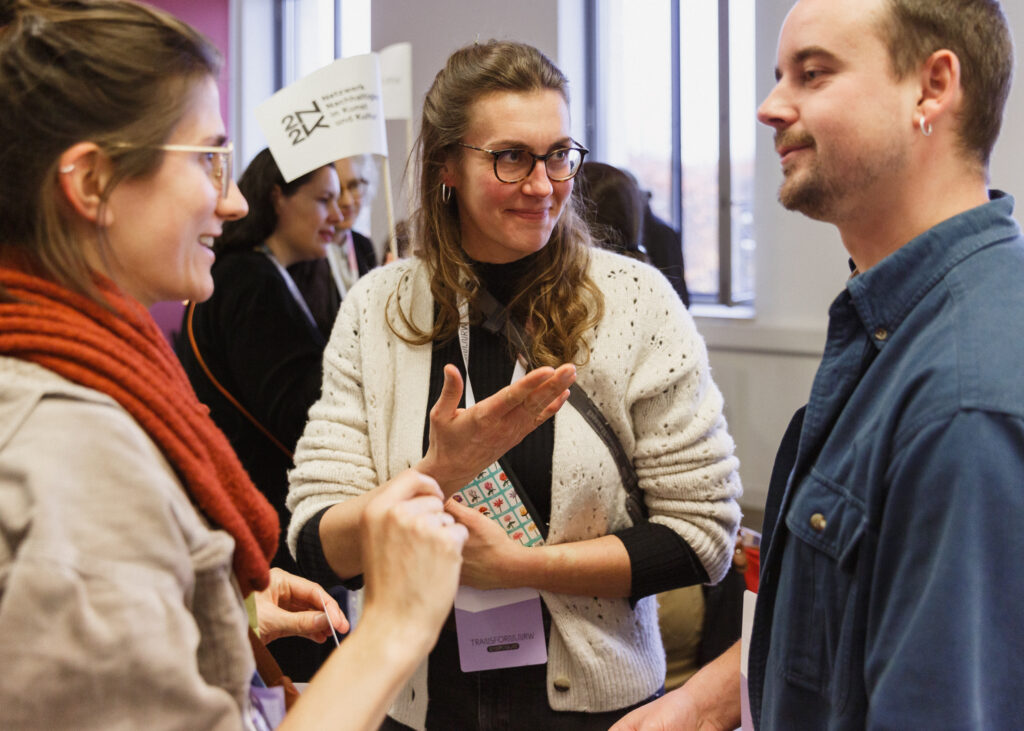
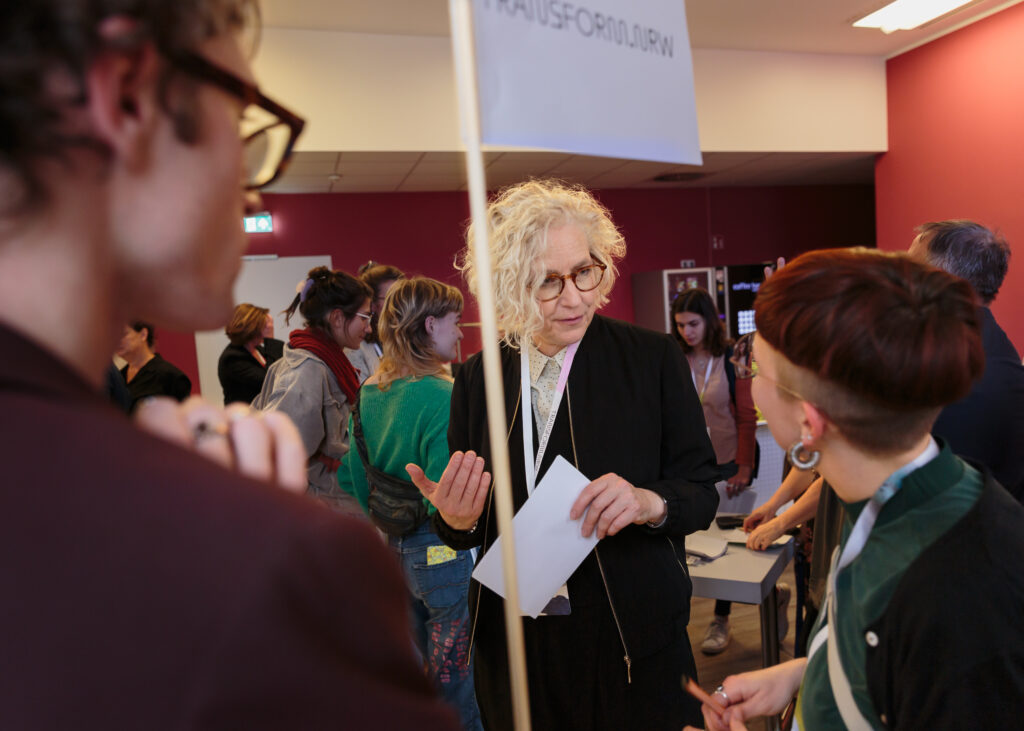
The event kicked off with a concise round of introductions: In brief presentations, the networks outlined their goals, working methods, and visions. Despite the time constraints, the diversity of the network landscape became clear—ranging from institutionally anchored initiatives to self-organized, local groups. What they all had in common was a commitment to actively shaping sustainable transformation and connecting diverse stakeholders. In the moderated Q&A session that followed, key topics were explored in greater depth: What role do networks play in sustainable development in art, culture, and design? Where does their potential lie, and where do they encounter limitations? And what do they need to be effective in the long term? Among other things, the discussion addressed questions regarding resources, structural support, visibility, and political framework conditions. Areas of tension such as “competition versus cooperation” or “openness versus commitment” were also addressed.
A recurring theme was the idea of “complicity”: conscious, solidarity-based collaboration across disciplinary boundaries. It became clear that sustainable alliances require trust, ongoing nurturing, and shared values. At the same time, the need to deal productively with differences and to view networks as open, learning systems was emphasized.
The final networking phase shifted the discussion to face-to-face interactions. In an open “Market of Opportunities,” participants engaged in conversation with one another, made new connections, and identified potential collaborations.
The Lab made it clear: Networks are key drivers of social transformation. They pool knowledge, create spaces for dialogue, and enable collective action—yet at the same time, they face structural, financial, and organizational challenges. Initiatives like this one play an important role in making these processes visible, reflecting on them, and further developing them. The collective search for sustainable structures and future-oriented alliances remains an ongoing task.
Panel: Laboratories and Workshops of Transformation
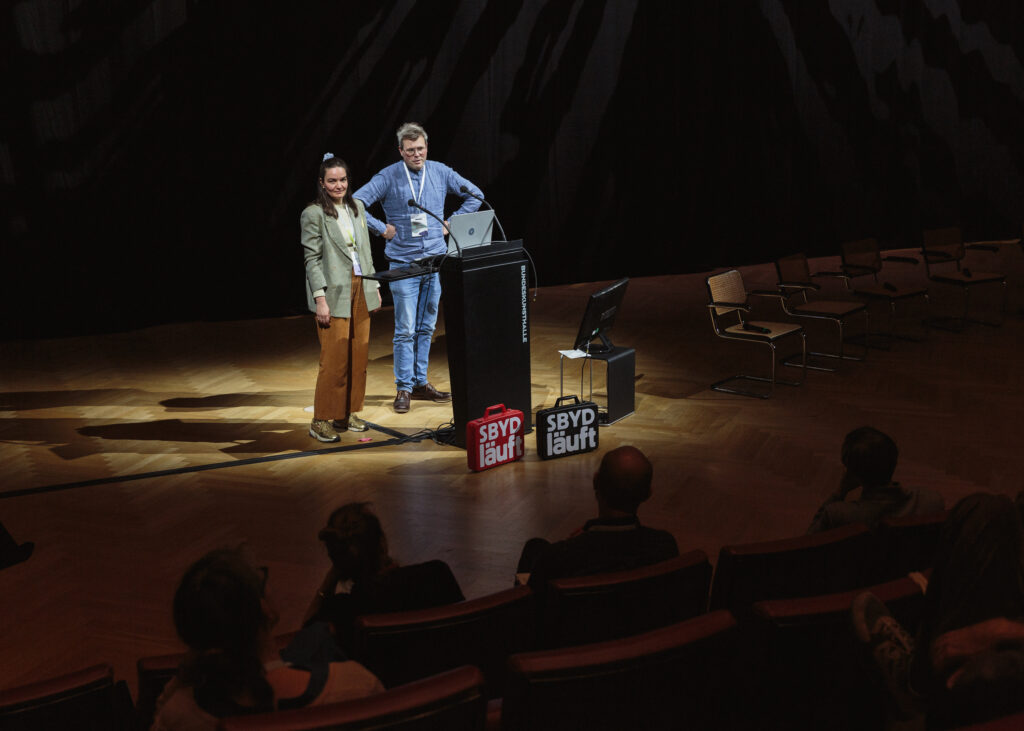
Featuring presentations by Mareike Gast (Burg Giebichenstein University of Art and Design Halle), Daniel Lang (Karlsruhe Institute of Technology), Judith Schanz and Daniel Wilkens representing Sustainability by Design (Folkwang University of the Arts, Essen), and Malene Saalmann (University of Kassel). The panel was moderated by Martina Fineder and Felix Fastenrath (both from BUW).
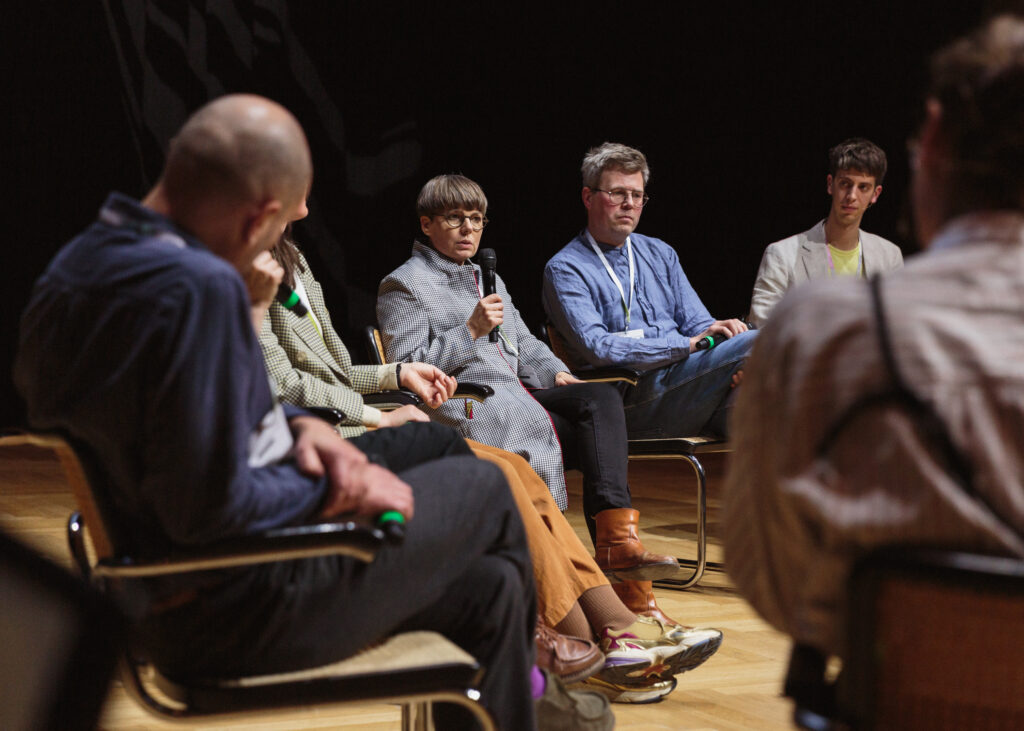
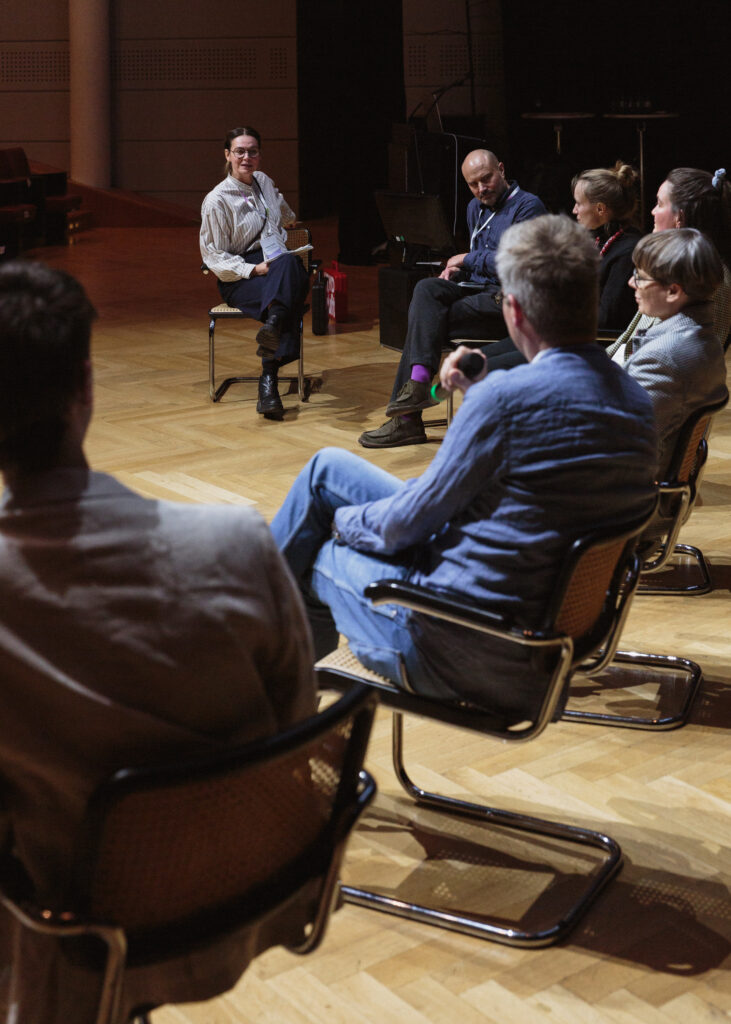
This panel provided insights into interdisciplinary labs and workshops at the intersection of design, art, science, and society. It featured material and technology labs, real-world labs, and SDG labs that open up experimental forms of learning, research, and design. The common goal was to explore paths toward sustainable transformation in collaboration with society. The discussion focused on the impulses and standards for consumption and production cultures that can emerge in such labs—using forms of mobility as an example, among others—approaches that would not (yet) be possible outside these protected spaces. The discussion also addressed how the insights from these labs can be disseminated to the wider world: What new institutional and societal conditions would need to be embraced so that these insights can have an impact there? It was emphasized that the fundamental idea behind real-world laboratories is not to develop solutions and then transfer them to society, but rather that solutions must emerge from within society from the very beginning.
The examples presented made it clear that laboratories today are far more than just technical experimental setups. In design-oriented materials and technology labs, such as the BurgLabs at Burg Giebichenstein University of Art and Design Halle, researchers work with bio-based materials, circular production methods, and speculative scenarios. There, prototypes made from mycelium or chitosan serve not only to advance materials research but also to challenge existing value chains. Repair, reuse, and even the decomposition of products are factored in from the very beginning. The labs function as spaces of possibility where alternative production and consumption models are tested in practice.
Real-world laboratories, such as those established at the Karlsruhe Institute of Technology, among other institutions, view transformation as a collaborative learning process involving academia, government, and civil society. Through long-term collaborations, concrete experiments are carried out in urban settings, ranging from new energy solutions to participatory urban development processes. The importance of establishing real-world labs as long-term spaces for learning and experimentation was emphasized. The decisive benchmark for this work is the real-world context in which it takes place. Solutions are not designed in the abstract, but rather developed and tested in collaboration with the stakeholders involved.
The SDG+ Lab at the University of Kassel is guided by the United Nations Sustainable Development Goals and also combines exhibitions, discourse, and experimentation. Sustainable value chains, alternative building materials, and regional food systems are highlighted and discussed through dialogue. In doing so, the academic community consciously reaches out to the outside world and views knowledge as something that circulates between academic institutions and society.
“Sustainability by Design” at the Folkwang University of the Arts uses workshops, mobile labs, and participatory publications as its outreach format. Here, sustainability becomes a tangible experience through collective action.
In the concluding discussion, it became clear that such laboratory structures require not only time but also openness and institutional flexibility. They were viewed as workshops for possible futures—places where the interactions between design, research, and society are reflected upon and new synergies are explored. It was also emphasized that well-designed research projects do indeed enable a different form of knowledge production—one that combines the acquisition of knowledge with active participation in shaping processes of transformation. There was consensus that profound transformations require time, transdisciplinary openness, and innovative forms of documenting and communicating results. In this context, labs function not merely as test environments, but as spaces where knowledge, action, and social imagination converge.
Panel: Sites of Transformation – Museums, Theaters, Kiosks, and Other Cultural Venues
Featuring short presentations by Moritz Ahlert (Kiosk of Solidarity, Berlin), Thomas Geisler (Museum of Decorative Arts, Dresden State Art Collections), Eva Kraus (Bundeskunsthalle), Katharina Maderthaner (BUW), and Rebekah Rota (Wuppertaler Bühnen). The panel was moderated by Martina Fineder (BUW).
The panel “Sites of Transformation” explored how cultural institutions can contribute to socio-ecological transformation. The discussion focused on the role of various spaces—ranging from mobile infrastructures and experimental exhibition spaces to established cultural institutions. In particular, the discussion centered on who has access to these spaces, who can help shape them, and which groups are made visible in and around these spaces—or are left out. The presentations highlighted the interconnection of spatial, organizational, and social dimensions.
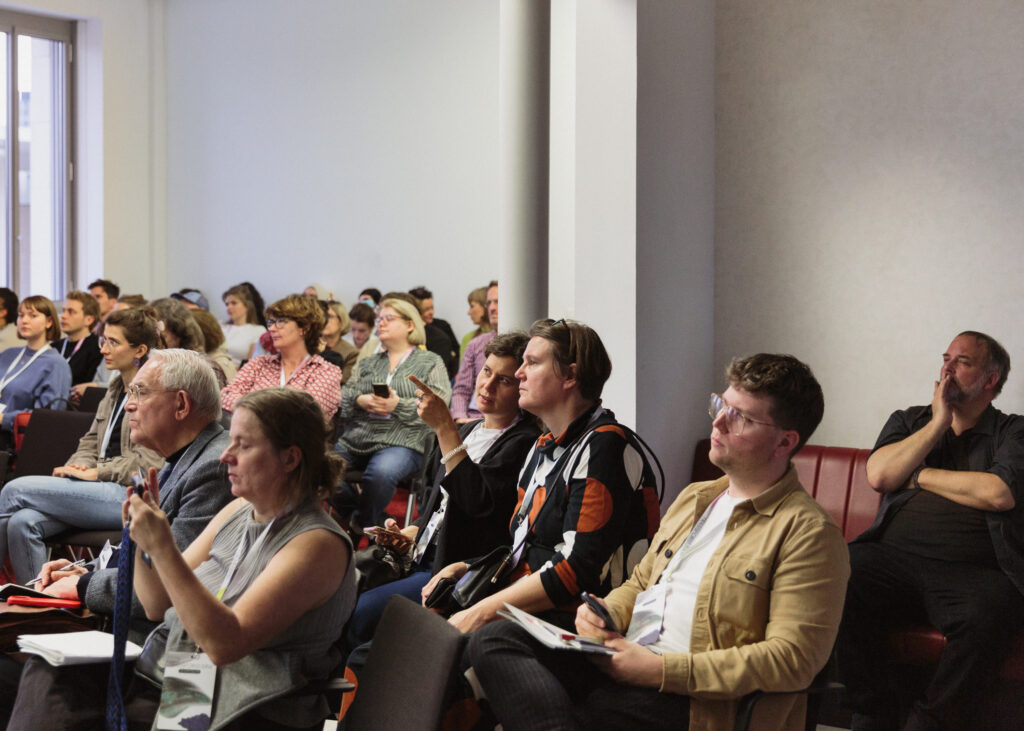
Moritz Ahlert presented the Berlin-based project “Kiosk of Solidarity,” a kiosk that serves as the centerpiece of a mobile infrastructure and has been deployed at various locations throughout the city since 2023. The kiosk functions as a platform for social interaction, knowledge exchange, and public outreach. Initiatives by marginalized groups, in particular, can use it to raise awareness of their causes. In public spaces, collaborations between civil society initiatives, students, and researchers are fostered, and solidarity is practiced as a central social norm. In the ensuing discussion, the panelists agreed that solidarity is the very fabric of communal life that cannot be imposed from above.
Katharina Maderthaner presented the Kunsthalle Barmen in Wuppertal, an experimental learning and exhibition space operated by the University of Wuppertal. Using the exhibition *Fertile Structures* as an example, she showcased an open laboratory for collaborative processes. Mushrooms served as both a central resource and a metaphor for networked thinking and action, as students, established artists, designers, and researchers alike produced their own works and created accessible educational programs. During the discussion, Maderthaner emphasized that collaborative processes require an initial impetus but then need space to unfold independently.
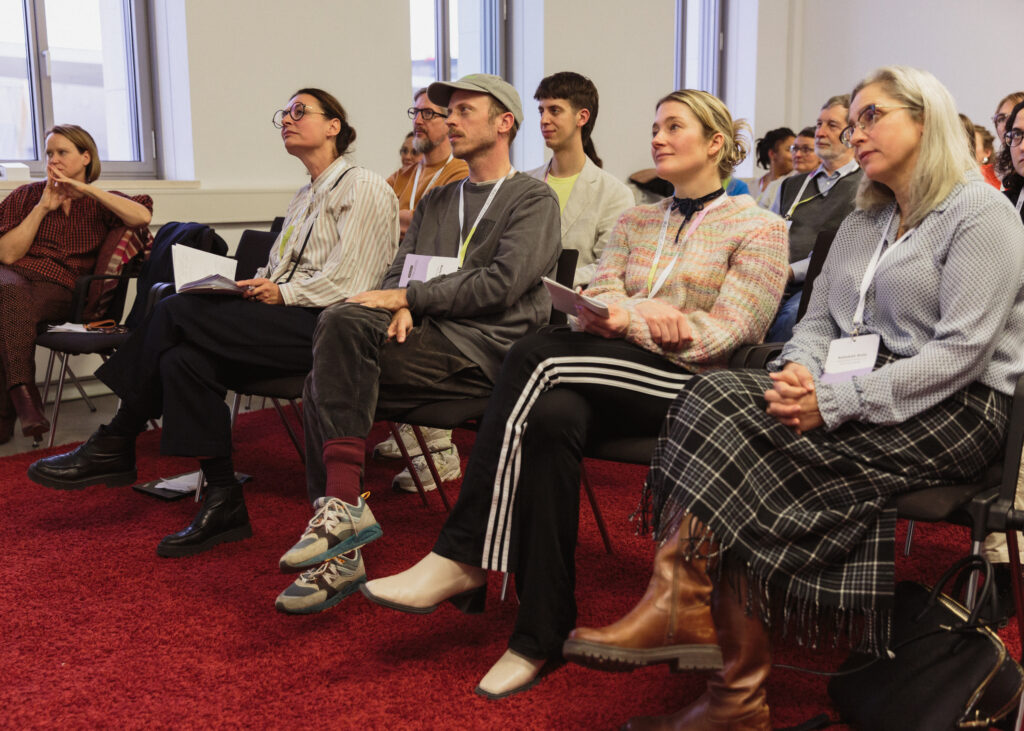
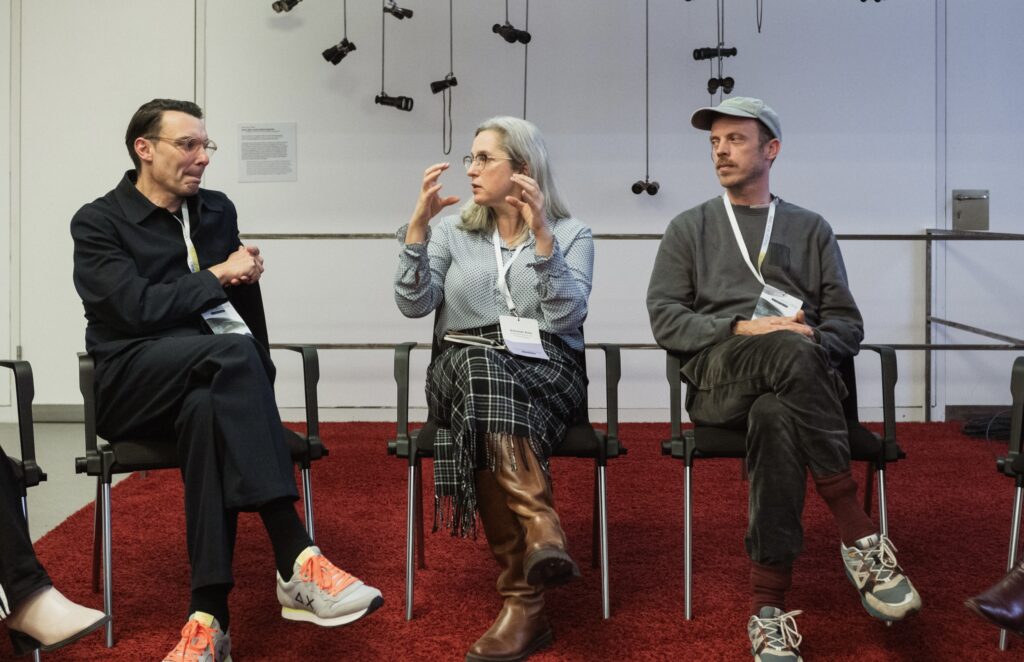
Rebekah Rota, opera director at the Wuppertaler Bühnen, described the processes of transformation within a large cultural institution on three levels: on stage, within production structures, and in relation to the audience. While efforts are simultaneously underway to establish more open communication structures within the organization and to create low-barrier access opportunities for the audience, new modular stage sets are being developed behind the scenes to support a more sustainable approach to production. Rota thus emphasized that transformation is only credible if it does not stop at the surface but, as an internal process, includes all those involved.
Thomas Geisler presented the Dresden Museum of Decorative Arts as a design campus. Summer schools featuring interdisciplinary workshops and international collaborations transform the historic palace into a space for experimental learning. Global social issues are explored collaboratively. In addition, a citizens’ assembly tested new forms of participation and formulated recommendations for opening up the museum. Geisler critically asks how sustainable such processes can truly be, given the expertise and resources required from the institutions to permanently embed participatory decision-making.
Eva Kraus explained that the Bundeskunsthalle Bonn used the COVID-19 pandemic as an impetus for a profound realignment. With a diversity-sensitive reopening strategy based on the “6 Ps”—program, framework, staff, audience, PR, and premises—the institution is undergoing a gradual transformation. The program is shaped by socially relevant themes such as democracy, environmental sustainability, and social issues. In the ensuing discussion, the panelists critically questioned whether the much-discussed cultural openness is already being genuinely practiced or is currently merely being proclaimed.
The panel demonstrated that cultural venues can serve as important platforms for social negotiation processes. At the same time, the central question remains: How can genuine participation be achieved, and how can institutions create long-term structures that incorporate diverse perspectives and truly enable people to participate? A common thread that emerged from the debate was the desire for spaces for action and engagement in which decision-making power at cultural venues is more broadly distributed. This involves both sharing common challenges and benefits, as well as critically examining one’s own institutional and personal biases.
Panel: Challenging, Supporting, Changing (In cooperation with the Sustainability 2030 Science Platform)
Participants: Jacob Sylvester Bilabel (Green Culture Contact Point), Nils Hilkenbach (Federal Cultural Foundation), Ruth Gilberger (Montag Foundation for Art and Society), Dorothea Morgenweg (Ministry of the Environment, Nature Conservation, and Transportation of the State of North Rhine-Westphalia), Jari Ortwig (Academy for Cultural Education), Ines Rainer (creative.nrw), Jochen Stiebel (Neue Effizienz), Lars-Christian Uhlig (Federal Institute for Research on Building, Urban Affairs, and Spatial Development). The panel was moderated by Carolin Baedeker (Wuppertal Institute (WI)) and Christa Liedtke (Co-Chair of wpn2030 for SDSN Germany/WI).
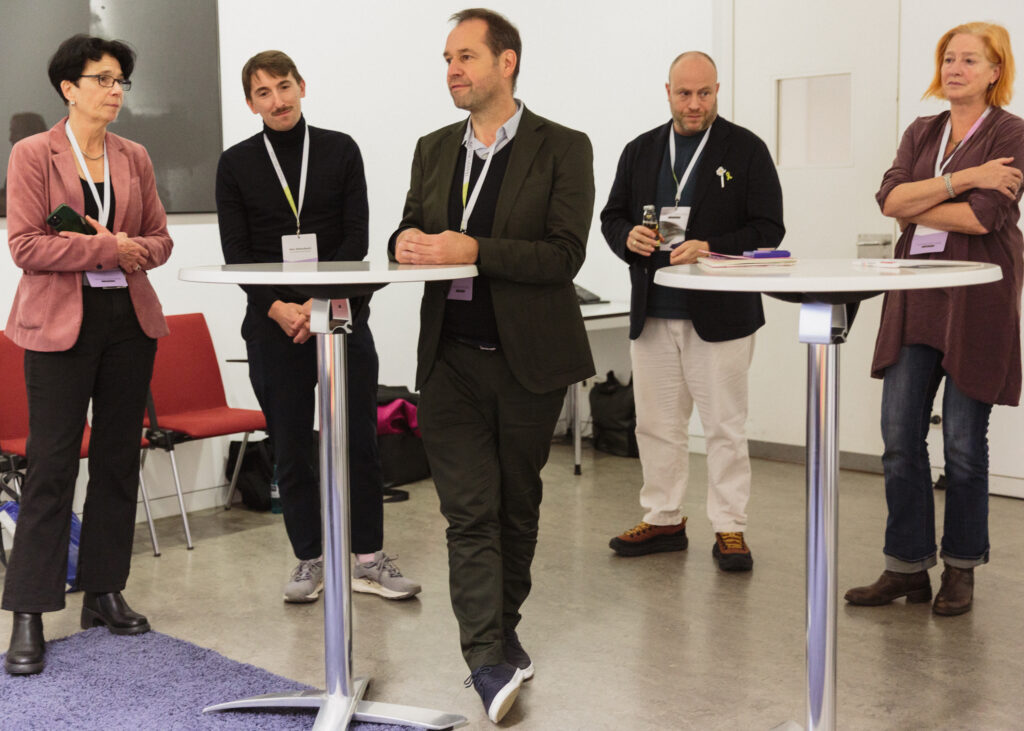
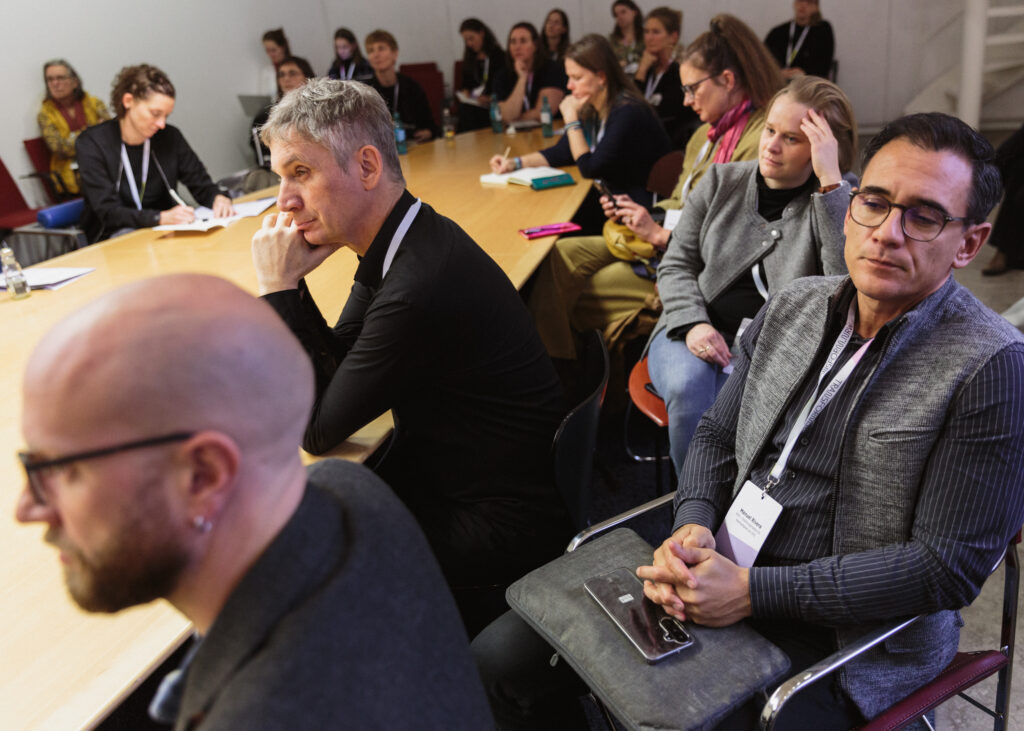
The panel, organized by transform.NRW in cooperation with wpn2030, focused on the question of how cross-sectoral funding instruments in the fields of art, culture, design, and sustainability can be further developed through dialogue. Funding providers and recipients are viewed as part of a shared cultural ecosystem that reflects economic and political conditions. Requests for funding are seen as suggestions, and funding is regarded as an exemplary, open-ended process. This creates space for collaborative project development, in which viable interdisciplinary funding landscapes can be conceived. The panelists addressed the question in concrete terms and discussed how funding structures and political frameworks can support transformation processes through art, culture, and design. The discussion centered on the relationship between funding institutions and actors in the fields of art, culture, and design—and thus also on the question of how demands and support can interact productively. It was emphasized that funding and demands are reciprocal impulses that can only open up creative and innovative changes and spaces when they work together.
A recurring theme was the tension between creative practice and administrative frameworks. Funding programs can provide important impetus, but are often bound by complex legal requirements. Funding institutions therefore serve as mediators between political objectives, bureaucratic requirements, and the needs of artistic projects. At the same time, it became clear that such conditions can also have positive effects. For example, experience with sustainability programs in the cultural sector has shown that while new requirements are initially perceived as a challenge, they often trigger internal change processes and lead to greater long-term integration of sustainability into institutional structures.
Another key focus of the discussion was collaboration across different sectors. Representatives from academia, politics, foundations, and cultural institutions emphasized that sustainable transformation can only succeed through the collaboration of these stakeholders. Art, culture, and design play a special role in this regard: they can delve into complex issues, make them tangible, open up new perspectives, and help shape visions of society’s future. At the same time, critics pointed out that art and culture are too often viewed merely as a side event in political debates on sustainability. Instead, they should be recognized as an independent voice and an integral part of the agenda.
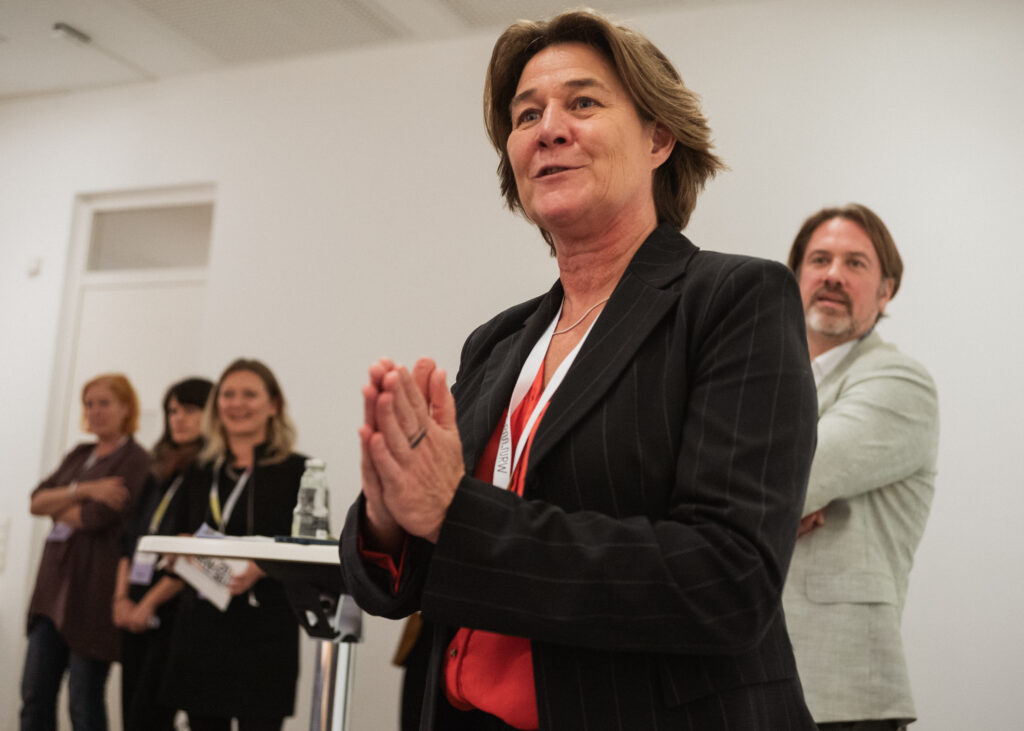
In addition, the importance of collaboration and long-term structures was emphasized. Many transformative projects emerge from networks between institutions, initiatives, and local communities. Funding programs could provide stronger support for such collaborations, for example through longer funding periods or more flexible funding instruments. Overall, the discussion made it clear that sustainable change in the cultural sector does not arise solely from individual projects, but rather from an interplay of political framework conditions, institutional structures, and artistic practice. In this vein, there was also a call for innovators and creative professionals to have the courage to stand up to funders and clients when they do not take their work seriously.
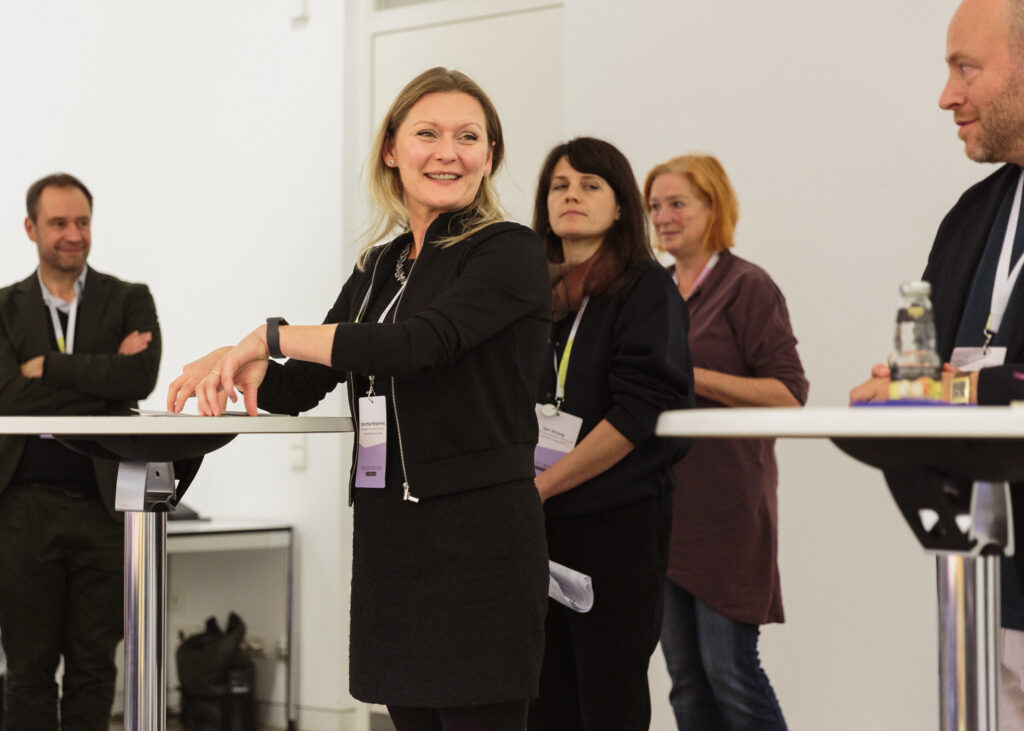
In the run-up to the symposium, wpn2030 and transform.NRW held preparatory virtual workshops on the topic of “Challenging and Supporting.” These served to specifically prepare the panel’s content, narrow down the focus of the topics, and identify and involve relevant stakeholders. The results are currently being compiled into a joint position paper. The paper will be published shortly on the websites of both initiatives and is intended to serve as a basis for further discussions on funding policy.