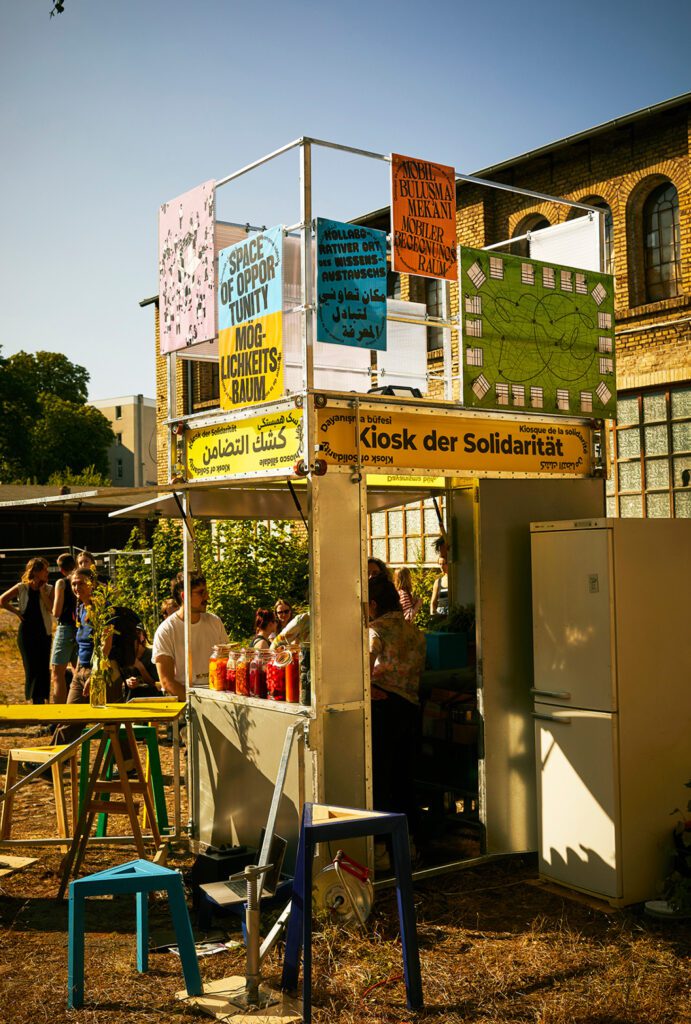
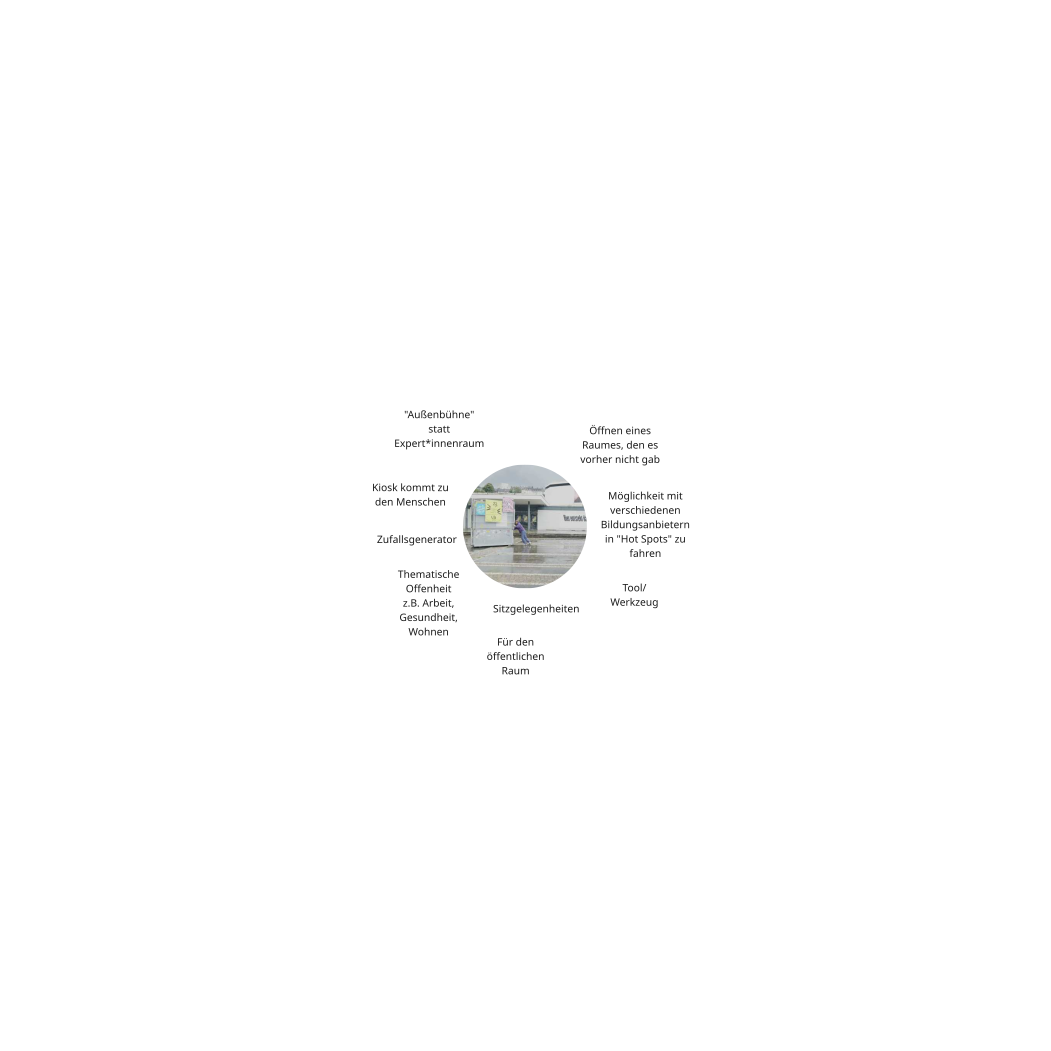
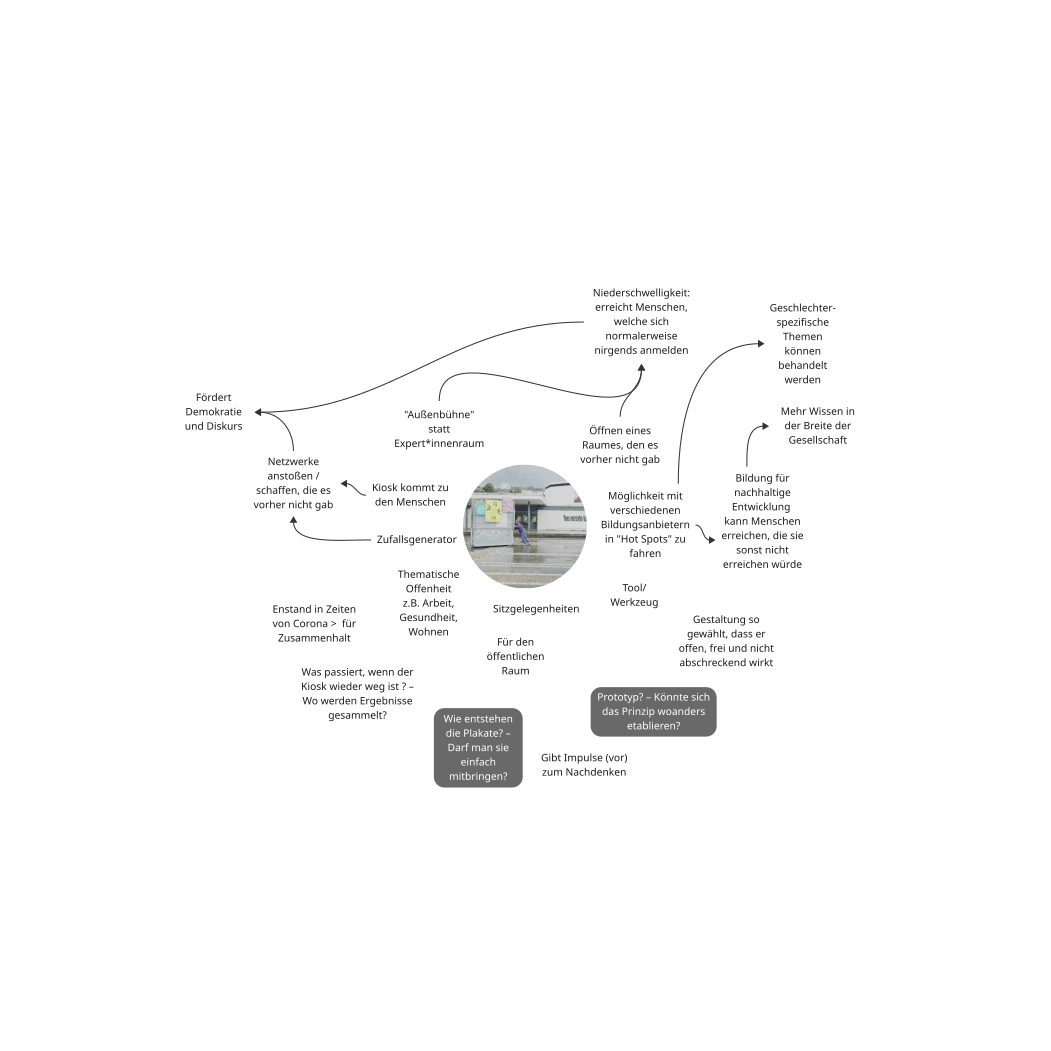

The Kiosk of Solidarity is a versatile, mobile social infrastructure designed to serve as a social gathering place in urban spaces. As a platform, the Kiosk is open to various social actors and gives their issues public visibility. According to its operators, it is a format designed to promote dialogue, participation, and political education.
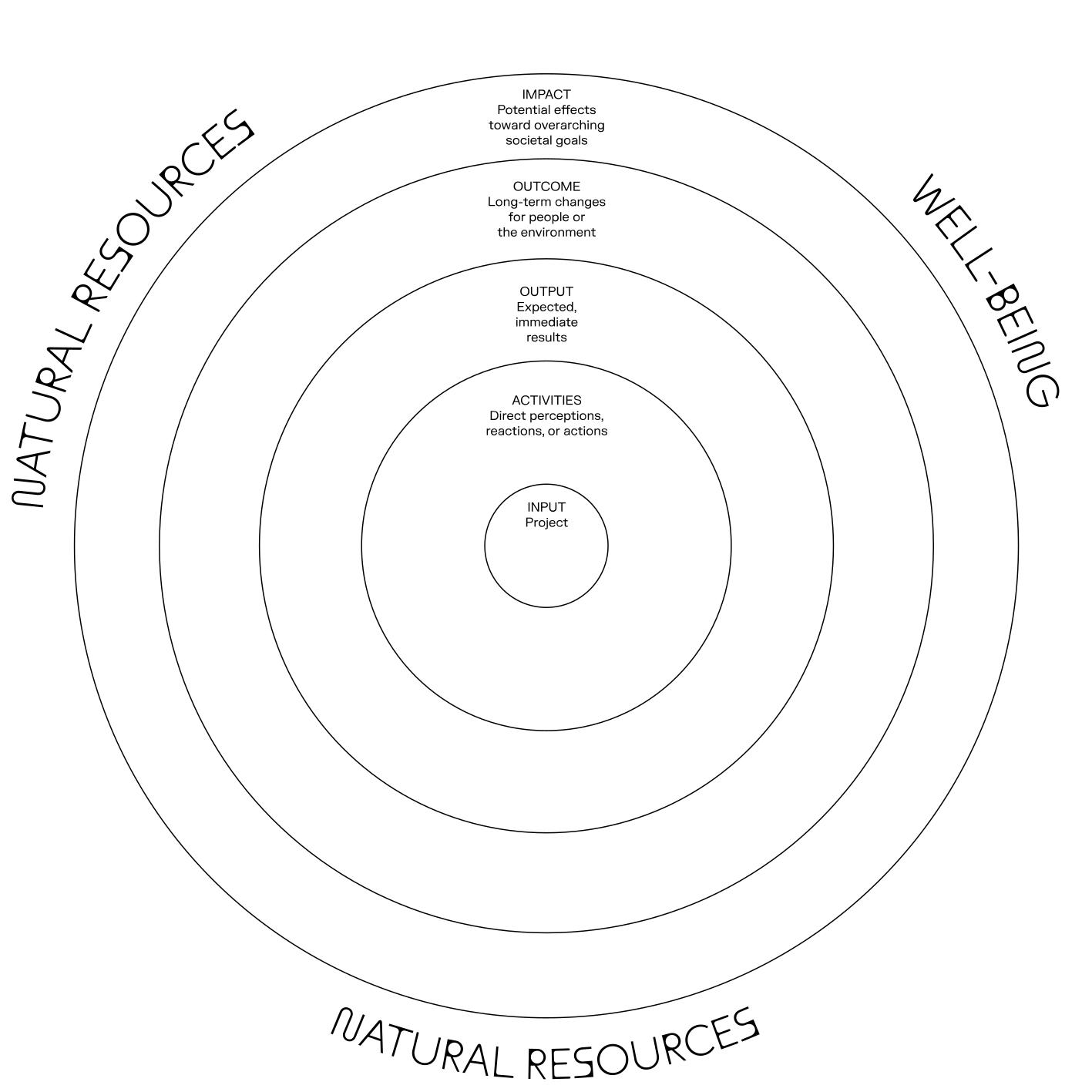
On December 9, 2024, the potential impact of the Kiosk of Solidarity was analyzed using the Map/ing Sustainability method by an interdisciplinary discussion group consisting of experts in design, art, sustainability studies, theater studies, and art education. Specifically, the group examined the application of the Kiosk of Solidarity as part of the baunetz CAMPUS summer school “The Value of Things” in September 2024, held in front of the Pina Bausch Center in Wuppertal. The summer school explored a nuanced examination of the built and social fabric of cities, with a focus on the housing crisis and homelessness. Co-initiator Moritz Ahlert personally presented the project and participated in the discussion.


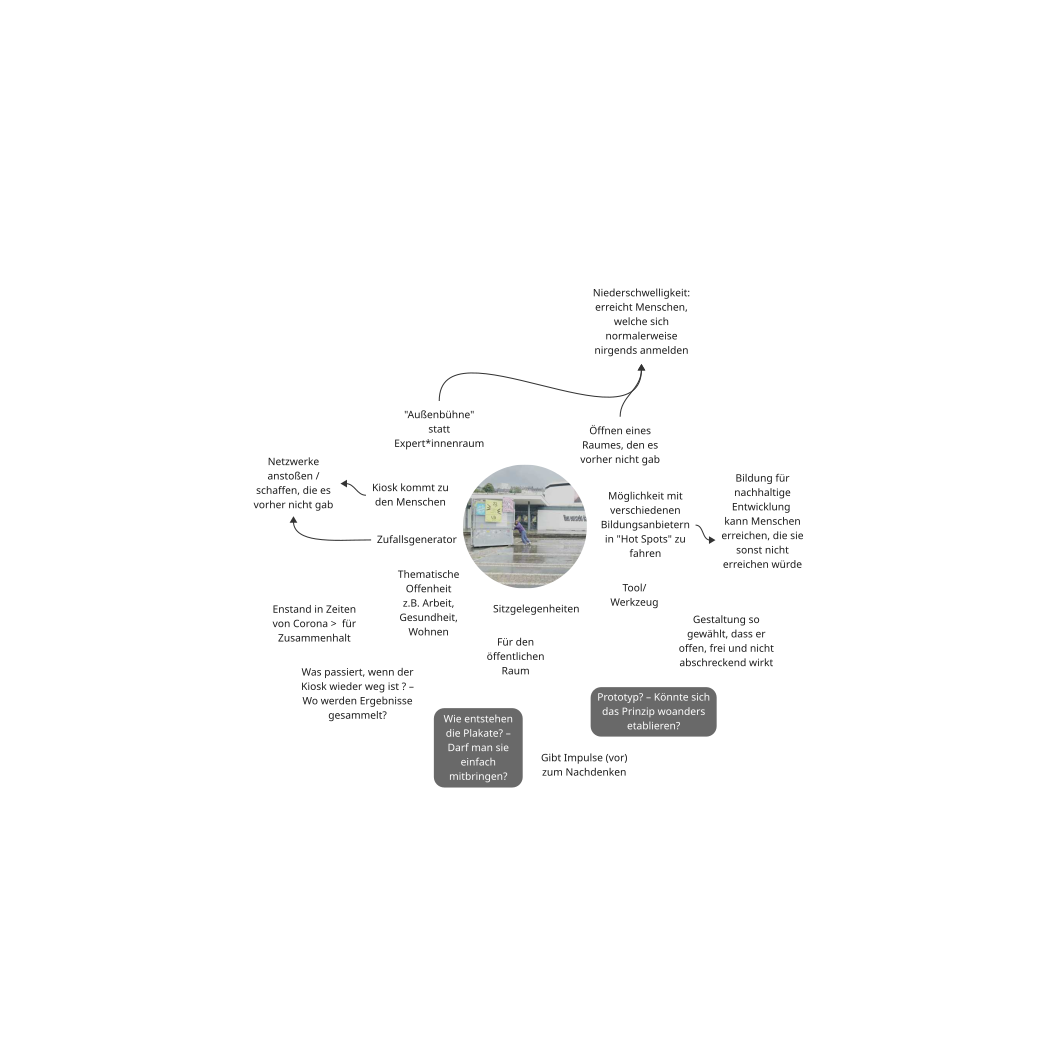
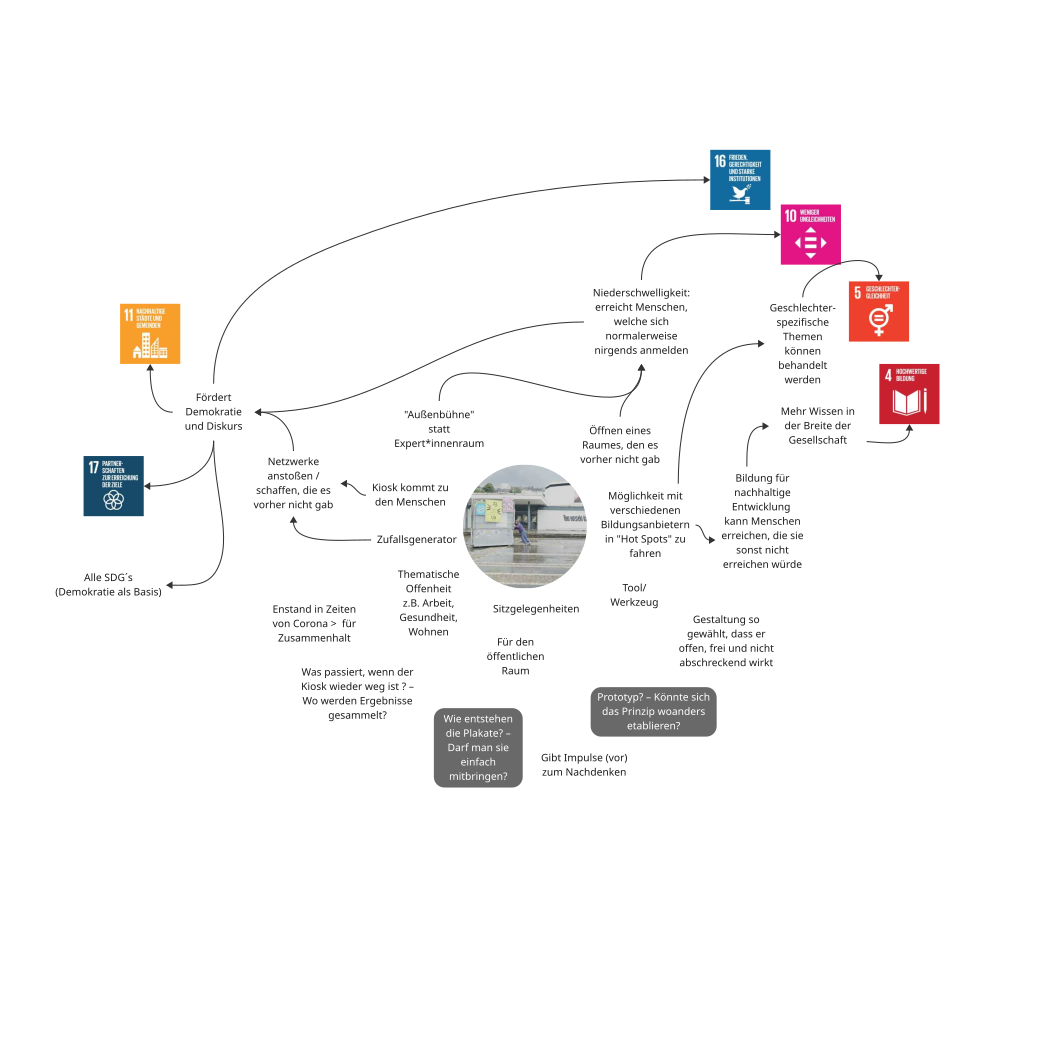
Participants in the impact analysis confirmed the kiosk’s role as a temporary space for exchange and interaction. During the discussion, its accessibility was particularly emphasized: The kiosk facilitates spontaneous interactions, which were perceived as conducive to social cohesion and well-being (SDG 3). Furthermore, it was recognized as having the potential to serve as a “third place”—an open space where people with diverse experiences can come together, foster mutual understanding, and thereby strengthen social cohesion. It was emphasized that marginalized groups, in particular, gain visibility and a voice in the urban space through their work at the kiosk. This helps to strengthen social participation and reduce social inequalities (SDG 10). At the same time, it was emphasized that the kiosk could also make different life realities tangible beyond these groups, thereby broadening mutual understanding. Some participants also saw educational potential in the formats associated with the kiosk—such as workshops, discussions, and other participatory activities. These facilitate informal learning and, in the spirit of education for sustainable development (SDG 4), contribute to the development of skills and opportunities for creative expression. In formats that address issues of social inequality, participation, or urban development, the kiosk could also provide impetus for inclusion, new alliances, and democratic negotiation processes. Through its open, dialog-based structure, it offers space for exchange and participatory decision-making, thereby supporting a peaceful and inclusive urban society (SDG 16). The group also saw the openness of the format as a key factor in facilitating people’s entry into social participation. Initiatives centered around the kiosk could thus serve as first steps toward incorporating the concrete realities of life and local needs into broader processes of change.
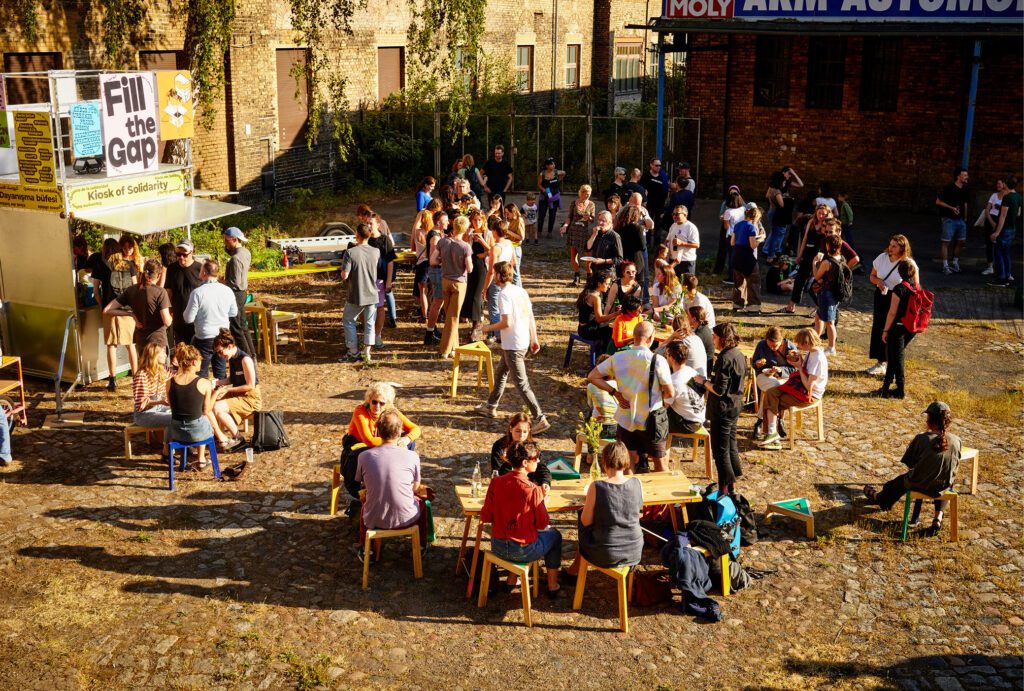
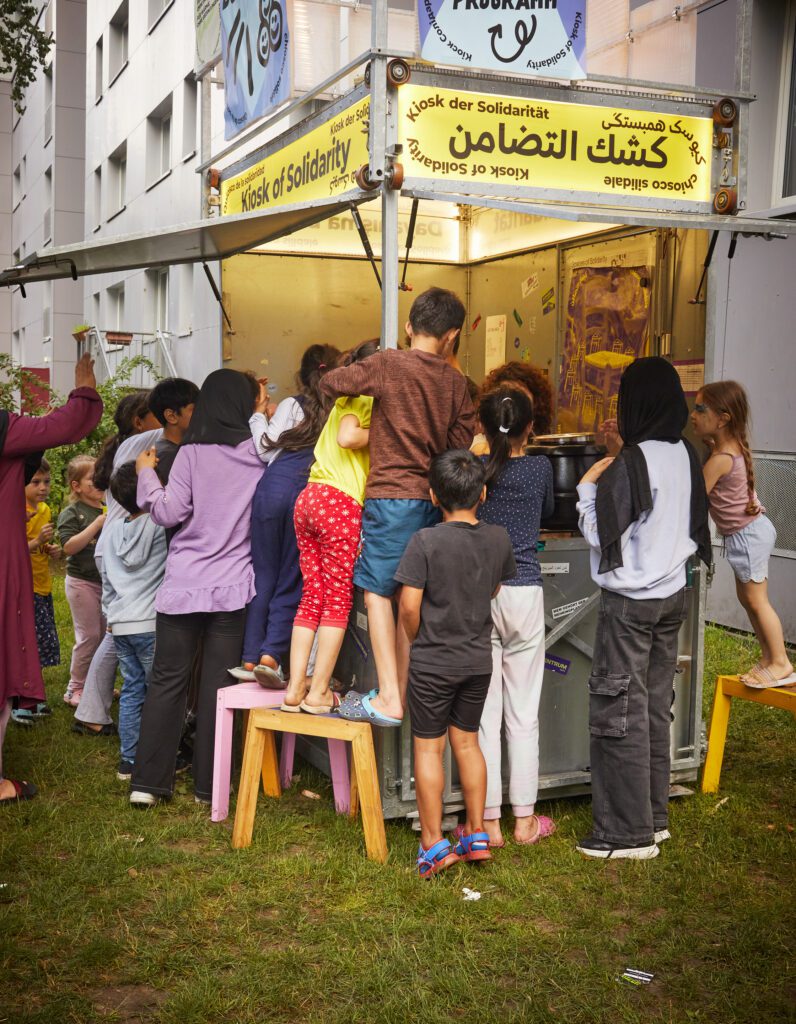
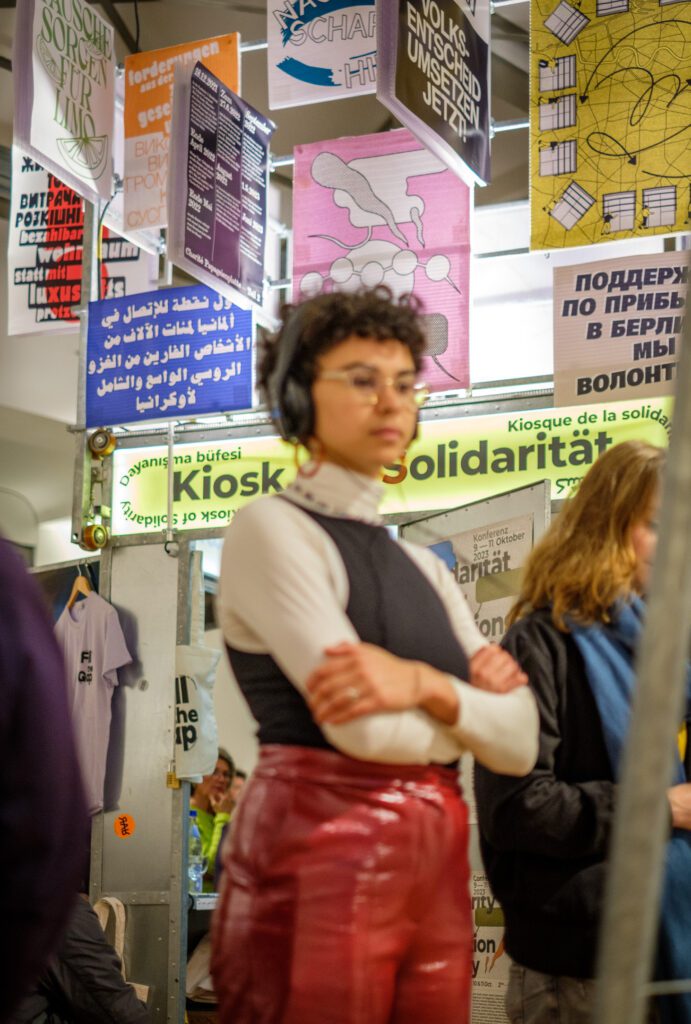
The use of unused urban spaces and public areas, as promoted by the kiosk operators, was also discussed: The kiosk temporarily creates social spaces in locations—referred to in the discussion as “anchor points”—that were previously unused or overlooked, and can thus serve as a catalyst for a more sustainable (in the sense of a more equitable) use of urban space. Participants saw a structural impact that extends beyond the individual event. As a place that invites people to linger, the kiosk becomes part of a Provisioning System that sustains cultural life, supports collective practices, and strengthens the quality of urban coexistence (SDG 11). Furthermore, the discussion highlighted that, through close collaboration with local initiatives and urban communities, the kiosk strengthens existing networks and gives activists visibility—for example, in the context of eviction lawsuits (SDG 17). The participants emphasized that this can lead to new partnerships that advance local solutions and enrich existing Provisioning Systems through community-based structures. The participants also pointed out that the kiosk highlights shortcomings in the urban space—such as the lack of seating or sanitation infrastructure. This could spark debates about a more equitable, inclusive, and sustainable urban design.
Questions regarding the extent to which the kiosk directly contributes to achieving environmental sustainability goals or has an impact on natural resources were not explored in depth during the discussion. However, some participants noted that individual initiatives working with the kiosk could potentially also address issues related to natural resources—for example, through events on sustainable nutrition, the reuse of materials, or climate-conscious urban design.
In conclusion, the group noted that the potential impact in terms of resource consumption depends heavily on how the kiosk is used and the content provided by the participating groups, and should therefore be evaluated on a case-by-case basis.