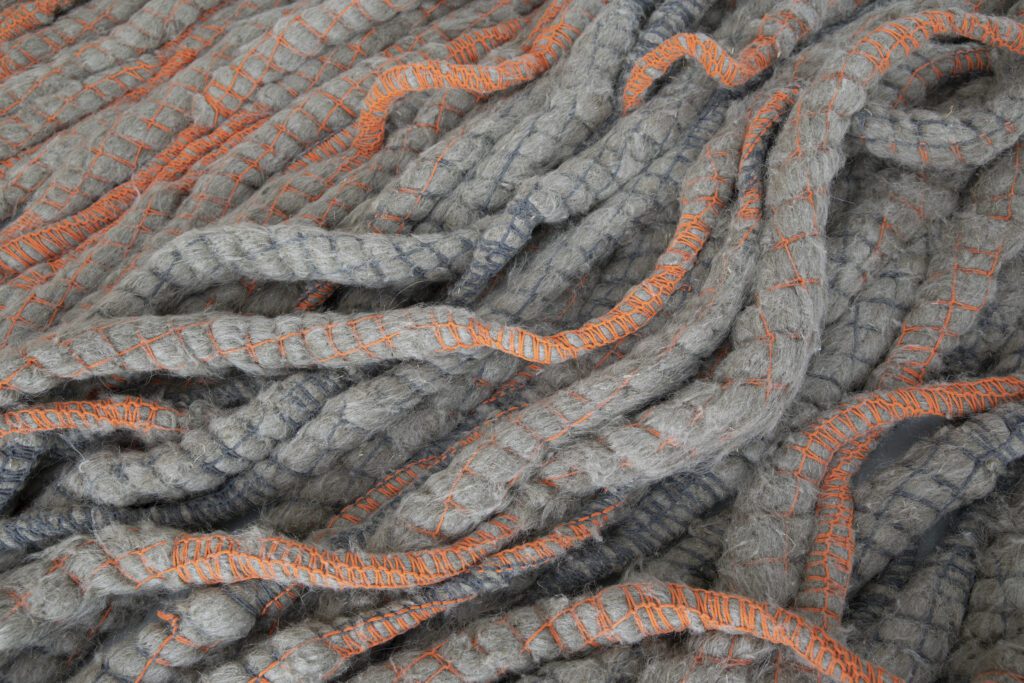
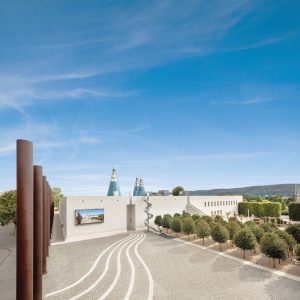
Architectural Yarns is a research project of the interdisciplinary Cluster of Excellence Matters of Activity at Humboldt University of Berlin. The project investigates new material systems and their integration into traditional local building and craft cultures, such as those in Central Europe and West Africa. In doing so, it translates textile joining techniques such as knots and interlacing—as in knitting—to the architectural scale. In combination with yarns made from natural materials such as flax, so-called Soft Architecture —flexible building elements, such as walls, that are joined without adhesives or cement. This allows the yarn structures to be taken apart and reconfigured after use. Architectural Yarns develops these techniques by involving various potential users in co-creative workshops. The work was presented, among other places, as part of the exhibition WEtransFORM – On the Future of Building at the Bundeskunsthalle.
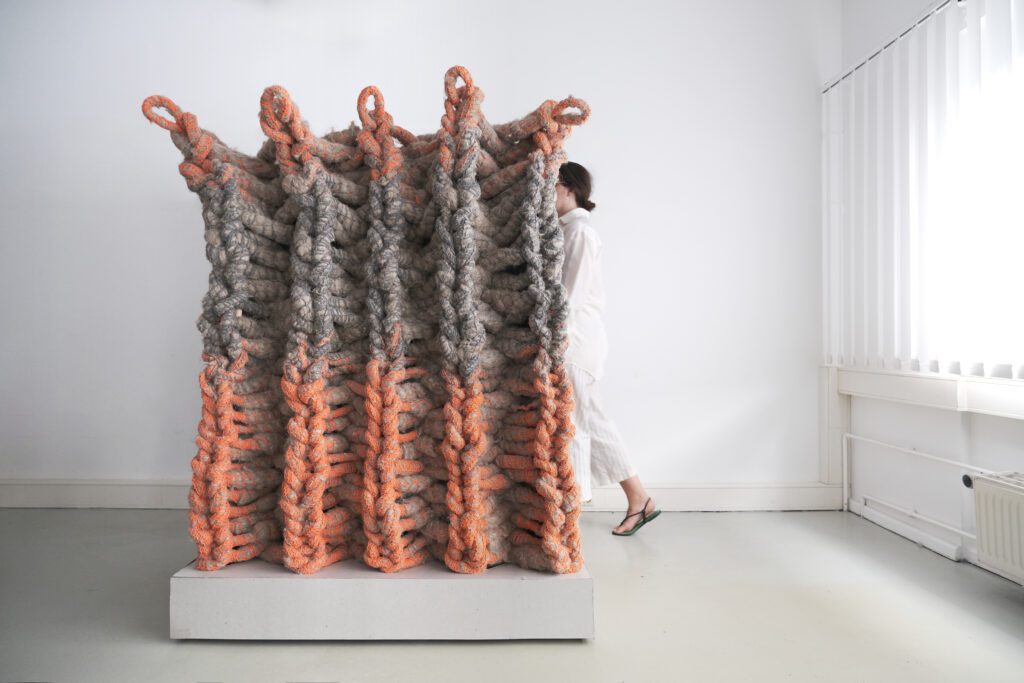
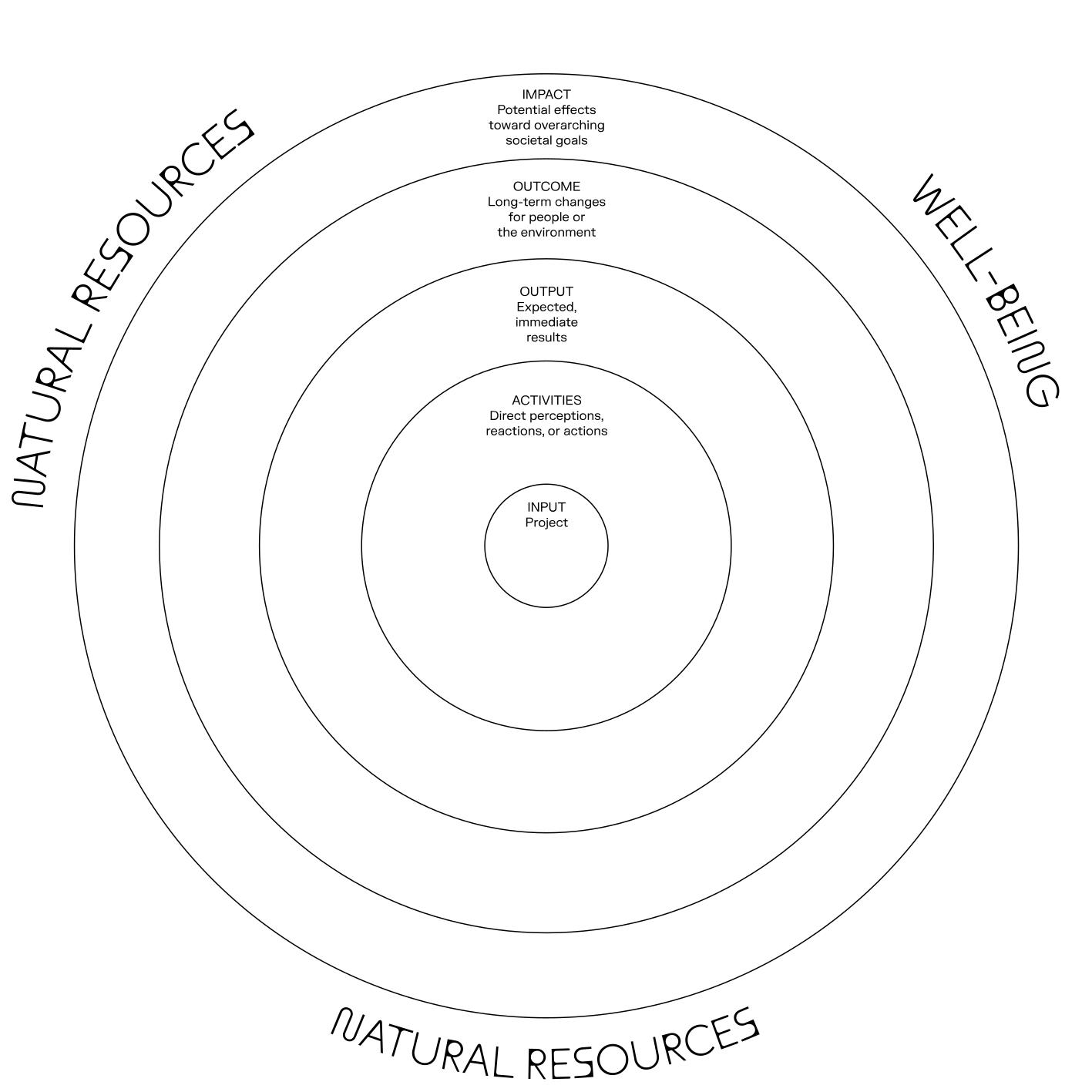
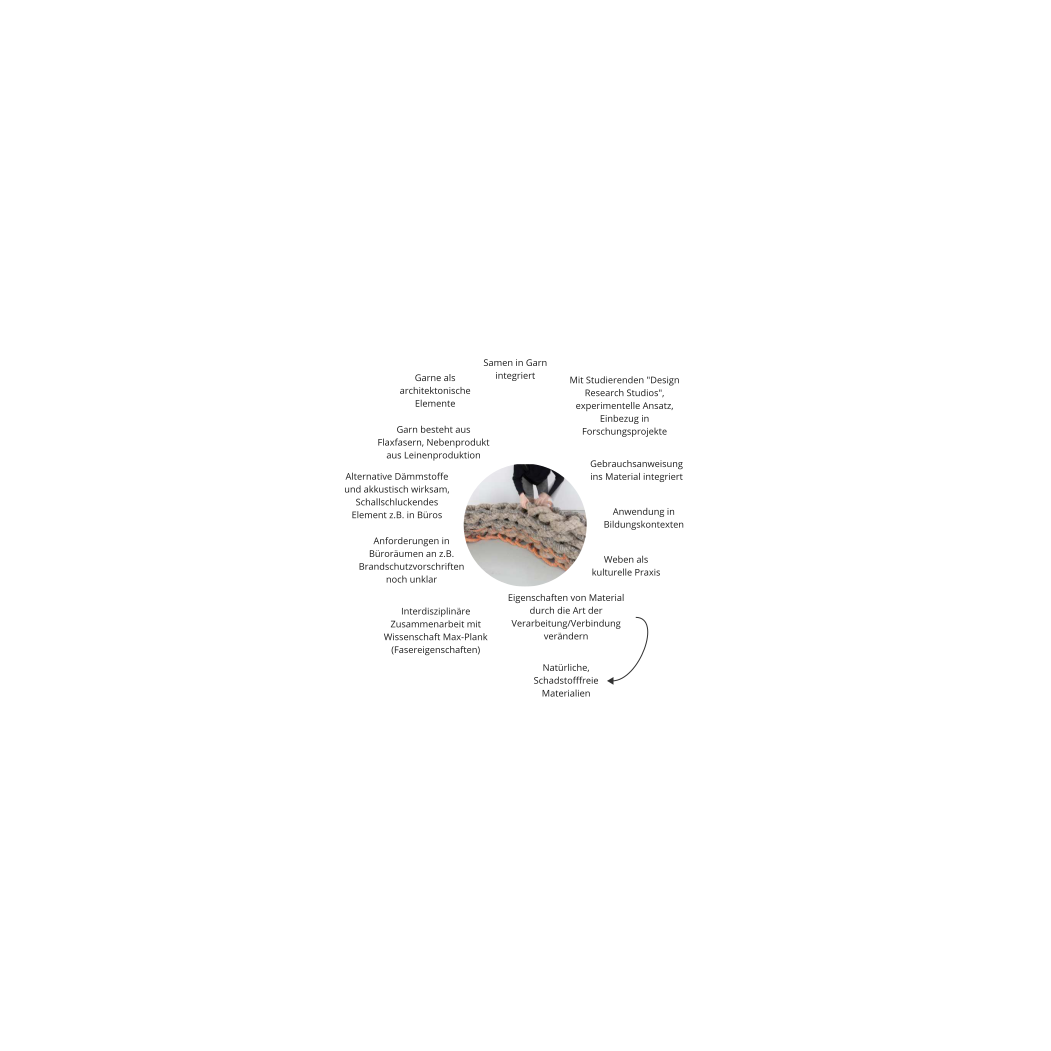
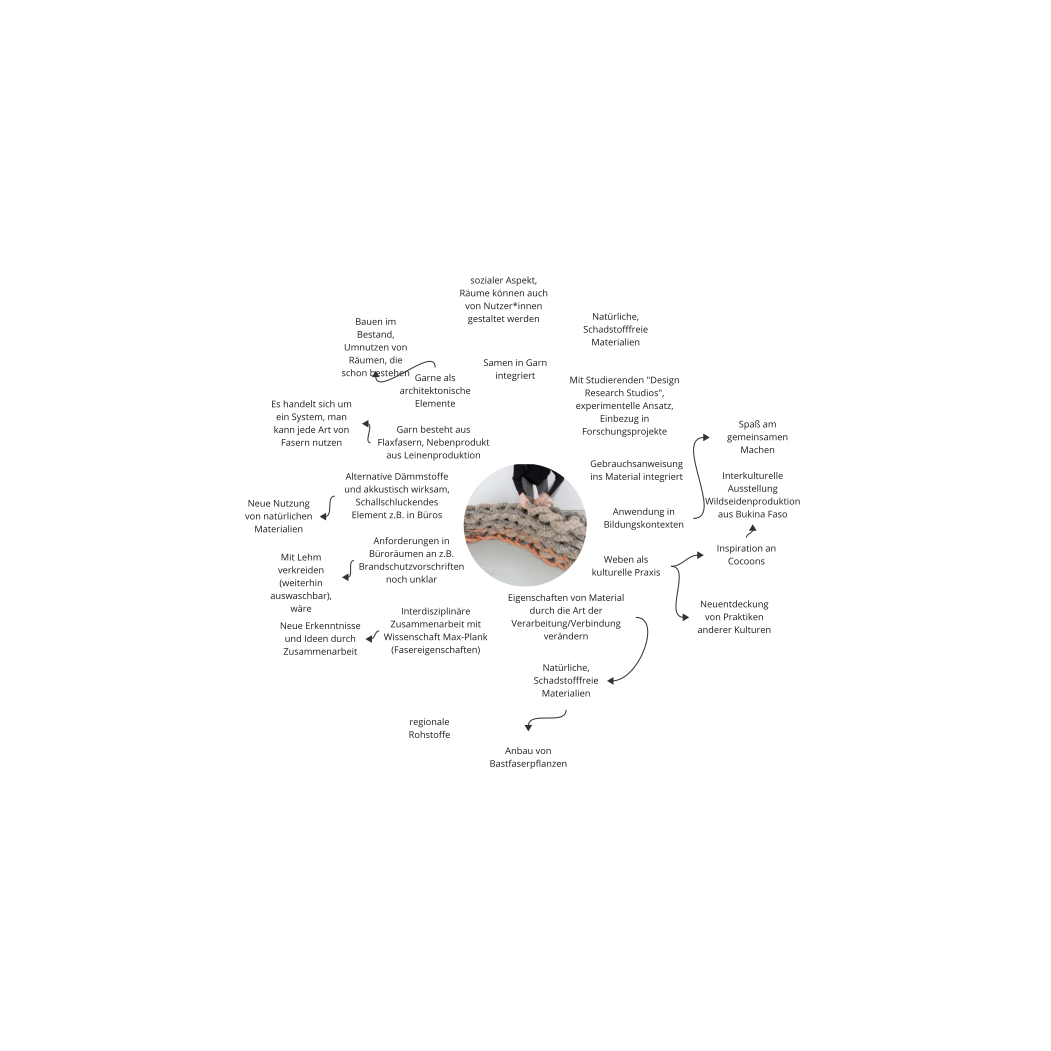
The potential impacts of Architectural Yarns were analyzed on March 26, 2026, using the Map/ing Sustainability method by an interdisciplinary group consisting of geographers, sustainability researchers, architects, designers, and design researchers, as well as experts in wood research and communication. Christiane Sauer, who leads the project, presented two aspects of Architectural Yarns : first , the Design Research Studios, a A teaching format in which researchers and students collaborate on experiments, and an intercultural exhibition with partners from Burkina Faso.


The collaborative creation of yarn structures in workshops with people of different age groups and cultural backgrounds was described as a way to foster a sense of identity and as a low-threshold entry point for shaping one’s own built environment (SDG 4, 10). The participants identified self-efficacy as a central aspect, which arises from the ease of working with the yarns in these workshops, and, in the long term, also in the design of one’s own living space (SDG 4). This is achieved because the yarns, with their varying diameters, have a built-in knitting pattern that allows even people without prior knowledge to work with them independently. The collaborative creation of yarn structures in workshops with people of different age groups and cultural backgrounds was described as a source of identity and as a low-threshold entry point for shaping one’s own built environment (SDG 4, 10).
Furthermore, the project promotes intercultural exchange on an equal footing: Through cooperation with partners in Burkina Faso, a knowledge exchange took place in which the researchers drew inspiration from traditional weaving techniques and the cocoon-building methods used for wild silk, and in turn shared the new knowledge they had generated. The importance of humility in this process was emphasized, as many so-called innovations, from the perspective of the Global North, are in fact traditional knowledge from other cultures (SDG 17).
Building with non-toxic flax fibers can improve the indoor climate in open-plan offices, reduce noise, and thus contribute to better health in various ways (SDG 3). On an urban scale, an experiment conducted as part of the project demonstrated the potential of Architectural Yarns for a healthy urban environment: Yarns filled with soil and seeds could enable cooling green facades, which in turn could help cool urban spaces (SDG 3; see also SDG 11 on Provisioning Systems and SDG 13 on natural resources).
Architectural Yarns can contribute to the circular economy by highlighting potential uses for flax and hemp tow and keeping this byproduct of linen production—which is also native to Germany—within the material cycle (SDG 12). Based on the principle of a “giant knitting dolly,” yarns made from any other recycled materials could also be used. This would reduce dependence on global supply chains in construction processes and thus also offer an economic advantage (SDGs 8, 9).
Furthermore, the concept of soft architecture has the potential to fundamentally challenge conventional architecture by offering an alternative to the usual “hard” construction methods and promoting renovation of existing buildings. For example, “empty-nest” homes—that is, family homes from which the adult children have moved out—could be independently rezoned by their residents and repurposed in a sustainable manner (SDG 11).
Close interdisciplinary collaboration with the Max Planck Institute for Biomaterials enables insights into fiber properties and materials that go beyond a purely architectural understanding and complement it with considerations regarding fire resistance, interior architecture, and furniture design (SDG 17).
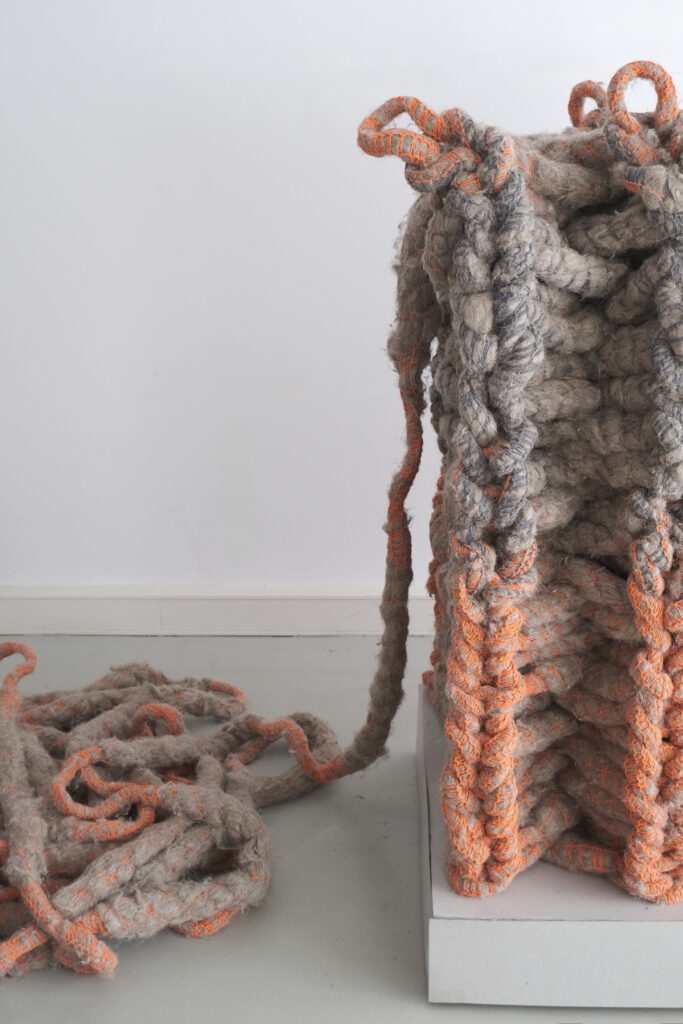
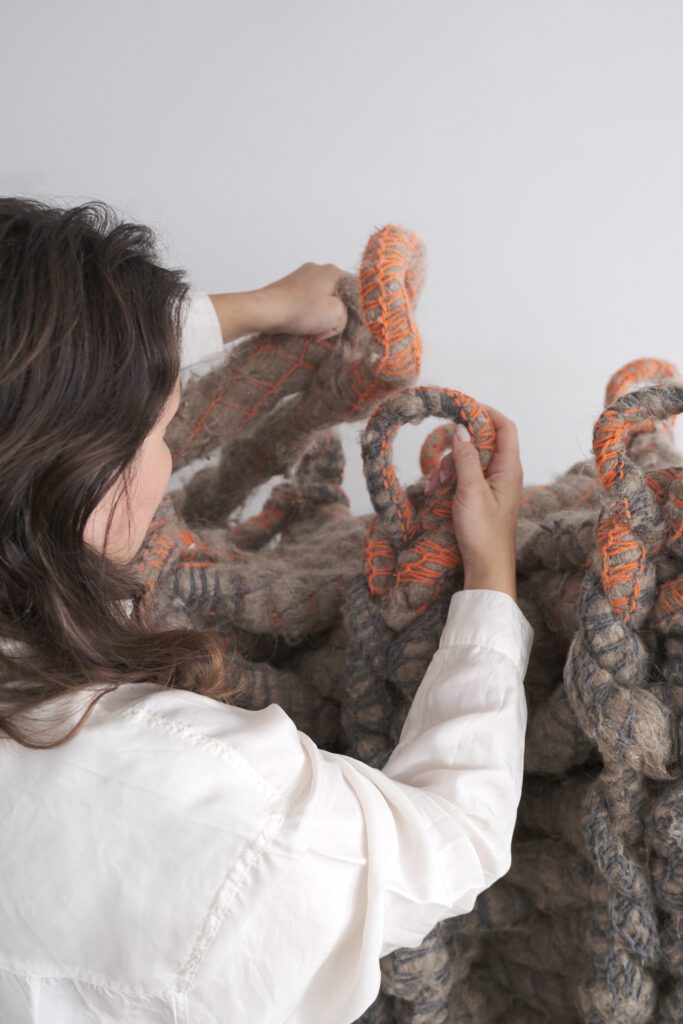
Since regionally grown, fast-growing fiber crops such as flax and hemp can sequesterCO2 and improve soil quality, their use in the highly resource-intensive construction industry could make a positive contribution to climate protection and Life on Land (SDGs 13 and 15).
If seeds are also added to the yarns, this could give rise to a living architecture: The root systems of the growing plants would firmly interweave the individual layers of fabric, making them even more stable. This form of “biological construction” could replace conventional, emission-intensive building materials while also contributing to climate adaptation in cities (SDG 13; see also Provisioning Systems, SDG 11). It was noted during the discussion that a reduction in greenhouse gases would also have an indirect positive effect on the world’s oceans and their ecosystems (SDG 14).