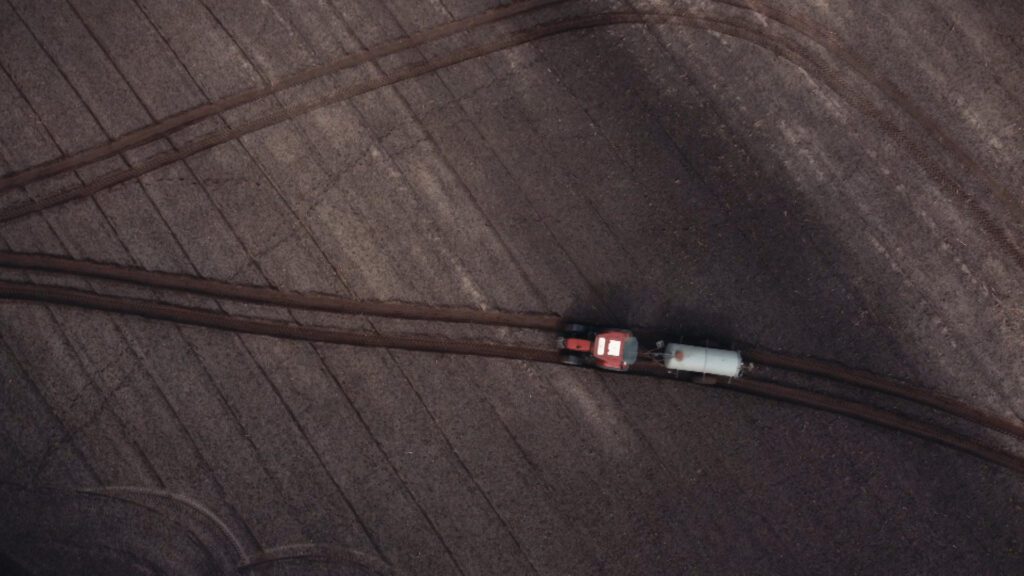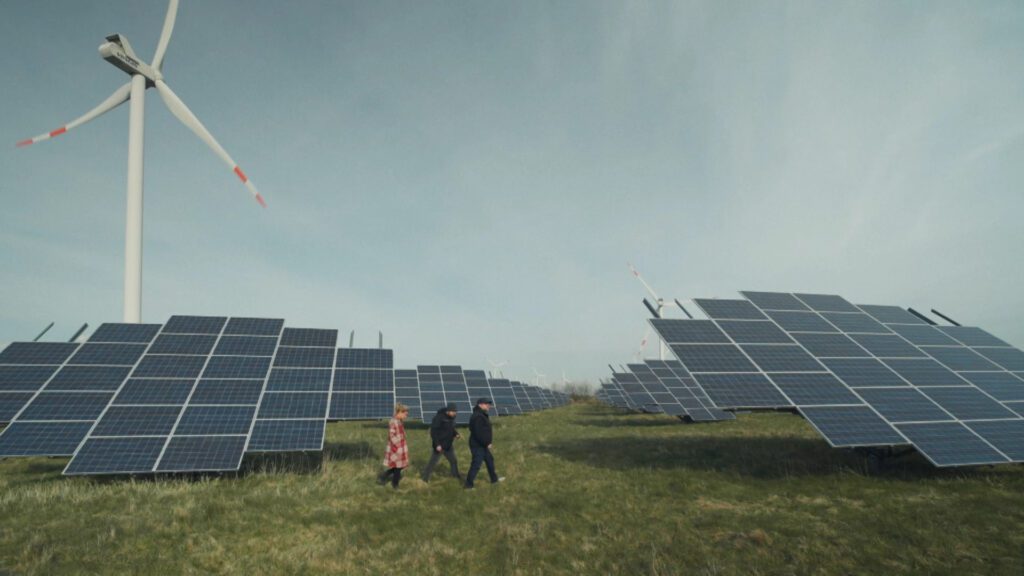
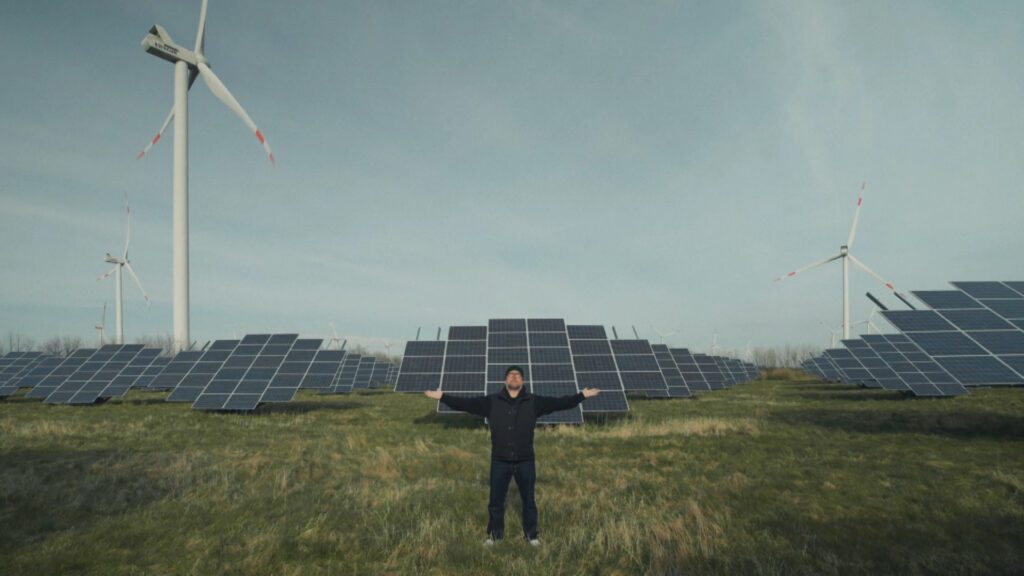
Wir können auch anders is a documentary miniseries in which well-known personalities such as Anke Engelke and Bjarne Mädel search for real-life solutions to sustainability challenges in the areas of energy, housing, mobility, and food. The series features people who are already taking a sustainable approach and explores why change is often difficult. The series was produced in collaboration with the production companies 2Pilots and Florida Film on behalf of SWR. The project was directed by Lars Jessen and Laura Lo Zito.
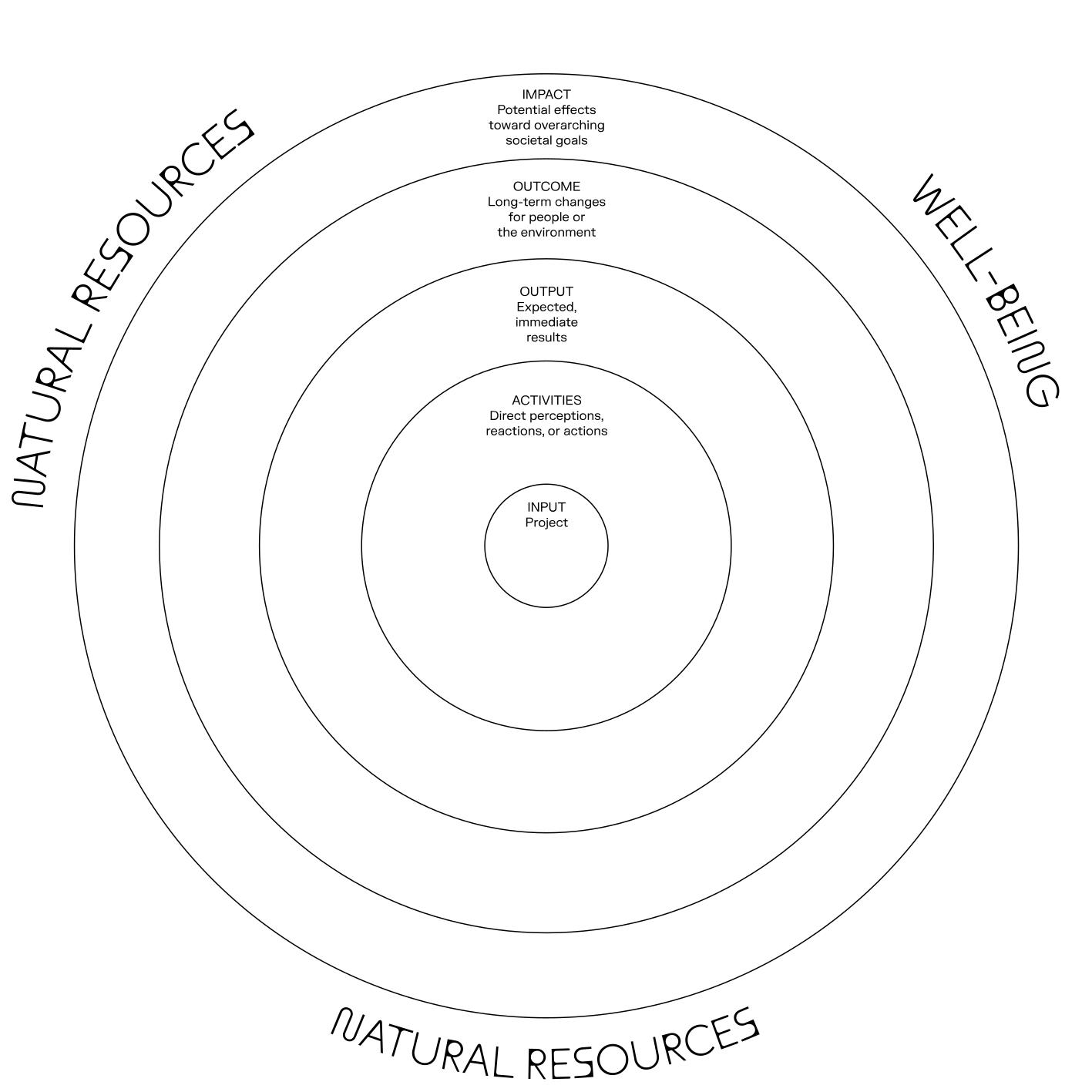
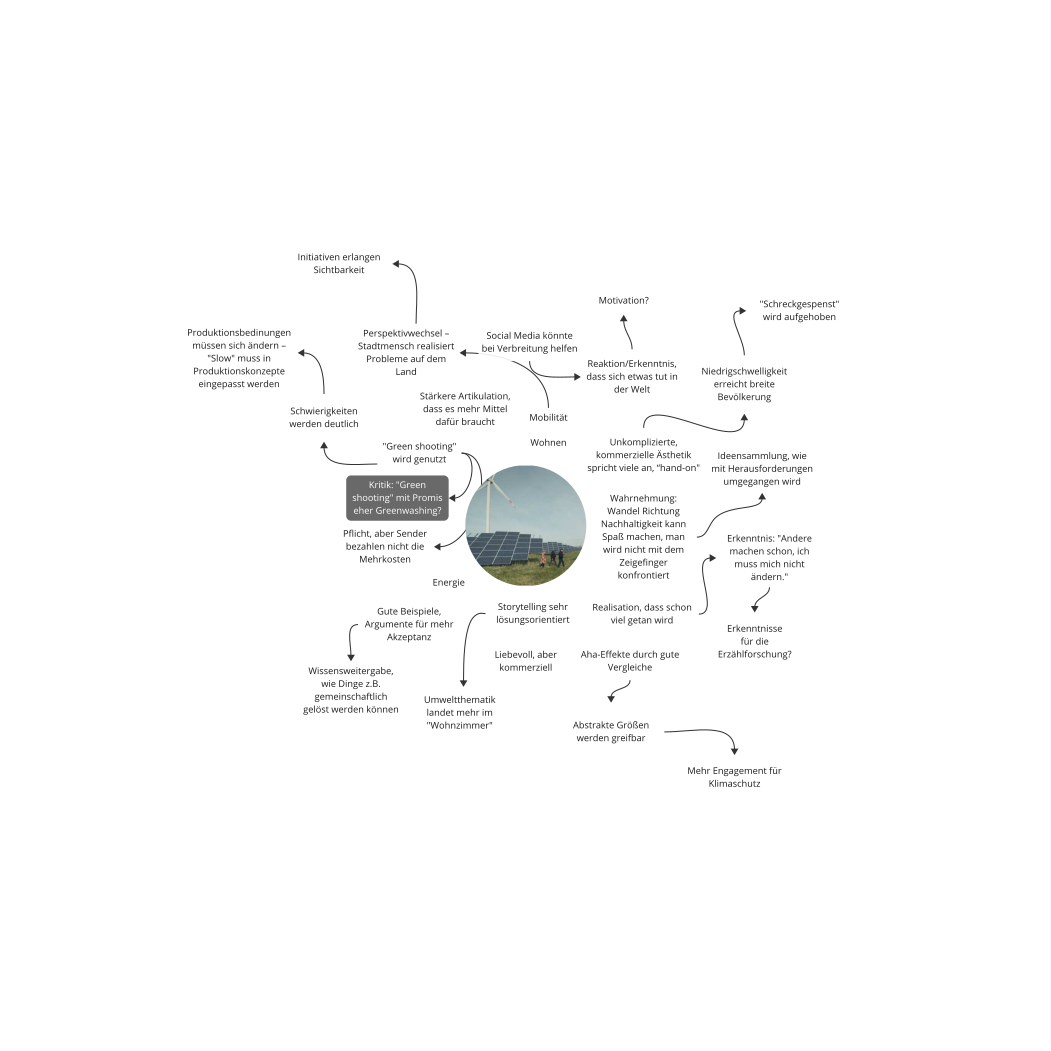
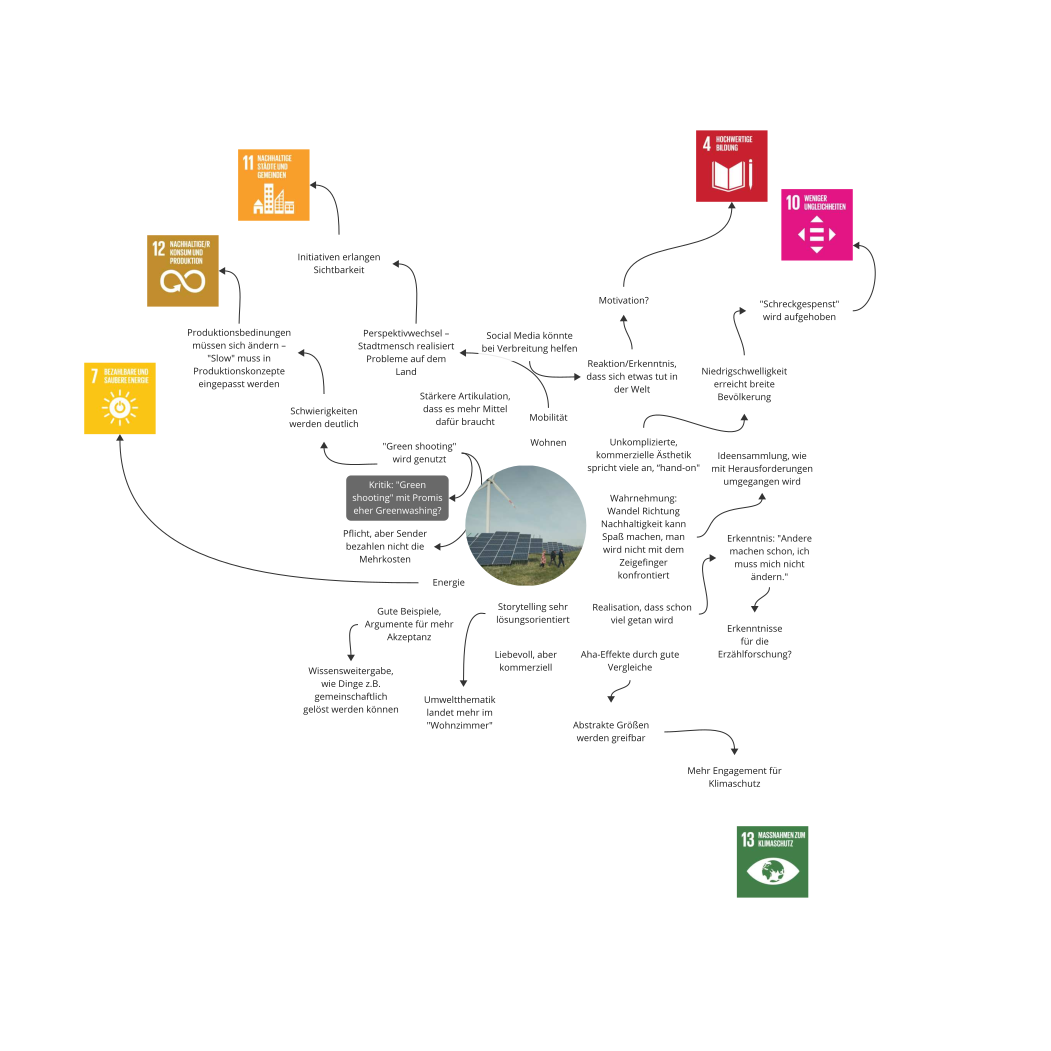
On May 28, 2024, an interdisciplinary group consisting of directors, designers, design researchers, and cultural educators analyzed the potential impact of *Wir können auch anders* using the Map/ing Sustainability method.


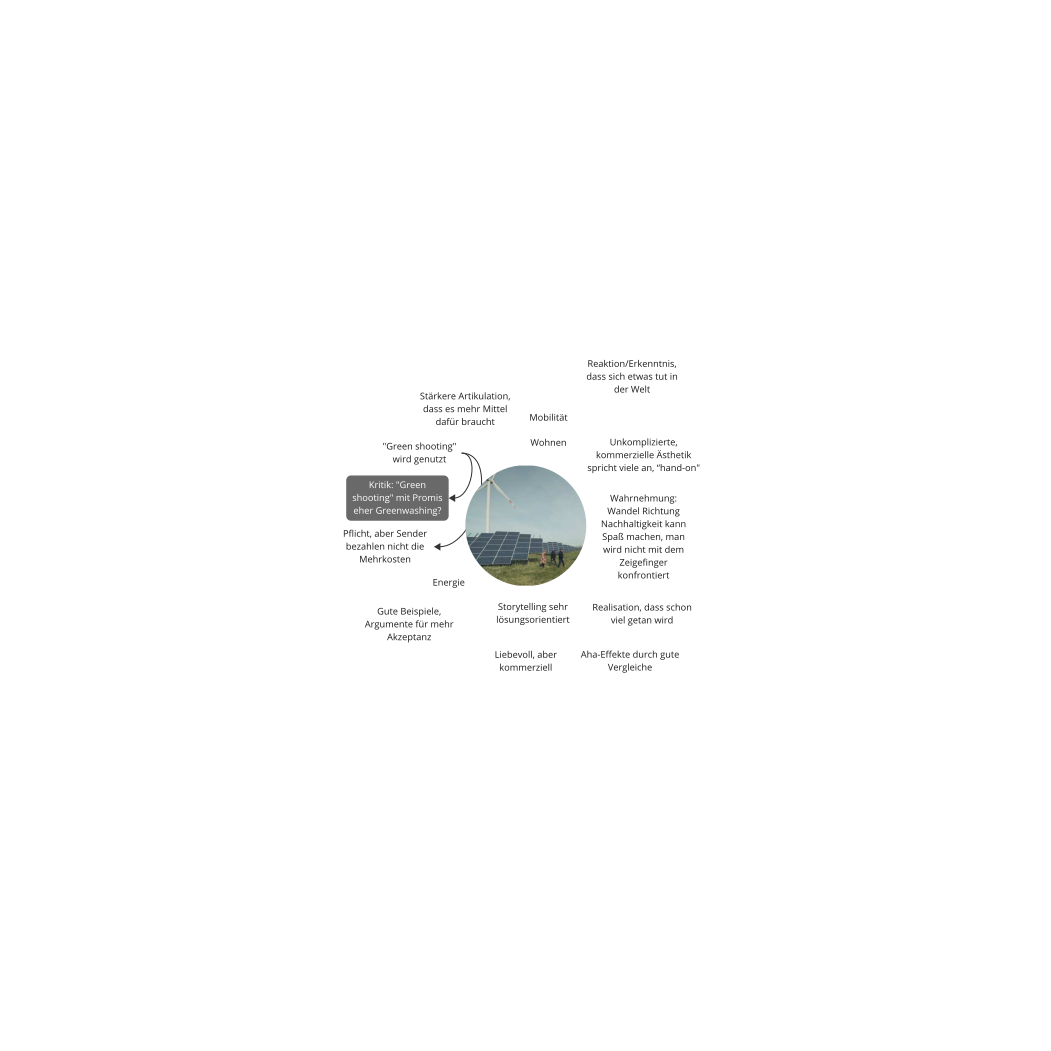
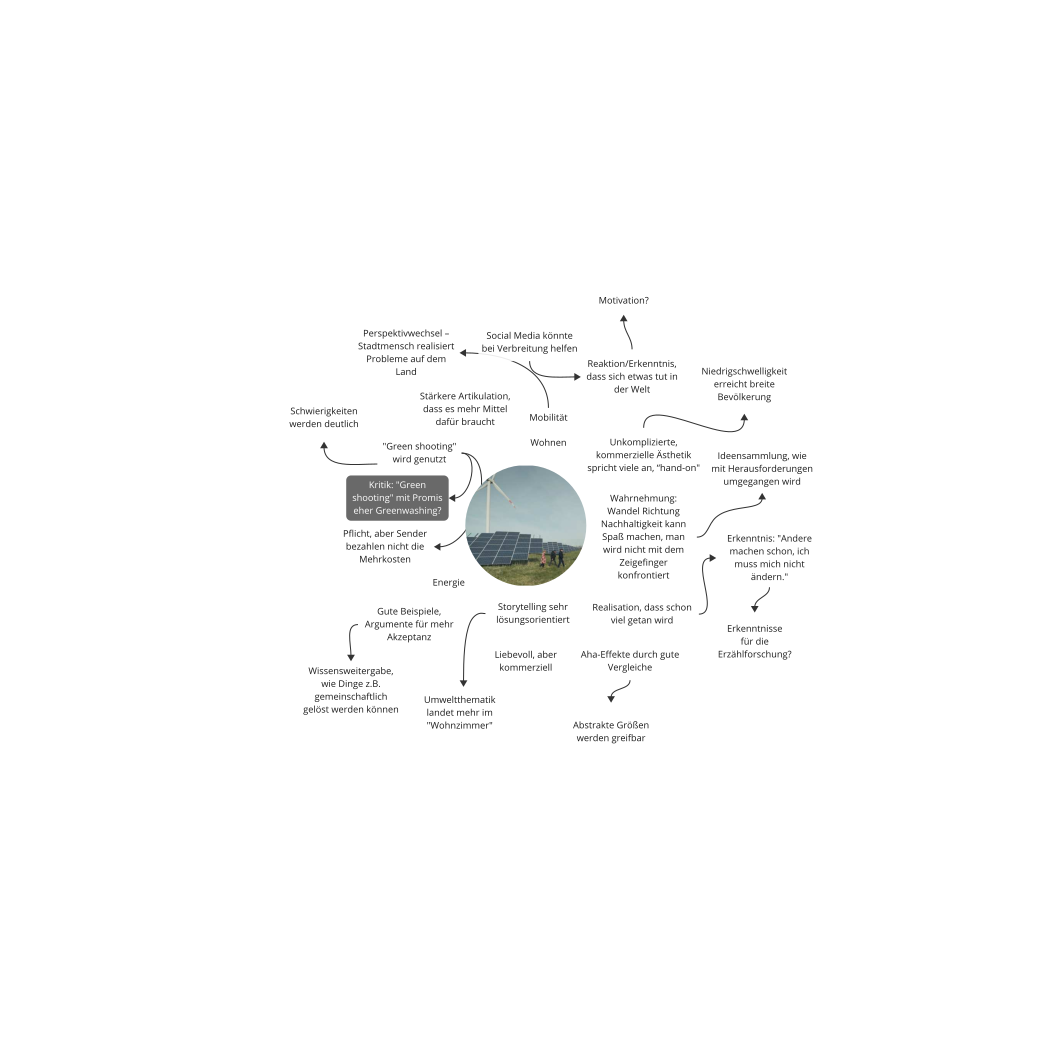
Participants in the impact analysis described the series as a format that is particularly effective in conveying sustainability-related topics in a way that is relevant to everyday life. They emphasized that the series highlights concrete, regional examples and showcases both effective approaches and existing challenges (“where the problems lie”)—while always remaining solution-oriented. The series thus conveys knowledge about alternative courses of action and concrete solution strategies (SDG 4).
At the same time, the participants emphasized the format’s particular accessibility. The series employs a straightforward, and at times entertaining, aesthetic that was perceived as deliberately accessible (“hands-on”) and appeals to diverse segments of the population. Complex scientific and social topics, such as the resource consumption associated with certain consumption patterns, are presented in a way that does not come across as didactic but rather invites discussion. This enables broader participation in sustainability discourses by reducing barriers to engaging with difficult or abstract topics. Furthermore, a broader audience can identify with the very diverse, well-known personalities, making sustainability topics “more accessible to the general public.” During the discussion, this was identified as an important contribution to reducing inequalities in knowledge acquisition and access to socially relevant debates (SDG 10).
At the level of Provisioning Systems, the series was credited with the potential to shed light on different spatial and infrastructural realities. In particular, the shift in perspective between urban and rural contexts was described as effective: through the examples presented, city dwellers could develop a better understanding of the challenges and potential solutions in rural areas. At the same time, media coverage gave visibility to local initiatives and alternative supply models, which was perceived as an important impetus for sustainable urban and regional development (SDG 11).
With regard to sustainable consumption and production patterns, particular attention was paid to the production methods used for the series itself. It was emphasized that “green shooting” approaches were applied and, at the same time, made transparent. This not only highlights the necessity of sustainable production conditions but also demonstrates their practical feasibility. Examples such as the conscious decision by individual participants to use climate-friendly modes of transportation to reach filming locations were described as symbolically effective (SDG 12). At the same time, attention was drawn to a “mismatch” between the requirements of green shooting and economic conditions, as funding for the higher production costs is often lacking.
Participants described the series *Wir können auch anders* as particularly effective in translating abstract climate protection topics into concrete, understandable contexts. Through vivid comparisons and visual presentations, complex concepts such as resource consumption and emissions were made tangible. Recurring examples—such as depicting gasoline consumption in terms of swimming pools—along with animations, created “aha” moments that foster a better understanding of the scale of resource consumption.
The aesthetic and narrative design was also highlighted as a key element: A mix of scenes staged to reflect everyday life, explanatory animations, and humorous elements helps convey even complex content in an accessible way and hold the audience’s attention. The solution-oriented narrative was identified as particularly effective: climate protection is presented not as a sacrifice, but as a feasible process (“Change is easy”). Abstract problems are translated into concrete options for action, making sustainable behavior appear feasible and attainable and thereby fostering commitment to climate protection (SDG 13).