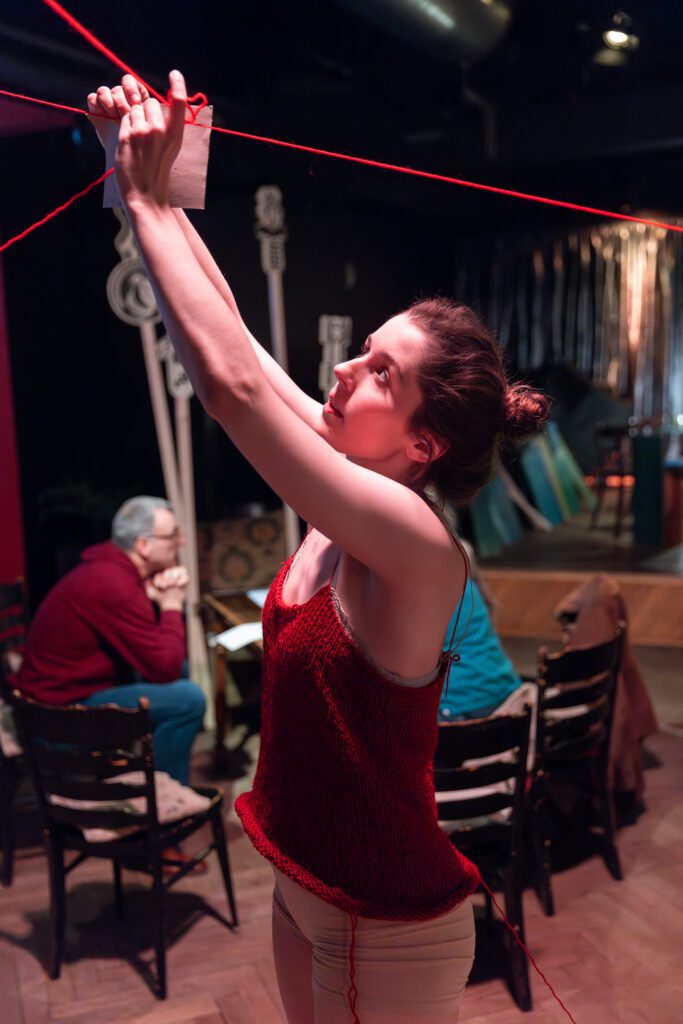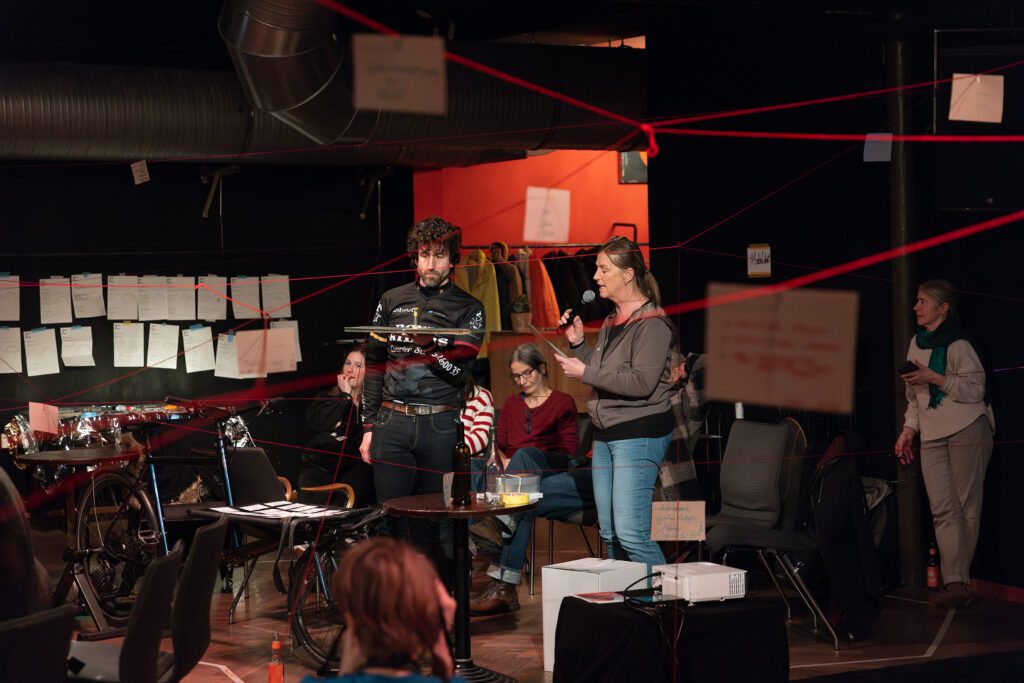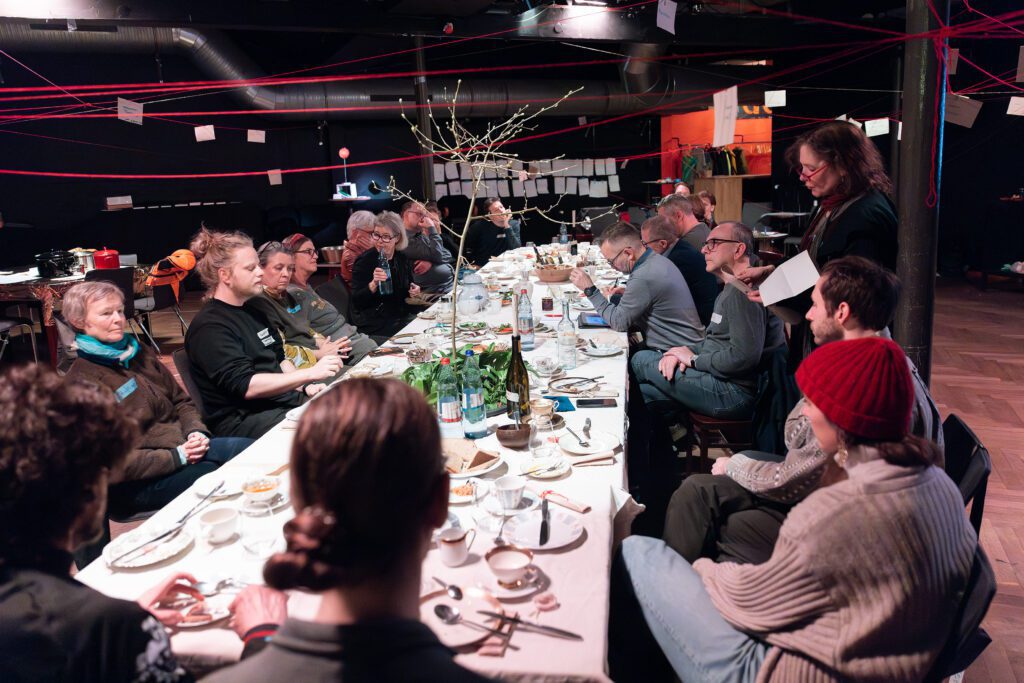


“Weben für morgen” is an event series in Wuppertal that views cultural venues as spaces for negotiation and social transformation. At its core is a day of action during which stakeholders from the fields of culture, education, urban development, and civil society come together to network. The format combines practical activities—such as unsealing land, community gardening, or redesigning public spaces—with artistic and discursive formats. It is based on the ManifÖST, a manifesto for an ecological and social transformation developed by the Performing for Future network, which is continuously evolving and serves as a living document of collective goals. The project explicitly does not see itself as a one-time series of events, but rather as a contribution to the sustainability of solidarity-based networks and the development of green cultural spaces in Wuppertal.
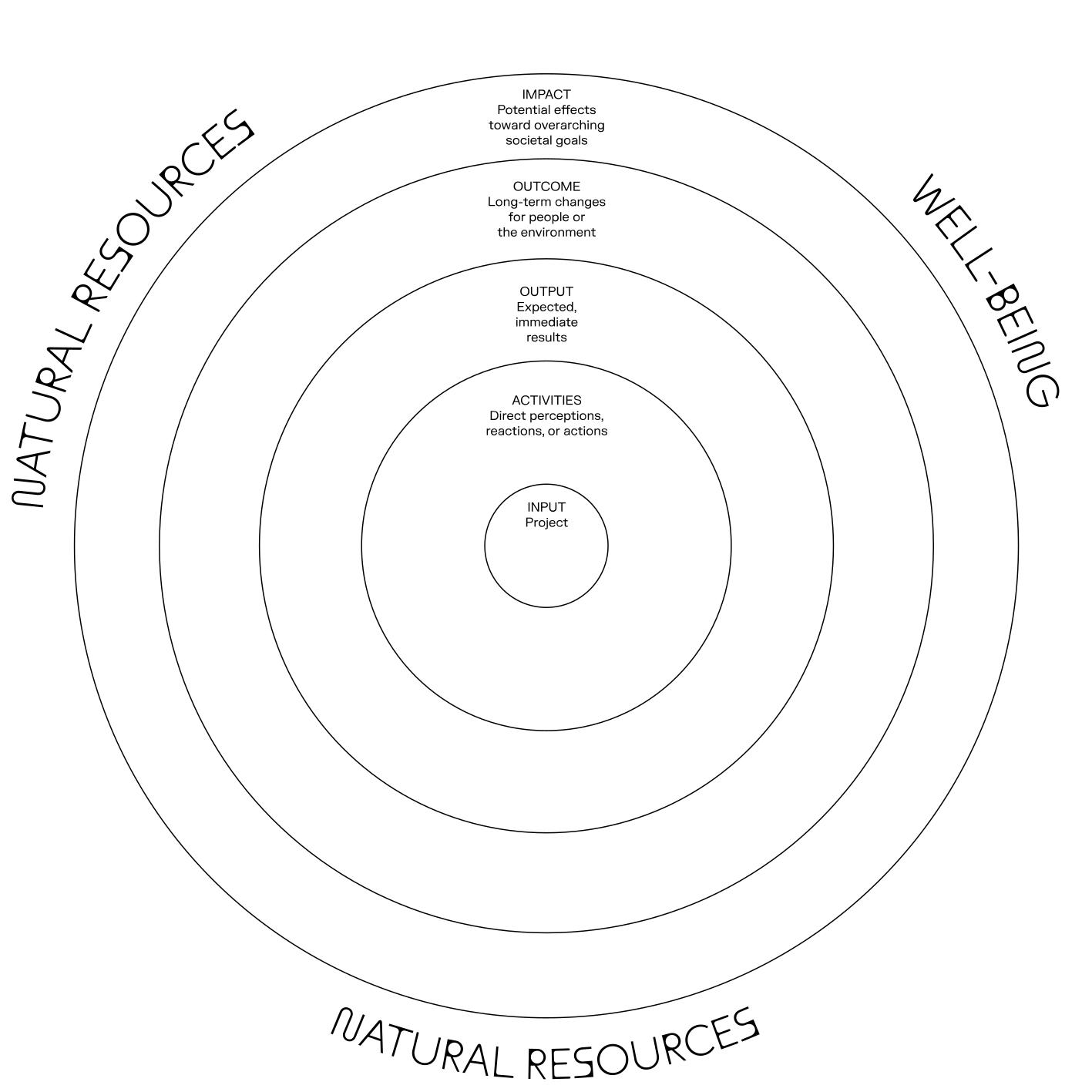
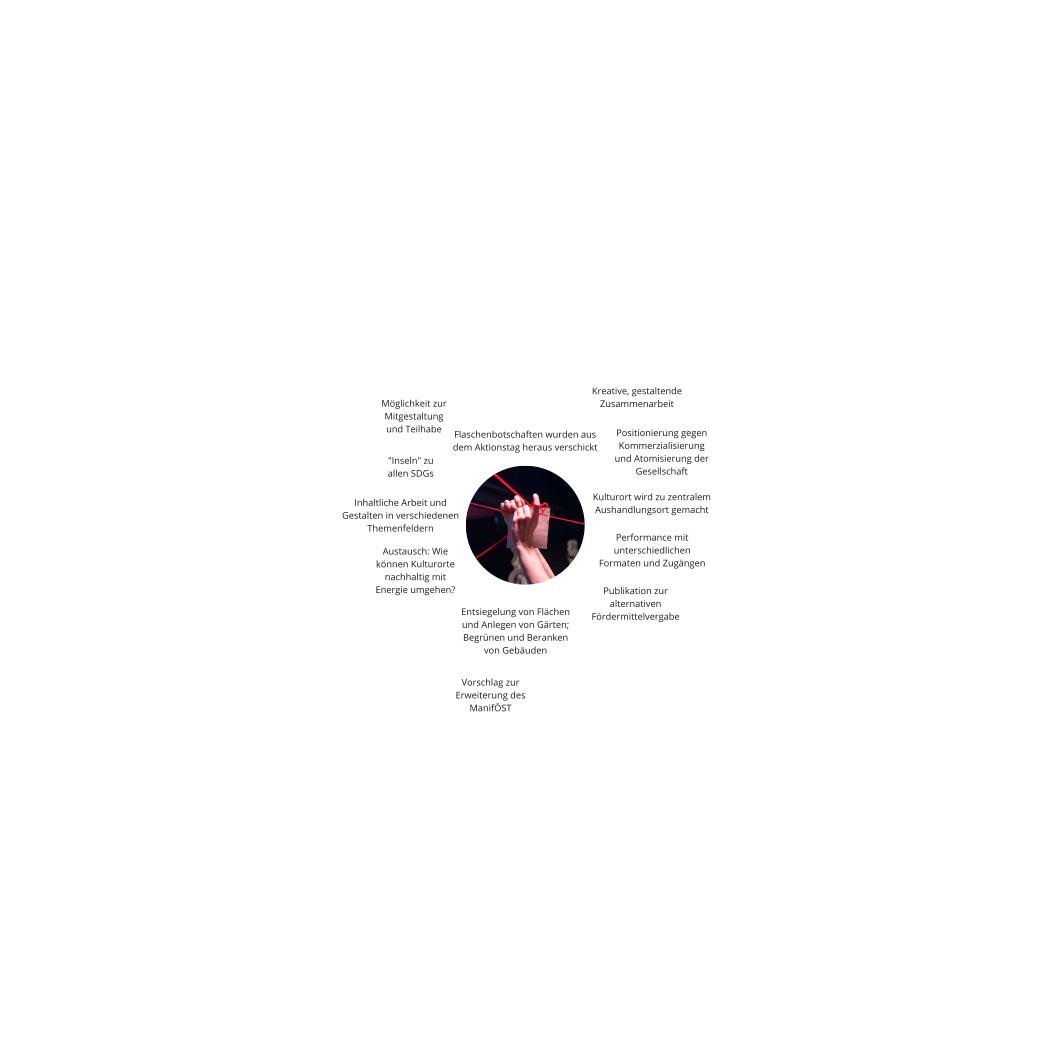
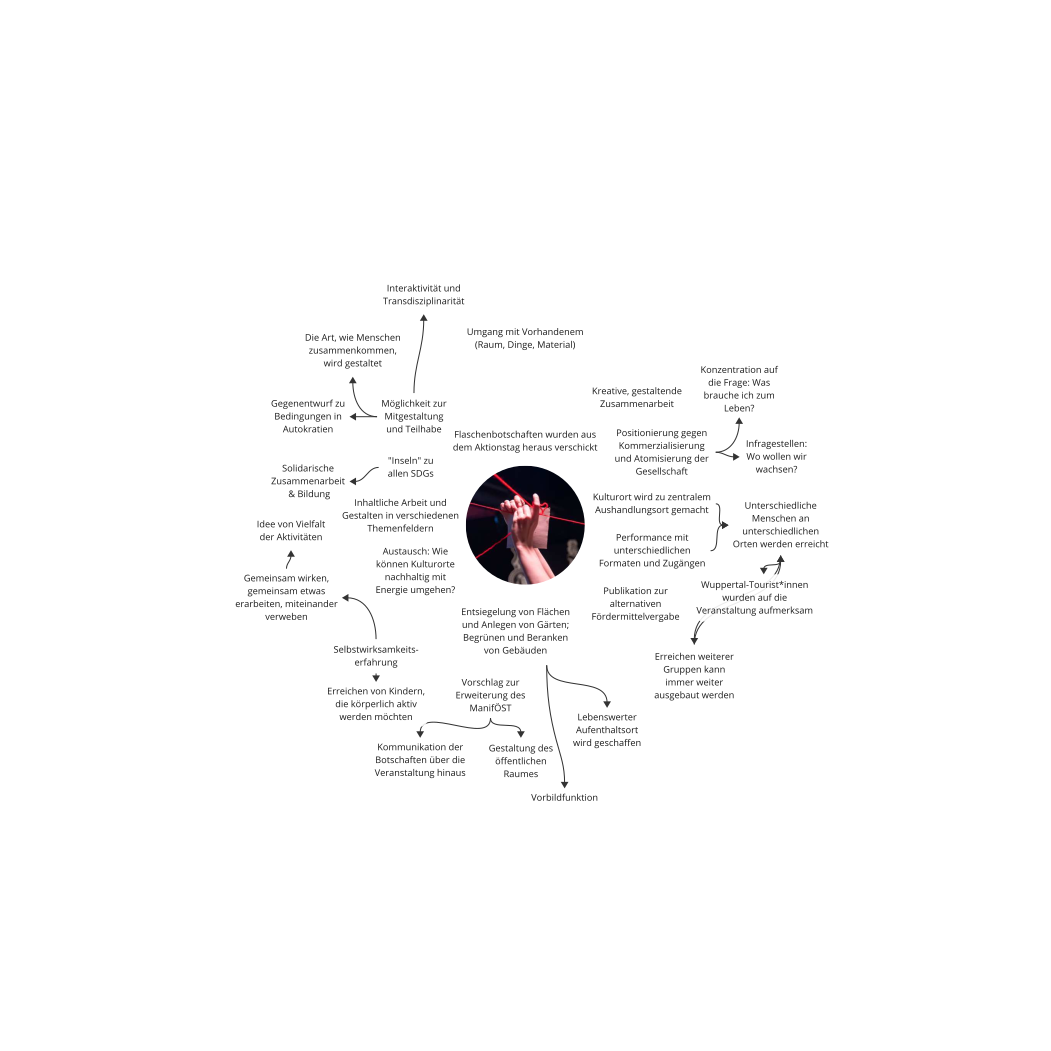
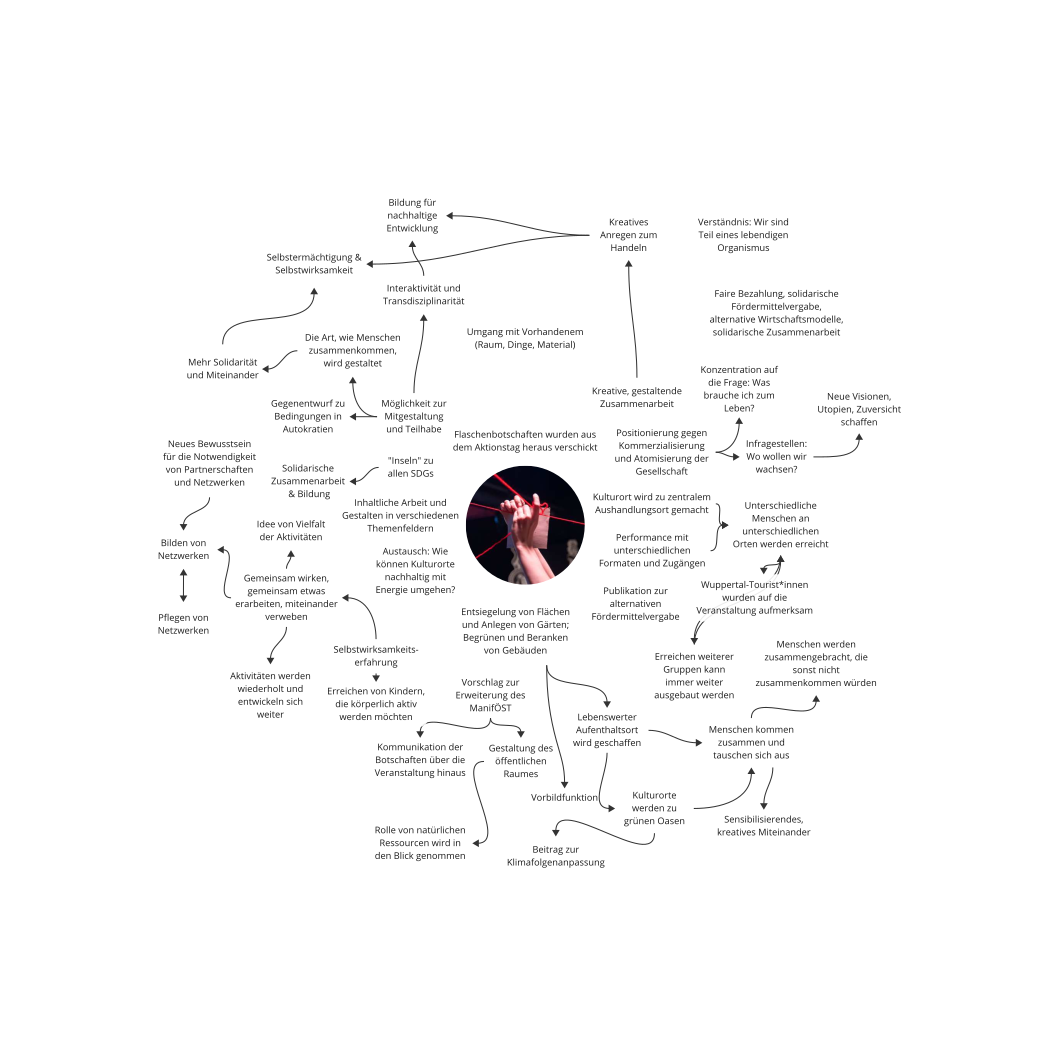
On November 6, 2024, the potential impact of “Weben für morgen” was analyzed using the Map/ing Sustainability method by an interdisciplinary group consisting of designers and curators, as well as experts in the fields of sustainability, transformation management, and application development.

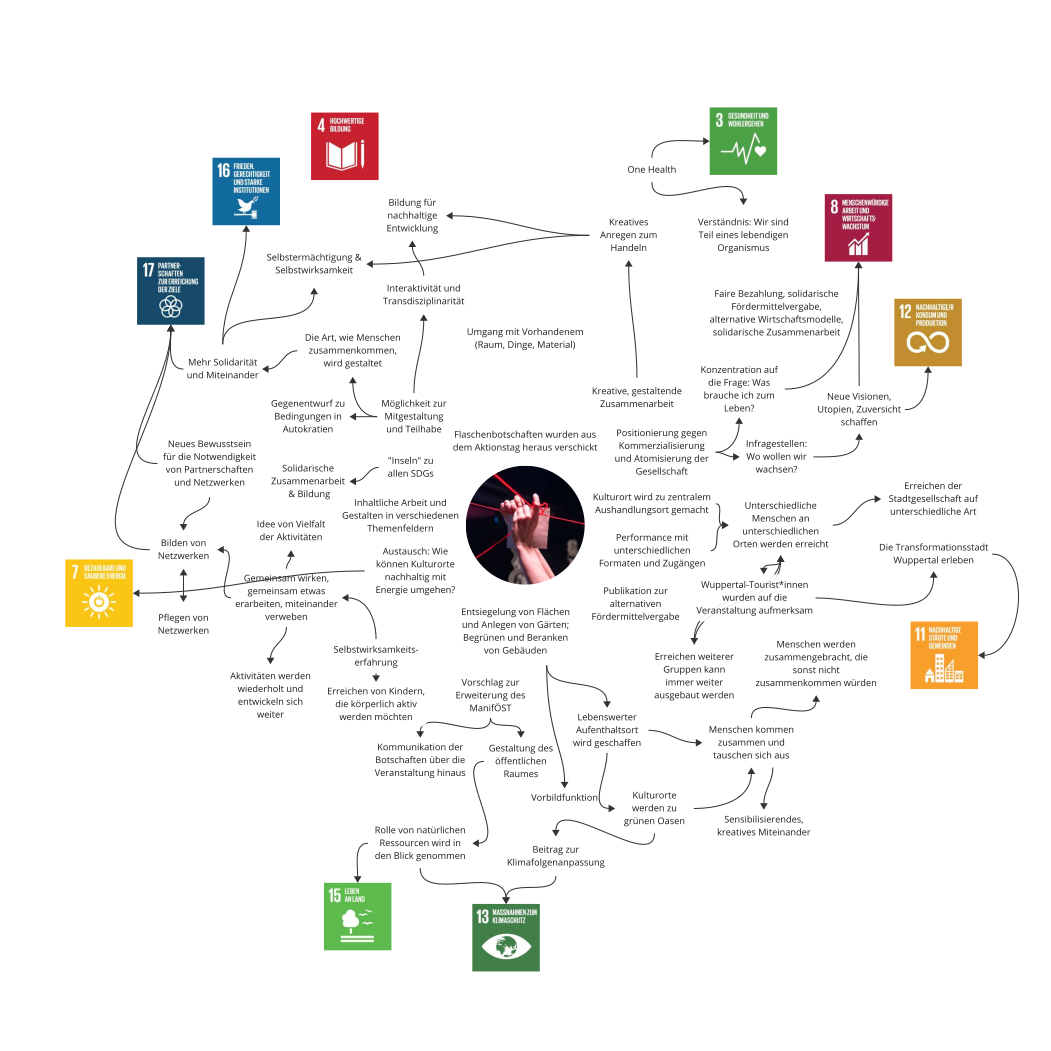
Participants in the impact analysis described how the project creates a framework in which people come together beyond commercial logic and shape the project collaboratively. This fosters a sense of social togetherness that makes solidarity tangible as a fundamental prerequisite for social coexistence (SDG 16). Through the opportunity to participate in shaping the project, participants acquire new skills, which leads to empowerment: The focus is not on the top-down transfer of knowledge, but rather on a format that enables participants to explore topics independently and thus experience a sense of self-efficacy (SDG 4). According to the participants, this creates a network that spans the various formats, fostering “confidence, utopian ideals, and visions” and deepening the understanding that one’s own human well-being is closely linked to ecological contexts. Health was not viewed in isolation but rather understood as part of a larger ecological system of which humans themselves are a component (SDG 3).
Participants identified the formation of partnerships (SDG 17) as the overarching impact of the project, with these partnerships having individual effects across various SDGs. The project was described as an ongoing process aimed at sustaining networks. Encounters were facilitated and continued in other contexts, such as at the “Dinner for Future,” during a dance festival, or in joint gardening projects.
In addition, the participants highlighted the application of circular economy practices, which are evident in the project, for example, in the reuse of building materials from neighboring and partner initiatives and institutions (SDG 12). The repurposing and reuse of materials in the creation of new spaces, such as the Library of Things, fosters an understanding of the city as a space for sustainable transformation, where diverse actors can work together to build a “living utopia” (SDG 11).
Another aspect highlighted was the importance of fair economic relations (SDG 8). “Weben für morgen” represents an alternative to the increasing commercialization and fragmentation of society. Minimum fee standards, solidarity-based funding allocation, and alternative economic models are not merely organizational considerations but core substantive concerns of the project.
Participants described changes in the urban environment—such as the removal of impervious surfaces, greening, and the planting of areas and containers—as direct environmental impacts of the project (SDG 15). During the discussion, it was highlighted that cultural venues can contribute to climate change adaptation through greening and community-based design, while also focusing on ecological developments (SDG 13)—a point also referenced in the project’s subtitle, “Stranded in Climate Collapse.”