The Cologne Natural Dyeing Studio Cosmaki breathes new life into discarded textiles. Using natural dyes derived from plants, minerals, and local food scraps, unique garments and home textiles are handcrafted from textile items destined for disposal, such as hotel linens. By combining craftsmanship, design, and art, it promotes Cosmaki A circular economy approach to the sustainable use of textiles, including through consultations and workshops for all age groups.
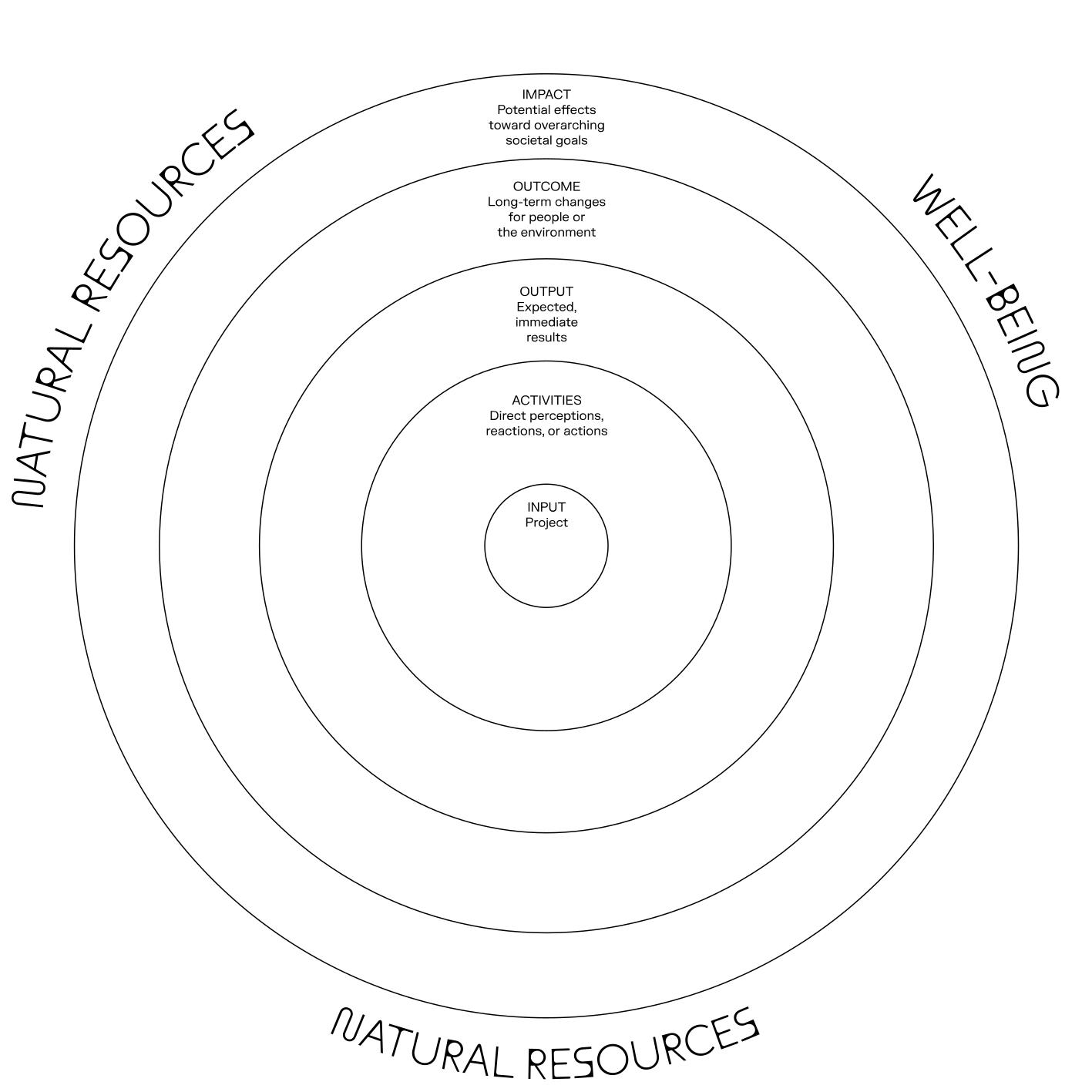
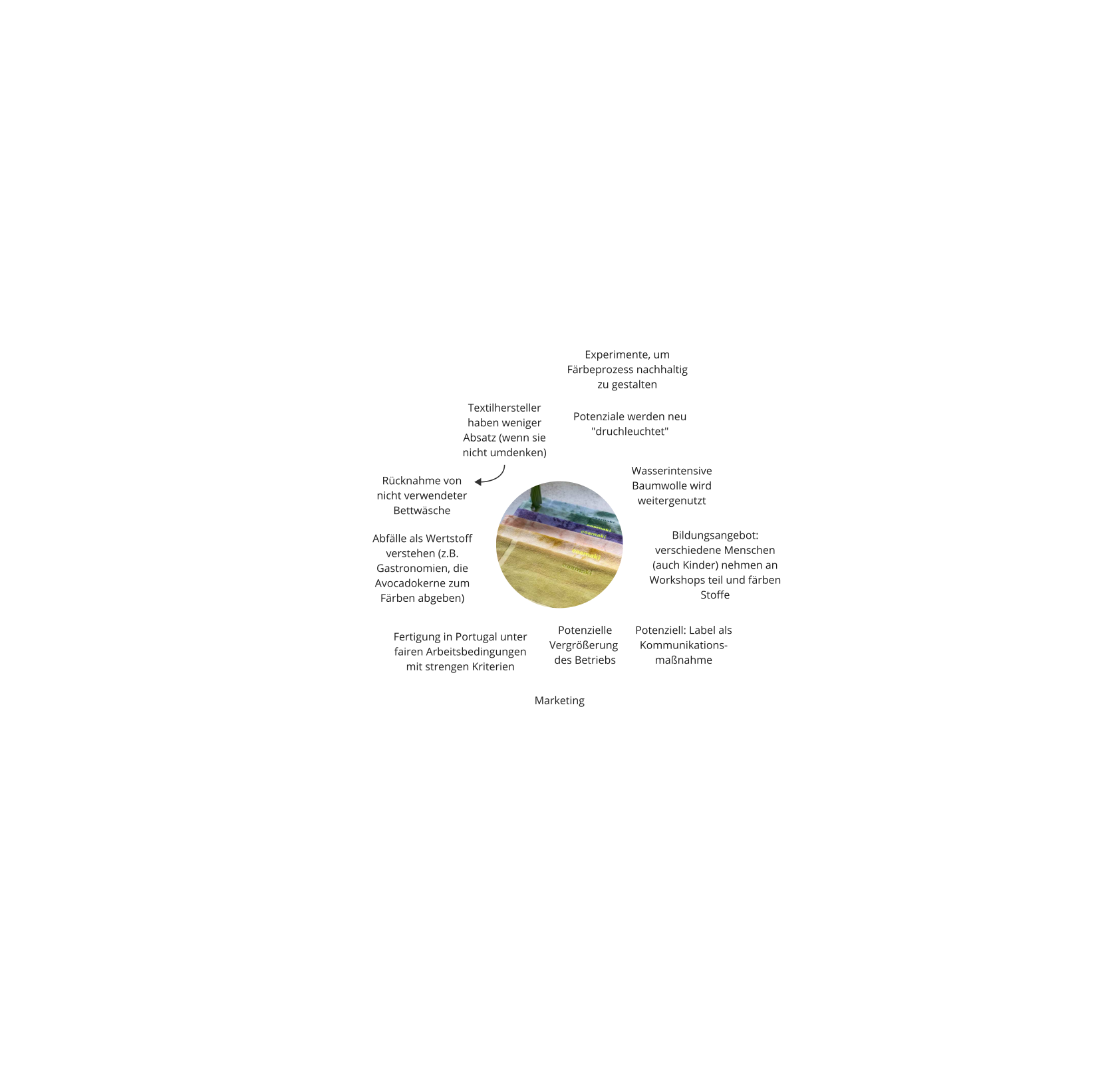
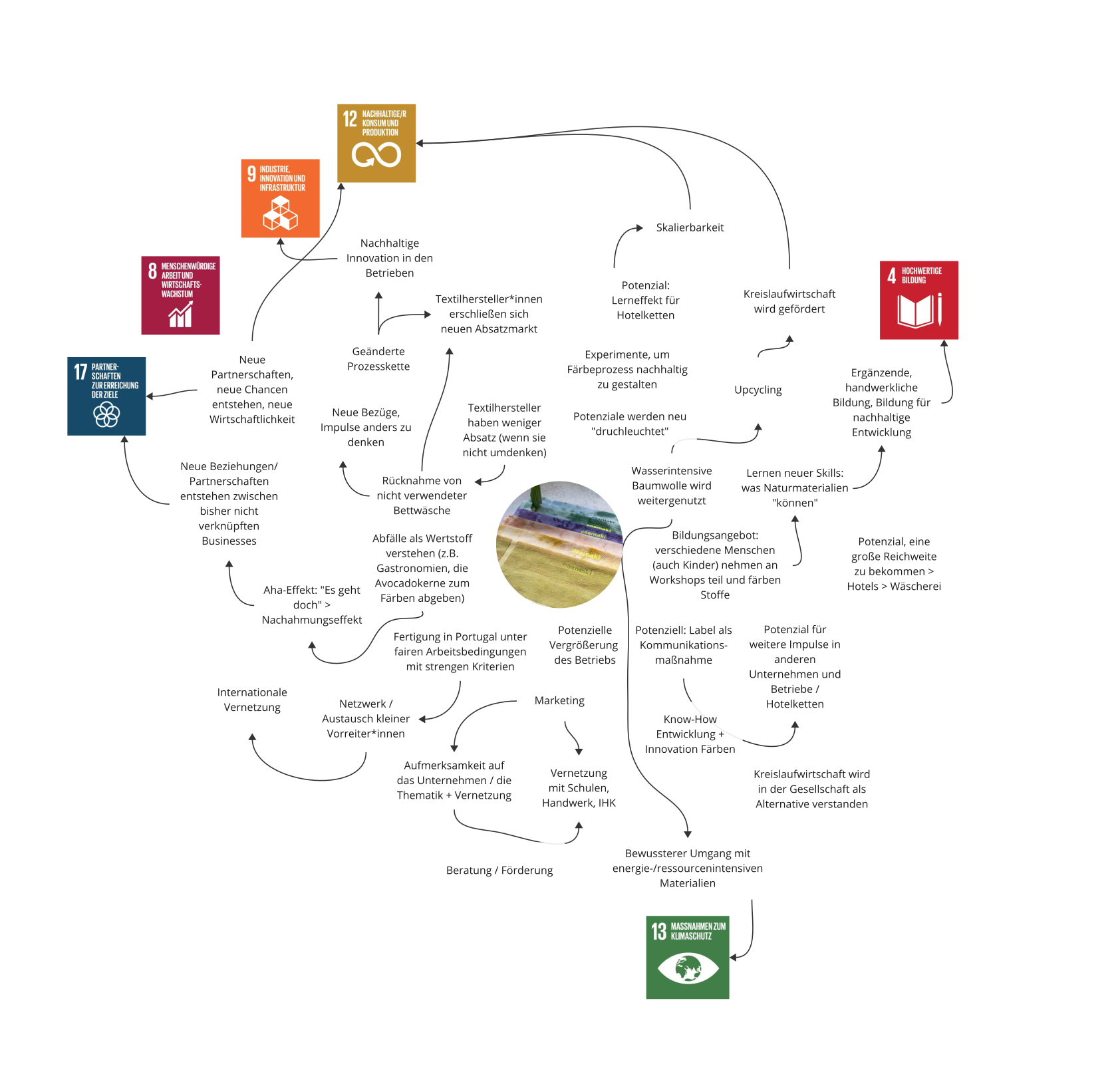
On July 9, 2024, an interdisciplinary discussion group analyzed Cosmaki’s potential impact using the Map/ing Sustainability method. The discussion included participants who contributed their perspectives from the fields of industrial design, the creative industries, and the skilled trades. Since Cosmaki’s founder, Simon Hariman, was unable to attend in person, the project was presented to the group by an employee of creative.nrw who had supported the project through a mentoring program. Among other things, she reported that the one-person operation sources discarded textiles—such as bed linens and bath mats—from a Cologne-based laundry, some of which were barely used yet had still been discarded by hotels. Plant-based materials, such as beetroot peels or used tea leaves from nearby restaurants—which would otherwise be disposed of as food waste—are also used to dye the textiles.


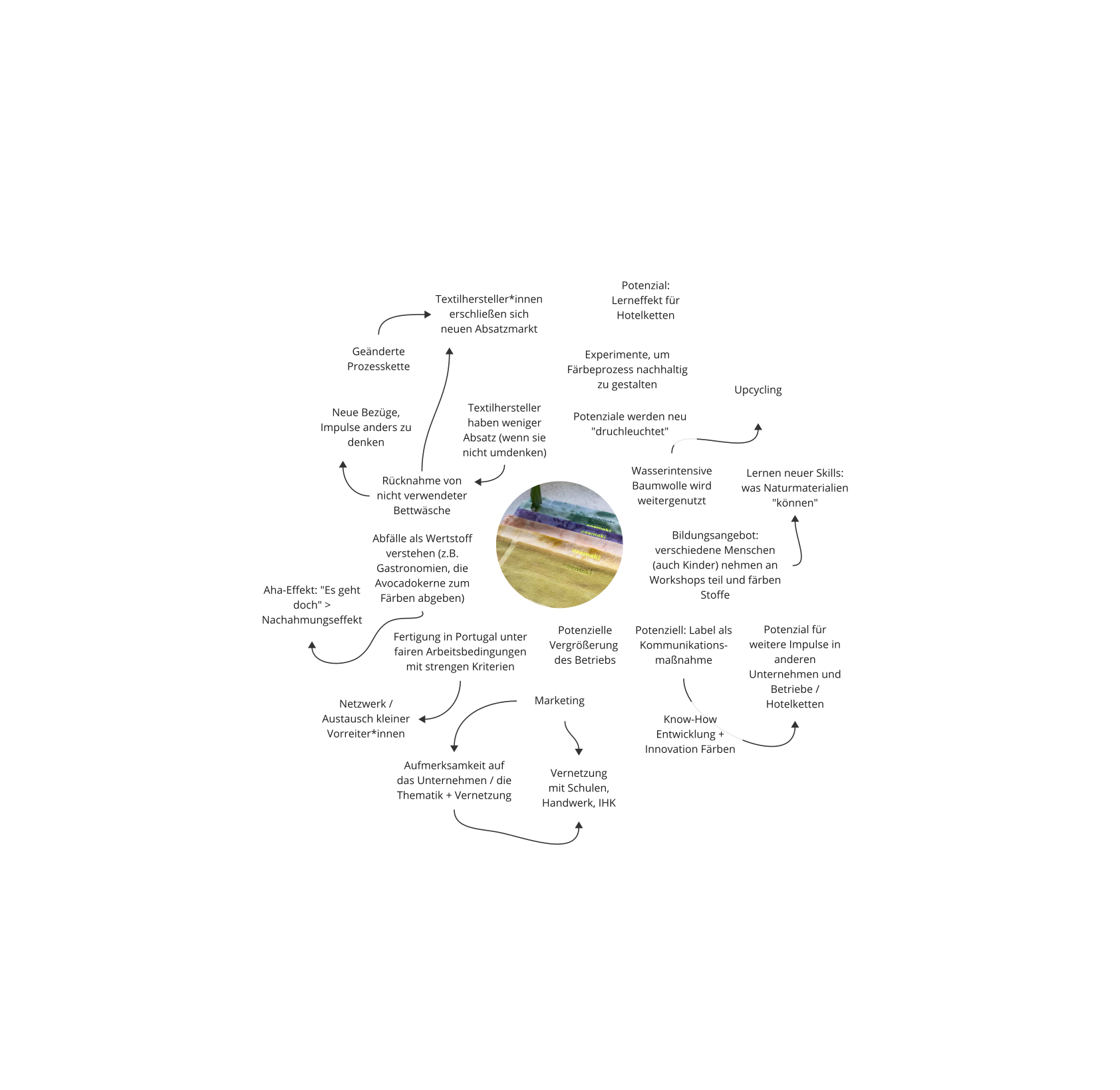
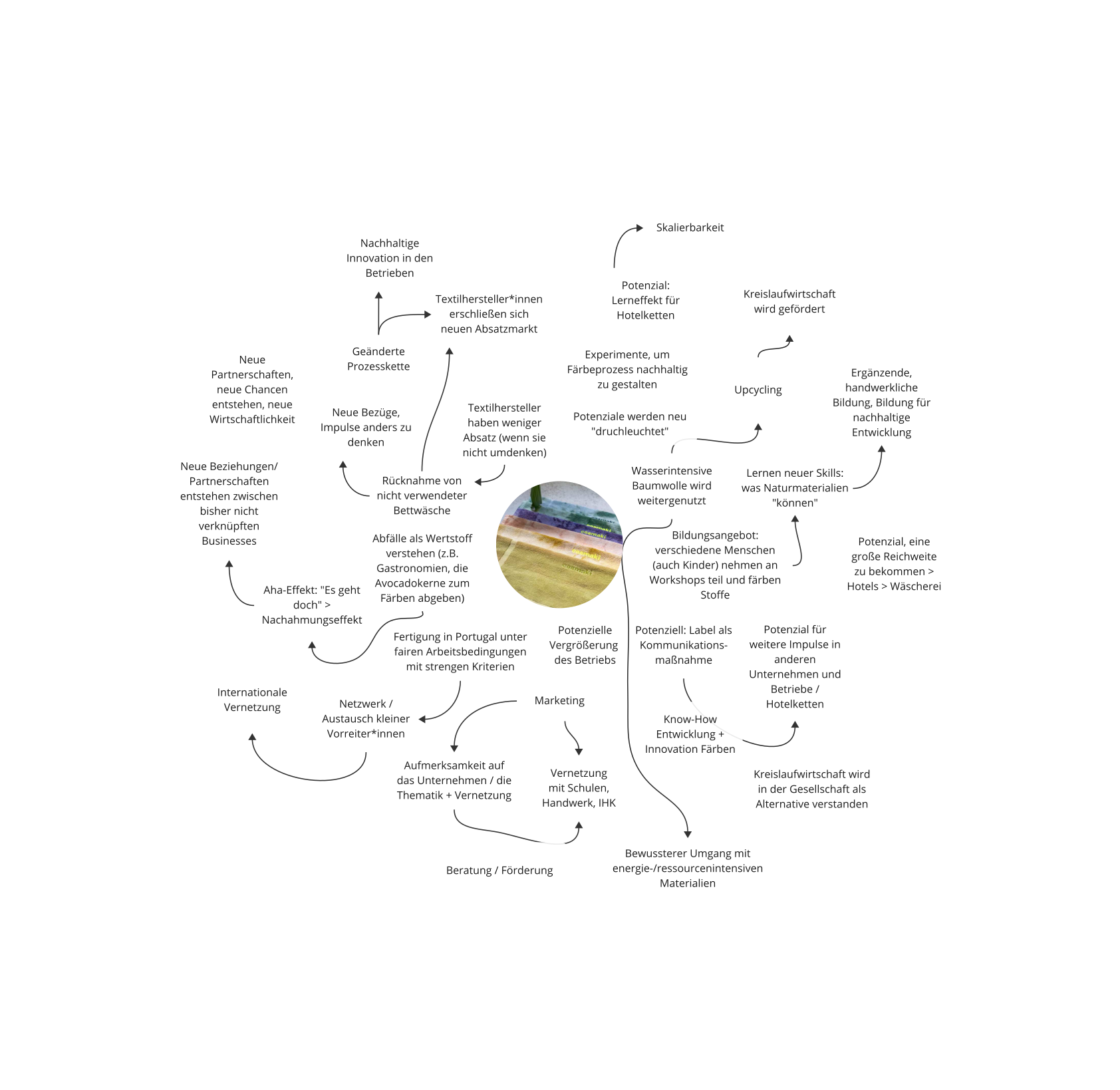
When discussing the concept of well-being, the discussion group emphasized above all the educational aspect of the project. On the one hand, they saw this as being grounded in workshops for children and young people that offer low-threshold entry points into natural dyeing techniques, such as through hands-on work with plant-based food scraps. These workshops allow participants to experience the craft of dyeing through their senses and, in doing so, learn to understand and apply it (SDG 4).
On the other hand, the participants also saw educational potential for adults. The products themselves can serve as a catalyst—both for businesses that dispose of large quantities of textiles in short usage cycles and for consumers—to reflect on waste generation and the circular economy.
The “aha” moment—the realization that supposed waste can be transformed into new materials—was highlighted as central to embedding the concept of the circular economy, not only technically in production but also socially among consumers (SDG 12).
The participants also recognized the economic relevance and scalability of the upcycling process for Cosmaki products. New partnerships—for example, with dyeing facilities, hotels, laundries, or textile manufacturers—offer companies the potential to adapt their supply chains to increasingly stringent environmental regulations and tap into new markets (SDGs 12, 17). In addition, potential for new business cases became apparent: Through a credible sustainability label, hotels could communicate the upcycling and take-back of their own discarded textiles, thereby explicitly highlighting reuse (SDG 17, 9). One participant brought the perspective of the skilled trades into the discussion and described the potential to share knowledge about the recycling process within the project with numerous small businesses through consultants from the chambers of skilled trades and trade associations (SDG 17, 12).
In particular, the participants described the dyeing and fixing process using plant waste as innovative, as it introduces people to new and specialized knowledge, laboratory work, and related processes (SDG 9). The participants also viewed the promotion and communication of this business model, as well as the implementation of this circular production process, as a potential long-term contribution to Decent Work and Economic Growth (SDG 8).
The participants discussed the high water intensity of cotton production, citing lakes whose water levels have been catastrophically reduced due to the artificial irrigation of vast cotton-growing areas. In light of increasing water scarcity and the resulting expected rise in raw cotton prices, circular economy practices are becoming increasingly important. The use and recycling of existing textiles reduces the need for new production and thereby lowers water consumption. The discussion group viewed this as a potential contribution to climate action (SDG 13).