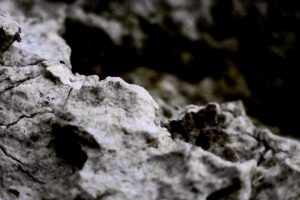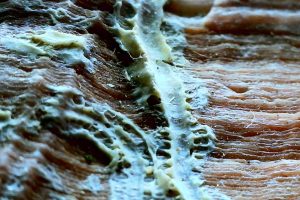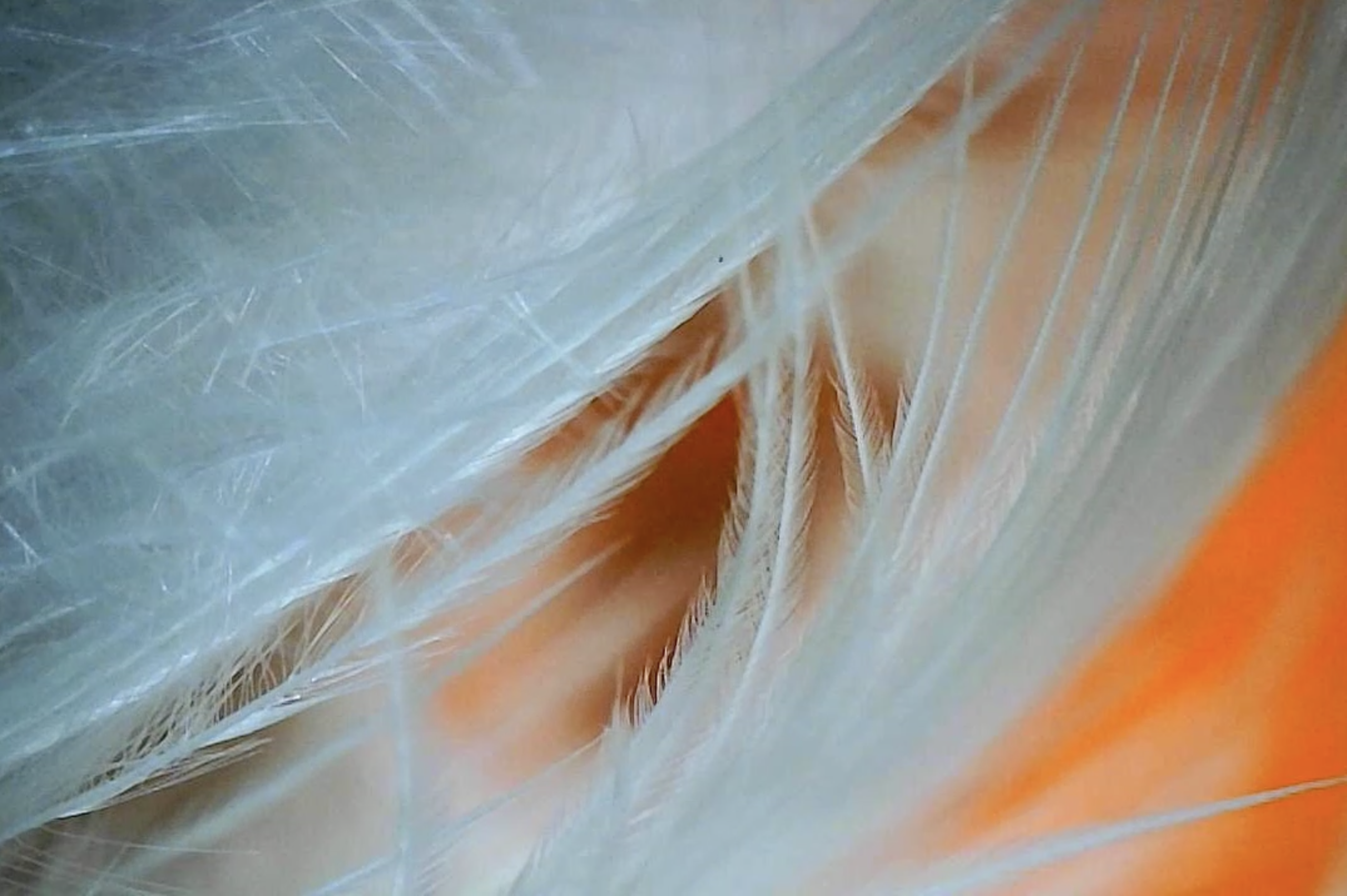

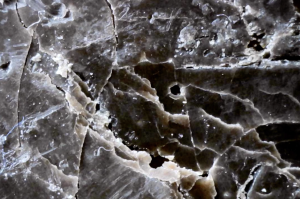
In the interspecies collective CMUK, parrots and humans collaborate across species boundaries to create art, mutually shaping the resulting works. The focus is on the question of how interspecies forms of coexistence can be shaped and what notions of authorship, perception, and cultural value emerge from this. In this process, animal forms of expression become visible as an active component of the artistic process. The collective’s name is composed of the initials of its members: Clara, Mathias, Ute, and Karl.
On June 20, 2024, an interdisciplinary group of designers, artists, and economists analyzed the potential impacts of the interspecies collective CMUK using the Map/ing Sustainability method.

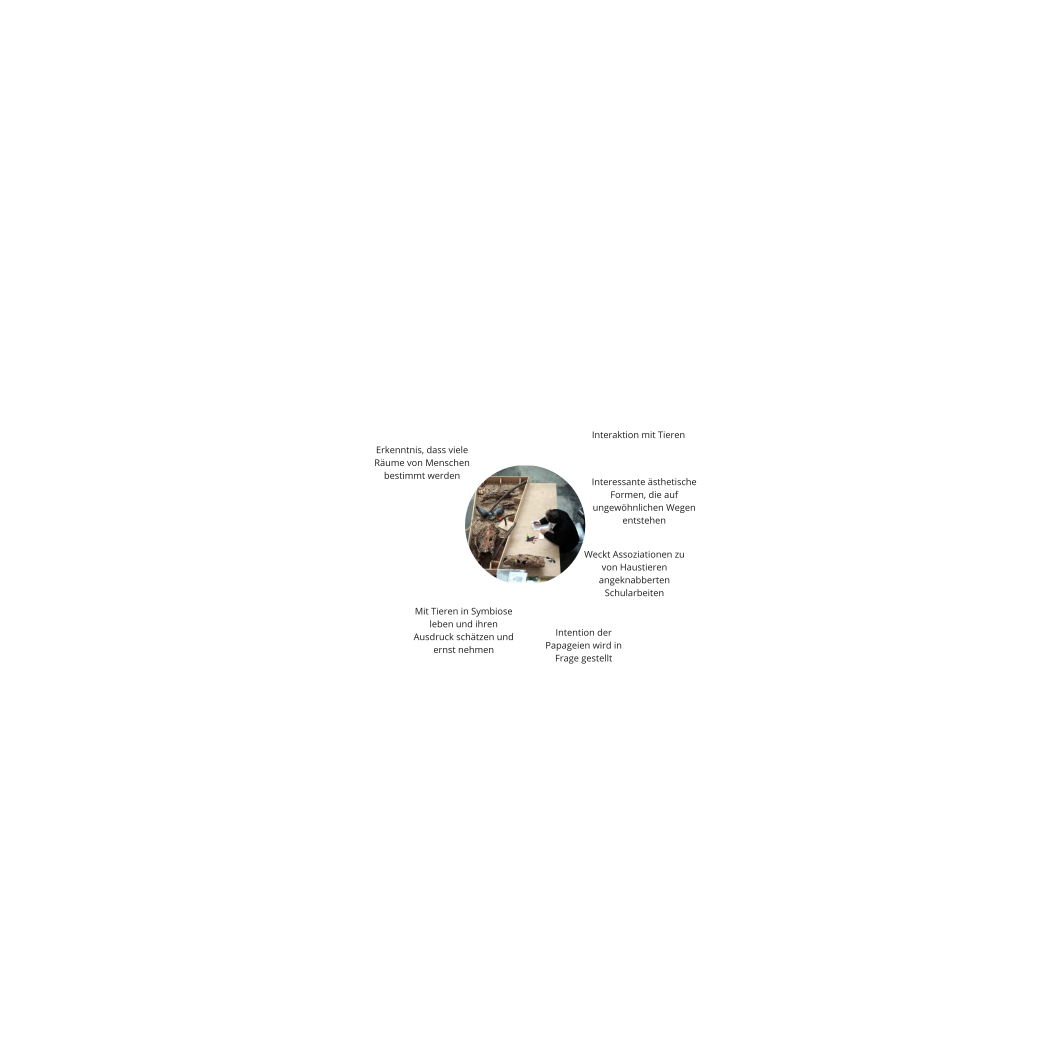
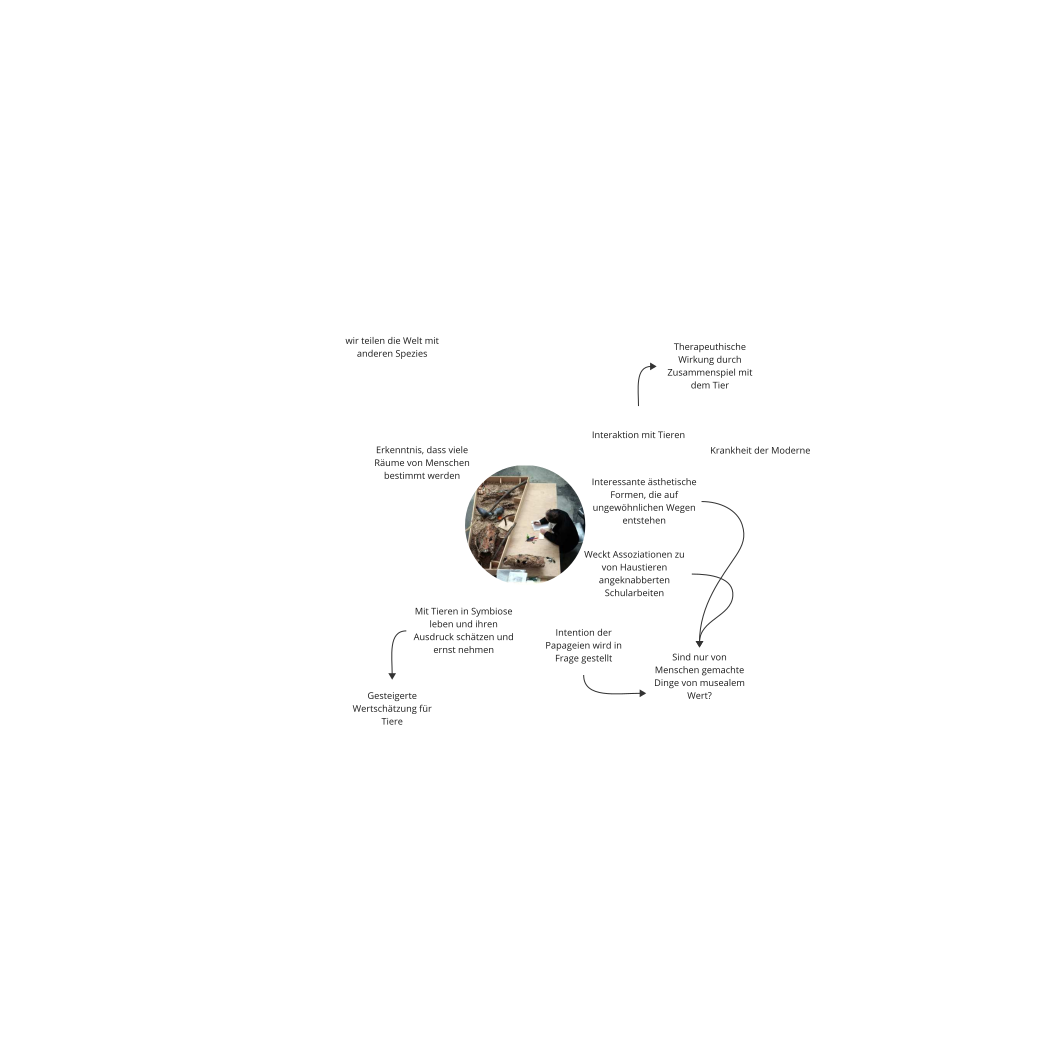
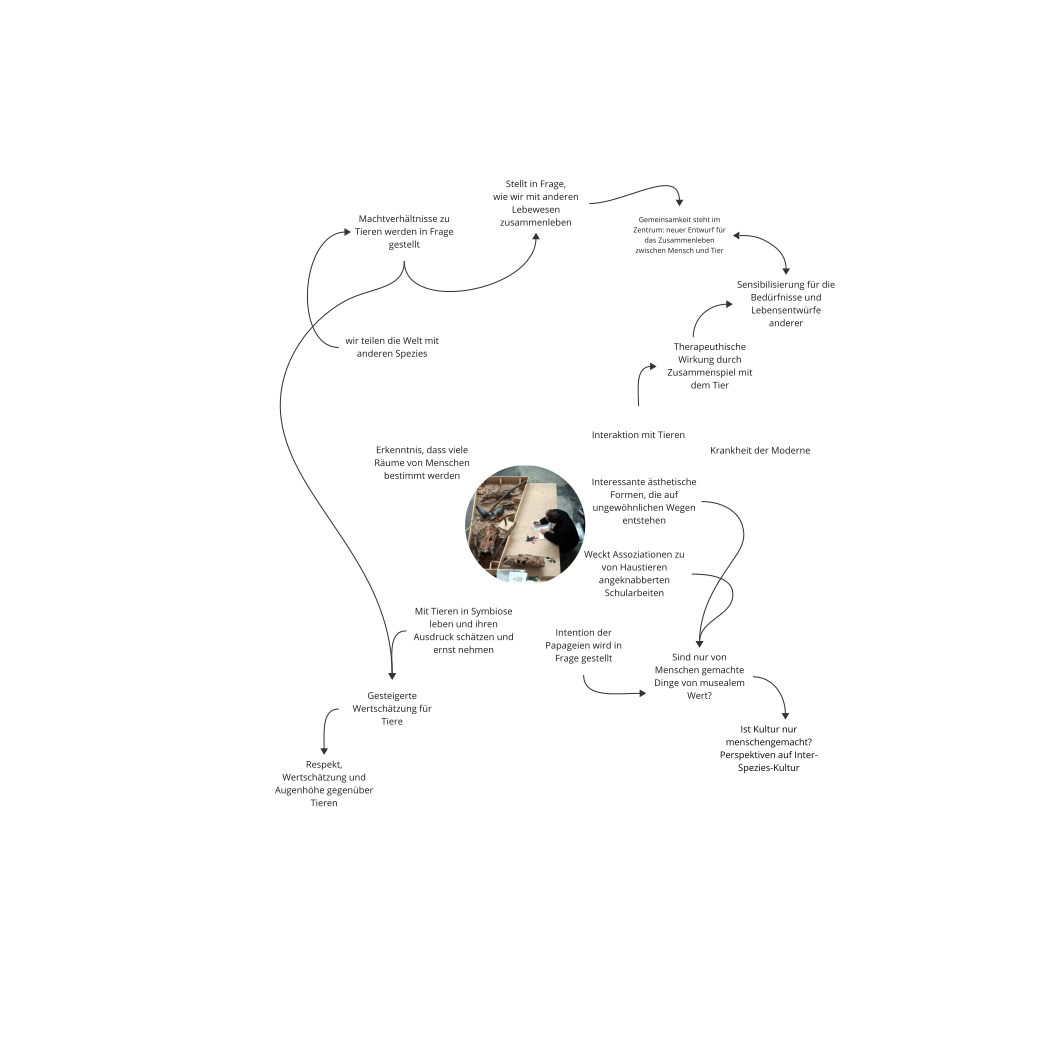
The discussion group concluded that the potential of the interspecies collective CMUK to foster well-being could be realized, in particular, through the intensive interaction between humans and parrots. The participants described their shared artistic practice as a form of interaction that goes beyond purely functional human-animal relationships and can also open up affective dimensions—some of which are perceived as therapeutic (SDG 3). Such interspecies settings were understood as an alternative to the “disease of modernity,” which is characterized by extreme rationalization and the separation of humans and nature.
At the same time, the project could raise awareness of the needs, forms of expression, and ways of life of other species and foster an understanding of coexistence based on co-presence and mutual interaction rather than on control. This could lead to a broader understanding of well-being that is not limited exclusively to humans.
In the context of SDG 10 and SDG 16, it was discussed in particular that the interspecies collective CMUK brings existing power dynamics between humans and animals to light and can challenge anthropocentric notions of space, use, and cultural production. Participants emphasized that social orders and hierarchies also come into play in our interactions with nonhuman beings and could therefore be reimagined. It was noted that the SDGs themselves are primarily oriented toward human actors—which could be interpreted as a reflection of these power structures.
With regard to Provisioning Systems, it was emphasized that the interspecies collective CMUK brings together diverse social and disciplinary perspectives. During the discussion, connections were drawn in particular between art, architecture, sustainability issues, and the social coexistence of humans and other species. The project was described as a starting point for interdisciplinary processes of exchange and reflection on shared living spaces and forms of land use.
Furthermore, the project challenges established notions about who can participate in creative processes. By presenting animals not merely as motifs or resources, but as visible participants in shared artistic practices, the interspecies collective CMUK opens up new perspectives on forms of collaboration between human and nonhuman actors. Participants described a particular strength of the project not so much as the development of concrete solutions but rather as the initiation of discussions and processes of reflection on coexistence, design, and shared living spaces. In this way, the interspecies collective CMUK can provide impetus for new forms of collaborative knowledge production and interdisciplinary exchange (SDG 17).
The discussion focused on the unique aesthetic quality of the works resulting from the collaboration between humans and parrots. The participants described the resulting forms as surprising and aesthetically compelling, precisely because they cannot be fully attributed to human control or intention. Associations with everyday life are possible—for example, with gnawed-on furniture or schoolwork. This also raises the question of how the artistic value of such objects is classified and to what extent notions of authorship, intention, and cultural value remain stable in this context. The discussion also addressed whether and to what extent cultural or museum-based attributions of value are necessarily tied to human production.
The form of interaction evident in the interspecies collective is based on mutual engagement and presents animals not as objects of observation or resources, but as creative partners. This perception of animals as independent agents can be applied to other areas of life, which could lead to a more appreciative and respectful treatment of animals as well as greater attention to their needs. Protecting their habitats is, at the same time, protecting the foundations of human life (SDG 15).