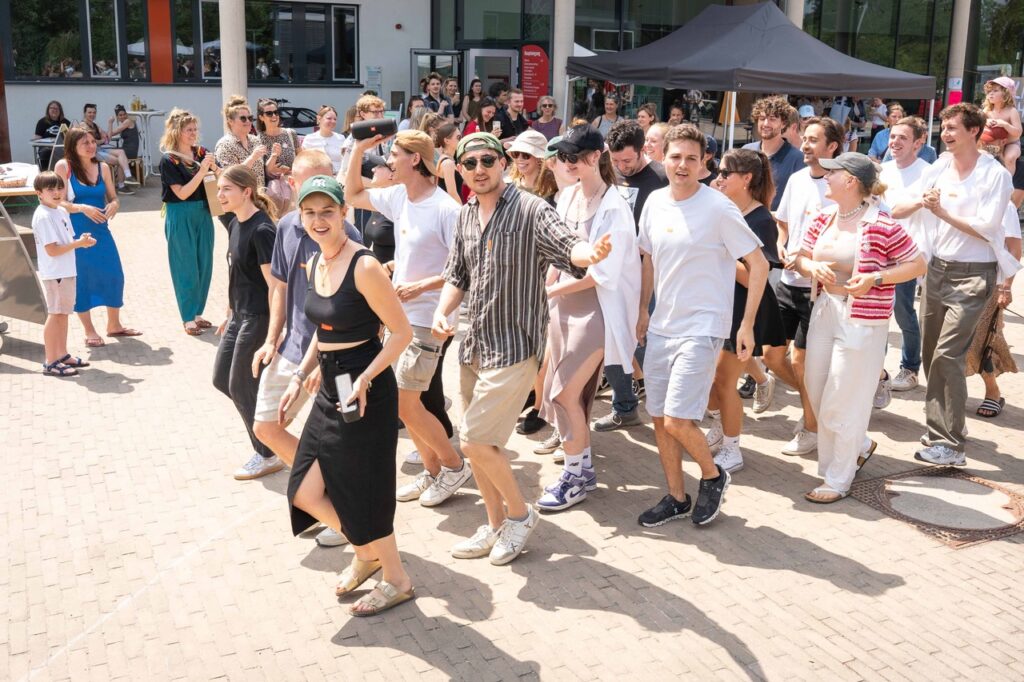
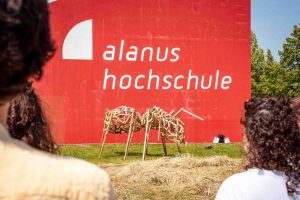
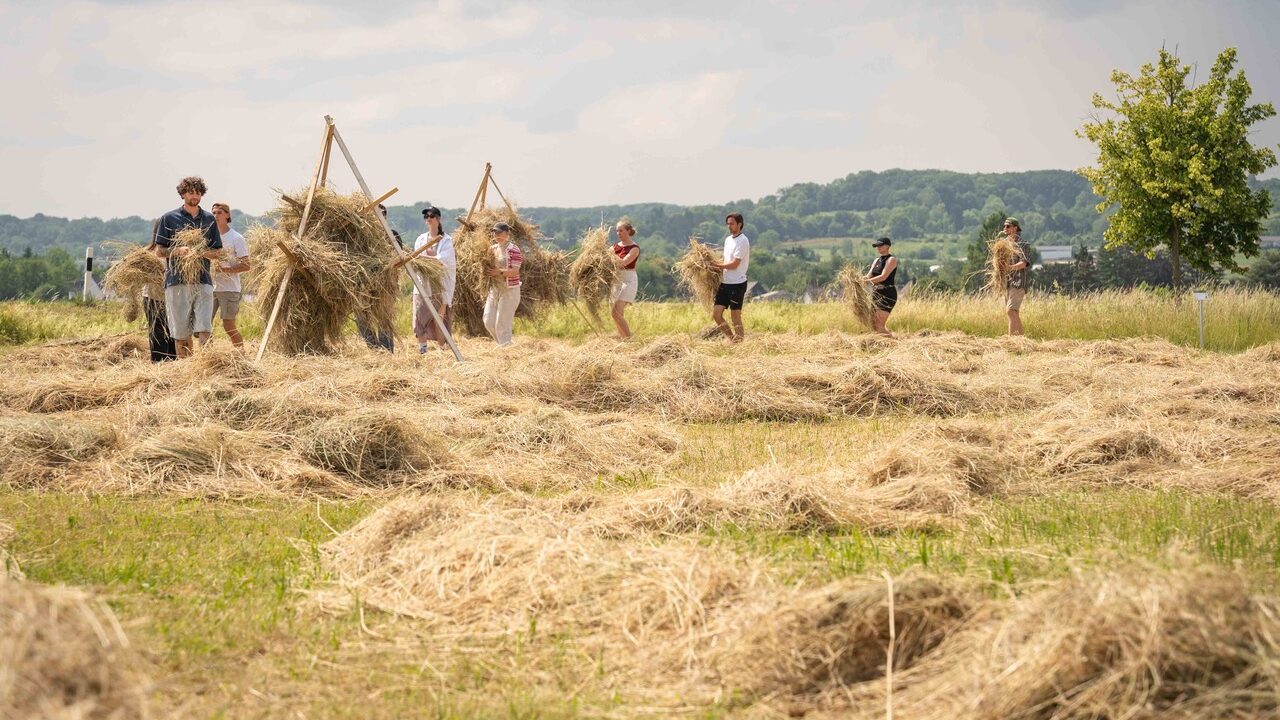
Unfreeze Your Brain is an interdisciplinary festival organized by Alanus University in Alfter near Bonn. Organized by the Department of Economics, it specifically brought together economic and artistic perspectives to generate sustainable ideas for economic, consumption, and production systems. Specifically, it addressed the tension between urban and rural areas, as well as related issues such as decolonialism, fair trade, and corporate political responsibility. To explore these topics, the festival creates spaces for collective learning and creative thinking through performances, workshops, and dialogue formats.
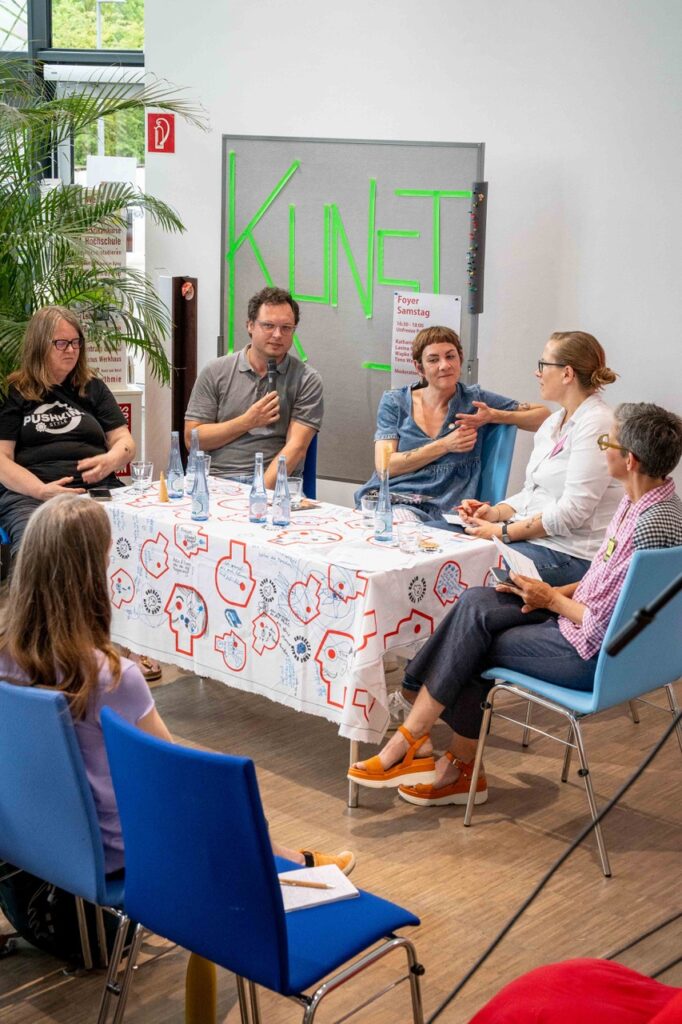
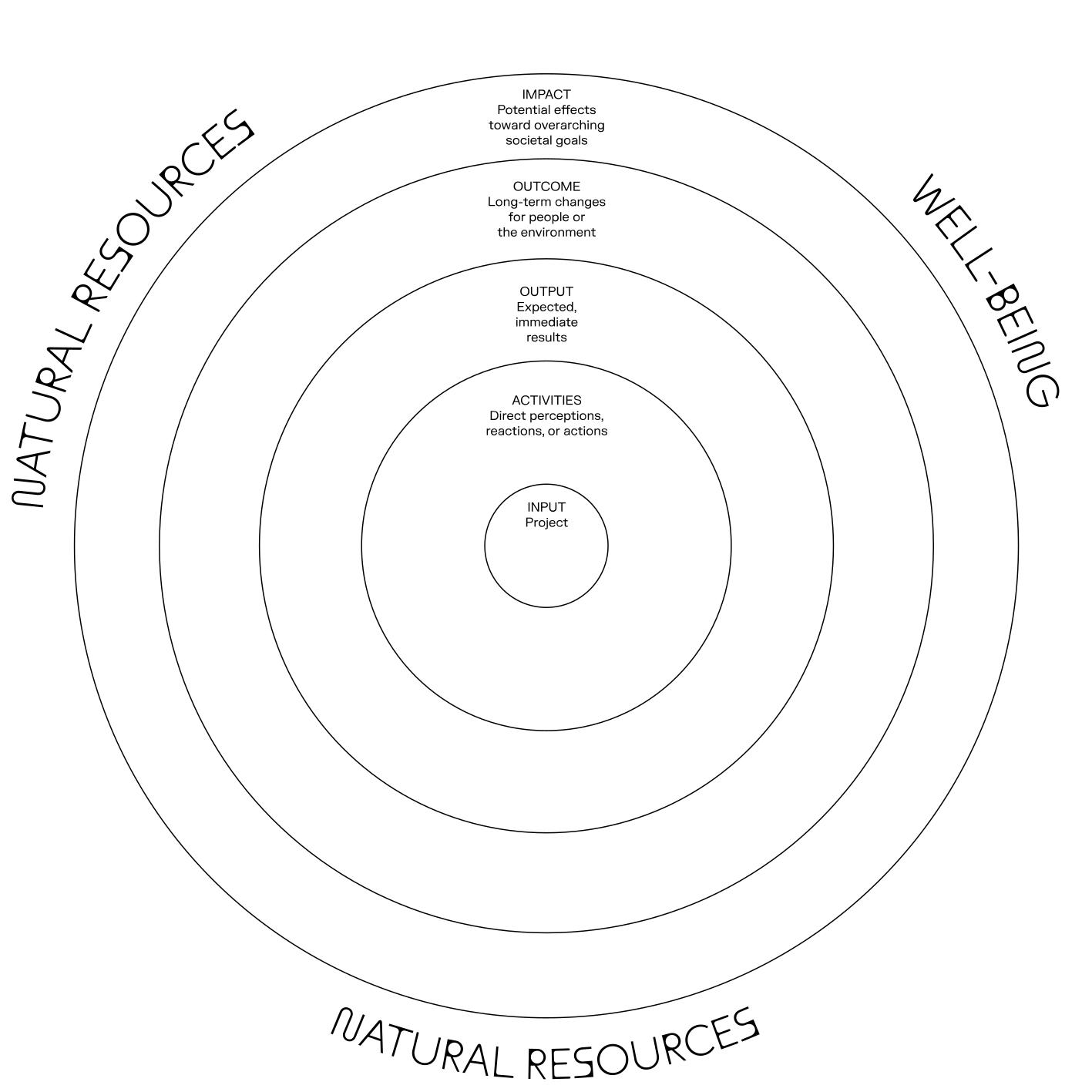
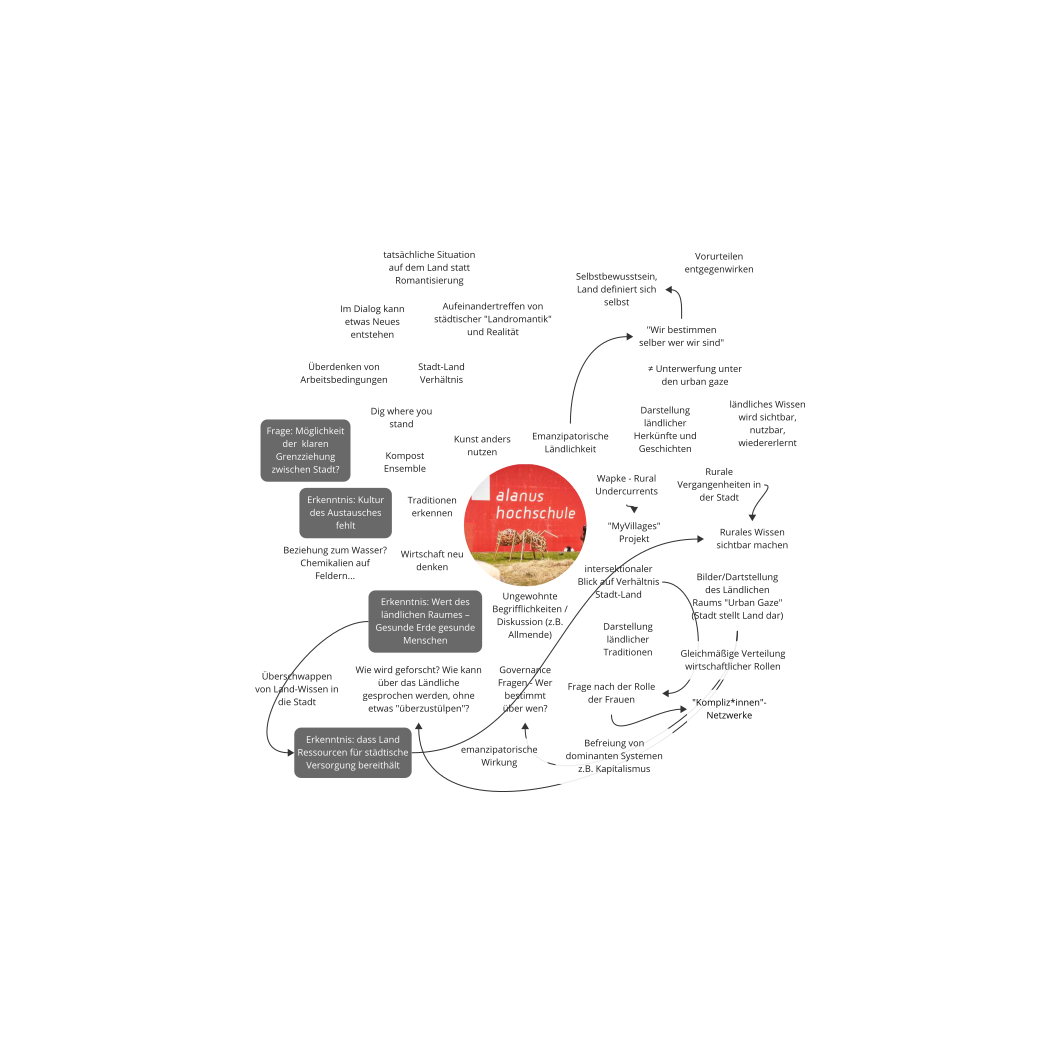
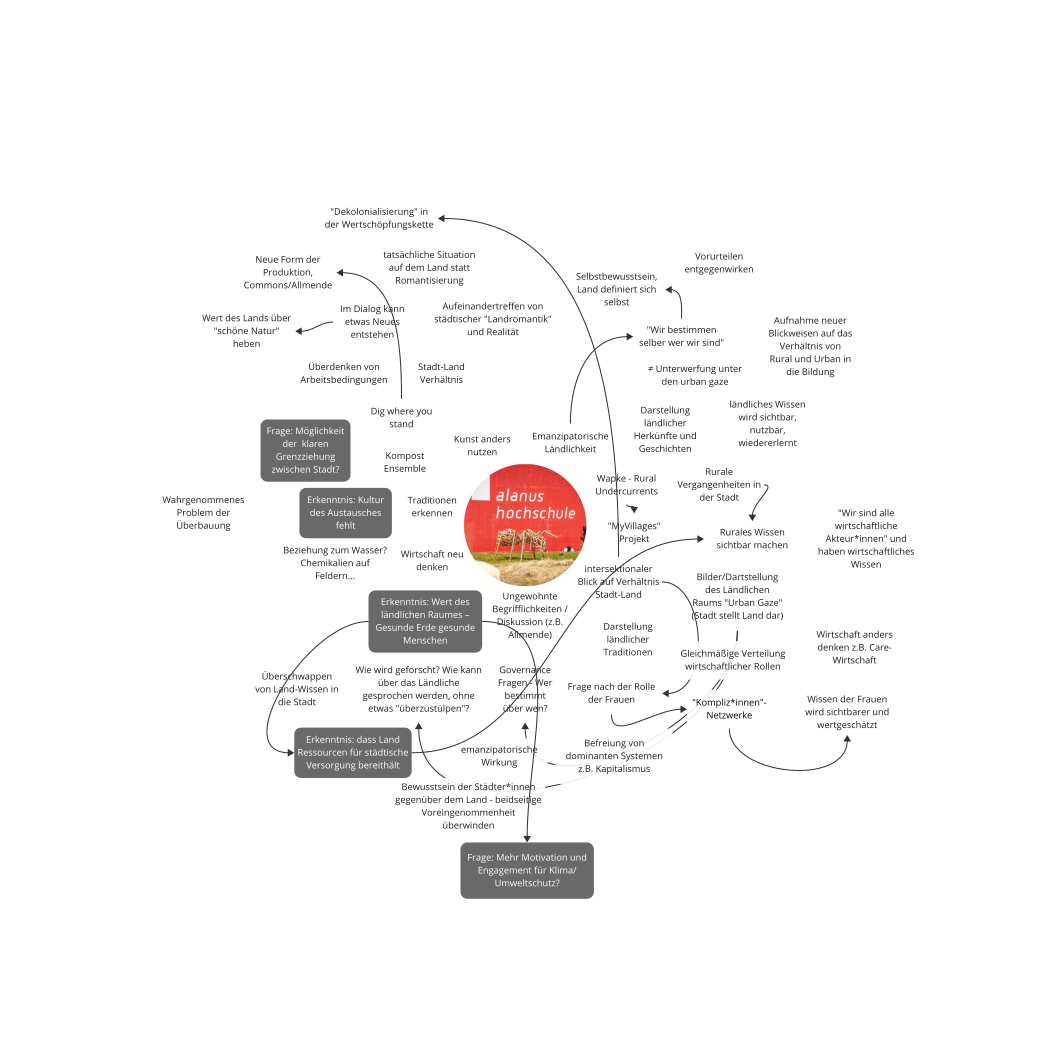
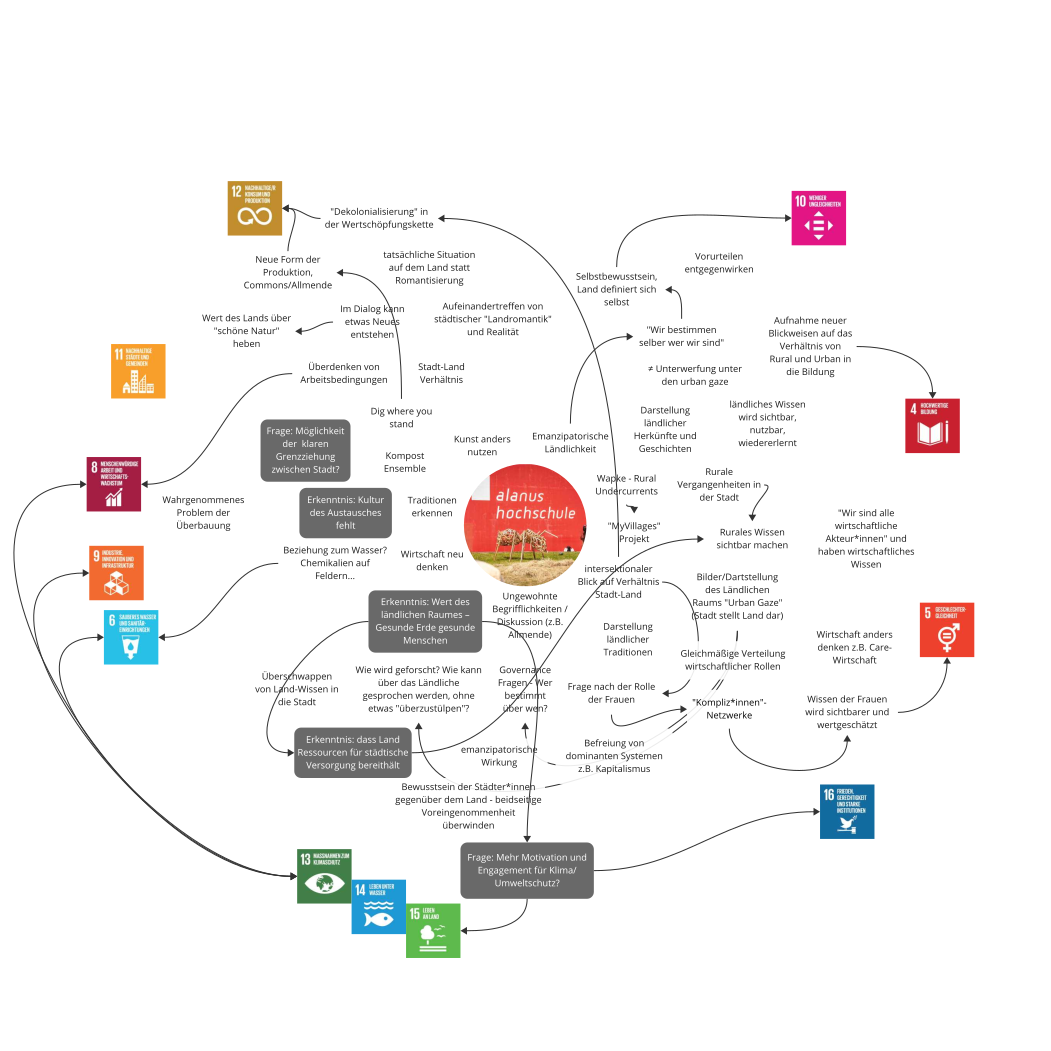
The potential impacts of “Unfreeze Your Brain” were analyzed on April 22, 2024, using the Map/ing Sustainability method by an interdisciplinary group consisting of artists, geographers, curators, designers, philosophers, and scholars in the fields of sustainability, cultural studies, and economics, as well as individuals from the fields of film, crafts, and cultural management. Two of the festival’s key figures presented the project in person and participated in the discussion.


The panel discussion viewed Festiva as an open space for sharing experiences, facilitated by artistic performances and co-creative, interactive formats such as workshops and discussion groups. Within this space, existing power relations and knowledge hierarchies—particularly in the tension between urban and rural areas—are scrutinized so that experiential knowledge rooted in rural contexts can gain new significance in sustainability discourses. The associated examination of gender roles—particularly in the realm of care work—could help to foster greater recognition of the knowledge embedded therein and provide new impetus for greater gender equality (SDG 5).
At the same time, it was emphasized that an intersectional perspective on the relationship between urban and rural areas—that is, a perspective that simultaneously takes into account additional dimensions of inequality — helps to challenge dominant narratives, such as the idea that culture only takes place in cities, and shifts the focus toward inclusive and cooperative spatial development. Such “emancipatory rurality” can foster the self-confidence of local actors (SDG 10).
Through the transdisciplinary entry point of “Unfreeze Your Brain,” education can be implemented as a holistic—and also aesthetic— —process that enables an understanding of the complex social, economic, and infrastructural interconnections between urban and rural areas (SDG 4), which could also contribute to the aforementioned “emancipatory rurality.” Together with other themes of the festival—such as the commons, governance, and decolonialism—this could open up new ways of thinking about more equitable participation, strengthen dialogue between different social groups, and foster a vibrant democratic culture (SDG 16).
Throughout the festival program, participants repeatedly found inspiration to critically examine existing consumption and production patterns (SDG 12) and saw in this the potential for developing more sustainable models. For example, knowledge about the environmental impacts of industrial agriculture—such as groundwater pollution—could raise awareness of the need to consume food produced in more sustainable ways (SDG 6, 12). In workshops on fair production, community-based economic models, or solidarity-based supply chains, rural and urban knowledge bases were interwoven. This could highlight perspectives that go beyond purely neoliberal market and labor logic (SDG 8) or that support regional infrastructure and sustainable value creation (SDG 9).
Artistic and social reflection on rural traditions with regard to a possible sustainable approach to nature highlights the close interconnection between cultural practices and ecological processes. It can raise awareness of the high value of sustainable landscape management and land-use practices, as well as their impact on biodiversity (SDG 15). Highlighting alternative courses of action in everyday life—such as in relation to diet—could provide motivation for individual and collective climate action (SDG 13). From the participants’ perspective, the festival could thus contribute to a more responsible approach to natural resources.