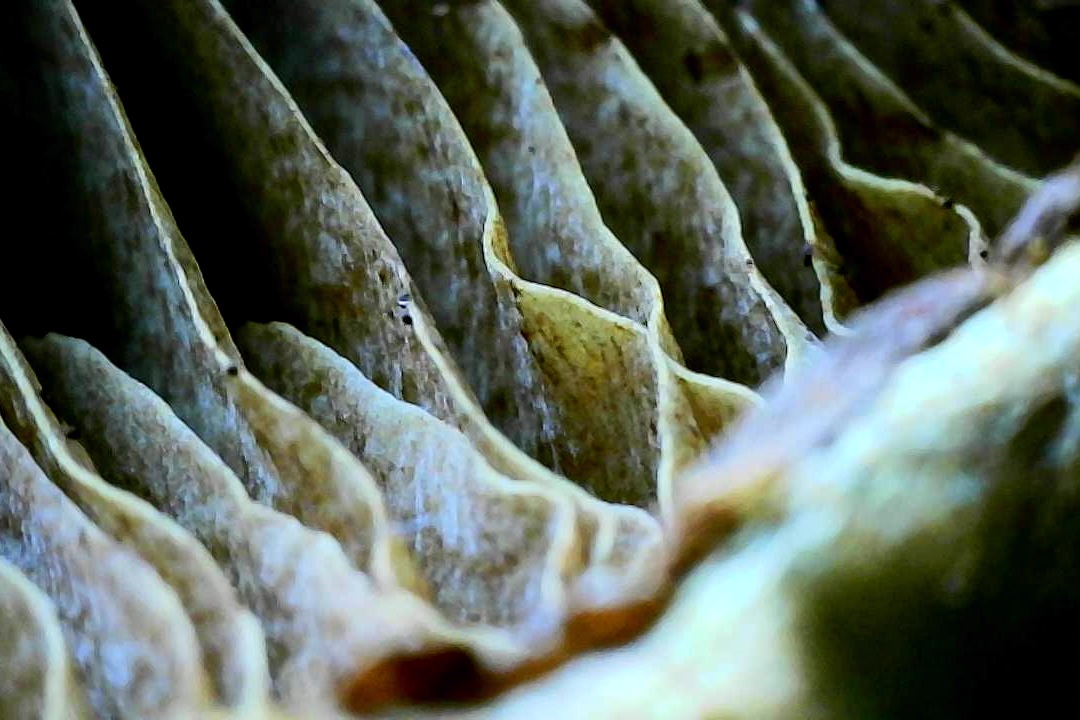
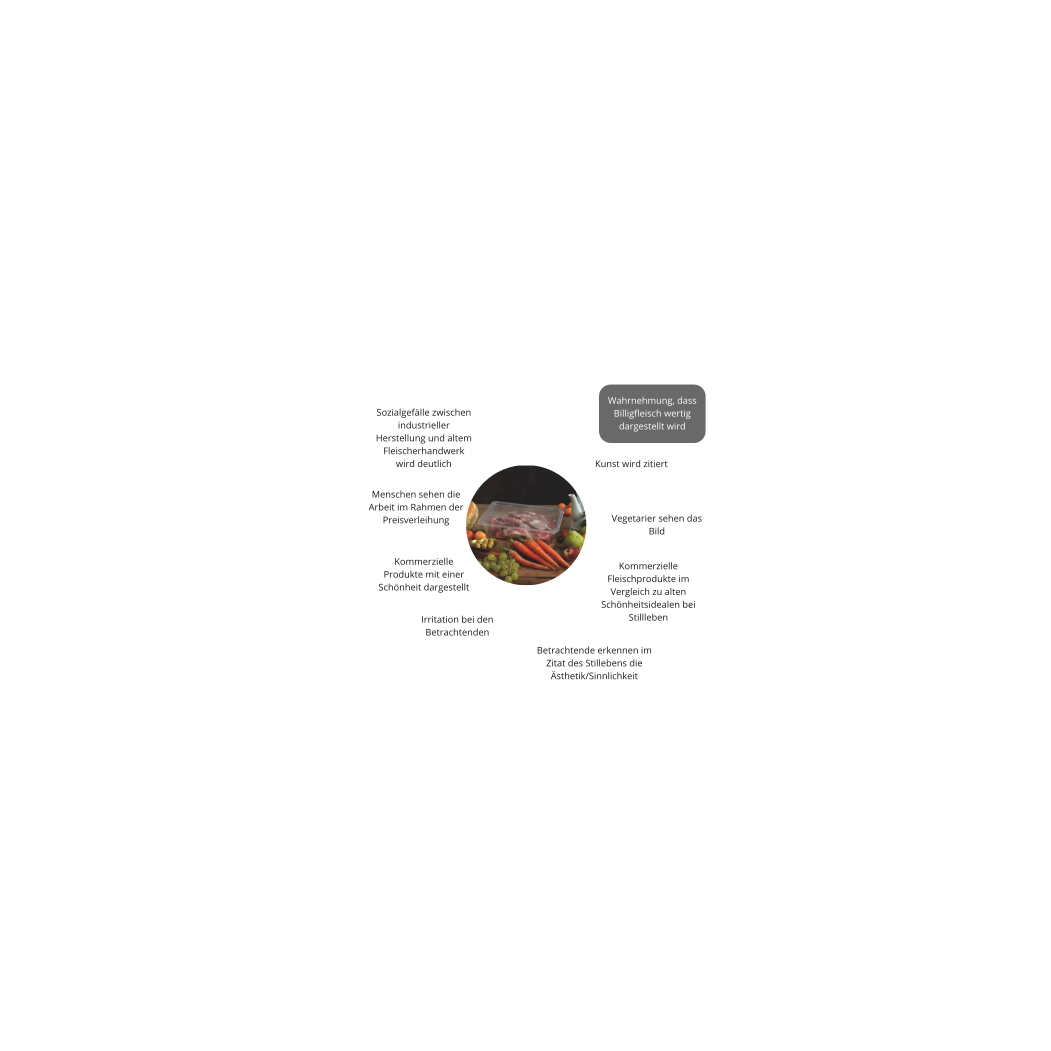
Still Life is a series of photographic still lifes by Ina Sistig, created in collaboration with the Consumer Advice Center of North Rhine-Westphalia. Both in form and content, the still lifes draw inspiration from the paintings of Baroque masters and explore the themes of decay and transience through dramatically lit fruits and vegetables arranged on fine porcelain with silver cutlery—interspersed with pieces of meat and sausages sealed in plastic wrap.
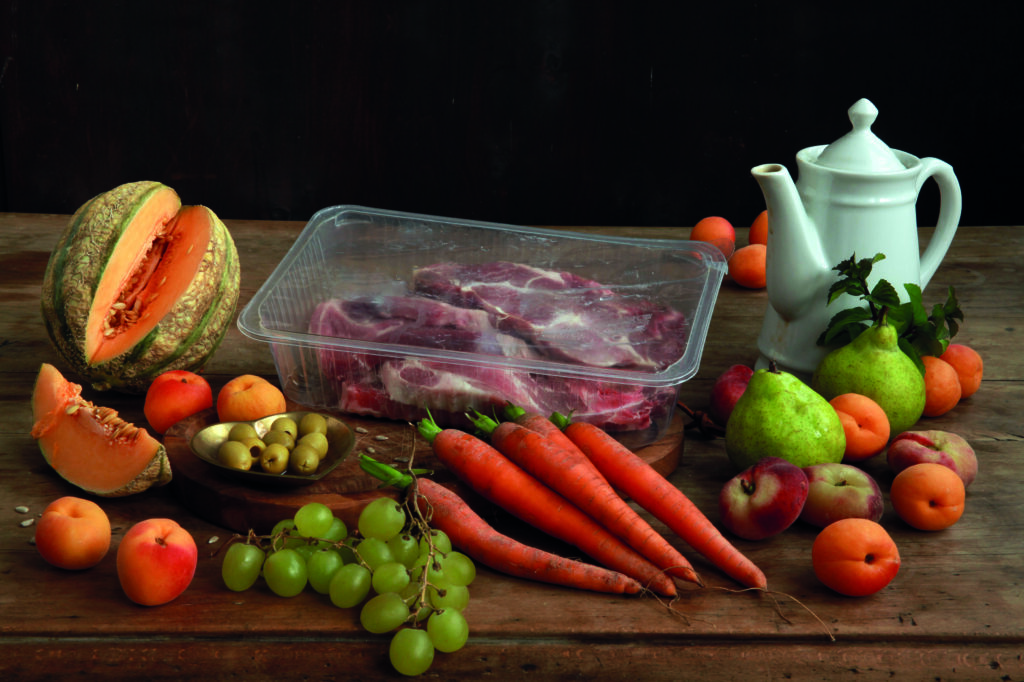
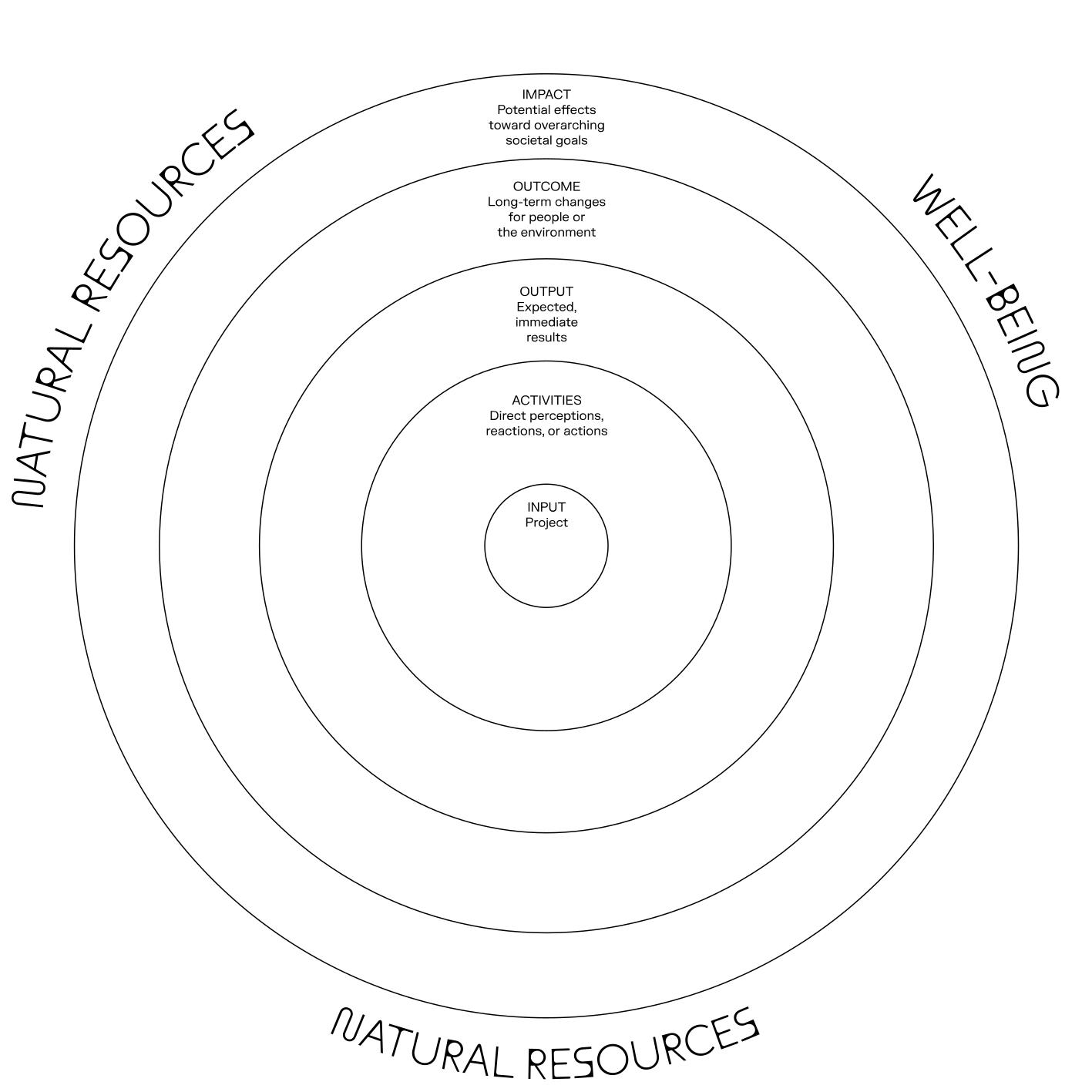
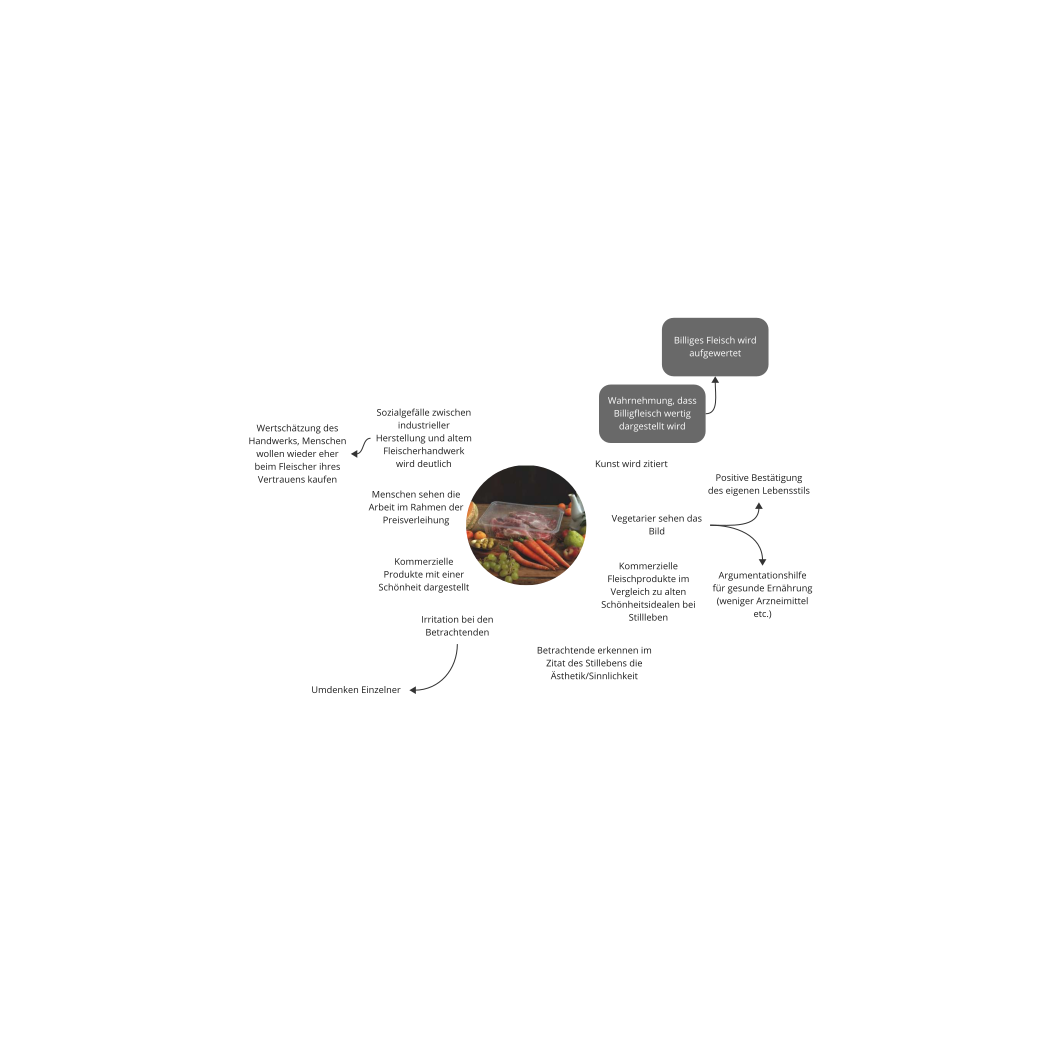
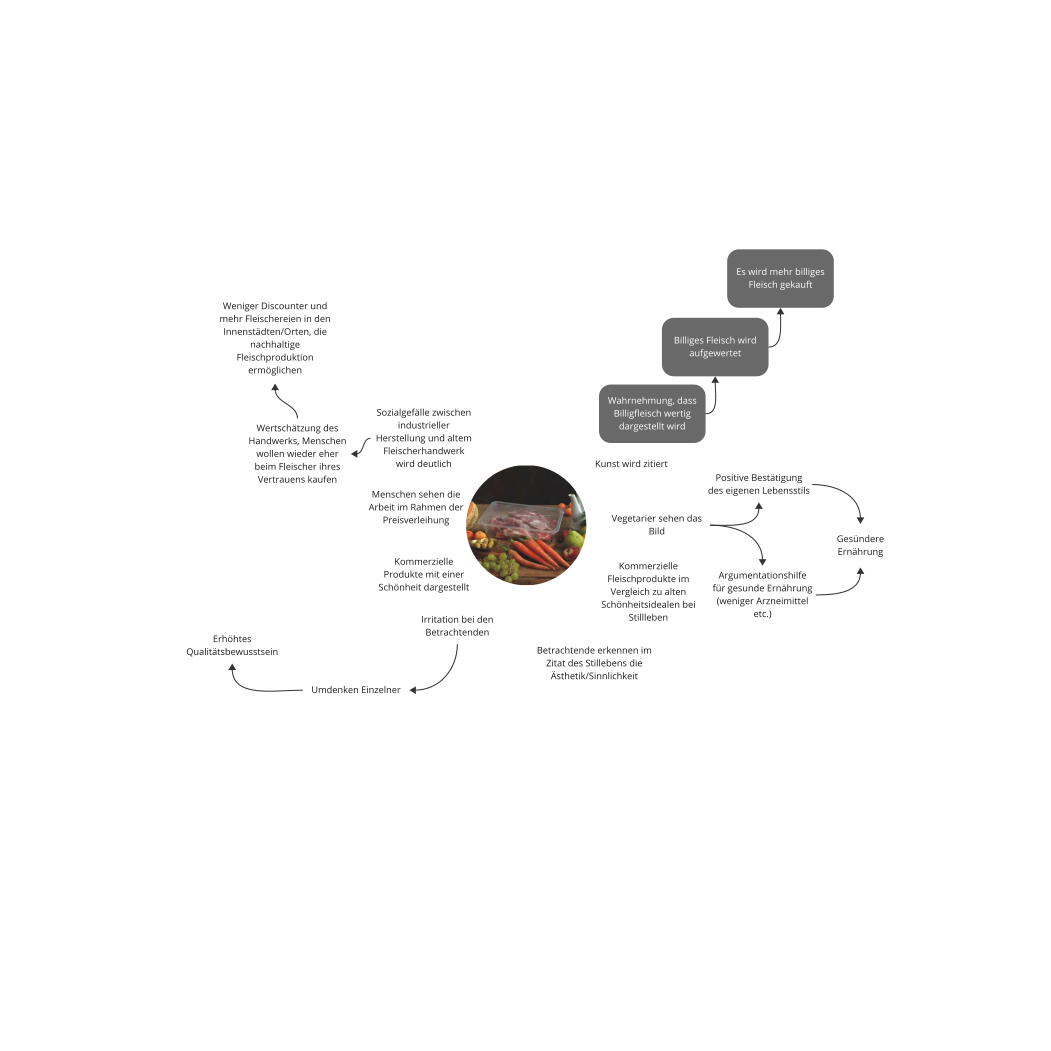
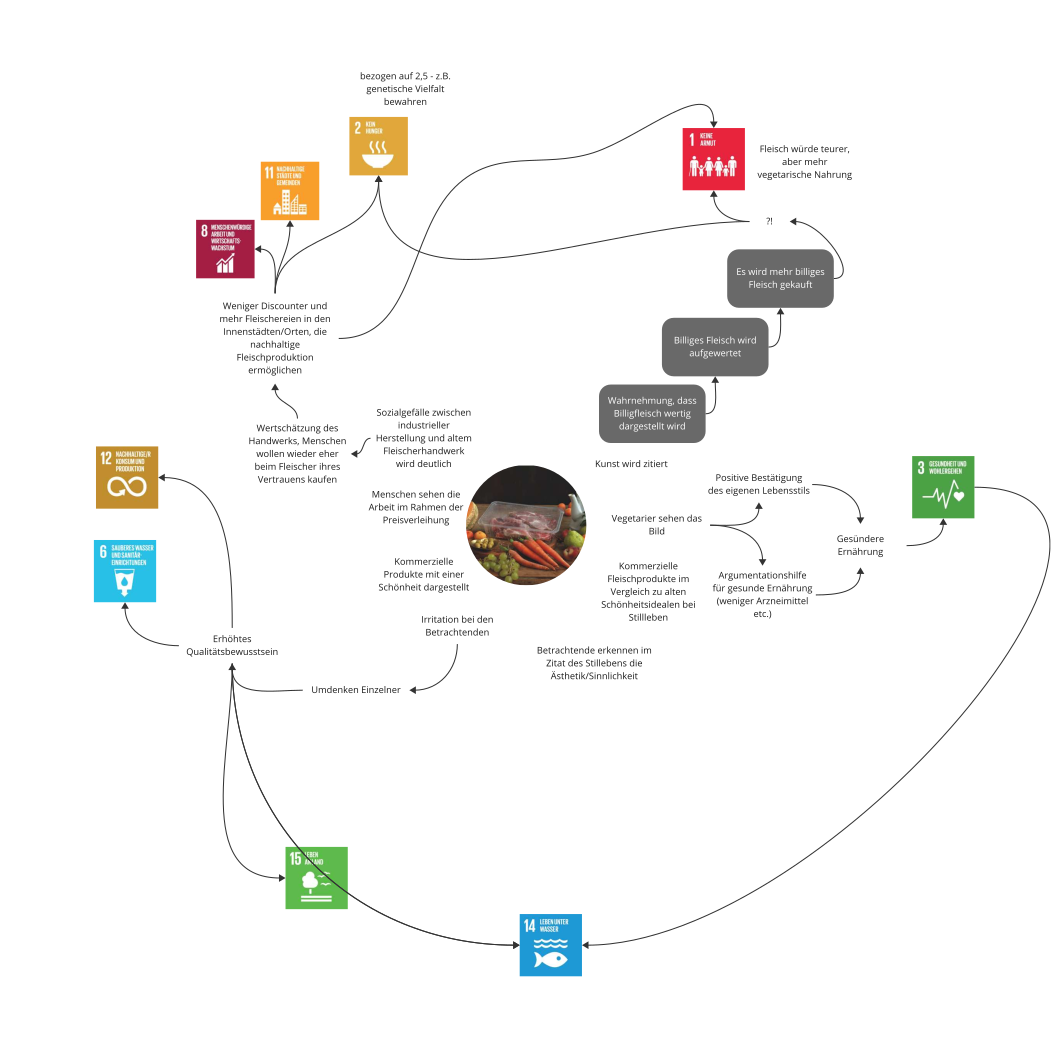
On March 22, 2024, *Natura Morta* was analyzed using the Map/ing Sustainability method by an interdisciplinary group of designers, curators, and professionals from the public cultural sector.


The example prompted those present to reflect, above all, on the varying qualities of food production, as well as related issues of distributive justice and health. Triggered by the depiction of meat sealed in plastic amidst the opulent-looking still life, a tension between poverty and prosperity is revealed (SDG 1). The participants interpreted the plastic-wrapped meat as an inferior product: they saw this as evidence of a social divide that also has health consequences—access to higher-quality food is unevenly distributed. Based on these and other considerations, the group recognized the work’s potential to spark a conscious examination of meat consumption and issues of healthy nutrition (SDG 3).
In the context of Provisioning Systems, the photographs are credited in particular with contributing to SDG 12 because they have the power to encourage viewers to critically reflect on production methods and consumer behavior. As part of the impact analysis, various models were introduced; for example, the value of local butcher shops as artisanal businesses was discussed as an alternative to industrially produced meat from factory farms. Conscious and reduced meat consumption could alleviate cost pressures on artisanal businesses producing high-quality products (SDGs 8, 12) and, in the long term, minimize the erosion of local supply structures (SDG 11).
The photographs were believed to have the potential to encourage more conscious and reduced meat consumption, which could lead to a decrease in resource use, greenhouse gas emissions, land use, and the discharge of fertilizers into water bodies (SDGs 13, 14, 15).