

How can a concert hall improve its carbon footprint? As part of the Green Monday project, the Tonhalle Düsseldorf took a close look at this question. Together with the audience and its resident orchestra, the Düsseldorf Symphony Orchestra, it tested various measures to reduce the carbon footprint of a concert evening and set a new standard for eco-friendly concerts.
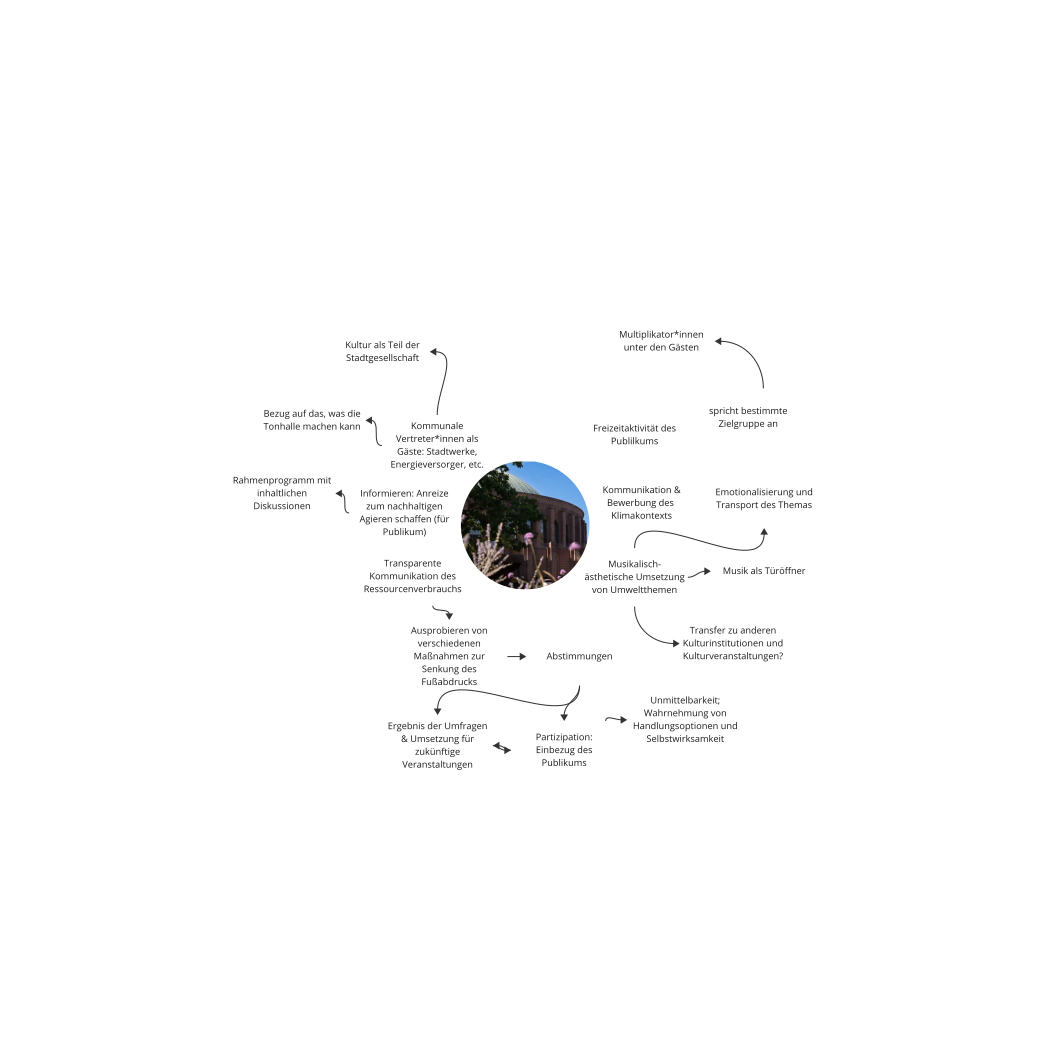
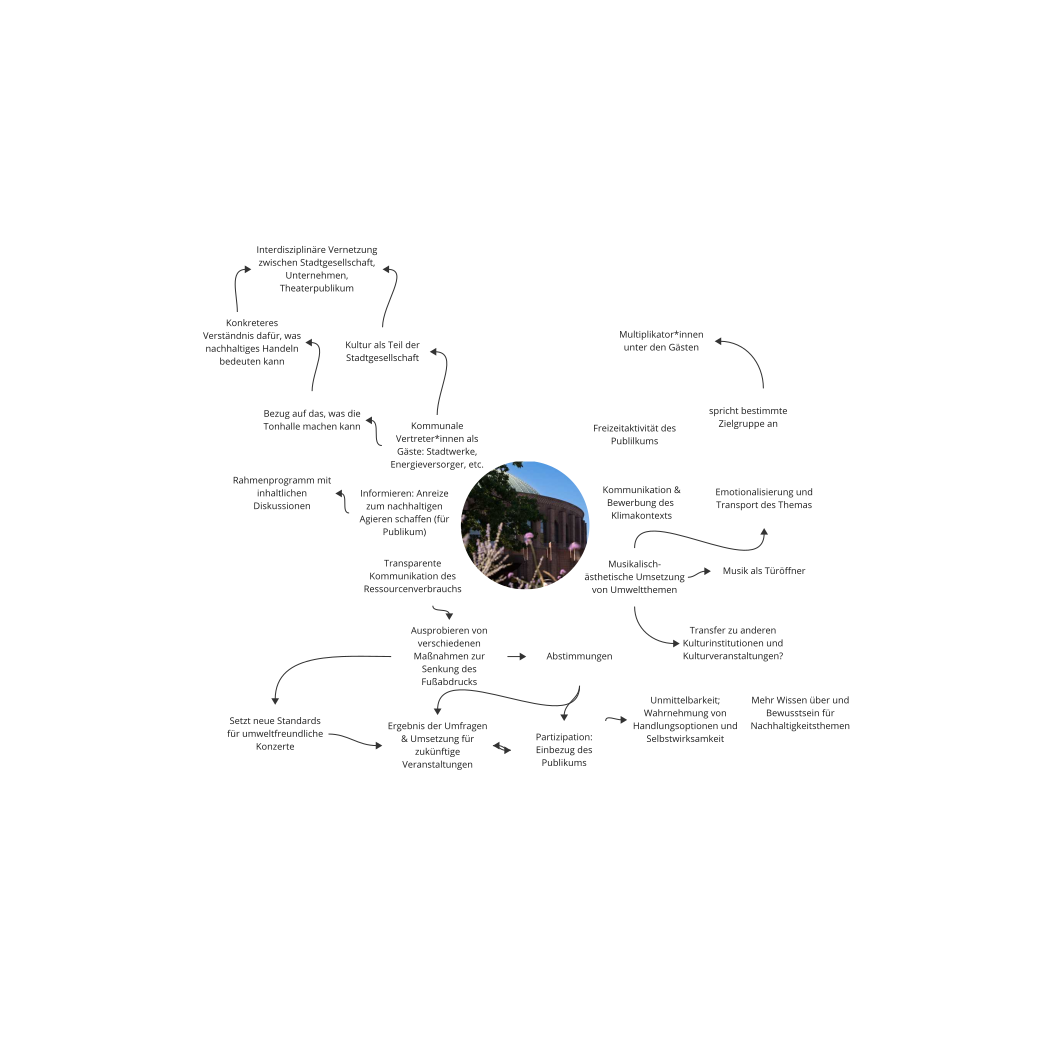
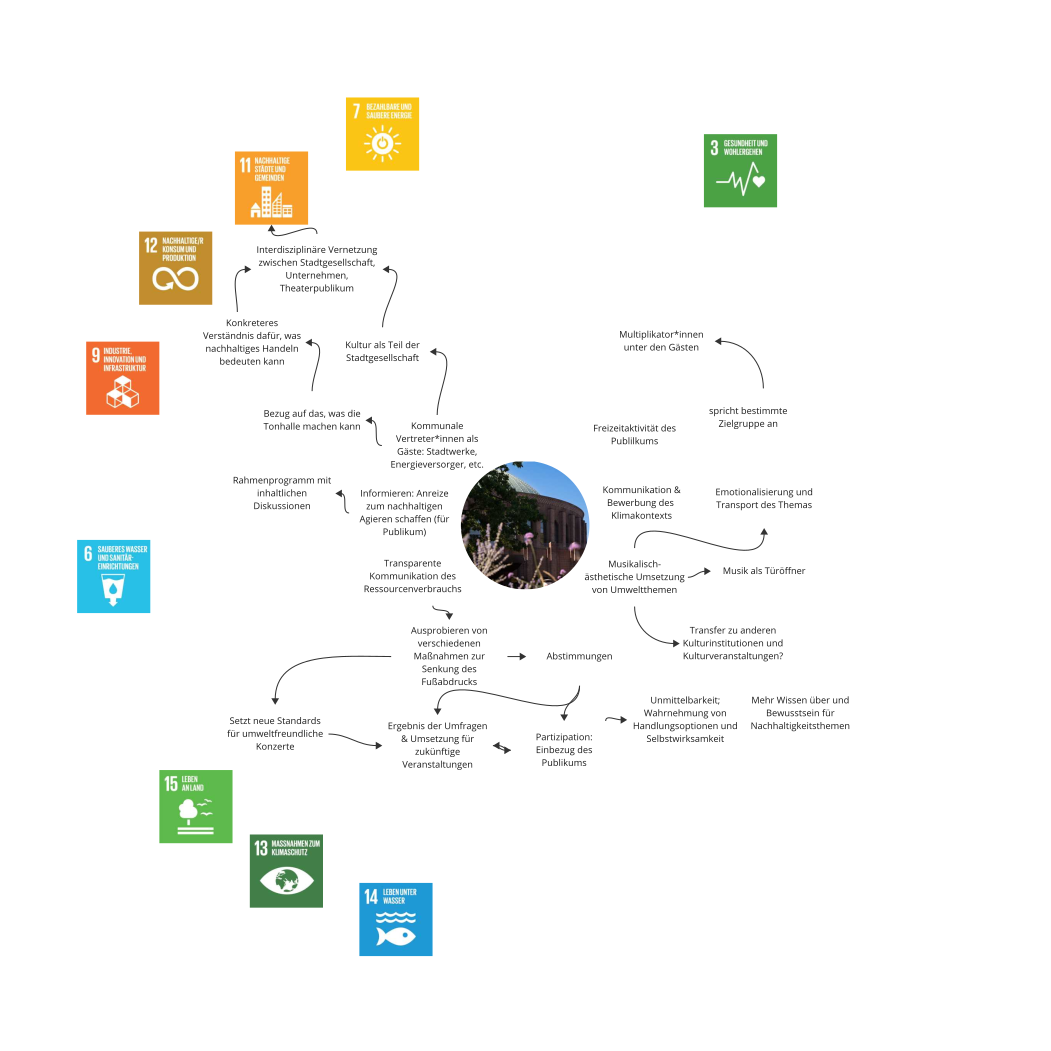
Over the course of eleven symphony concerts from August 2023 to June 2024, they addressed various sustainability topics, ranging from energy efficiency and waste management to eco-friendly travel. On each Green Monday, a measure to reduce CO₂ emissions was tested.
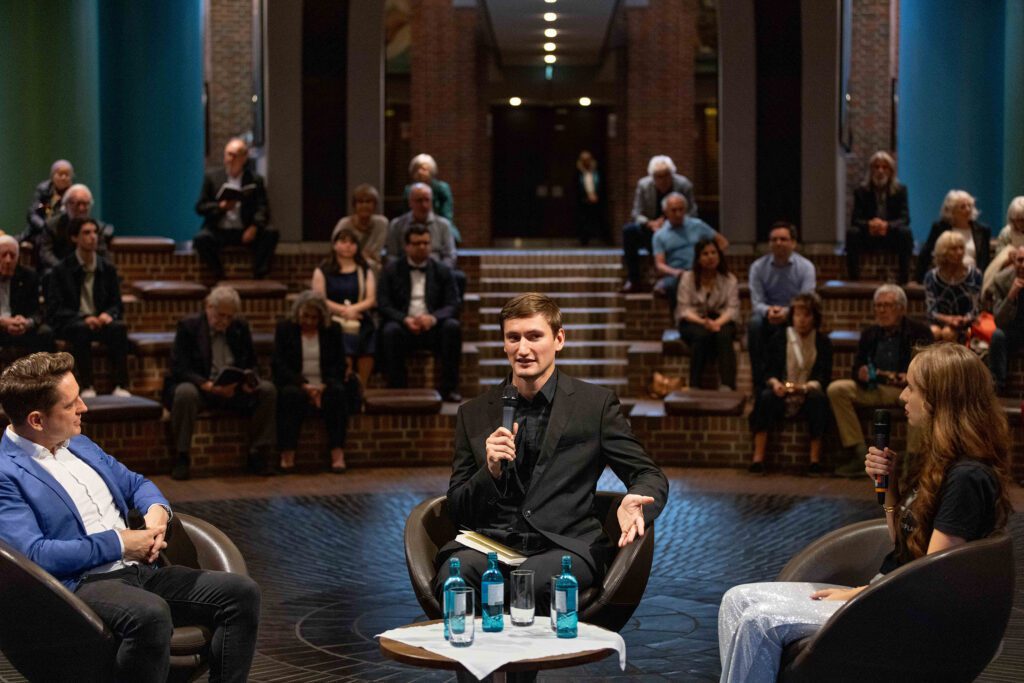
The “Green Star Talk” held before each concert featured experts on the evening’s specific topic, while initiatives and organizations provided information in the lobby. Measures implemented included turning off unnecessary lights, offering vegan and vegetarian food options, providing digital program booklets, and lowering the auditorium temperature. The audience voted on whether the specific sustainability measure from that concert evening should be retained—and each time, the majority voted in favor.
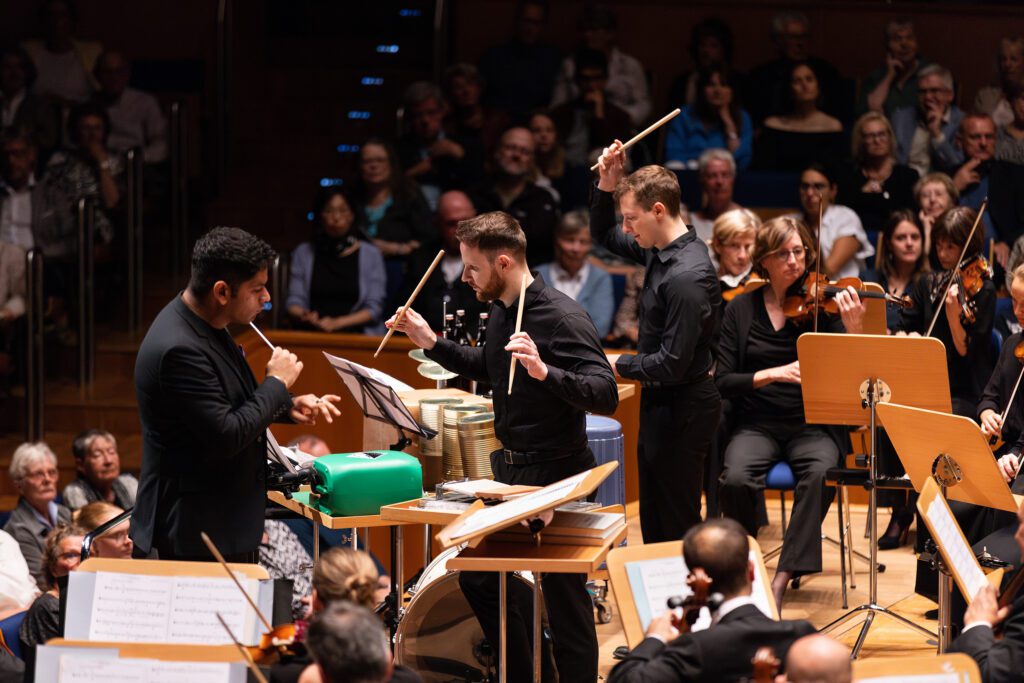
Musically, the theme of sustainability was reflected in commissioned works by eleven international composers who composed pieces on topics such as “recycling” and “digitalization.” On each Green Monday, a piece was premiered to kick off the symphony concert.
The project was honored with one of the most prestigious awards in classical music: Düsseldorf’s Tonhalle Green Monday received the OPUS KLASSIK 2024 in the category “Innovation Award for Sustainability.”