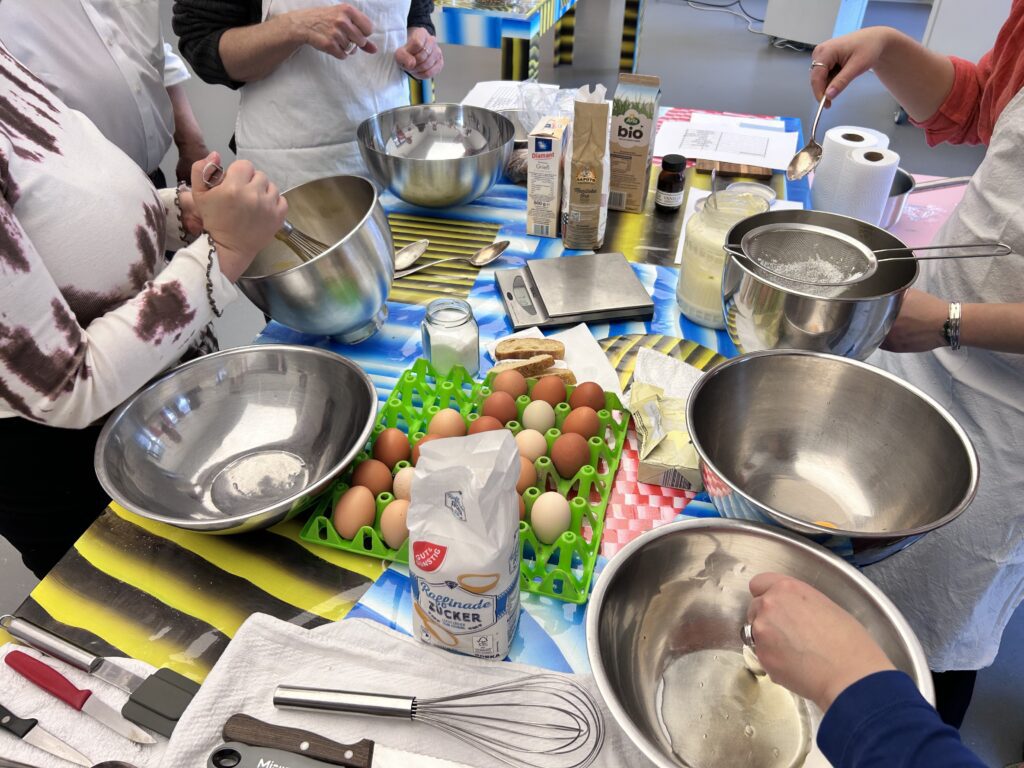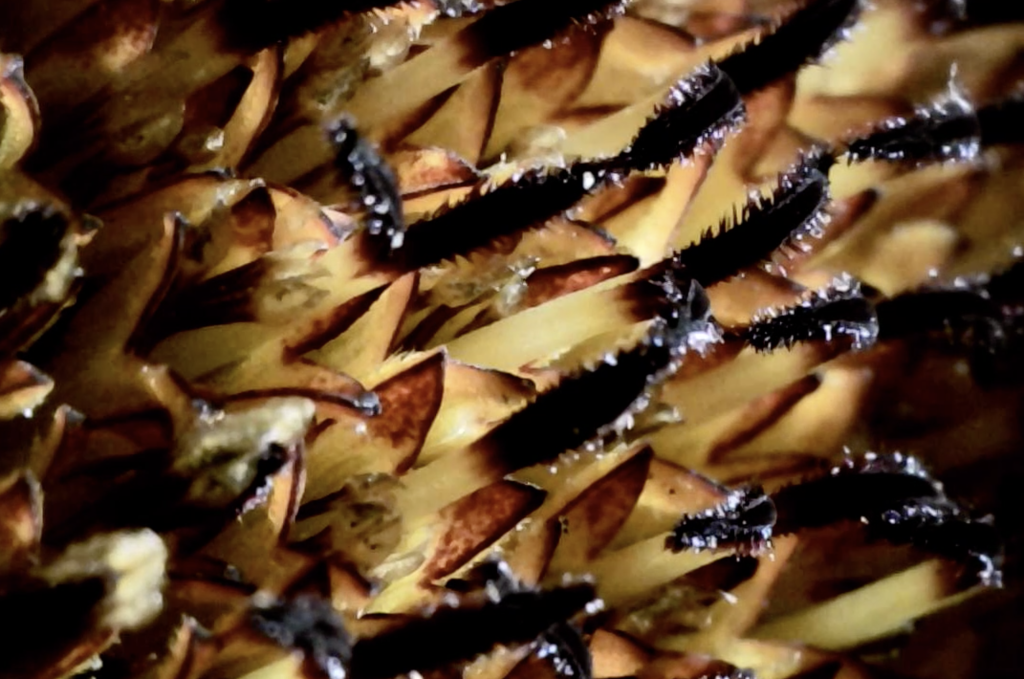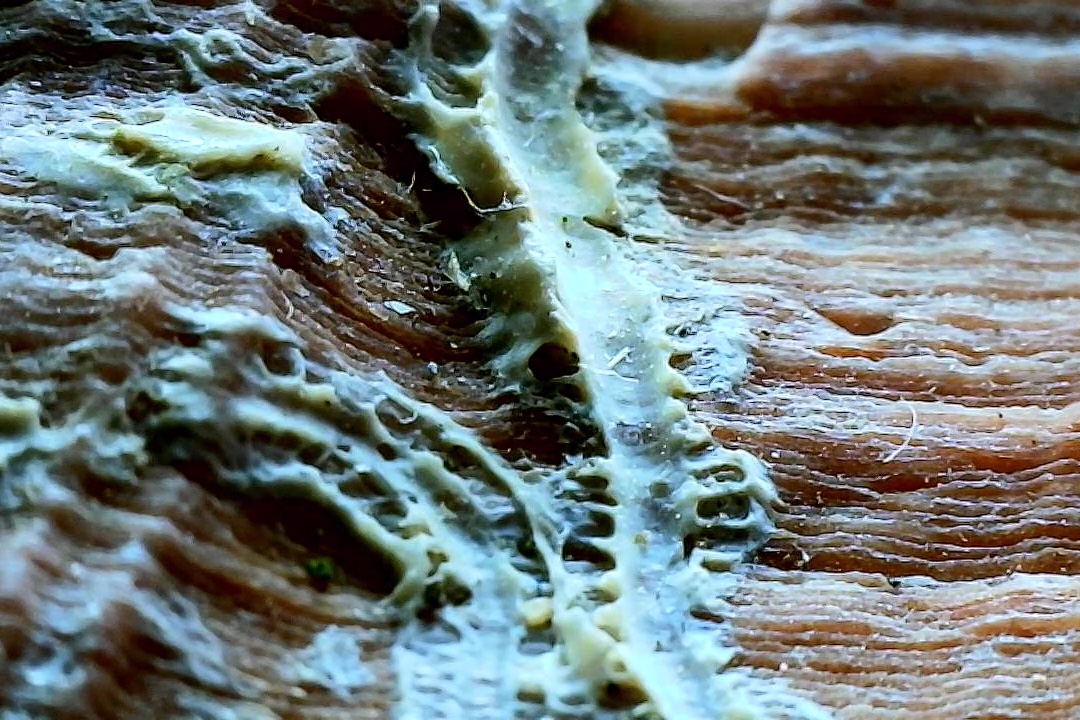

The Geschmacksarchiv Artist Arpad Dobriban explores cooking as a cultural and social practice through which knowledge and experiences can be shared and social relationships strengthened. The focus is less on the finished dish and more on the process of cooking itself—as a form of sensory and aesthetic experience, collective action, and individual self-efficacy. As part of Fertile Structures – A Laboratory Exhibition for Networked Thinking and Action Arpad Dobriban offered various workshops, such as one on fermentation. These took place right in the exhibition spaces, among locally grown mushrooms hung up to dry and the artist’s works, which explore industrially produced baked goods.
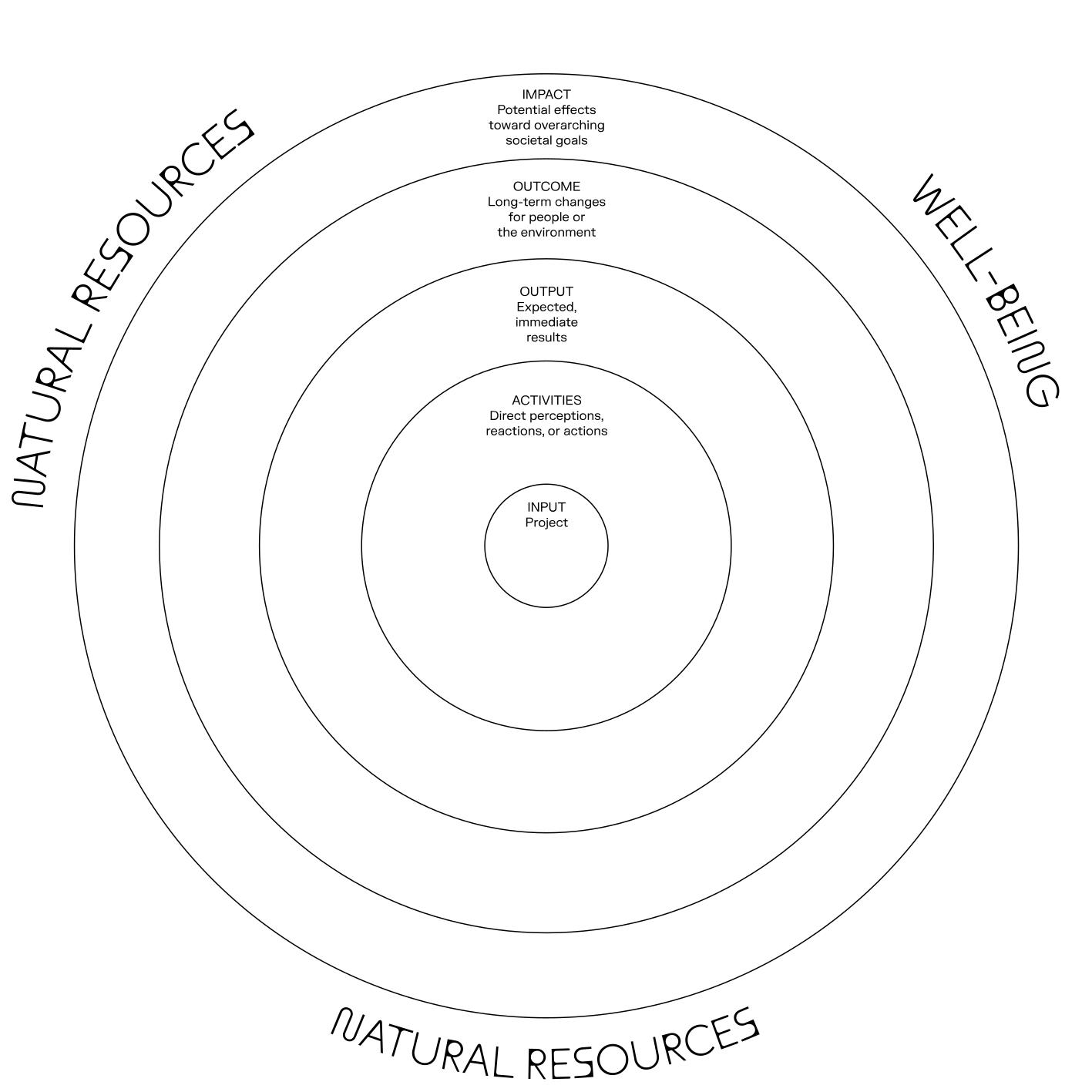
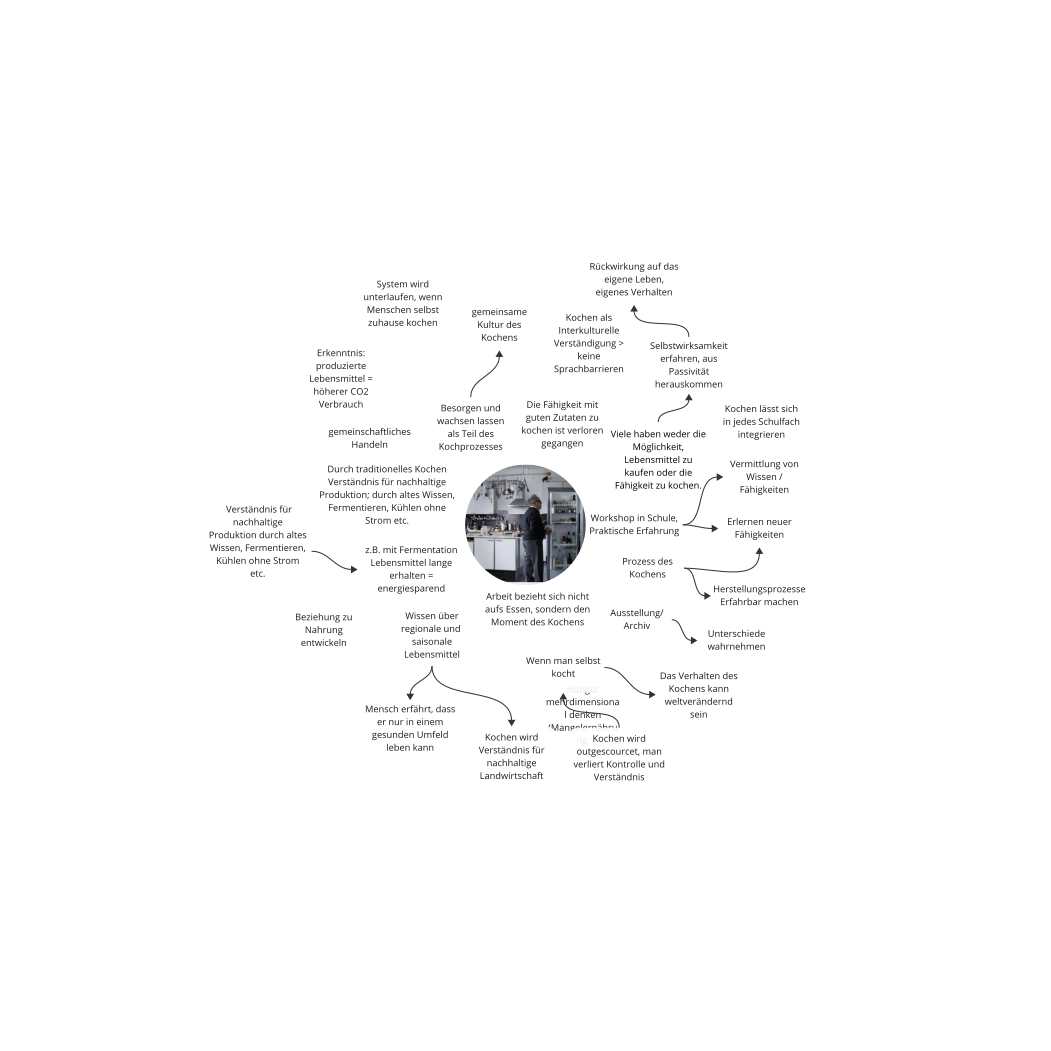
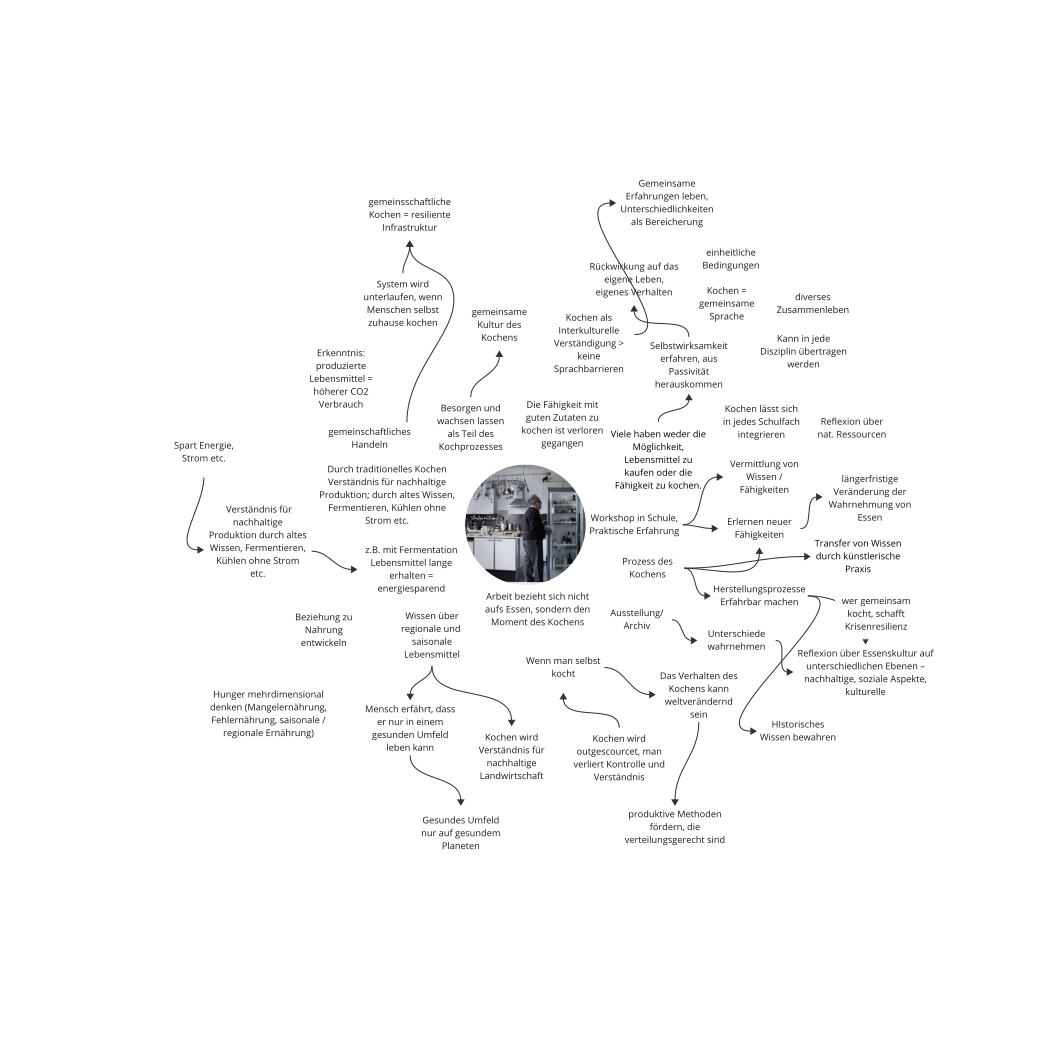
On March 5, 2026, the potential impact of the Taste Archive was analyzed by an interdisciplinary group consisting of geographers, designers, biologists, curators, transformation managers, and participants from the fields of culture and theater. The artist Arpad Dobriban personally presented the project and took part in the discussion.


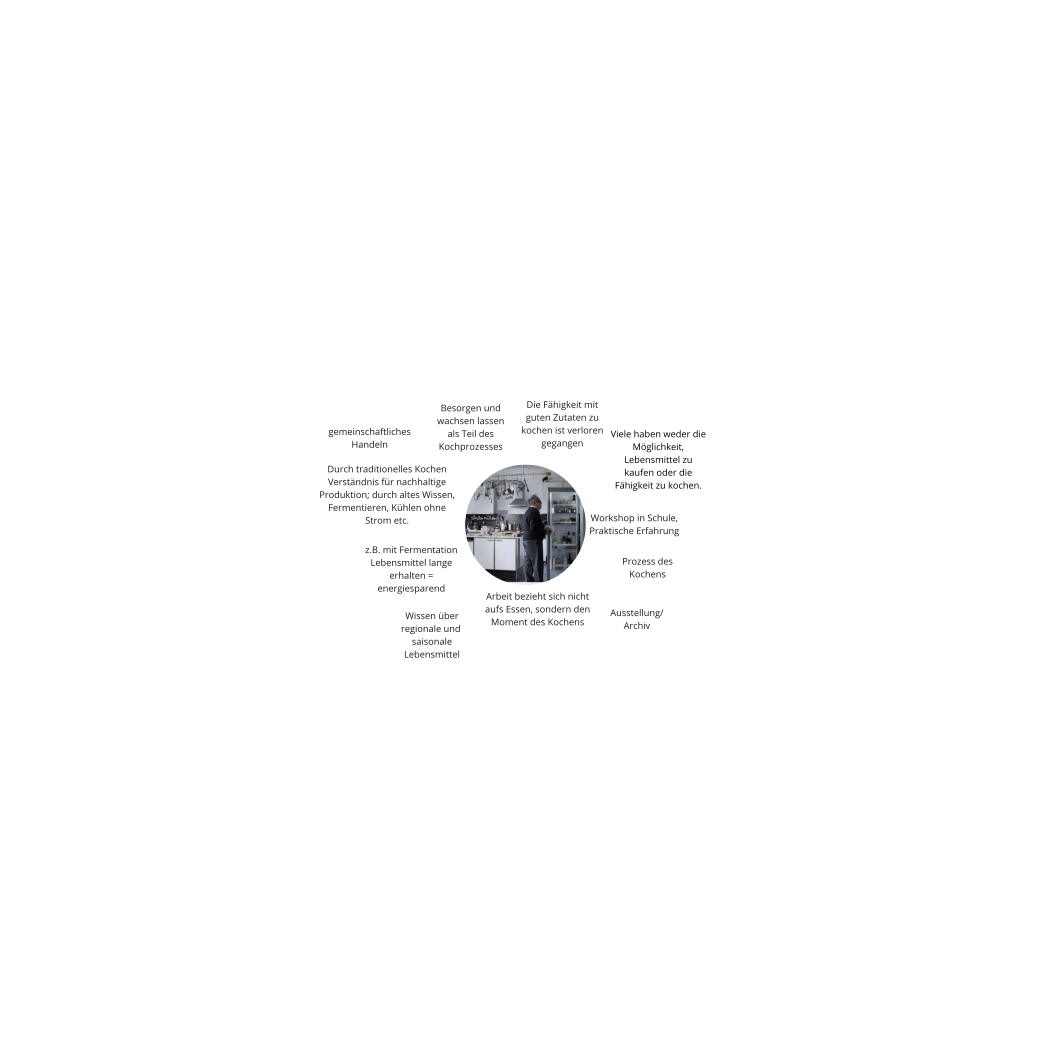
During the discussion, the Geschmacksarchiv was primarily situated within the context of education and the teaching of practical and sensory skills (SDG 4). It was emphasized that the focus is not on the food as a result, but on the process of experiencing and learning through cooking. Food preparation—especially preservation and canning—was understood as a practice through which knowledge about nutrition, ingredients, and their preparation is not only taught but also experienced directly through the body and the senses. Several participants highlighted that this form of learning could also be effective in other contexts—such as school settings. A key aspect of this is the experience of self-efficacy: Many people, the discussion participants noted, are increasingly losing the ability to cook with fresh ingredients in their daily lives; instead, food preparation is outsourced or replaced by ready-made products. This “outsourcing of cooking” was described as a potential loss of control over one’s own diet. The project addresses this by strengthening the ability to prepare food and thereby opening up new possibilities for action.
When discussing issues related to equitable access to food, participants addressed “hunger” as a social, cultural, and structural problem (SDG 2). In addition, issues of food scarcity and malnutrition, as well as global inequalities in the food system, were addressed. Furthermore, there was discussion about whether regaining skills in cooking and preserving food could have positive effects on health and well-being (SDG 3), as developing a more mindful relationship with one’s own diet can trigger long-term changes in daily life.
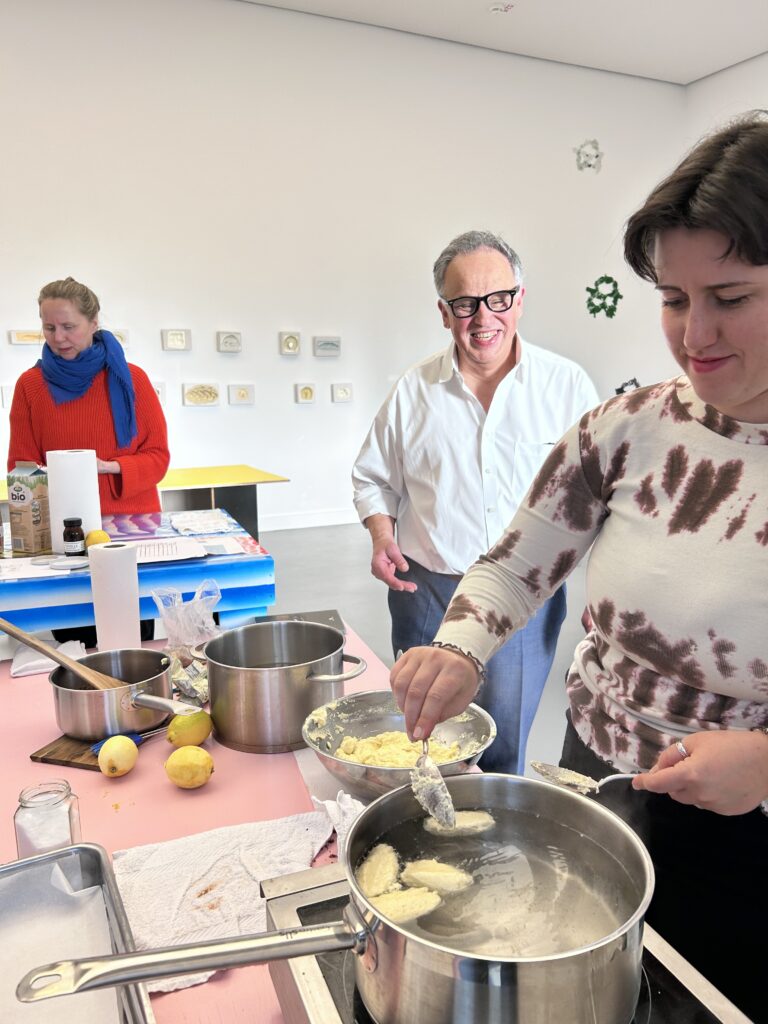

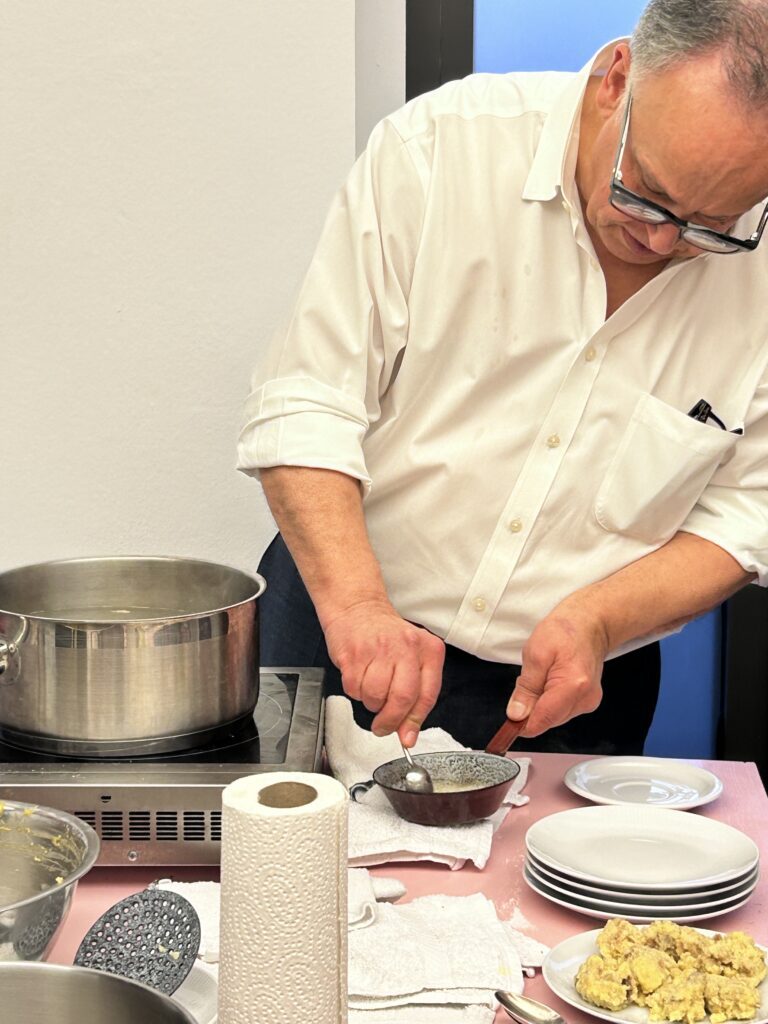
With regard to provisioning systems, it became clear during the discussion that the Geschmacksarchiv addresses questions about how food is produced, traded, and distributed, as well as the infrastructure conditions associated with these processes (SDG 9). In particular, the environmental impacts of global food systems were discussed, for example in connection with long transport routes and the resultingCO2 emissions. These were contrasted with alternative forms of food supply that rely more heavily on regional, seasonal, and community-based structures. In this context, cooking was discussed as a cultural practice that goes beyond mere food preparation to also encompass issues of the organization of food supply and distribution. In the context of sustainable consumption and production patterns (SDG 12), traditional preservation practices such as fermentation were discussed in particular with regard to their potential for resource-efficient food systems (SDG 12).
Finally, forms of communal cooking were discussed as communal structures in which different social and cultural perspectives come into play and nutrition can be experienced as a shared practice (SDG 17).
In the context of Natural Resources, the discussion focused in particular on the role of food in ecological and material cycles, as well as its impact on biodiversity (SDGs 14 and 15). It became clear that the Geschmacksarchiv can foster awareness of the origin, availability, and processing of food. Exploring the topic of cooking was described as an entry point to make the connections between nutrition, resource consumption, and environmental impacts more transparent and understandable, and to highlight the relationship between people and the natural foundations of life in a broader sense (SDGs 13, 15).