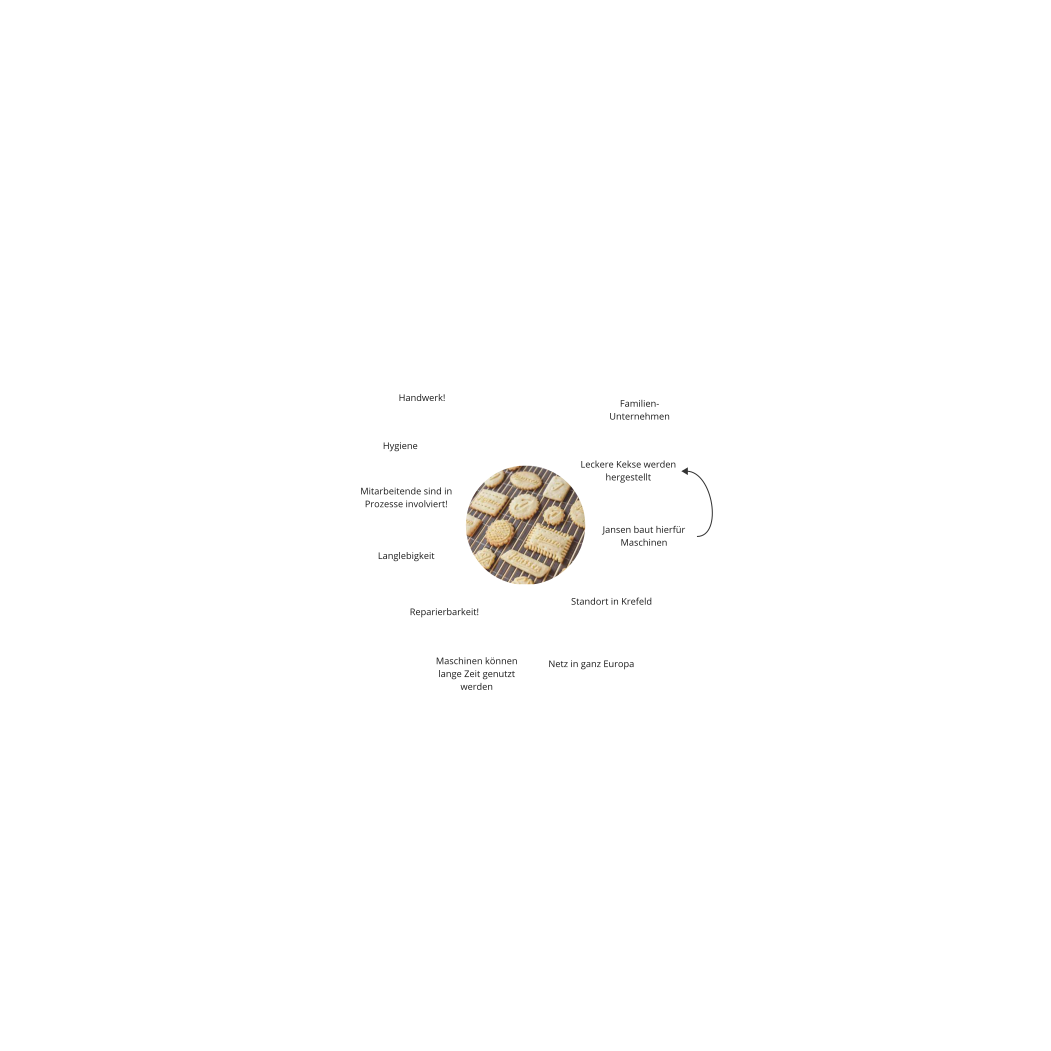

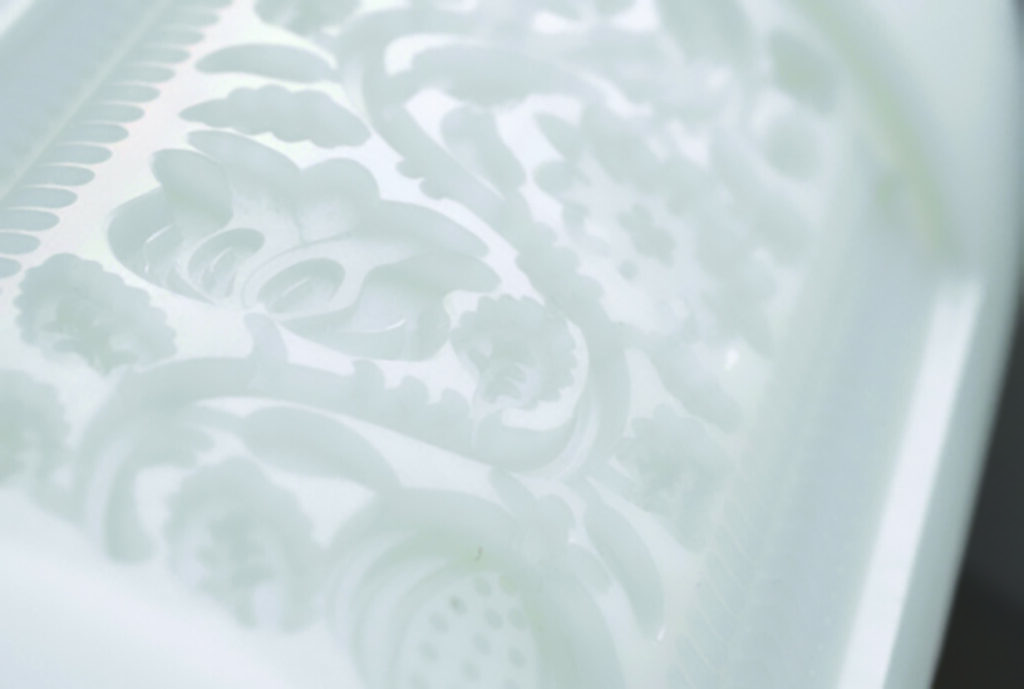
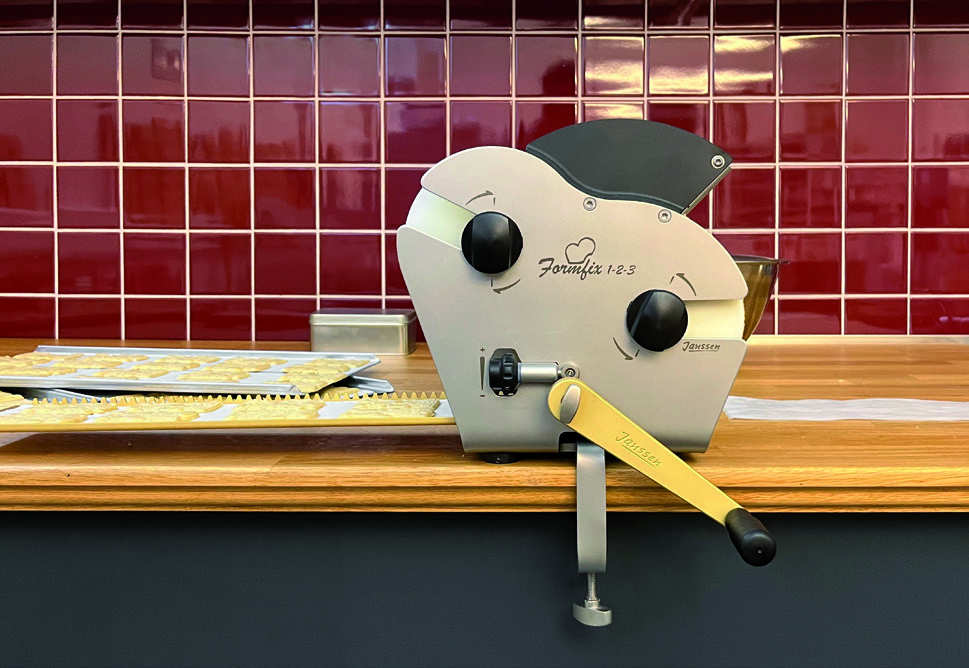
Niederrheinische Formenfabrik Janssen is a long-established family-owned business based in Krefeld that has been developing high-quality pastry molding machines—tailored to the specific needs of bakeries and pastry shops—since 1872. Guided by the motto “Janssen shapes enjoyment,” the company combines artisanal expertise with innovative technology and award-winning product design. A sense of responsibility toward its employees is central to Janssen’s identity; for example, the company continues to manufacture all its products entirely in Germany.
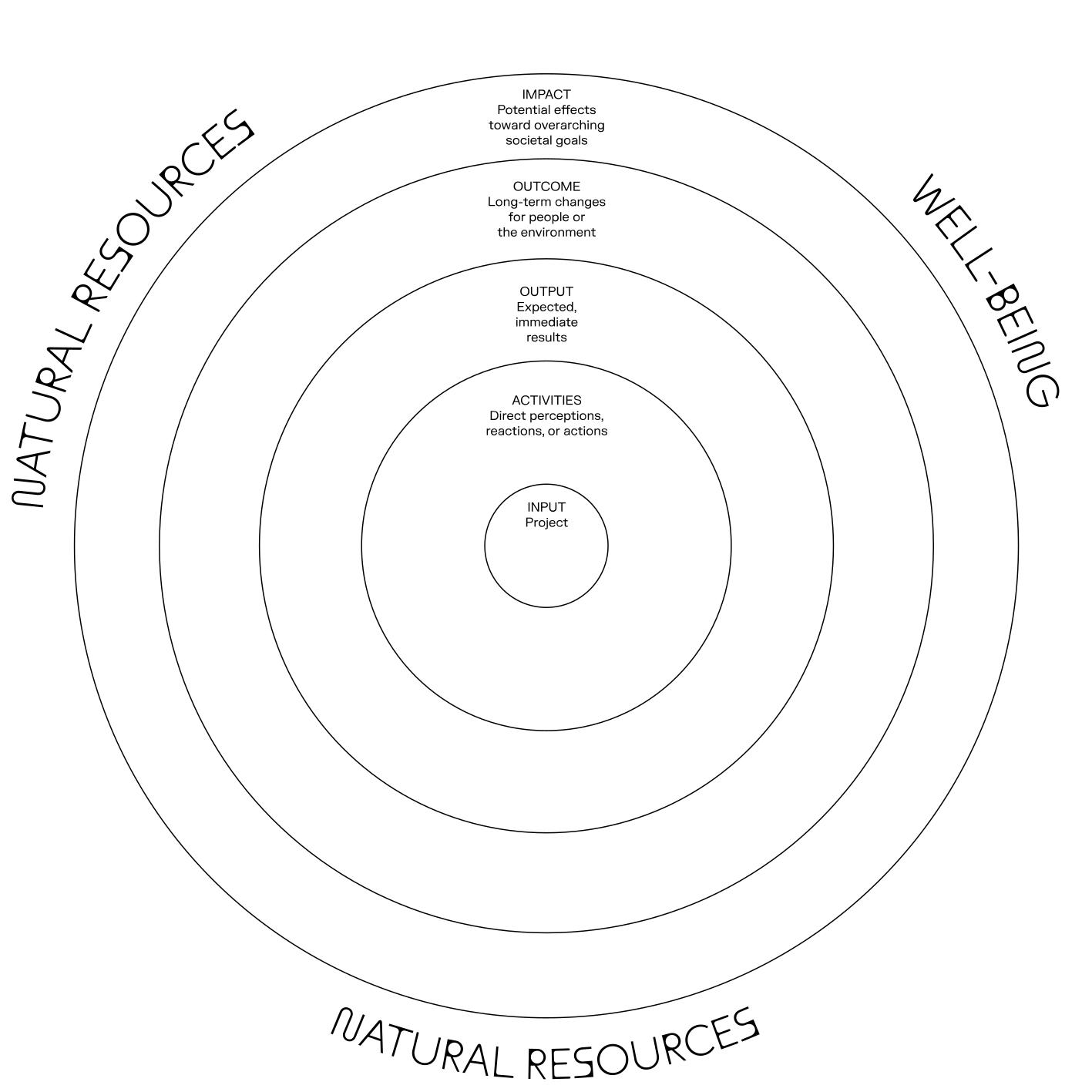
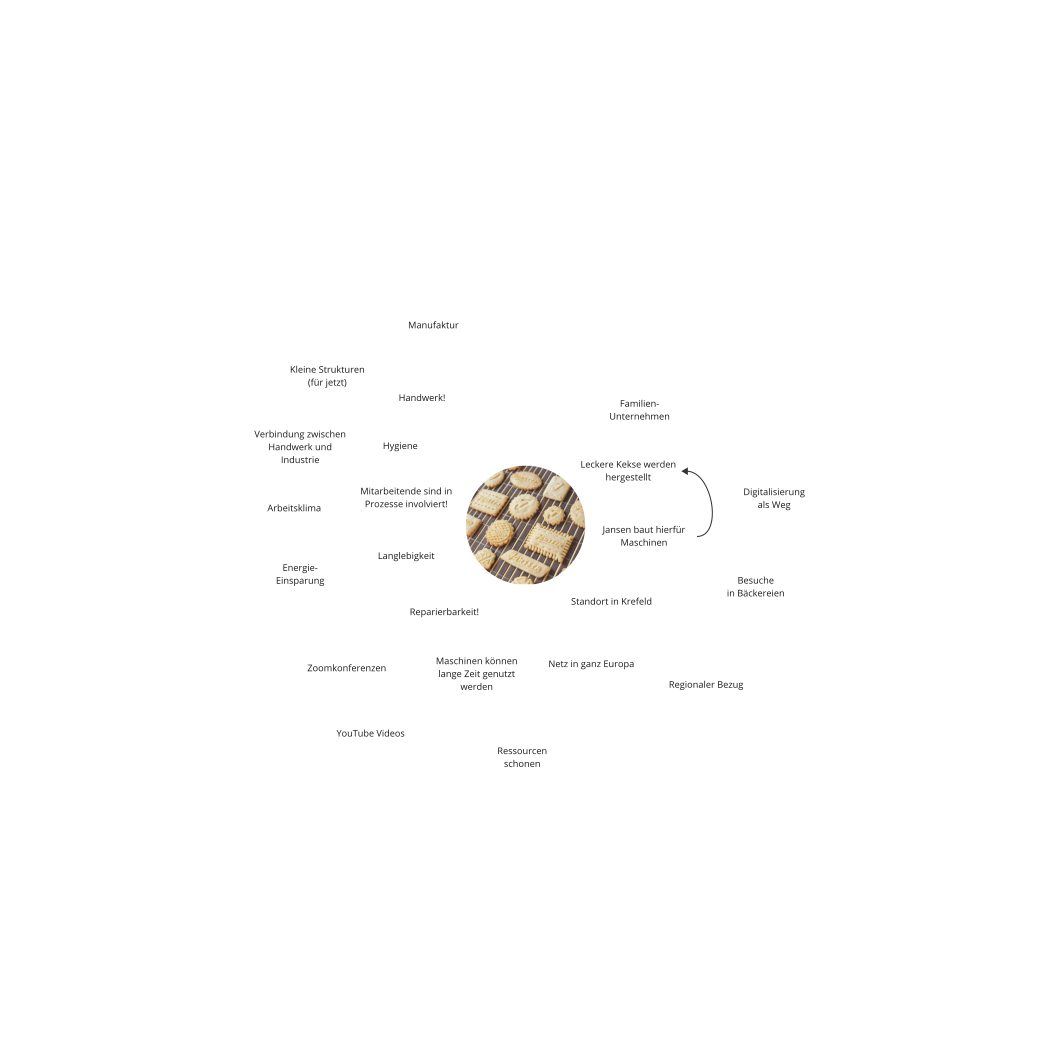
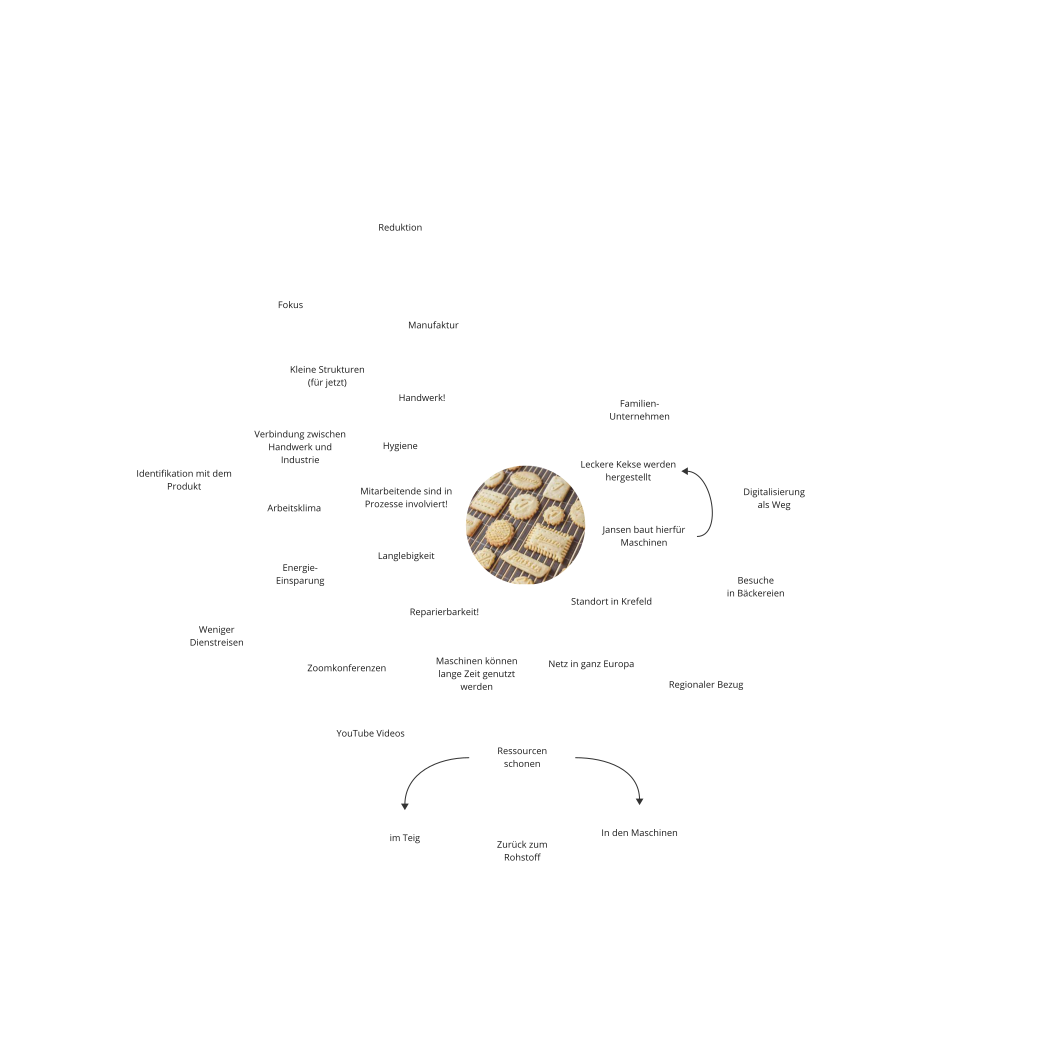
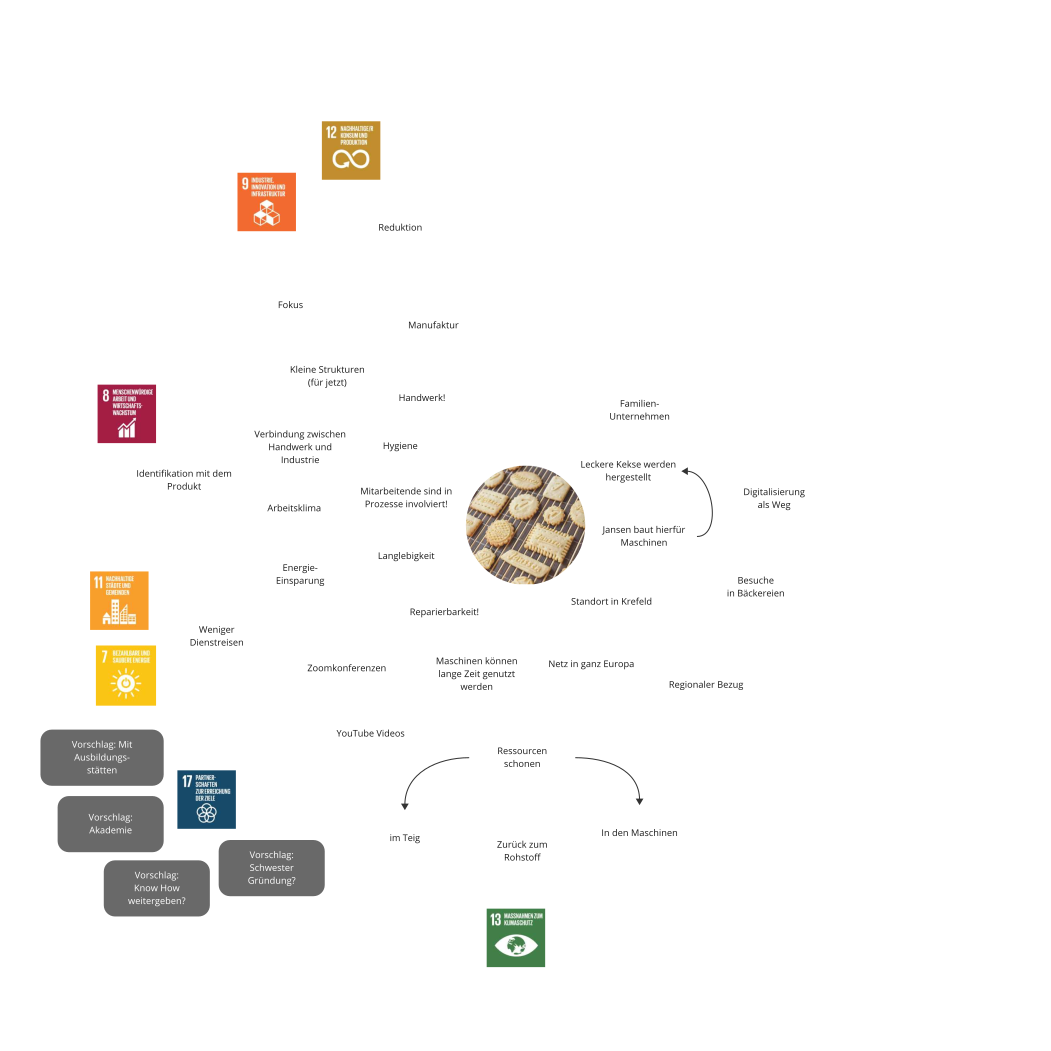
On November 14, 2025, as part of the transform.NRW symposium at Lab How to transform … the economy, an interdisciplinary group of symposium participants analyzed the potential impact of Niederrheinische Formenfabrik Janssen using the Map/ing Sustainability method. The owner of Niederrheinische Formenfabrik Janssen presented the company and participated in the discussion.


The participants described Niederrheinische Formenfabrik Janssen as a company that systematically integrates learning, knowledge-building, and employee participation into its own work processes. They emphasized that employees are actively involved in the company’s transformation and development processes, which helps them develop a comprehensive understanding of products, production processes, and customer needs. Training, continuing education, and direct insights into the realities of customers’ work—such as through visits to bakeries—were described as central elements of this approach to employee engagement. This fosters technical expertise and detailed knowledge, as well as a deeper understanding of the practical nuances and challenges of sustainable production. The participants also emphasized that targeted investments are being made in the training of skilled workers, which in the long term could contribute to quality vocational education even beyond the company itself (SDG 4).

At the level of Provisioning Systems, participants described the company as a good example of production structures that are both people-oriented and economically resilient. Particular emphasis was placed on the fact that employees are specifically involved in operational decision-making and development processes. The combination of continuing education, knowledge transfer, and comparatively flexible working conditions—such as the option of a 36-hour workweek—was seen as contributing to decent work and ensuring a long-term supply of skilled workers. At the same time, the close involvement of employees fosters a strong sense of identification with the products and the company (SDG 8).
Furthermore, the machines designed by Niederrheinische Formenfabrik Janssen were described as contributing to sustainable production methods: They are designed so that individual components can be repaired or replaced, making them particularly durable. Standardized replacement parts and maintenance-friendly designs enable customers to perform repairs on their own. This is supplemented by digital support resources such as manuals and video tutorials. Local production at the Krefeld site was highlighted as a contribution to regional value creation (SDG 12).
The company’s specialization in precise and customized machine solutions—combined with traditional craftsmanship, technical expertise, and modular design—has been described as a key competitive advantage. Thanks to its ability to develop customer-specific solutions for businesses of various sizes, the company has been able to maintain its market position over the long term despite profound changes in the baking industry. Participants described this as an example of resilient and innovation-oriented industrial production in a specialized niche (SDG 9).
Participants also saw benefits in terms of Natural Resources thanks to the machines produced by Niederrheinische Formenfabrik Janssen, which are designed for durability and reparability. Standardized components and recyclable materials reduce resource consumption and extend the machines’ service life.
The owner emphasized that the use of machines in the pastry production process results in virtually no waste: The precise processing of the dough prevents material-related waste, thereby ensuring the efficient use of resources. The participants viewed this as an example of how technical design can support resource-efficient production methods and, in doing so, contribute to climate action (SDG 13).