offsee is a product design agency based in Wuppertal that emerged from the three founders’ shared interest in innovative and recyclable materials. In addition to material selection, their work focuses on other aspects of circular design, such as the structures, processes, and usage contexts in which companies and their customers operate. offsee’s clients include both startups and established companies.
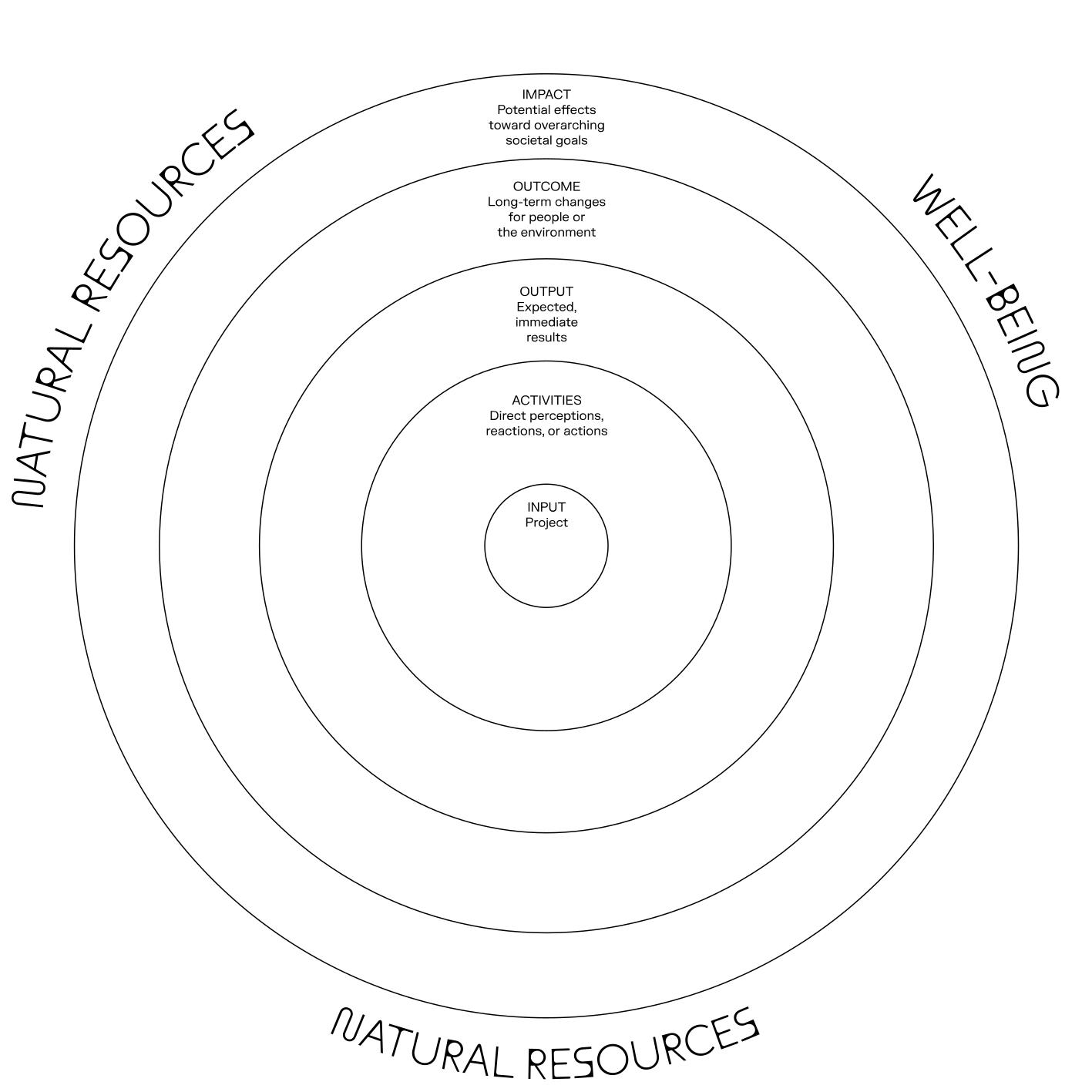
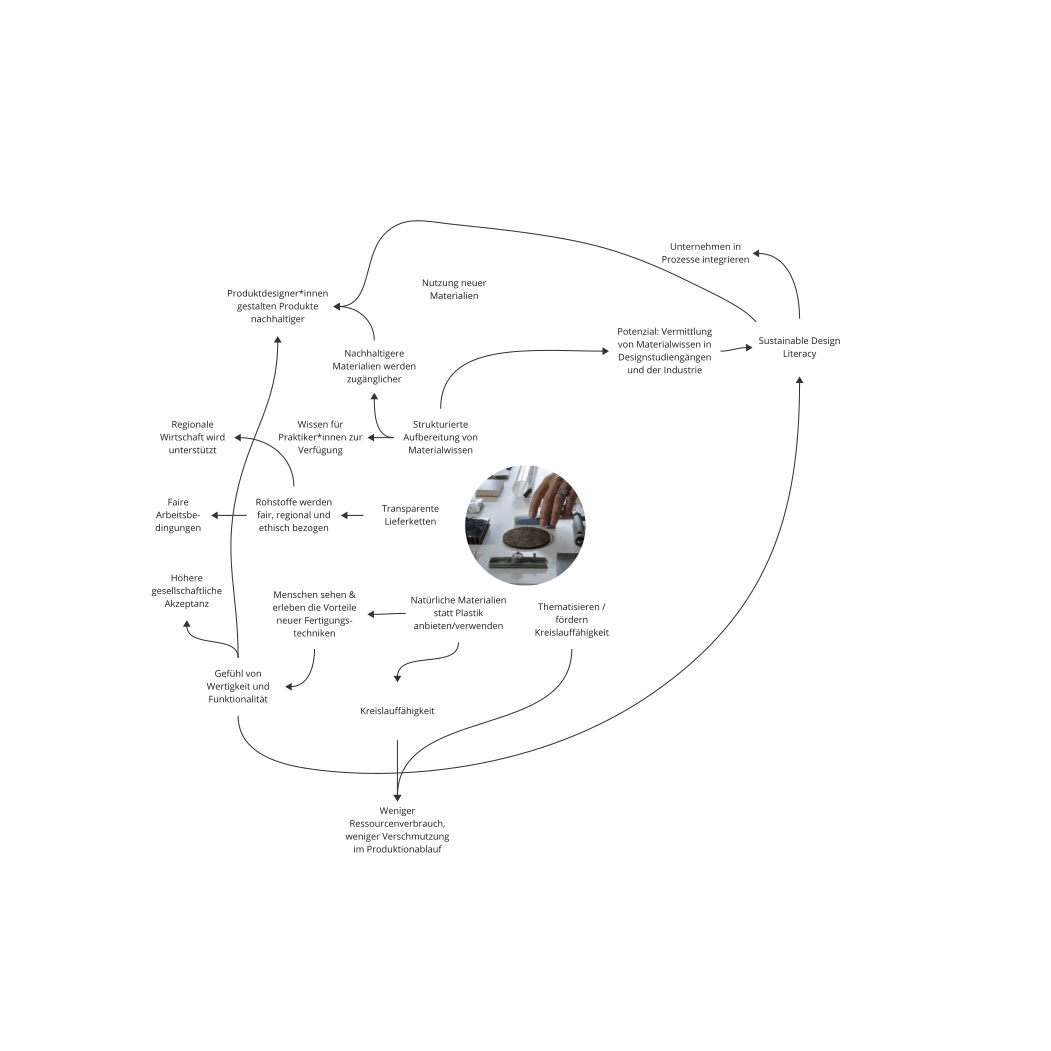
On February 24, 2026, offsee’s potential impacts were analyzed using the Map/ing Sustainability method by an interdisciplinary group consisting of product and user experience designers, sustainability and cultural studies scholars, and economists. The founders of offsee personally presented the agency and participated in the discussion. Their approach was discussed using a specific product development project for a manufacturer of painting tools as an example.

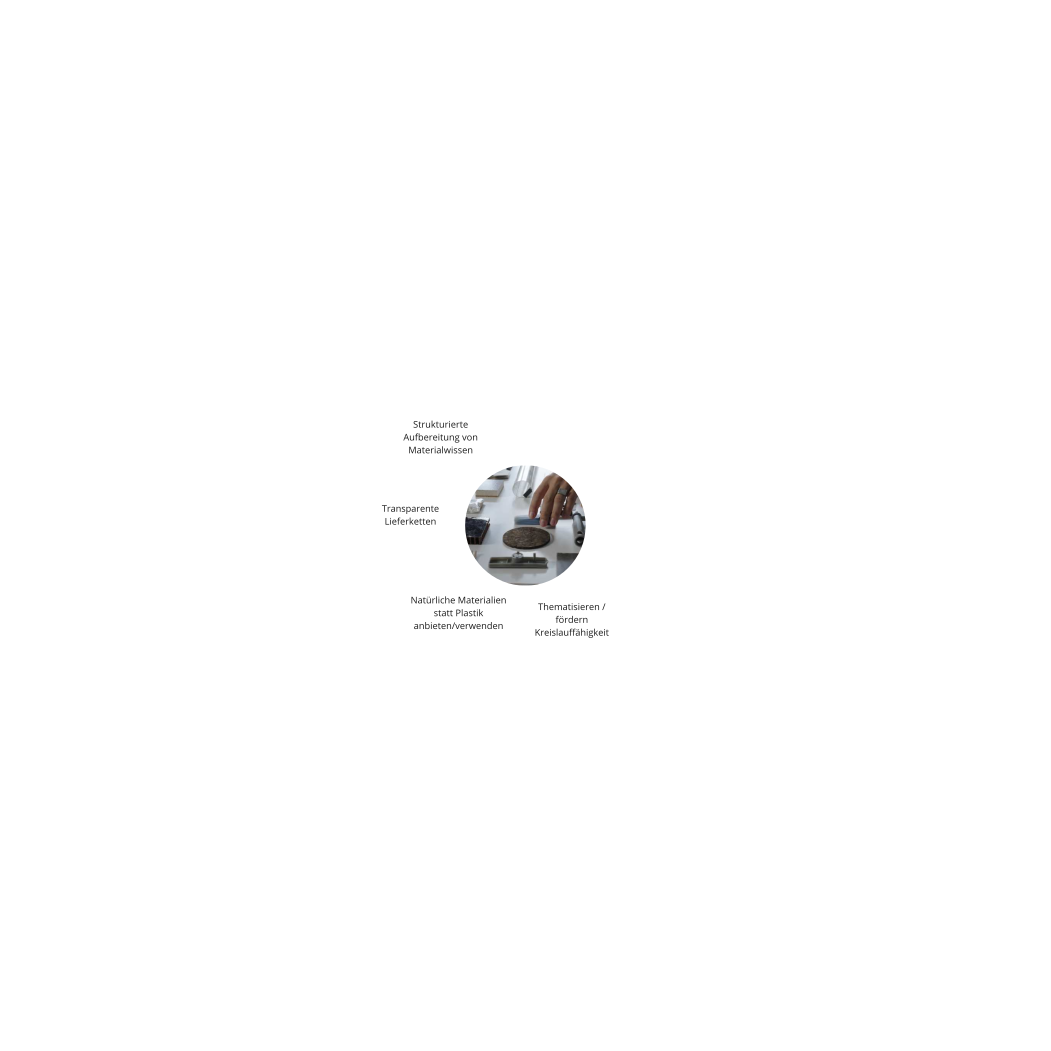
Among the activities that offsee places at the center of its work, its “systemic perspective” was identified alongside close collaboration with clients and consideration of the perspectives of various stakeholders—especially end users. This goes hand in hand with a particular approach to product development: New products should not be guided solely by the interests of clients, but must take into account, on the one hand, the needs of various groups and, on the other hand, the environmental impacts resulting from production and use—the majority of which are determined during the design phase. To this end, offsee uses up-to-date, scientifically grounded tools such as “Führ im Kreis,” which was developed at the Wuppertal Institute and is intended to support the development of circular products.
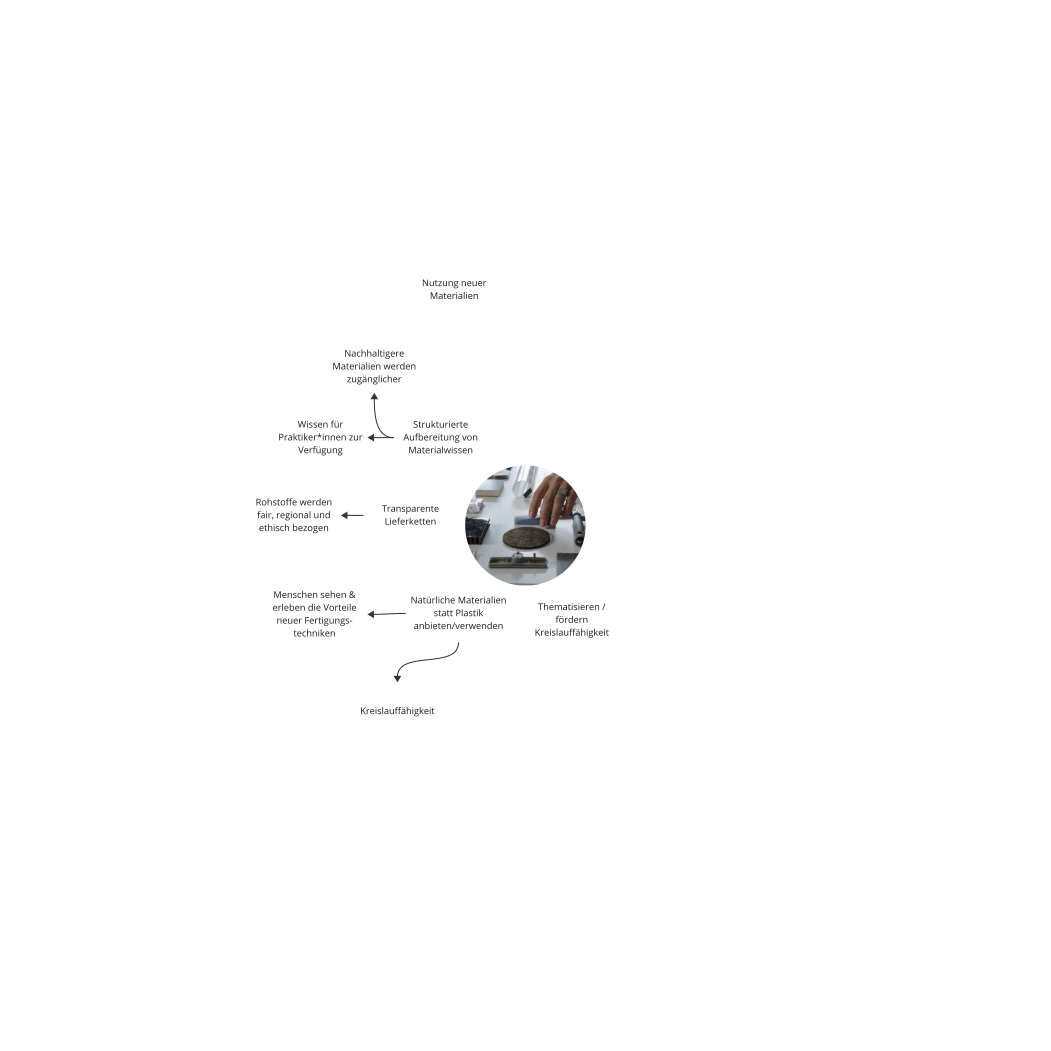
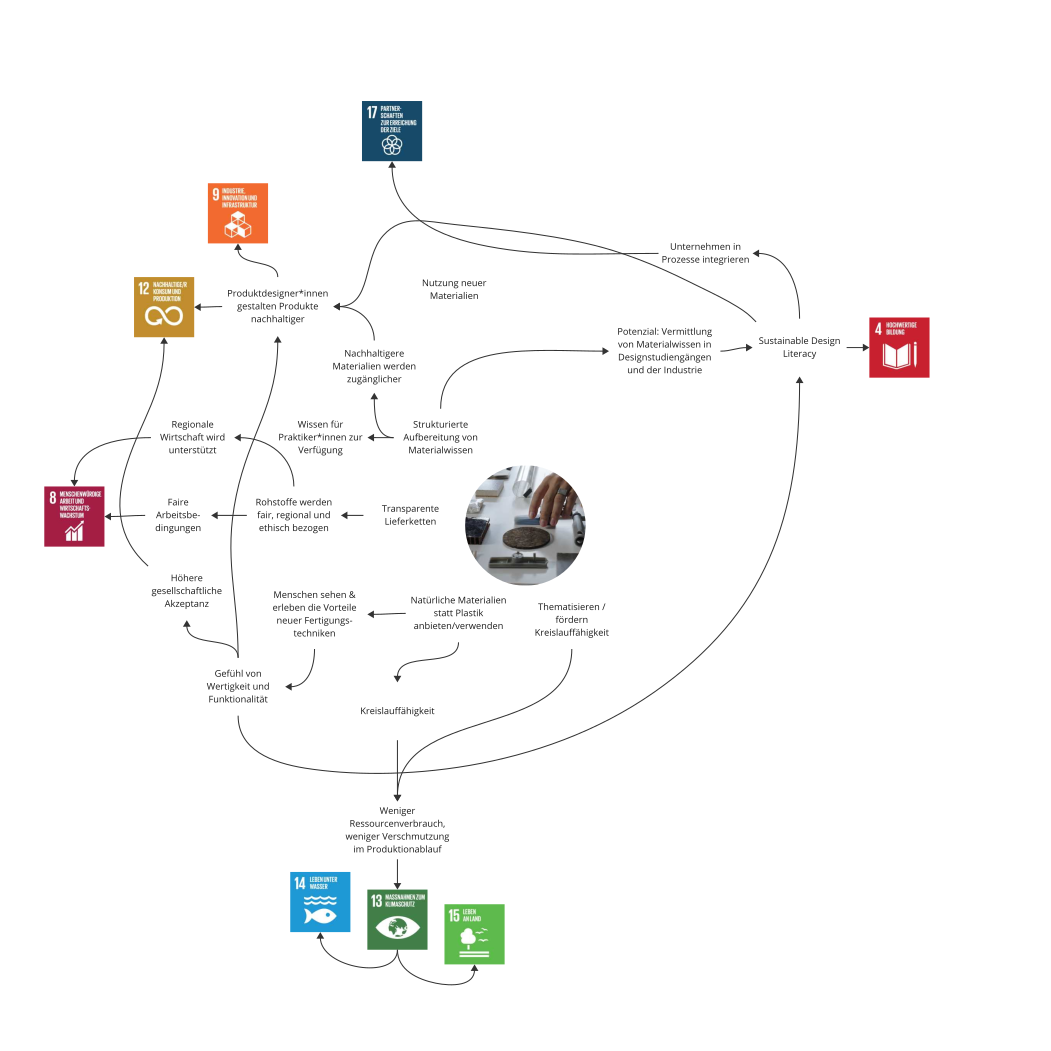
This approach opens up a concrete learning space (SDG 4) in which new “usage scenarios and worlds” are created collaboratively. This makes it possible to take steps toward transformation that are often otherwise hindered because companies cling to existing products in their unaltered form. This works by asking not only questions like, “How does paint actually get on the wall?” but also, “Why does someone actually want to put paint on the wall?” Taking users’ needs into account was seen as contributing to greater user satisfaction, which could also lead to a healthier life on an emotional level (SDG 3).
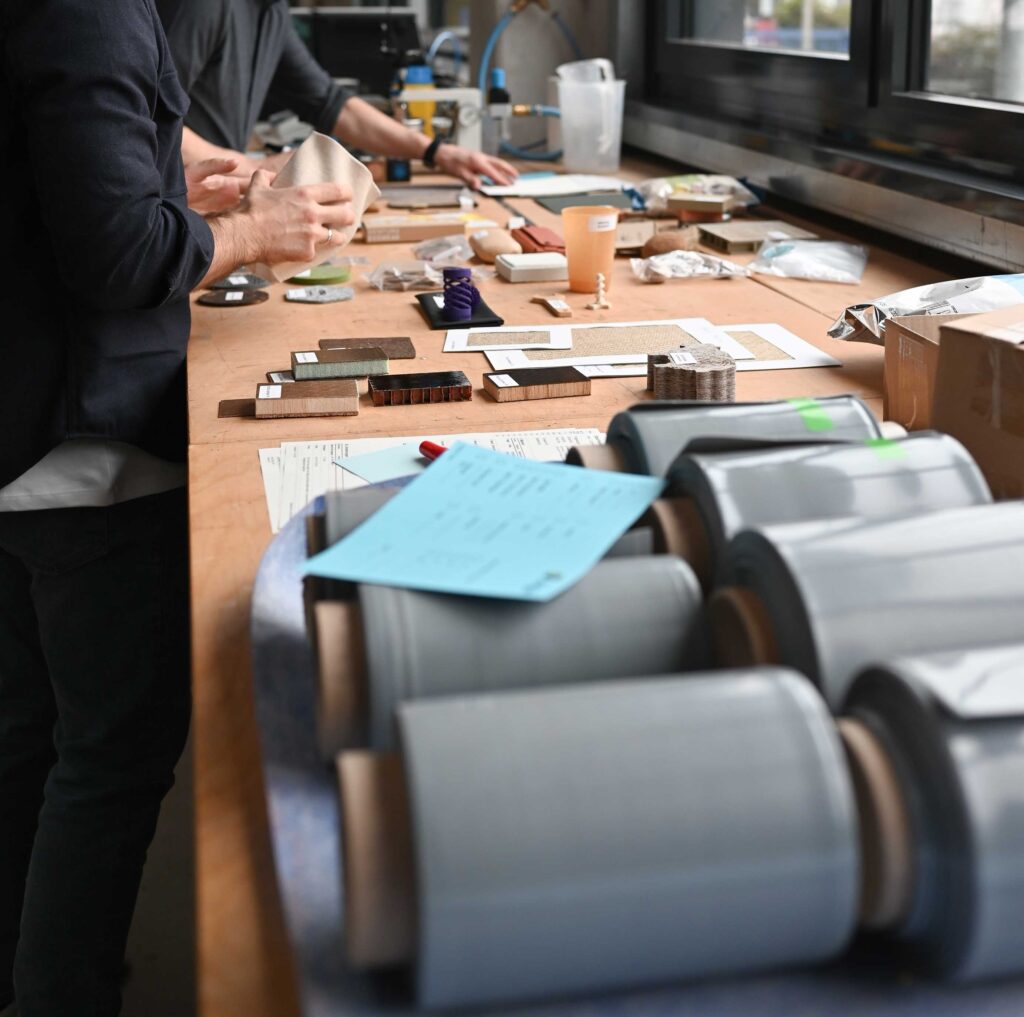
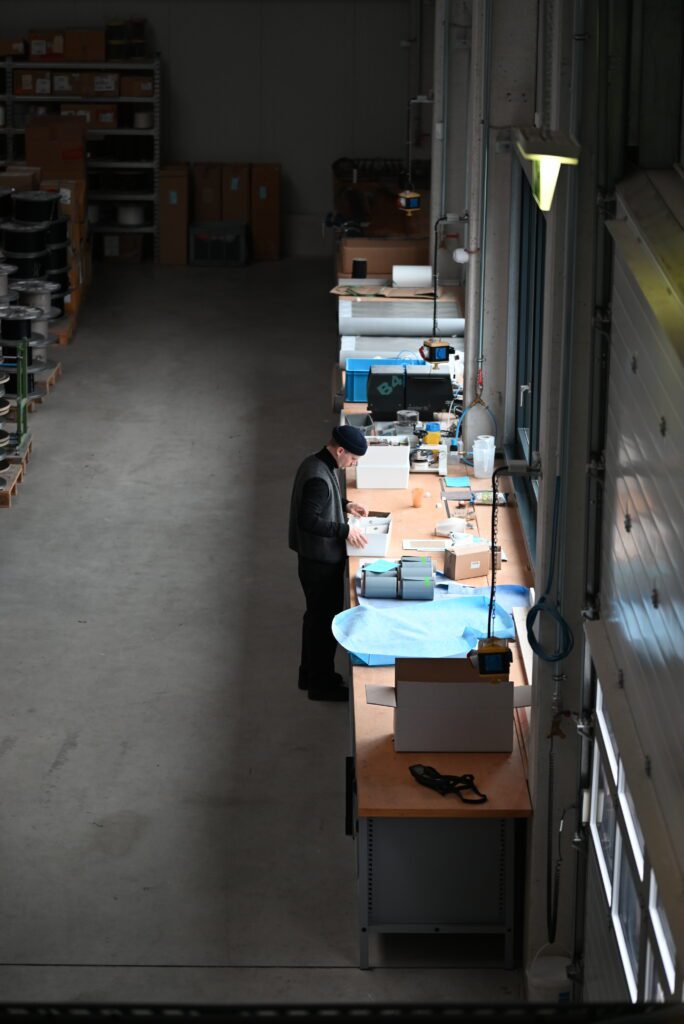
According to the discussion group , offsee’s systemic perspective and approach could transform infrastructures in the long term: Through direct dialogue with clients, their concerns would be addressed—for example, by showing them that new approaches work for specific products in their own product portfolio or at other companies. The trust built in this way helps them “break out of their product focus”—that is, to move away from existing products and business models and, instead of incremental improvements, dare to make systemic changes (SDG 9).
By using new production methods with the products developed by offsee , manufacturers have an incentive to provide the necessary infrastructure. Thus, products manufactured in a more resource-efficient manner have the effect of simplifying and sustaining the development of similar products through the establishment of corresponding production chains. From its position at the intersection of these sectors, offsee can also transfer the knowledge of what has “really changed in the factory” to other clients (SDGs 9, 12).
Through the use of new materials and production methods, the circular economy is “de-/materialized” in the products developed, which makes a direct contribution to resource conservation (SDGs 13, 14, 15). Although the individual savings from each of these innovations may be small, the effects can be scaled up due to the high volume of mass production. A caveat was noted: we currently have “far too many individual examples that remain just that—individual examples”—to achieve a genuine shift in production and consumption patterns. A key contribution offsee could make would be to apply the knowledge embedded in these individual examples in a targeted and widespread manner.