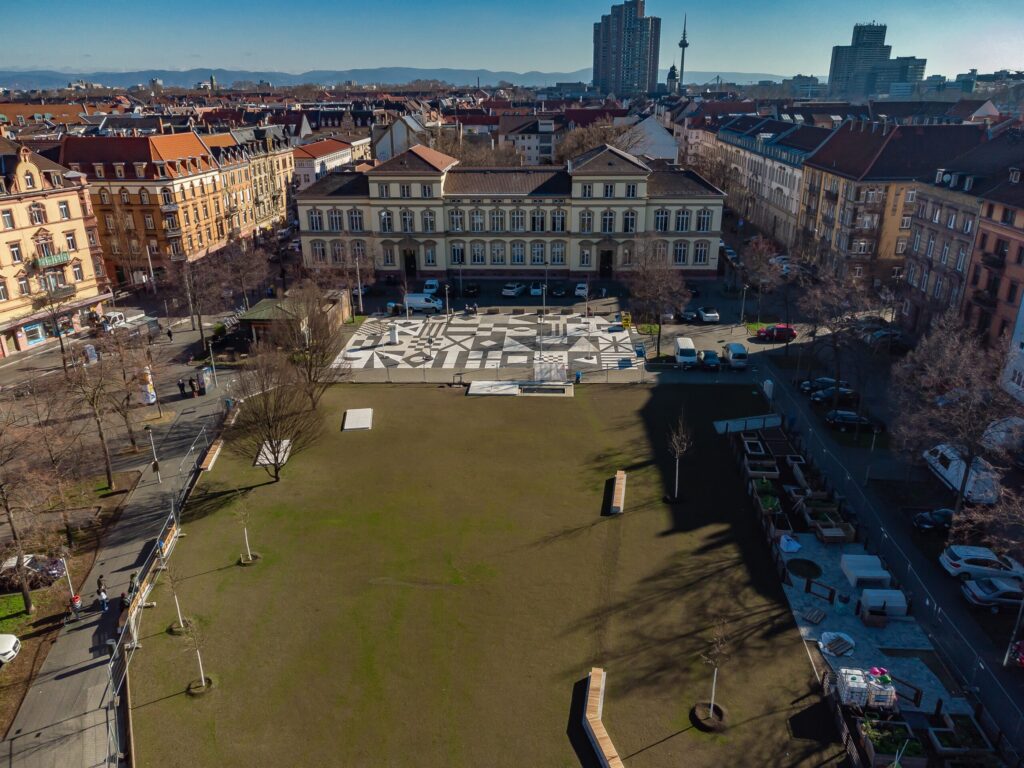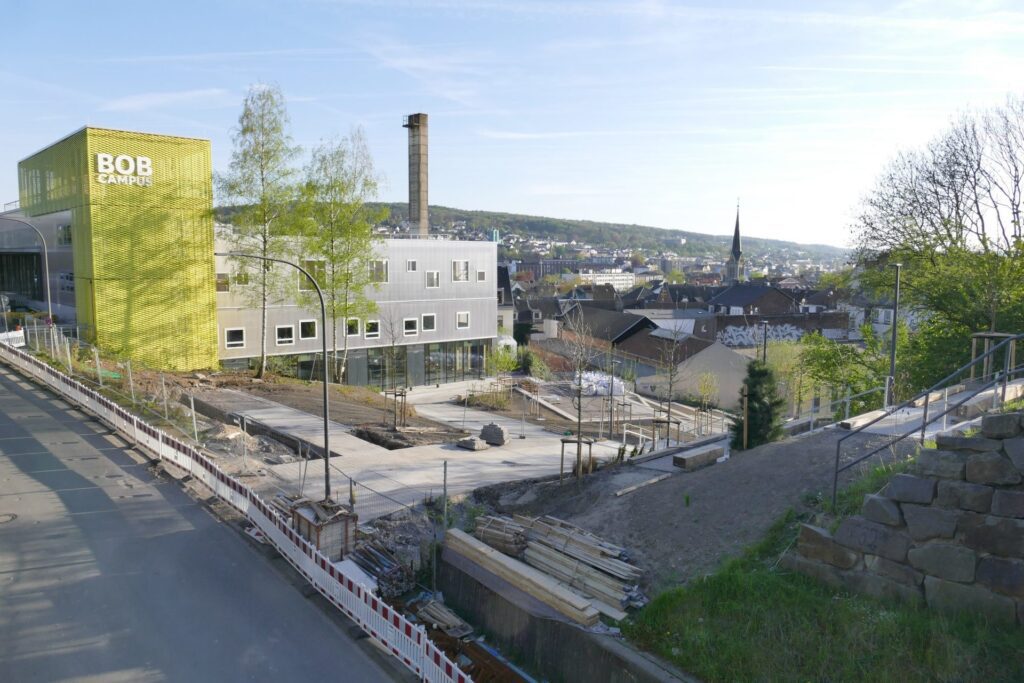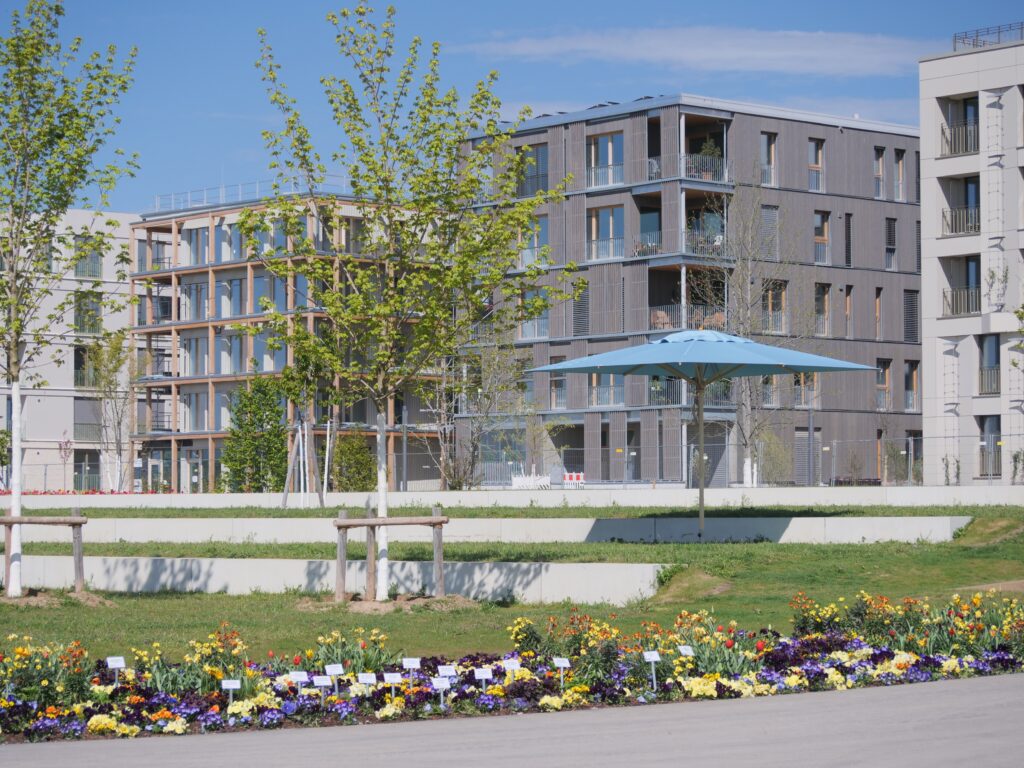

SInBa (Social Innovation in Construction and Housing) is a transdisciplinary pilot project that combines climate-friendly construction and housing in Mannheim and Wuppertal with social innovation processes. The project focuses on the question of how challenges in the field of housing—such as land scarcity, energy supply, or unused building stock—can be addressed through new forms of collaboration, organization, and action. The project employs a cyclical real-world laboratory approach: interventions are developed in collaboration with local stakeholders (co-design), tested (co-production), and continuously evaluated (co-evaluation).

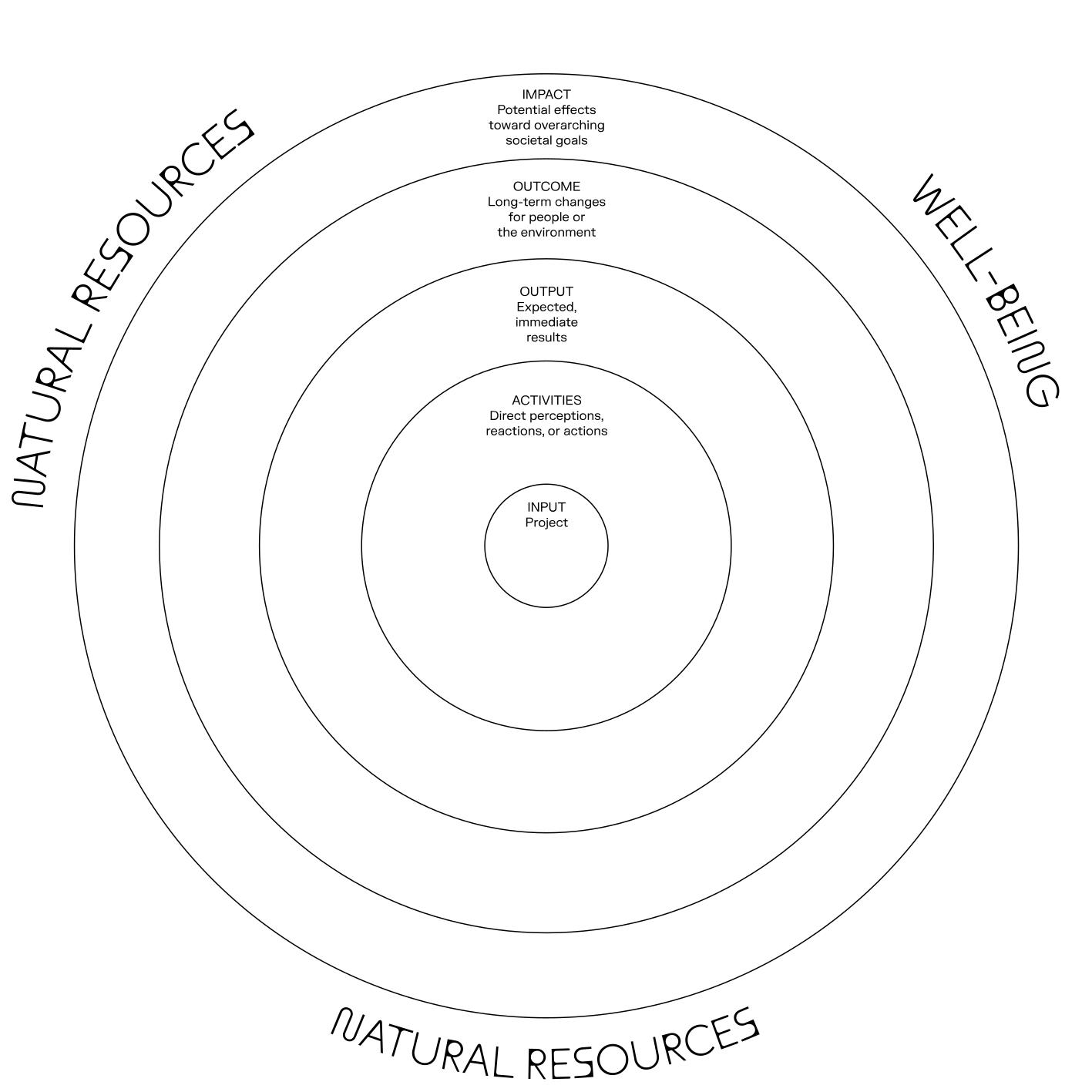
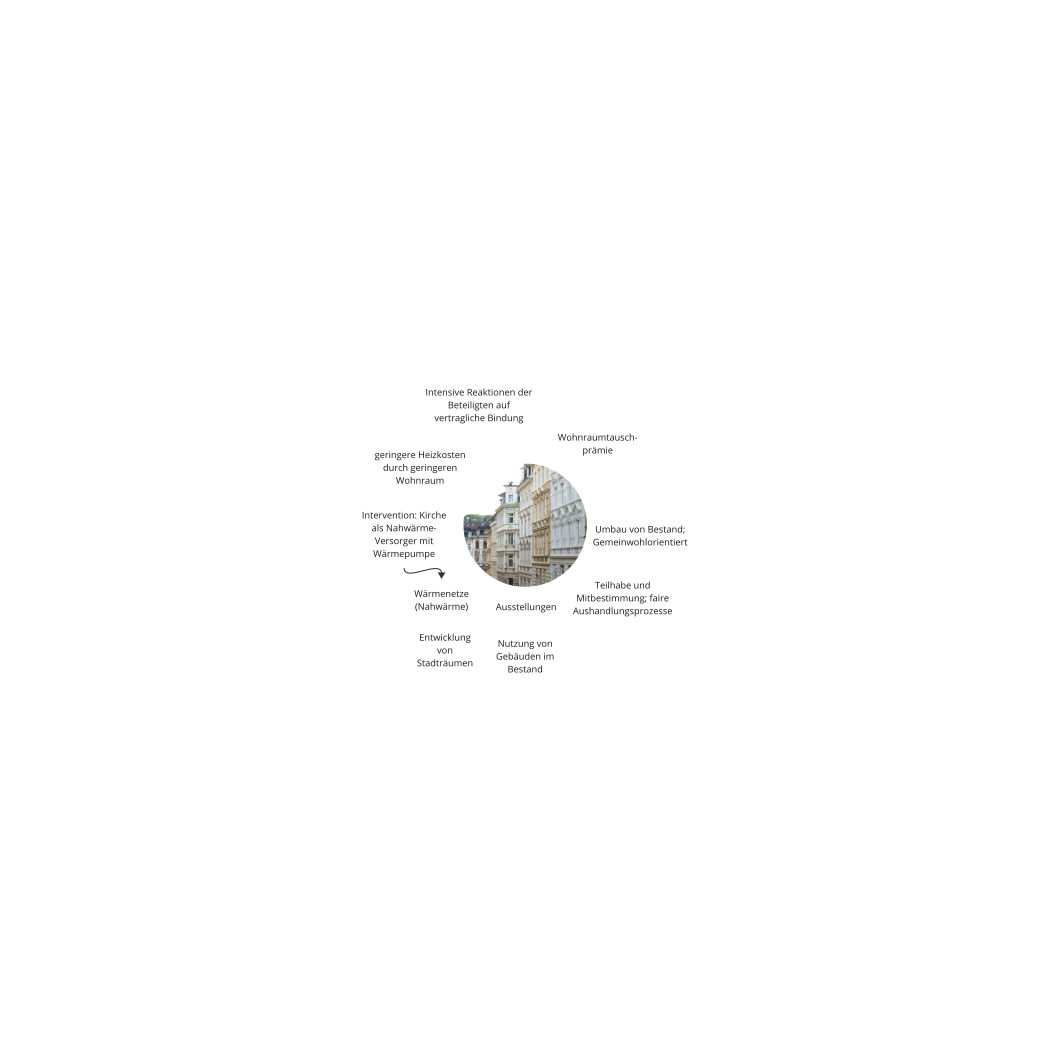
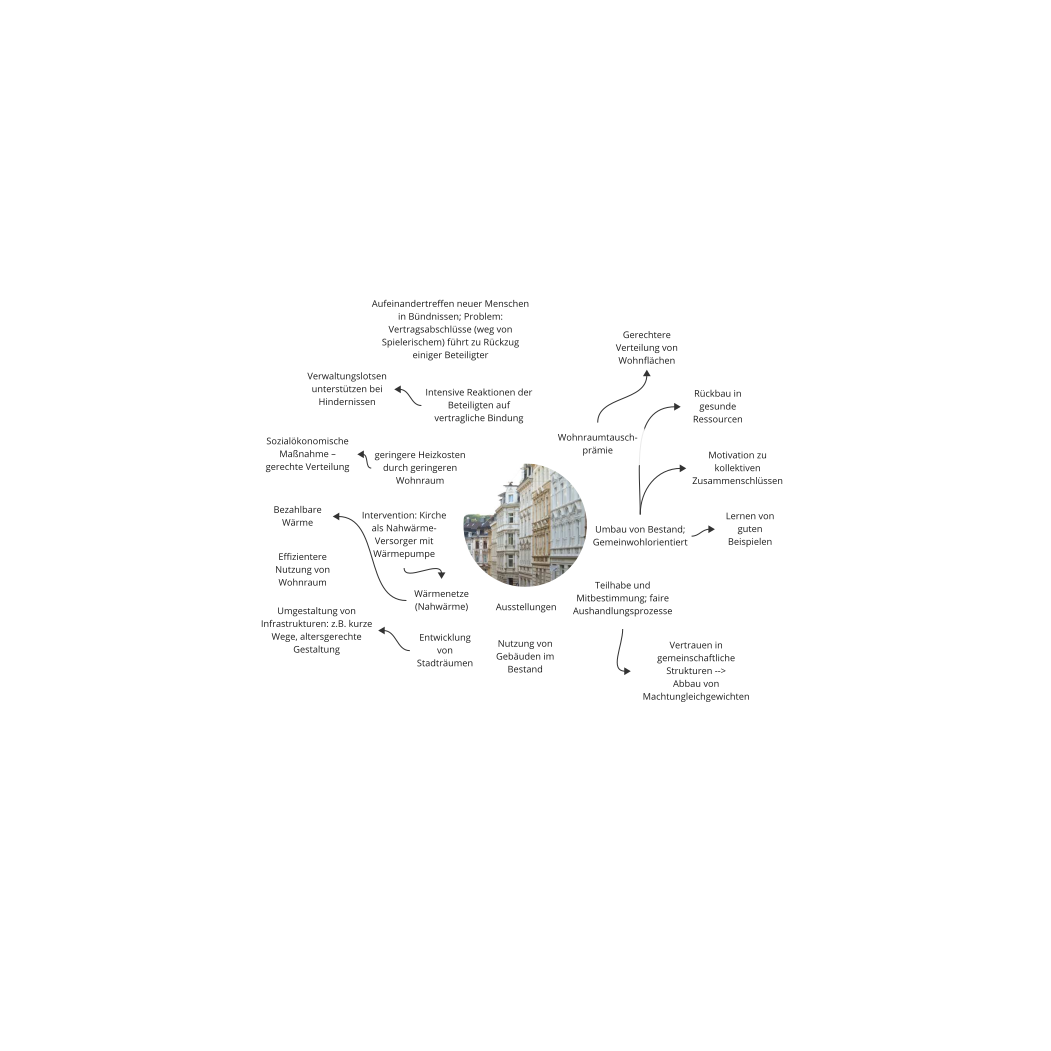
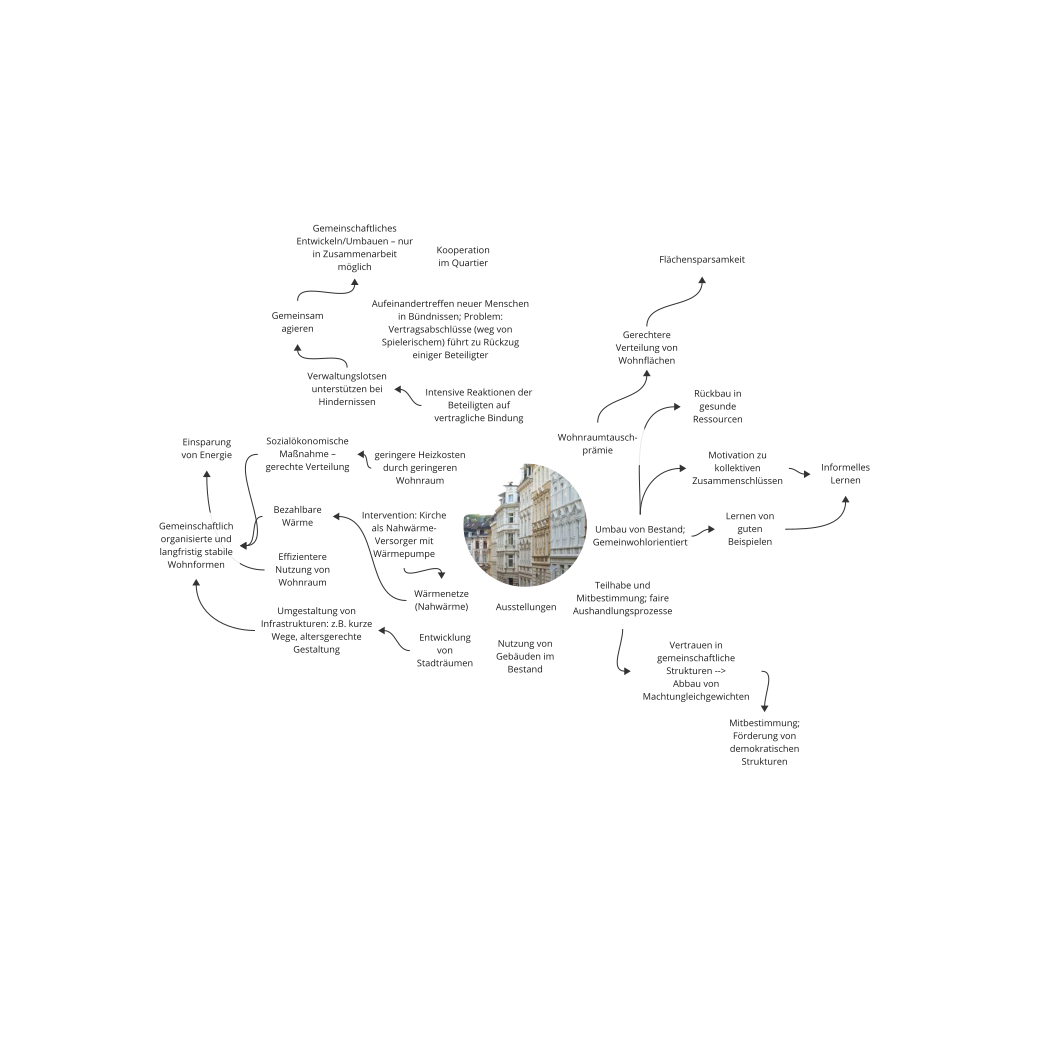
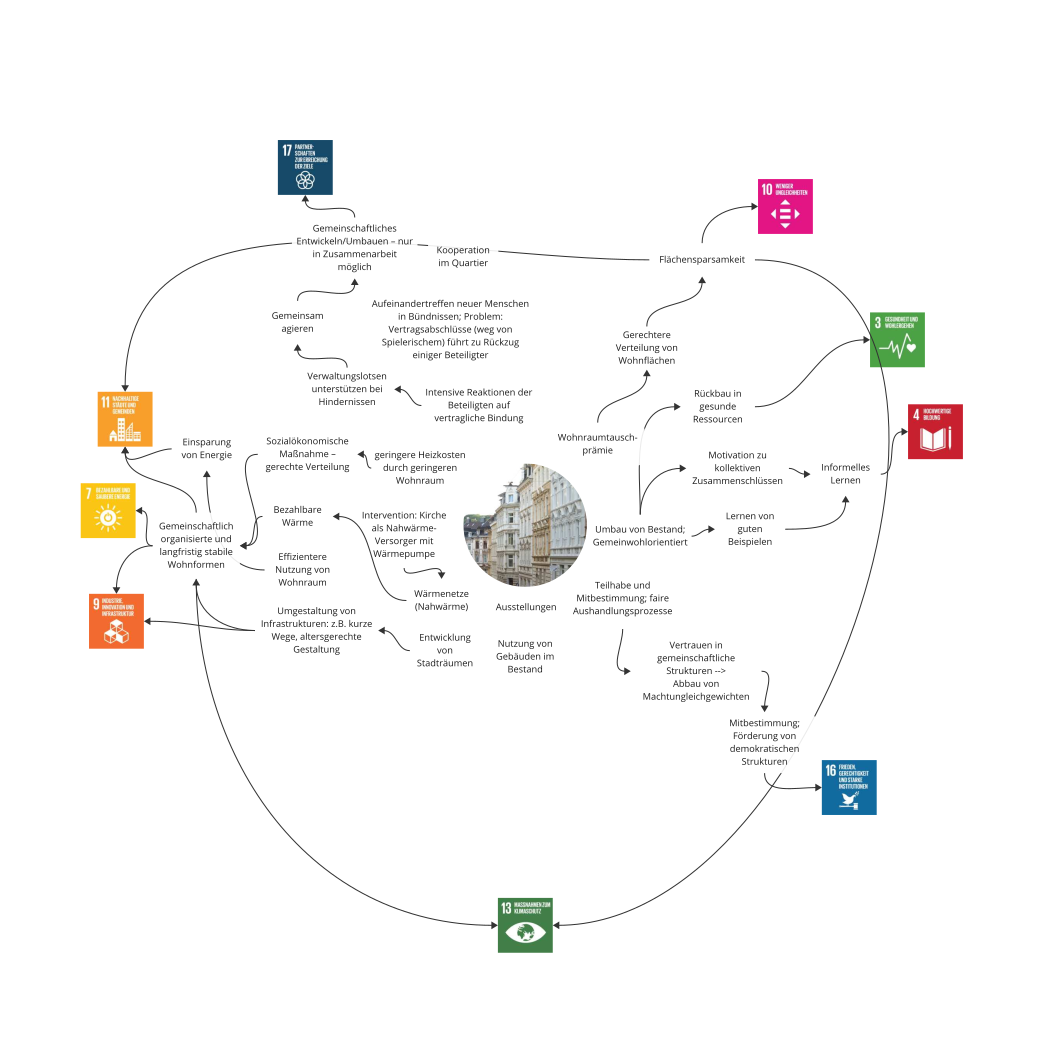
On April 15, 2026, an interdisciplinary group analyzed SInBa’s potential impacts using the Map/ing Sustainability method. The group included designers, architects, artists, sustainability researchers, and art educators. Franziska Stelzer, a member of the SInBa project team, presented the project and participated in the discussion. The focus was on two interventions: the participatory planning of the local heating supply in Wuppertal’s Ölberg neighborhood and the conversion of a vacant existing building in Wuppertal into housing for the public good. Other initiatives—such as space-saving and socially equitable housing management in Mannheim—were briefly touched upon.


During the discussion, it became clear that SInBa unlocks the potential for a good life, particularly through housing as a fundamental social practice. A more equitable distribution of housing—for example, through mechanisms such as housing swaps—could help reduce social inequalities by better aligning living space with actual needs (SDG 10). At the same time, environmental benefits were also highlighted, such as reduced land use and lower energy consumption.
Communal living arrangements—particularly the repurposing of vacant existing buildings—have been described as conducive to social inclusion and well-being. They can strengthen social relationships and foster a sense of belonging, which in turn could have a positive impact on individual and collective well-being (SDG 3). At the same time, such processes require a high degree of commitment: Negotiating shared visions and binding structures can involve conflicts and emotional strain.
Another area of potential lies in informal learning. Through experimental and transdisciplinary approaches, as well as close collaboration among various stakeholders, learning spaces are created where knowledge about sustainable construction, communal living, and new forms of organization can be tested in practice and shared (SDG 4).Furthermore, collaborative decision-making processes foster democratic skills. The joint development of visions, collective decision-making processes, and collaboration with local stakeholders develop participatory skills and conflict resolution abilities. In this sense, SInBa can promote democracy by opening up spaces for co-determination, self-organization, and cooperative problem-solving (SDG 16). Overall, SInBa was thus understood as an approach that links the social, spatial, and ecological dimensions of quality of life.
A key contribution of the project was identified in the area of Provisioning Systems. SInBa addresses fundamental issues related to housing provision by testing new forms of organization, use, and redistribution of housing (SDG 11). The interventions developed in the project—such as the cooperative planning and implementation of local heating networks, housing management, and the repurposing of existing buildings for the public good—were discussed as social innovations that could further develop existing infrastructures in a way that is both beneficial and socially equitable.
Particular emphasis was placed on the role of partnerships: Collaboration between municipal governments, initiatives, and research institutions is considered a key prerequisite for implementing such approaches (SDG 17). In this context, the role of the municipality as an “administrative guide” that can assist groups through complex bureaucratic processes was emphasized. Based on concrete examples, this role was assessed as crucial and one with room for expansion. Cooperatively developed local heating networks were also highlighted as an example of how locally negotiated and communally organized energy supply can contribute to climate-friendly infrastructure (SDG 7). This demonstrates that the integration of social, technical, and structural innovations enables new forms of sustainable infrastructure (SDG 9). Furthermore, challenging existing forms of work and organization—such as the traditional division of labor and institutionally separate areas of responsibility—was discussed as a catalyst for more cooperative and communally organized forms of economic activity (SDG 8).
The approaches developed in the SInBa project reduce land use and resource consumption. The key strategy is to make more socially equitable and optimized use of existing buildings and to avoid new construction as a decisive factor in protecting resources, species, and the climate.
The interplay between social and technical innovations is also central: Their integration gives rise to socio-technical regimes featuring more resilient, resource-efficient product-service systems that enable and stabilize changed usage practices. Ecological impacts thus result from the interaction between social practices and physical infrastructures (SDG 13).