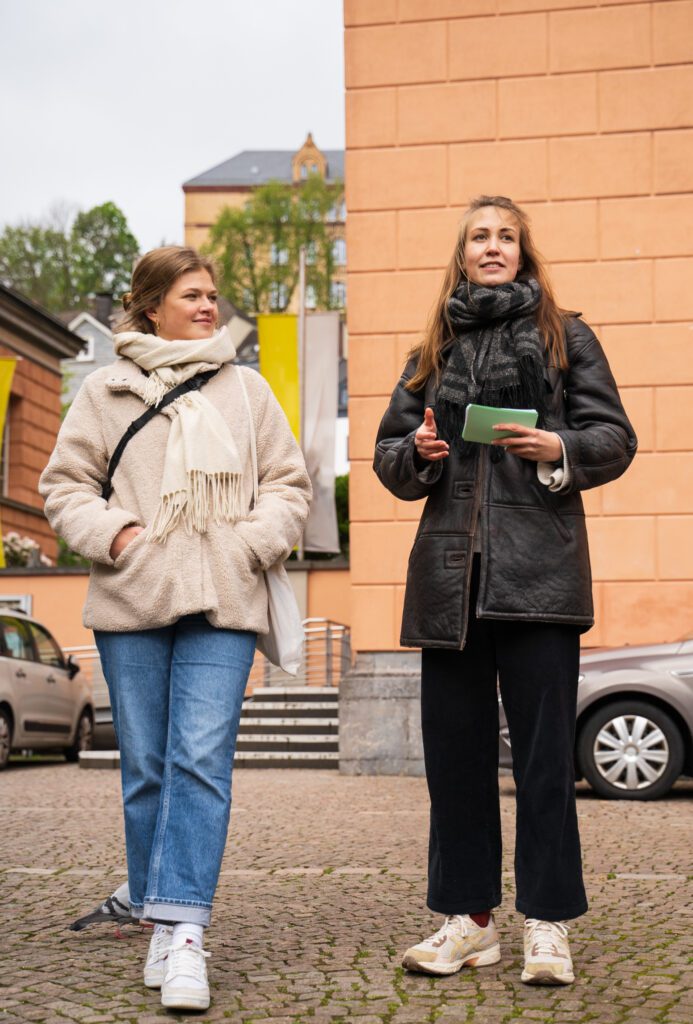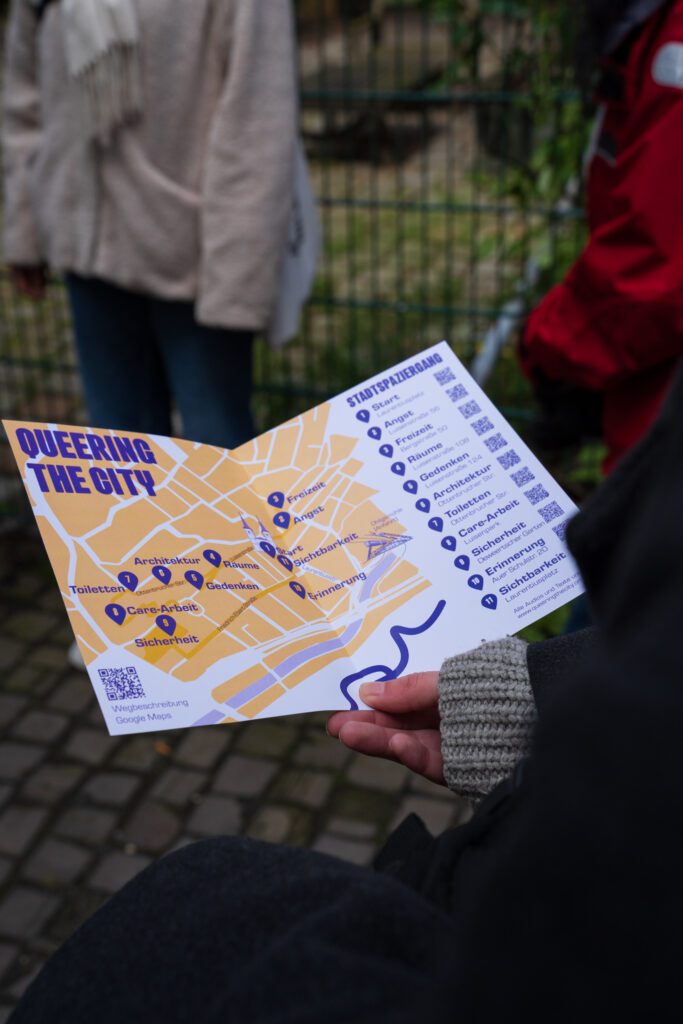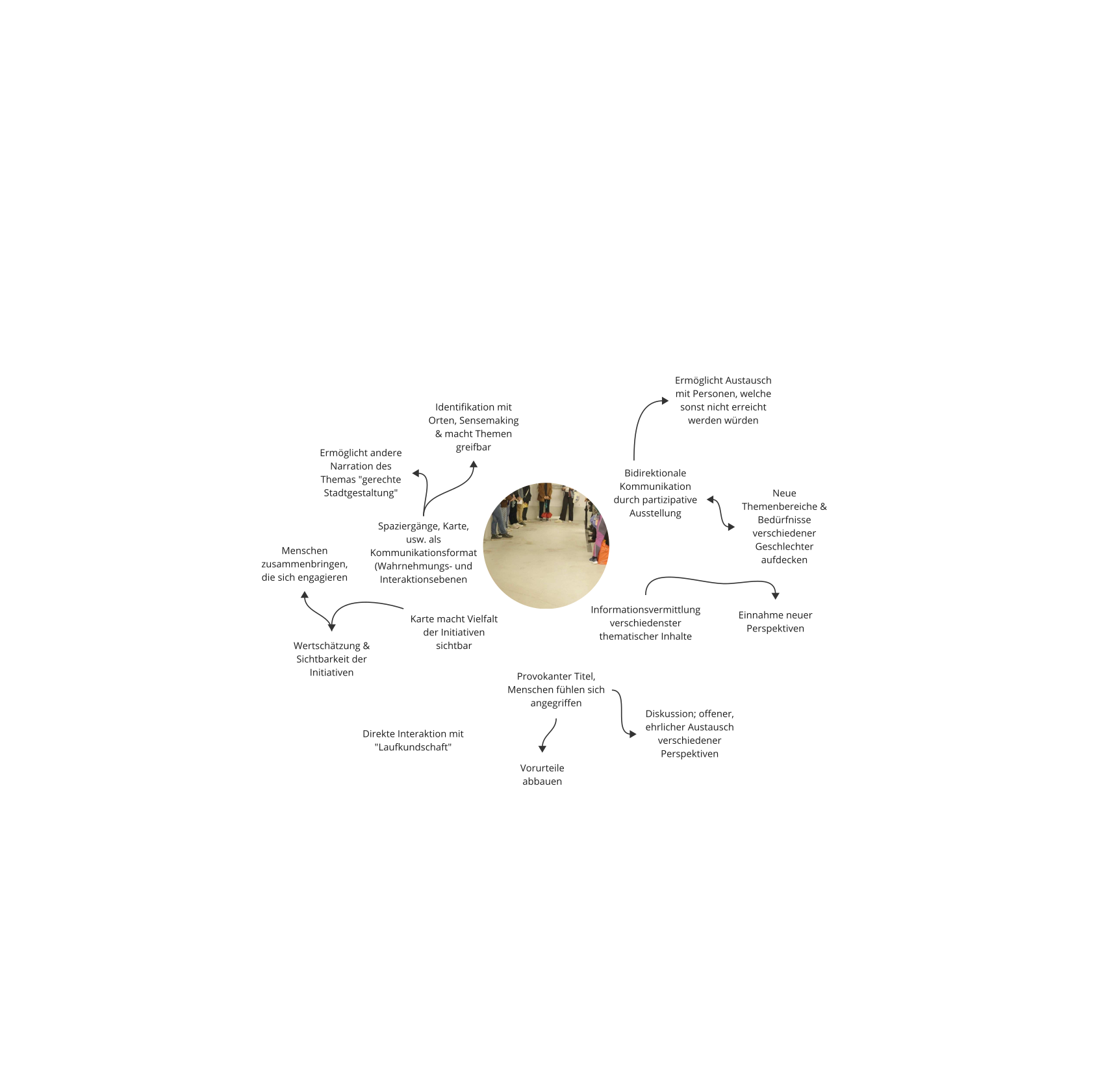
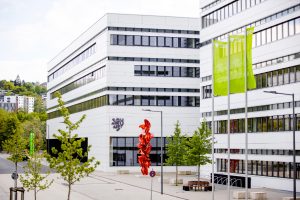
Queering the City By Anna Nill and Kira Sandrock, this project examines how heteronormativity and patriarchy shape the cityscape and urban infrastructure in Wuppertal. The project began with a city map that highlights over 60 queer-feminist locations, provides orientation, and connects community members. This led to city walks in the Elberfeld neighborhood that address gender-equitable urban planning and inequalities in public spaces. Accompanied by a participatory exhibition in the city center and interactive formats, the project invites citizens to learn about personal stories and structural contexts and to develop ideas for an inclusive city.
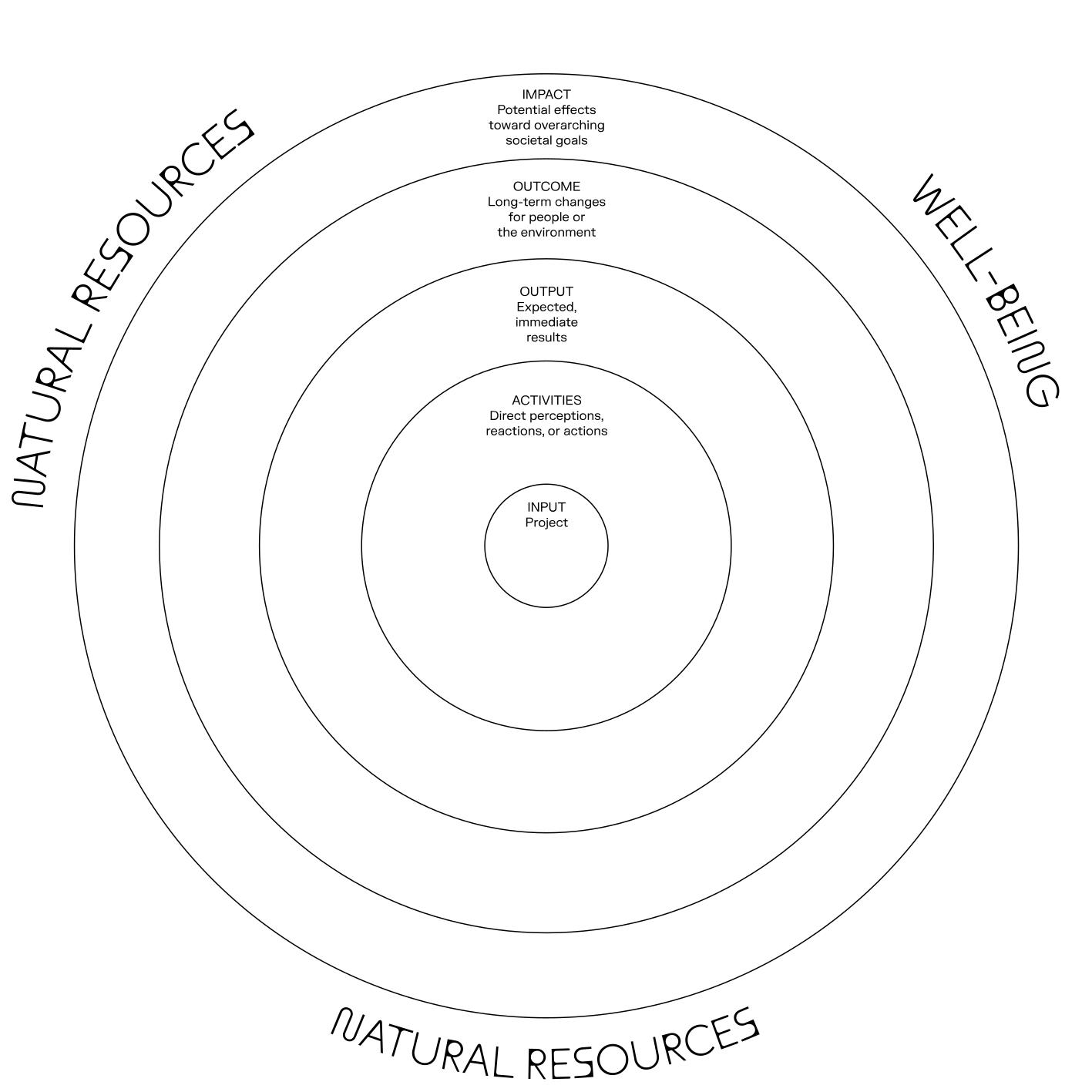
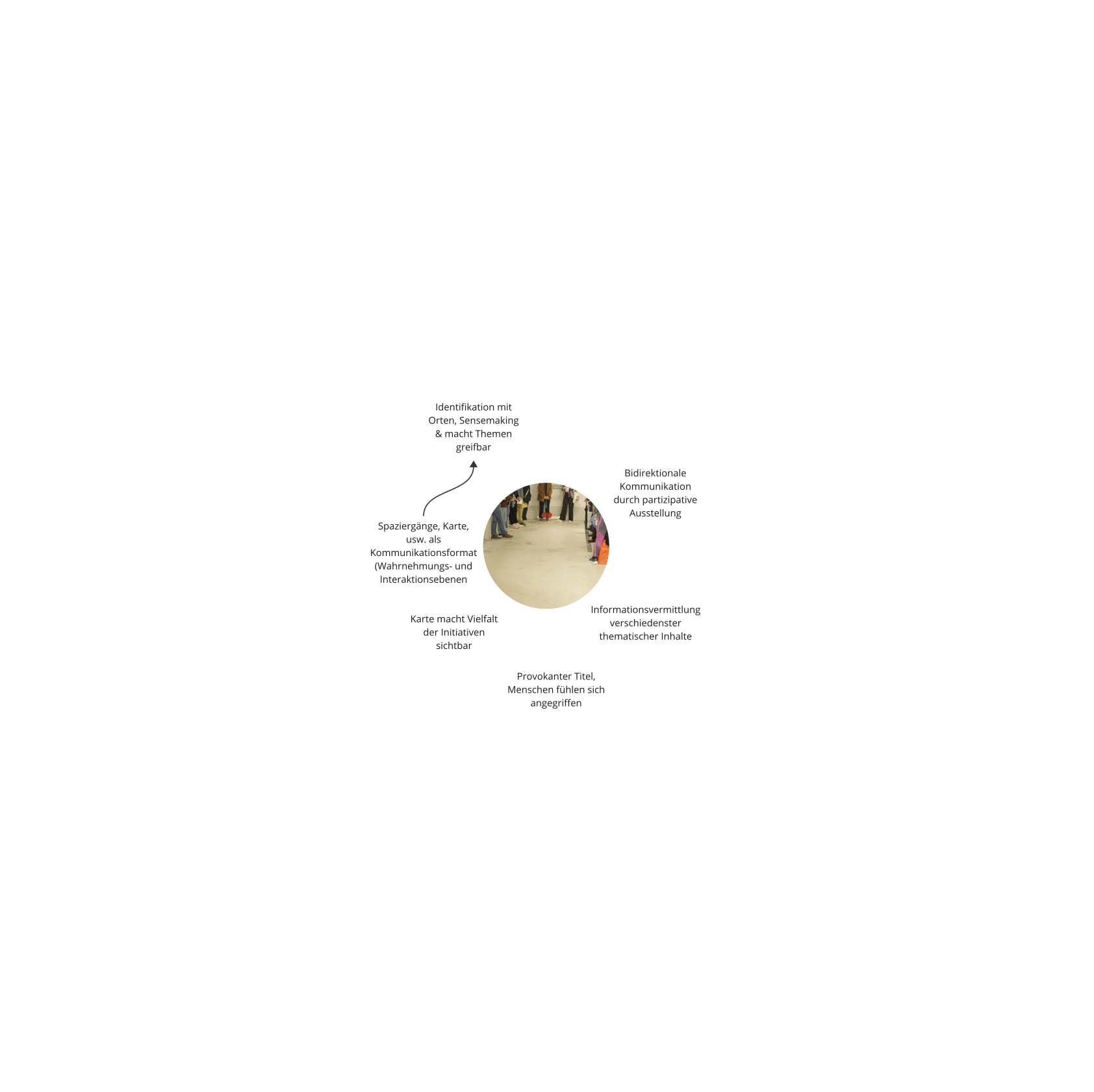
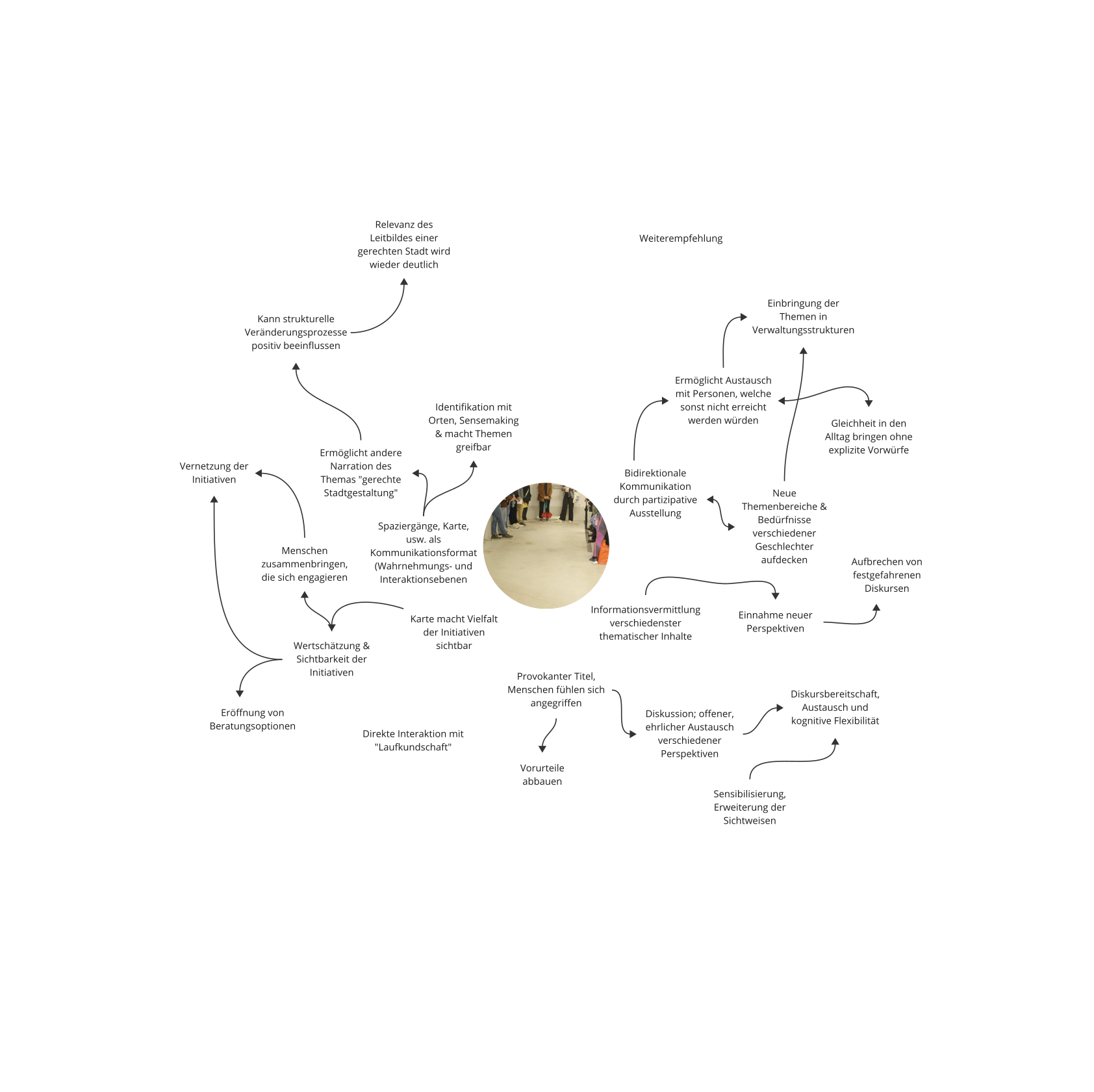
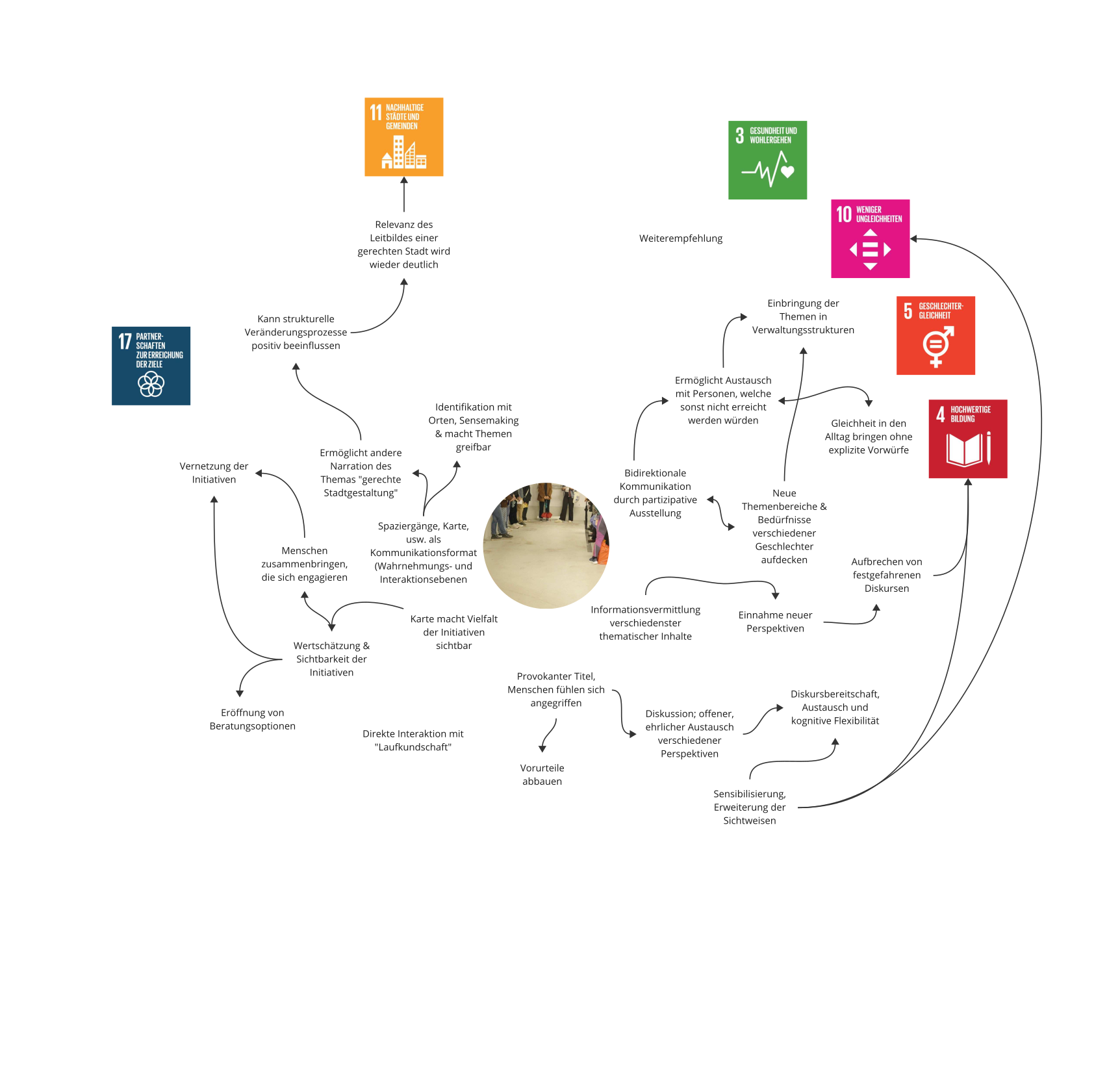
On July 9, 2024, the potential impacts of “Queering the City” were analyzed using the Map/ing Sustainability method by an interdisciplinary group of cultural studies scholars, designers, artists, and experts in the fields of urban design, gender equality, and anti-discrimination. The two initiators were present to present the project and participate in the discussion. Some of the participants were already familiar with the project—for example, they had taken part in one of the city walks, were familiar with the city map, or had supervised the project in a university setting.
The project’s role in raising awareness and fostering understanding was highlighted as a key aspect. It succeeded in making social diversity visible and addressing “inequality in urban design” in an accessible and respectful manner. Participants praised the initiators’ gentle, insight-oriented approach. The focus was exclusively on imparting knowledge and opening up new perspectives, without imposing their own convictions on others.
Through the interactive usability of the map—available in both print and digital formats—diversity becomes a natural part of everyday urban life. This helps reduce inequalities and promotes an inclusive understanding of the city (SDG 10). At the same time, the project raises awareness of gender equality by “making all gender identities visible” and sparking a discourse on equality “in a very positive and open way” (SDG 5).As a space for learning and experience, Queering the City also contributes to quality education (SDG 4): It enables informal learning, promotes “cognitive flexibility,” and encourages people to question their own perspectives. Through encounters, conversation, and shared urban experiences, education is understood here as a social process that strengthens empathy and openness.
Participants viewed the “Queering the City” project as an effective platform for networking and collaboration. They highlighted as particularly compelling the fact that working together with queer spaces and raising their visibility specifically brings together people who are active in this field. According to the project initiators, these individuals are often not sufficiently connected with one another. The project has fostered new partnerships and structures for exchange that could endure beyond the project itself (SDG 17).
This open and accessible form of collaboration makes it possible not only for people who are already active in organizations or serve on committees to have their voices heard, but also to reach new target groups and engage them in interaction. Through formats such as participatory exhibitions, city tours, and communication about the project via social media, broader citizen participation can be fostered. At the same time, a different narrative is established that places greater emphasis on the topic of equitable urban design. In this way, it could find its way into local political and municipal administrative structures and have an impact there (SDG 11).
No direct connection to the issue of Natural Resources was made during the discussion. Nevertheless, based on the project’s activities, one can surmise corresponding potential impacts—for example, by creating an urban environment free of unsafe spaces, which enables more people to forego the additional benefit of a car as a protected space and instead travel on foot or by public transportation (SDG 13).